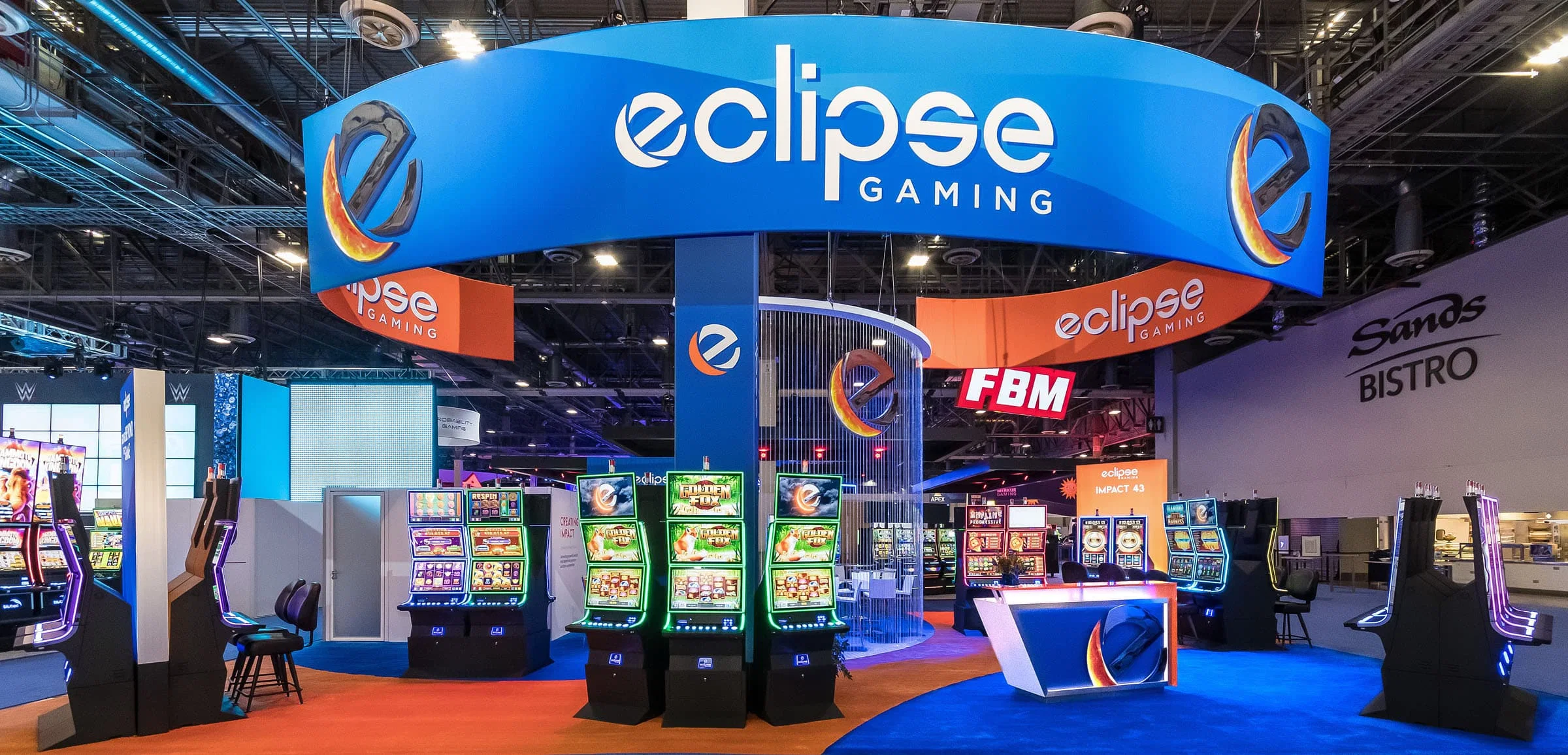
Greater Phoenix Economic Council identifies semiconductors, software, data centers, and autonomous vehicle technology as documented demand drivers in the metro, which means technology shows here pull exhibitors managing product-launch timelines, demo hardware, compliance documentation, and booth configurations that support live software environments and sensitive component handling. Phoenix Convention Center offers 635,000 square feet of meeting and exhibition space with 20 climate-controlled loading docks, WestWorld of Scottsdale provides indoor and outdoor campus options for consumer-facing tech activations, and the Omni Tempe Hotel at ASU brings 36,000 square feet of meeting space across seven meeting rooms for smaller enterprise conferences.
Technology exhibitors coordinate booth builds, AV installations, internet connectivity upgrades, demo station assembly, and strike logistics with official show contractors, Exhibitor Appointed Contractors, and venue house services depending on jurisdiction and show manual requirements. Freight timing from semiconductor assembly campuses in Chandler or software offices in Scottsdale Airpark to Phoenix Convention Center loading docks follows I-10 and Loop 101 routing, with peak-hour avoidance windows between 6:30 and 9:30 AM and again from 3:30 to 7:00 PM to keep dock-appointment schedules intact. Hotel ballroom programs at properties like Talking Stick Resort or The Westin Tempe serve as secondary venues for executive briefings, partner summits, and training sessions that run parallel to larger expo floors.
Strong planning covers planning context for technology trade shows in the Greater Phoenix and Tempe market. The project plan should turn venue rules, freight deadlines, labor windows, and exhibitor goals into a workable show schedule. It names real venues, real infrastructure, and real jurisdictional handoffs so exhibitors and planners can build accurate timelines, verify service scope with vendors, and coordinate multi-party workflows without guessing at local conditions or inventing operational details.
Technology Show Planning Considerations
- I-10 and Loop 101 freight routing between Chandler semiconductor campuses, Scottsdale Airpark offices, and Phoenix Convention Center loading docks, with peak-hour avoidance outside 6:30–9:30 AM and 3:30–7:00 PM windows to maintain dock appointments
- Phoenix Convention Center North Building with 635,000 square feet across 11 exhibit halls, 20 climate-controlled loading docks, and official show contractor coordination for power distribution, internet bandwidth upgrades, and rigging permits required for hanging AV or overhead displays
- WestWorld of Scottsdale campus flexibility for consumer tech shows and product-launch activations using indoor Equidome space and outdoor Monterra areas, with vendor coordination for temporary power, wireless connectivity, and climate control for demo stations
- Omni Tempe Hotel at ASU conference infrastructure with 36,000 square feet of meeting space and seven meeting rooms supporting enterprise software conferences, partner training, and breakout sessions that require dedicated network VLANs and secure access for proprietary demo environments
- Advance ordering deadlines for internet bandwidth upgrades, custom electrical distribution, and AV installation that align with official show contractor timelines and venue house-services coordination windows, typically closing 30 to 45 days before move-in for non-standard configurations
Venue Infrastructure and Show Logistics
Phoenix Convention Center anchors the metro's technology show market with 635,000 square feet of meeting and exhibition space, 11 exhibit halls, 56 meeting rooms, and 20 climate-controlled loading docks that support freight staging, component storage, and coordinated move-in schedules managed by official show contractors and venue house services. Exhibitors bringing semiconductor validation equipment, data-center hardware, or multi-screen demo arrays coordinate electrical upgrades, internet bandwidth allocation, and rigging permits through the official contractor designated in the show manual, with jurisdiction questions resolved by venue management before load-in begins. Hall assignments, aisle layouts, and booth numbering appear in the exhibitor service manual released 90 to 120 days before show open, which sets the baseline for booth design, freight planning, and labor coordination.
WestWorld of Scottsdale offers indoor and outdoor spaces including the Equidome and Monterra areas for consumer product launches, automotive tech demonstrations, and outdoor activation programs requiring temporary power, wireless networks, and climate control. Show organizers and exhibitors verify infrastructure with the venue's host-an-event team and coordinate with appointed contractors for power distribution, internet connectivity, and structural builds. Show dates and vendor jurisdiction get finalized in advance to avoid conflicts with concurrent events.
Hotel ballroom programs at Omni Tempe Hotel at ASU, Talking Stick Resort, and The Westin Tempe serve as secondary venues for executive conferences, partner training, and software demo environments requiring secure network access and custom AV setups. Omni Tempe brings 36,000 square feet of meeting space across seven meeting rooms, while Talking Stick Resort and The Westin Tempe provide conference infrastructure. Technology exhibitors verify internet bandwidth capabilities, electrical capacity, and house AV inventory before committing to ballroom configurations.
- Phoenix Convention Center North Building provides 635,000 square feet, 11 exhibit halls, 56 meeting rooms, and 20 climate-controlled loading docks with official show contractor coordination for power, rigging, and internet bandwidth
- WestWorld of Scottsdale campus offers indoor Equidome and outdoor Monterra spaces for consumer tech activations and product launches, with appointed contractor coordination for temporary power, wireless networks, and climate control
- Omni Tempe Hotel at ASU delivers 36,000 square feet of meeting space across seven meeting rooms for enterprise conferences requiring secure network VLANs and custom AV setups for proprietary demo environments
Freight and Dock Coordination
Freight routing from Chandler semiconductor facilities, Scottsdale Airpark software offices, or Mesa Gateway warehouse campuses to Phoenix Convention Center loading docks follows I-10 northbound or Loop 101 connections, with drive times ranging from 25 to 40 minutes outside peak hours and extending beyond 70 minutes during morning and evening rush windows between 6:30 and 9:30 AM and 3:30 to 7:00 PM. Exhibitors shipping validation hardware, server racks, or component arrays coordinate dock appointments with the official show contractor's freight desk, which assigns time windows based on booth location, case count, weight class, and required unloading equipment. Advance warehouse services are available through the official contractor for early shipments arriving more than five days before move-in, with daily storage fees, handling charges, and delivery-to-booth coordination included in the service quote.
Phoenix Convention Center's 20 climate-controlled docks support simultaneous unloading operations, so exhibitors verify dock assignments and unloading sequences with the official contractor's logistics team before departure. Semiconductor components, data-center equipment, and prototype hardware requiring temperature control or security staging get flagged during advance order submission. Show contractors provide material handling equipment including forklifts, pallet jacks, and electric carts, but exhibitors with oversized or fragile demo units may need specialized rigging or white-glove handling.
WestWorld of Scottsdale outdoor programs involve different freight workflows because loading areas and vehicle access vary by event configuration. Technology exhibitors coordinate vehicle access permits, unloading zones, and temporary storage with the venue's event services team and appointed contractor. Drive times from Scottsdale Airpark or North Scottsdale to WestWorld typically run 15 to 25 minutes off-peak, but exhibitors verify access routes in advance to avoid conflicts with concurrent events.
- I-10 and Loop 101 freight routing from Chandler, Scottsdale Airpark, or Mesa Gateway to Phoenix Convention Center runs 25 to 40 minutes off-peak, extending past 70 minutes during 6:30–9:30 AM and 3:30–7:00 PM rush windows
- Phoenix Convention Center's 20 climate-controlled docks support coordinated unloading with official contractor dock assignments based on booth location, case count, weight, and required material handling equipment
- WestWorld of Scottsdale outdoor activation programs require vehicle access permits, unloading zone coordination, and temporary storage arrangements verified with venue event services and appointed contractors before load-in
Internet Connectivity and AV Infrastructure
Technology shows demand internet bandwidth upgrades beyond standard venue Wi-Fi because demo stations running cloud software, live video streams, or remote product validation require dedicated hardline connections or upgraded wireless access points installed by the official show contractor or venue IT services. Phoenix Convention Center exhibitors order internet packages through the official contractor's technology services desk, with options ranging from shared wireless access to dedicated fiber drops delivering symmetrical gigabit speeds for booth networks supporting multiple demo stations. Advance order deadlines for custom internet installations typically close 30 to 45 days before move-in to allow time for infrastructure deployment, testing, and troubleshooting before show open.
AV infrastructure for technology booths includes multi-screen video walls, projection systems, audio reinforcement, and lighting packages. Exhibitors coordinate AV installation with the official contractor's audiovisual division or hire an Exhibitor Appointed Contractor if permitted. Rigging permits are required for overhead displays, hanging monitors, or suspended lighting at Phoenix Convention Center, with structural load calculations and safety inspections managed by venue engineering and the rigging team. Hotel ballroom setups at Omni Tempe or Talking Stick Resort involve simpler AV coordination, but technology exhibitors requiring custom video switching or wireless presentation systems arrange external vendor support.
WestWorld of Scottsdale outdoor activations require temporary power distribution, wireless mesh networks, and backup connectivity solutions. Technology exhibitors coordinate generator placement, fiber-optic backhaul, and wireless access point arrays with the venue's technical services team and appointed contractors for stable connectivity. Testing windows before show open allow exhibitors to verify bandwidth performance and troubleshoot connectivity issues.
- Phoenix Convention Center internet packages range from shared wireless to dedicated gigabit fiber drops ordered through official contractor technology services, with advance deadlines 30 to 45 days before move-in for custom installations
- AV infrastructure coordination includes multi-screen video walls, projection systems, audio reinforcement, and rigging permits for overhead displays managed by official contractor audiovisual teams or approved Exhibitor Appointed Contractors
- WestWorld of Scottsdale outdoor events require temporary power, wireless mesh networks, and backup connectivity solutions coordinated with venue technical services and appointed contractors for stable demo environments
Industry-Specific Compliance and Security
Semiconductor exhibitors bringing wafer validation equipment, cleanroom components, or proprietary assembly tools coordinate environmental controls, security protocols, and handling procedures because equipment sensitivity and intellectual property protection require documented chain-of-custody and controlled booth access. Phoenix Convention Center official contractors provide secure storage, supervised unloading, and restricted access zones, but exhibitors verify insurance coverage, security staffing, and asset-tracking protocols before shipment. Show manuals specify security requirements and badge access rules for controlled demonstrations.
Data-center component exhibitors coordinate booth configurations for live server demonstrations, network equipment displays, and cooling system mock-ups requiring elevated electrical capacity, supplemental HVAC, and floor-load verification for rack-mounted hardware. Phoenix Convention Center engineering teams review structural drawings and weight distribution plans for booths exceeding standard floor-load limits. Electrical service upgrades for high-density server racks involve dedicated circuit runs and coordination with venue electricians who verify load balancing before energizing booth systems.
Software companies running live demo environments coordinate network isolation, secure access controls, and data privacy measures that align with corporate security policies. Hotel ballroom setups at Omni Tempe or Talking Stick Resort support secure demo environments with dedicated network VLANs and firewalled internet access managed by hotel IT teams or external contractors. Technology planners verify data residency requirements and backup connectivity before deploying customer-facing demo systems.
- Semiconductor exhibitors coordinate secure storage, supervised unloading, and restricted booth access for wafer validation equipment and proprietary assembly tools through official contractor security services and venue management
- Data-center component displays require floor-load verification, elevated electrical capacity, and supplemental HVAC coordination with Phoenix Convention Center engineering teams for rack-mounted hardware exceeding standard booth configurations
- Software demo environments require network isolation, secure access controls, and data privacy measures coordinated with hotel IT teams or external network contractors for customer-facing systems in ballroom conference setups
Show Calendar and Regional Event Context
Greater Phoenix Economic Council identifies semiconductors, software, data centers, autonomous vehicles, and climate technology as demand drivers in the metro, which means technology shows here align with product launch cycles, industry conference schedules, and regional business activity that peaks during moderate-weather months when resort inventory and convention-center availability support large-scale events. Phoenix Convention Center hosts citywide conventions, trade expos, and multi-day conferences that draw technology exhibitors from local semiconductor campuses, software headquarters, and national vendors shipping booth components and demo hardware into the metro. Show organizers publish event calendars 12 to 18 months in advance, which allows exhibitors to coordinate booth design, vendor selection, and service ordering with lead times that match official contractor deadlines and venue booking windows.
WestWorld of Scottsdale balances equestrian events, automotive expos, consumer shows, and technology activations across its annual calendar, so exhibitors and planners verify venue availability, campus access restrictions, and concurrent event schedules with the venue's host-an-event team before committing to show dates or booth configurations. Consumer-facing technology product launches and outdoor demo programs benefit from WestWorld's flexible indoor and outdoor spaces, but exhibitors coordinate weather contingency plans, temporary climate control, and backup power options with appointed contractors to protect demo hardware and ensure uninterrupted activation schedules. Regional event overlap with Phoenix Convention Center shows or hotel ballroom conferences at Omni Tempe requires early hotel block reservations and advance freight coordination to secure preferred dates and service availability.
Hotel ballroom conference programs at properties like Talking Stick Resort, The Westin Tempe, and Embassy Suites by Hilton Phoenix Tempe support smaller enterprise software conferences, partner training sessions, and executive briefings that run independently or as satellite programs tied to larger Phoenix Convention Center trade shows. Technology planners booking ballroom space verify meeting room configurations, AV capabilities, internet bandwidth, and catering coordination timelines with hotel event services teams to ensure all technical requirements and service deadlines align with conference objectives. Hotel properties near Phoenix Sky Harbor International Airport or along Mill Avenue in Downtown Tempe provide convenient access for attendees flying in from software hubs, semiconductor markets, or technology centers outside the metro.
- Greater Phoenix Economic Council demand drivers include semiconductors, software, data centers, and autonomous vehicles, which align technology show schedules with product launch cycles and moderate-weather convention-center availability
- WestWorld of Scottsdale annual calendar balances equestrian events, automotive expos, and technology activations, requiring exhibitors to verify campus access, concurrent event schedules, and weather contingency plans with venue event services
- Hotel ballroom programs at Talking Stick Resort, The Westin Tempe, and Embassy Suites support enterprise software conferences and partner training sessions with verified AV capabilities, internet bandwidth, and catering timelines
Frequently Asked Questions
Which Greater Phoenix venues host the largest technology trade shows?
Phoenix Convention Center hosts the largest technology trade shows in the metro with 635,000 square feet of meeting and exhibition space, 11 exhibit halls, and 20 climate-controlled loading docks that support semiconductor component displays, data-center equipment demonstrations, and software conference programs. WestWorld of Scottsdale provides indoor and outdoor campus spaces for consumer-facing technology activations and product launches, while hotel ballroom properties like Omni Tempe Hotel at ASU and Talking Stick Resort serve enterprise software conferences and partner training sessions.
How do exhibitors coordinate internet bandwidth upgrades for live software demos?
Exhibitors order internet bandwidth upgrades through the official show contractor's technology services desk, with options ranging from shared wireless access to dedicated gigabit fiber drops for booth networks supporting multiple demo stations. Advance order deadlines typically close 30 to 45 days before move-in to allow time for infrastructure deployment, testing, and troubleshooting. Hotel ballroom setups require coordination with hotel IT teams or external network contractors to arrange dedicated VLANs, firewalled access, and secure connectivity for proprietary demo environments.
What freight routing do semiconductor exhibitors use from Chandler to Phoenix Convention Center?
Semiconductor exhibitors shipping validation equipment or component arrays from Chandler campuses to Phoenix Convention Center loading docks follow I-10 northbound or Loop 101 connections, with drive times ranging from 25 to 40 minutes outside peak hours and extending beyond 70 minutes during morning rush windows between 6:30 and 9:30 AM and evening windows from 3:30 to 7:00 PM. Exhibitors coordinate dock appointments with the official contractor's freight desk and flag temperature-sensitive or high-value components for supervised unloading and secure storage.
Do hotel ballroom conference venues support data-center hardware demonstrations?
Hotel ballroom conference venues like Omni Tempe Hotel at ASU or Talking Stick Resort support smaller data-center hardware demonstrations if exhibitors verify floor-load capacity, electrical service availability, and HVAC performance with hotel engineering teams before installation. Full rack-mounted server displays requiring elevated electrical capacity and supplemental cooling are better suited to Phoenix Convention Center exhibit halls, where venue infrastructure and official contractor services accommodate high-density booth configurations and structural load requirements.
When should technology exhibitors finalize booth design and service orders?
Technology exhibitors should finalize booth design and service orders 30 to 45 days before move-in to meet official contractor deadlines for custom electrical distribution, internet bandwidth installations, AV infrastructure, and rigging permits required for overhead displays or hanging monitors. Exhibitor service manuals released 90 to 120 days before show open provide hall assignments, booth dimensions, and service provider contact information that set the baseline for design timelines, vendor coordination, and advance order submission.