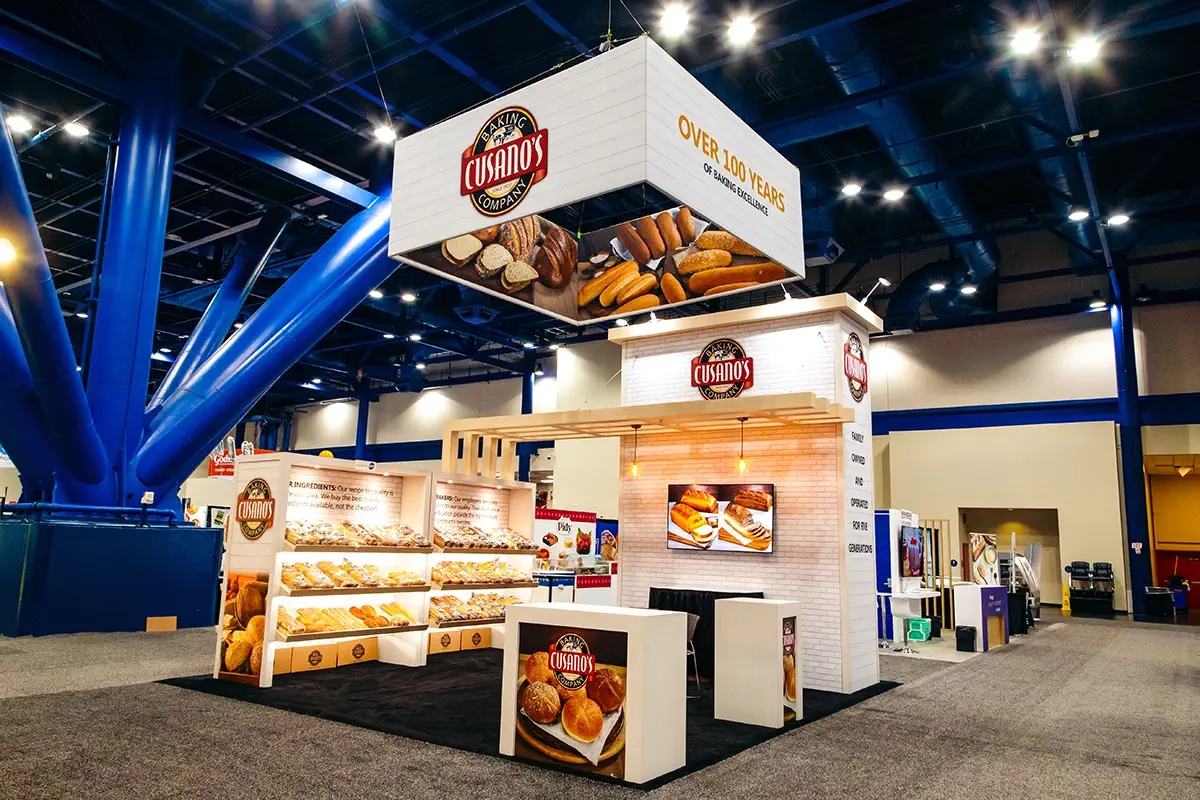
Trade show general contracting refers to the company designated by show management to handle floor operations at a specific event: setting the exhibitor services manual, managing drayage and aisle carpet, controlling electrical and rigging orders, and coordinating the move-in and move-out sequence. At large Phoenix Metro venues such as the Phoenix Convention Center and WestWorld of Scottsdale, the general contractor (GC) is named in the show contract and may not be substituted without show management approval. Exhibitors receive the GC's order forms as part of their exhibitor kit, often sixty to ninety days before move-in.
The distinction between the GC and an exhibitor-appointed contractor (EAC) matters for budgeting. The GC typically controls drayage (the movement of freight from the dock to the booth) and may control floor power, rigging points, and cleaning services. An EAC you hire separately handles booth installation, graphics, and display work, but must register with show management and carry documentation that satisfies the GC's labor jurisdiction requirements. At hotel ballroom programs like those at Tempe Mission Palms or the Omni Tempe Hotel at ASU, a separate GC is less common; the hotel's in-house A/V and setup crews often perform equivalent coordination.
Planning against a GC deadline is not optional. Advance order rates, typically 30 to 50 percent cheaper than show-site pricing, close one to three weeks before move-in. If your exhibit design requires rigging, that timeline moves even earlier because rigging must clear venue engineering and show management before approval. Exhibitors who treat the GC's order kit as secondary paperwork regularly absorb thousands of dollars in overtime and show-site surcharges that advance orders would have avoided.
What General Contracting Covers at Phoenix Metro Shows
- Phoenix Convention Center: twenty climate-controlled loading docks, the official GC controls drayage across 635,000 sq ft of North Building exhibit space, with advance drayage rates closing approximately fourteen days before first move-in day
- WestWorld of Scottsdale: indoor and outdoor campus with the Equidome and Monterra spaces; GC scope varies by show type, with consumer shows running different jurisdictions than corporate trade events
- Show floor labor jurisdiction at Phoenix-area venues generally follows show management assignment rather than exhibitor preference, and the GC's labor agreement governs who performs which tasks on the floor
- Electrical, rigging, and water services at the Phoenix Convention Center route through the GC; independent exhibitors cannot source these directly from the venue during a contracted show
- Talking Stick Resort conference programs typically rely on hotel operations staff rather than a standalone GC, which changes how service orders are placed and what EAC documentation is required
What a General Contractor Controls at a Trade Show
The GC's authority at most large trade shows is broad. At an event held in the Phoenix Convention Center, the GC sets the exhibitor services manual, which governs everything from the schedule of move-in time slots to the approved rigging heights in each hall. Exhibitors who receive the manual should read the labor rules section first, because it defines what work an EAC can legally perform, what the GC's own workers must do, and what deadlines apply. Skipping the labor section and going straight to furniture and carpet orders is a common mistake that causes problems at move-in.
Drayage is the line item that surprises most first-time exhibitors. At the Phoenix Convention Center, freight shipped to the advance warehouse or direct to show site is moved from the dock to the booth and back to the dock at strike by GC labor. The rate is calculated per hundredweight (cwt), and heavy crates with machinery or demo equipment drive that number quickly. Understanding the GC's drayage rate card before finalizing a booth design is practical planning; choosing lighter materials where structurally acceptable can meaningfully reduce drayage costs.
Rigging at the Phoenix Convention Center's larger halls requires advance approval, venue sign-off on weight loads, and coordination with the official riggers the GC designates. Banners, truss structures, and suspended AV equipment all route through this process. Submitting rigging drawings late or relying on show-site approval is a risk that experienced exhibit managers avoid.
- GC advance order deadlines typically fall fourteen to twenty-one days before move-in; mark them on the project calendar the day you receive the exhibitor kit
- Drayage rates at Phoenix Convention Center shows are per hundredweight; a 2,000-lb crate at $150/cwt adds $3,000 before any handling surcharges
- Rigging submissions at PCC require engineered drawings and often a three-to-four-week lead time ahead of move-in
- EAC contractors must submit insurance certificates and labor agreements to the GC before they are cleared to work on the floor
GC Relationships Across Phoenix Metro Venues
The Phoenix Convention Center is the region's largest venue for citywide conventions and trade shows, and it almost always operates under a named GC whose contract is locked in by show management a year or more in advance. WestWorld of Scottsdale, which the City of Scottsdale describes as its premier event campus for equestrian events, car shows, festivals, and exhibitions, runs under a different model depending on the event type. Consumer-facing shows often bring their own production teams with different GC arrangements than corporate trade events.
The Arizona State Fairgrounds in Phoenix serves a variety of public shows and trade events, with GC assignments that vary by event. Mesa Convention Center events and the hotel ballroom programs at Tempe Mission Palms and the Westin Tempe generally handle exhibit coordination through the venue's own event services team rather than a traditional GC structure, which means the order intake process and timelines differ substantially from what exhibitors encounter at the Phoenix Convention Center.
Talking Stick Resort, a conference resort in Scottsdale, hosts smaller trade programs where the resort's own A/V and setup contractors cover much of what a GC would handle at a convention center. Exhibitors who regularly work convention centers and then bring a standard GC-based workflow to a hotel program often over-document or mismatch their service orders because the intake process works differently.
- PCC North Building: 635,000 sq ft, 11 exhibit halls, 56 meeting rooms, 20 loading docks with comprehensive GC scope at citywide events
- WestWorld's Equidome and Monterra spaces support a mix of indoor and outdoor configurations; GC structure differs from convention center shows
- Hotel ballroom programs at Tempe Mission Palms and Westin Tempe use venue event services rather than a standalone GC, so service order timelines are usually shorter
- Confirming the named GC for a specific show before starting design is step one; exhibit house bids that ignore the GC's labor rules are often repriced at move-in
Planning Around the GC Timeline
The exhibitor kit from the GC is the planning baseline, not the starting point. By the time the kit arrives, smart exhibitors have already reserved their target booth space, confirmed the show floor dates, and begun exhibit design with an understanding of what the GC controls. The kit fills in the specific deadlines, rate cards, and labor jurisdictions. Working backwards from the advance order close date is the exercise that separates on-budget exhibits from expensive show-site corrections.
For shows at the Phoenix Convention Center, the advance warehouse window opens several weeks before move-in and closes a day or two before the first freight target date. Crates that miss the warehouse window ship direct to show site, often at a higher per-cwt rate. Coordinating with an EAC who has worked the specific GC's system before reduces the risk of timing errors, because GC-specific workflows and quirks are not always spelled out in the manual.
Strike timelines deserve the same planning attention as move-in. At large Phoenix Convention Center events, the GC controls the floor through strike completion, which means exhibitors cannot load out until the GC clears them. That sequence follows the show management timeline rather than the exhibitor's flight schedule. Building a departure buffer of at least one day after the official strike date is standard advice for Phoenix Metro shows.
- Advance warehouse deadlines precede first move-in day by two to three weeks at most Phoenix Convention Center events
- Direct-to-show-site freight carries a higher drayage rate than advance warehouse at most GC contracts; plan shipment timing accordingly
- Strike clearance follows the GC's floor release sequence rather than individual exhibitor preference, so book return travel with a buffer
- First-time exhibitors at a specific show benefit from walking the floor during move-in of a prior year's event to understand the GC's actual workflow
EAC Registration and Labor Coordination
An exhibitor-appointed contractor performs booth installation, graphics, and display work under a license from show management, not under the GC's direct authority. But the GC controls the floor, which means EACs must comply with the GC's move-in sequence, labor jurisdiction rules, and documentation requirements. At Phoenix Convention Center events, EAC paperwork typically includes a certificate of insurance naming the GC and the show management as additional insureds, plus a signed labor agreement covering any union work.
The labor jurisdiction question is specific to each GC-show combination and should be confirmed directly from the GC's exhibitor manual rather than assumed from prior shows. At some Phoenix area shows, the GC's workers have jurisdiction over electrical connections even when an EAC installs the exhibit; at others, EAC electricians can perform connections under their own license. Assuming the wrong rule generates labor disputes at move-in, which are resolved on the show clock with overtime rates in effect.
EACs who have worked with a specific GC before know the process and can anticipate common friction points, particularly around tool check-in, labor call times, and load-in dock assignments. Hiring an EAC experienced with Phoenix Convention Center shows specifically is worth checking during the vendor selection process.
- EAC insurance certificates must name the GC and show management as additional insureds; generic certificates are routinely rejected at show-site check-in
- Labor jurisdiction for electrical connections varies by GC contract and must be confirmed from the specific show's exhibitor manual
- EAC dock assignments and load-in windows are coordinated through the GC's floor manager, not scheduled directly with the venue
- EAC registration deadlines are earlier than most exhibitors expect, often two to three weeks before move-in at PCC events
Budget Line Items the GC Controls
The GC's rate card drives several of the largest line items in a trade show budget. Drayage, electrical, rigging, cleaning, and furniture rental all flow through GC orders at most convention center shows. Each of these has an advance rate and a show-site rate, and the difference between the two is significant. Electrical orders placed at show site at the Phoenix Convention Center can run 50 percent or more above the advance rate. Building a complete GC order checklist alongside the exhibit design reduces the likelihood of discovering missing service orders at move-in.
Electrical is often underestimated in early budgets. Each piece of demo equipment, monitor, and lit display element draws power, and the booth's total amperage requirement must be ordered in advance. Adding circuits at show site is possible but expensive and depends on the GC's floor electricians being available, which is not guaranteed during peak move-in periods. Pulling the electrical spec sheet for each piece of booth equipment during the design phase is more efficient than reverse-engineering it later.
Cleaning services are often overlooked until the exhibitor arrives to find the booth still has construction debris or carpet that has not been vacuumed. At the Phoenix Convention Center, the GC's cleaning schedule covers aisle cleaning; booth interior cleaning is a separate order. Exhibitors with large island booths or double-deck structures should confirm exactly what the GC's cleaning crew covers and order supplemental service if needed.
- Electrical advance orders are typically 30 to 50 percent cheaper than show-site rates; complete the amp calculation during design, not at move-in
- Rigging point costs at the PCC are per point per day and add up quickly for complex hanging structures, so price them in at the booth design stage
- Cleaning services for booth interiors are separate from aisle cleaning and must be ordered from the GC independently
- Furniture and flooring rental from the GC is often more expensive than bringing your own, but return shipping costs can offset the difference for heavy or bulky items
Trade Show General Contracting — Frequently Asked Questions
Can I choose my own general contractor for a show at the Phoenix Convention Center?
No. The general contractor for a specific show at the Phoenix Convention Center is designated by show management in the event contract. Exhibitors cannot substitute a different GC for drayage, electrical, or rigging services. What exhibitors can do is hire an exhibitor-appointed contractor (EAC) for booth installation, graphics, and display work, provided the EAC registers with show management and meets the GC's documentation requirements.
What happens if I miss the GC's advance order deadline?
Show-site rates apply, which at most Phoenix Convention Center events run 30 to 50 percent higher than advance rates on electrical, drayage, and furniture orders. For rigging, the consequences are more significant: late rigging submissions may not be approved at all if the venue's engineering review window has closed. Missing advance deadlines is one of the most common and avoidable sources of budget overruns at trade shows.
How does the GC relationship work at hotel ballroom shows in Tempe?
Hotel properties like Tempe Mission Palms and the Westin Tempe handle exhibit coordination through their own event services teams rather than a traditional GC structure. Service orders flow through the hotel's catering and events manager, timelines are typically shorter than at convention center shows, and EAC registration requirements are less formal. The tradeoff is that hotel event teams have less experience with large exhibit builds, so exhibitors bringing complex displays should communicate structural requirements early.
What documents does an EAC need to submit to the general contractor?
At most Phoenix Convention Center shows, EACs must submit a certificate of insurance meeting the GC's specific requirements (including the GC and show management as additional insureds), a signed agreement acknowledging labor jurisdiction rules, and often a list of crew members who will be working on the floor. Some GCs require this documentation two to three weeks before move-in. The specific requirements are listed in the exhibitor services manual under the EAC section.
How far in advance should I plan for rigging at a Phoenix Convention Center event?
Rigging approvals at the Phoenix Convention Center require engineered drawings, venue engineering sign-off, and GC coordination, a process that typically takes three to four weeks ahead of move-in. For large structures or unusual load configurations, start even earlier. Submitting rigging drawings at the same time as advance service orders is a reasonable target; submitting them after the advance order window closes creates timing pressure that often results in either denied approval or expensive show-site engineering reviews.