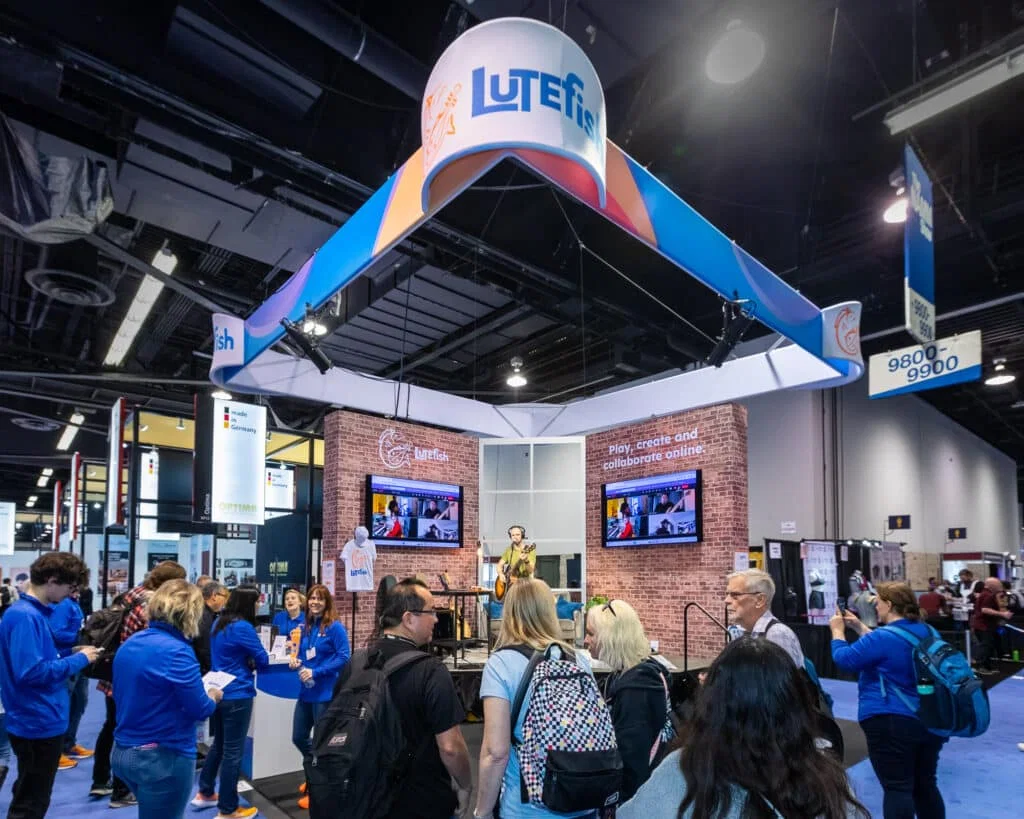
Strong planning covers trade-show planning for Tempe and the Greater Phoenix metro, with venue selection, booth installation logistics, freight coordination, and labor jurisdiction across Phoenix Convention Center, WestWorld of Scottsdale, Mesa Convention Center, and the hotel ballroom programs at Omni Tempe Hotel at ASU, Talking Stick Resort, and JW Marriott Phoenix Desert Ridge Resort & Spa. The project plan should turn venue rules, freight deadlines, labor windows, and exhibitor goals into a workable show schedule.
Trade shows in this market involve B2B exhibitor programs across aerospace, semiconductors, software, healthcare innovation, advanced manufacturing, and biosciences. Most events run at Phoenix Convention Center downtown, with overflow and secondary programs at WestWorld, Arizona State Fairgrounds, Mesa Convention Center, and Tempe's hotel conference venues. Planning cycles follow venue-specific load-in windows, official show contractor timelines, and the I-10 freight corridor between Phoenix Sky Harbor International Airport and downtown dock access.
Coordination begins with locking the venue and show dates, verifying booth footprint and electrical requirements against venue specifications, selecting either the official show contractor or filing Exhibitor Appointed Contractor paperwork, and confirming hotel-block inventory near the venue. Delivery schedules account for dock assignments, advance warehouse receiving deadlines, and strike-day freight pickup windows to avoid late penalties.
Trade Show Planning Points
- Phoenix Convention Center North Building offers 635,000 square feet of exhibit space, 56 meeting rooms, and 20 climate-controlled loading docks accessible via Jefferson Street and Third Street downtown
- I-10 freight corridor connects Phoenix Sky Harbor International Airport to downtown Phoenix docks in fifteen to twenty-five minutes outside of 6:30–9:00 AM and 3:30–6:30 PM peak windows
- WestWorld of Scottsdale provides indoor Equidome and outdoor Monterra venue space for consumer shows, specialty expos, and automotive events with large-footprint booth requirements
- Official show contractor jurisdiction versus Exhibitor Appointed Contractor requirements varies by show manual; file EAC paperwork at least two weeks before move-in to avoid rejection or added fees
- Tempe hotel venues including Omni Tempe Hotel at ASU with 36,000 square feet and Tempe Mission Palms support tabletop programs, sponsor activations, and satellite meeting sessions tied to larger Phoenix events
Venue Selection and Booth Footprint
Phoenix Convention Center anchors the metro's trade-show calendar. The North Building holds 635,000 square feet of exhibit space across 11 exhibit halls, with hall configurations that support island booths, peninsula layouts, and large custom builds requiring rigging and overhead signage. Ceiling heights vary by hall; verify clearance with the venue's technical specifications before designing hanging elements or truss systems. The venue lists 20 climate-controlled loading docks on the Jefferson Street and Third Street sides, which simplifies coordination when multiple exhibitors share advance receiving windows.
WestWorld of Scottsdale operates as the second-largest expo venue in the metro, hosting automotive shows, equestrian expos, and consumer-facing events that need outdoor space or large vehicle displays. The Equidome and Monterra buildings offer flexible floor plans, but freight access differs from Phoenix Convention Center. Load-in typically happens via the north campus entry off Loop 101, and exhibitors coordinate directly with the venue or the official show contractor depending on the event's service structure. Hotel ballroom programs at Talking Stick Resort and Omni Tempe Hotel at ASU serve as secondary venues for tabletop exhibitor programs, sponsor lounges, and breakout sessions tied to larger shows running downtown.
Mesa Convention Center provides 19,000 square feet of exhibit area and an additional 19,000 square feet of meeting space downtown, which positions it as a submarket venue for smaller trade programs, regional expos, and East Valley business events. Freight delivery follows Main Street dock access, and the venue coordinates with show organizers on whether house services or an appointed contractor handles setup. Tempe's hotel meeting rooms complement the metro's larger venues when shows need satellite registration desks, hospitality suites, or overflow meeting capacity within a short drive of Phoenix Convention Center or Sky Harbor.
- Phoenix Convention Center North Building supports island, peninsula, and inline booth formats with 635,000 square feet of exhibit space and hall-specific ceiling-height specifications for rigging and overhead signage
- WestWorld of Scottsdale Equidome and Monterra buildings accommodate large-footprint consumer shows and automotive displays with outdoor staging and flexible indoor configurations
- Mesa Convention Center offers 19,000 square feet of exhibit area downtown with Main Street dock access for smaller regional trade programs and East Valley business expos
- Omni Tempe Hotel at ASU provides 36,000 square feet of meeting space for tabletop exhibitor programs and sponsor activations tied to larger Phoenix shows
Freight and Dock Logistics
Freight routing for Phoenix trade shows follows I-10 from Phoenix Sky Harbor International Airport to downtown docks. The run covers roughly five miles and takes fifteen to twenty-five minutes outside peak traffic windows of 6:30–9:00 AM and 3:30–6:30 PM. Drivers delivering to Phoenix Convention Center use Jefferson Street or Third Street dock entries, depending on hall assignment. The venue's 20 climate-controlled loading docks allow multiple exhibitors to unload simultaneously, but dock assignments follow the official show contractor's schedule. Confirm your dock time and case count in advance to avoid conflicts with other exhibitors or late-arrival penalties.
Advance warehouse receiving is standard for most Phoenix trade shows. The official show contractor accepts shipments at an off-site warehouse between seven and fourteen days before show open, then delivers cases to the booth location during move-in. Exhibitors pay handling fees based on weight and case count, so accurate manifests reduce unexpected charges. Direct-to-show-site delivery is allowed during published move-in windows, but exhibitors must coordinate dock time directly with the show contractor to avoid rejection at the loading dock. WestWorld freight follows Loop 101 to the north campus entry, with outdoor staging areas that simplify large-case handling and vehicle unloading for automotive or equipment-heavy exhibits.
Strike-day freight pickup must align with published dock windows. Most shows close docks to outbound freight by a specific cutoff time, typically four to six hours after show close. Exhibitors who miss the cutoff incur storage fees or next-day pickup charges. Label all cases clearly with booth number, consignee name, and return shipping carrier to prevent loss during strike. Mesa Convention Center and Tempe hotel venues operate smaller dock schedules, so coordinate pickup timing directly with the venue or show organizer to avoid delays.
- I-10 connects Phoenix Sky Harbor to downtown Phoenix Convention Center docks in fifteen to twenty-five minutes outside 6:30–9:00 AM and 3:30–6:30 PM peak windows
- Phoenix Convention Center assigns 20 climate-controlled loading docks by hall; confirm dock time and case count with the official show contractor before delivery to avoid conflicts
- Advance warehouse receiving windows run seven to fourteen days before show open, with handling fees based on case count and weight listed in the show manual
- Strike-day dock closures typically occur four to six hours after show close; late pickups incur storage fees or next-day charges
Official Show Contractor and EAC Workflow
Most Phoenix trade shows designate an official show contractor who handles booth installation labor, electrical connections, freight handling, and equipment rentals. The show manual lists the contractor's name, contact information, and deadlines for advance orders. Exhibitors who want to use their own installation crew or a preferred vendor must file Exhibitor Appointed Contractor paperwork at least two weeks before move-in. The EAC process includes proof of insurance, a certificate of liability naming the venue and show organizer, and payment of any required facility or contractor fees. Missing the EAC filing deadline often results in rejection or added charges.
Jurisdiction at Phoenix Convention Center and WestWorld follows the venue's house-services rules and the show organizer's contractor agreements. Some services, such as electrical hookup, rigging, and forklift operation, may be restricted to the official contractor or venue staff regardless of EAC status. Confirm which tasks your appointed contractor can perform before signing any installation agreement. At hotel venues like Omni Tempe Hotel at ASU and Talking Stick Resort, house audio-visual and catering services are typically required for in-room programs, while booth setup and freight handling may allow third-party contractors depending on the event.
Advance order forms published by the official show contractor include line items for electrical service, internet access, booth cleaning, furniture rentals, and labor. Pricing follows tiered deadlines; early orders cost less than show-site orders. Review the show manual for deadline dates and compare advance pricing to show-site pricing before deciding to defer any service. Electrical requirements must match the booth design; confirm voltage, amperage, and outlet type with the venue's technical team to avoid last-minute corrections on the show floor.
- Exhibitor Appointed Contractor paperwork requires proof of insurance, liability certificates naming the venue and organizer, and submission at least two weeks before move-in to avoid rejection
- Phoenix Convention Center and WestWorld restrict certain services including electrical hookup, rigging, and forklift operation to official contractors or house staff regardless of EAC status
- Advance order forms from the official show contractor offer tiered pricing with early deadlines that reduce costs compared to show-site orders for electrical, internet, furniture, and labor
- Hotel house services at Omni Tempe Hotel at ASU and Talking Stick Resort typically control in-room AV and catering; confirm third-party contractor allowances with the venue before signing any installation agreement
Hotel Blocks and Attendee Lodging
Phoenix Convention Center connects to a downtown hotel cluster that includes Sheraton Phoenix Downtown, Hyatt Regency Phoenix, and Renaissance Phoenix Downtown Hotel, all within walking distance of exhibit halls. Negotiating a hotel block early secures room rates below rack pricing and simplifies attendee lodging. Most show organizers publish a preferred hotel list with negotiated rates; if your exhibitor team exceeds the block size, contact the hotel directly to add rooms or negotiate a separate block. Peak convention weeks in January through April and September through November fill quickly, so book at least three months ahead.
Scottsdale hotel inventory near WestWorld includes Talking Stick Resort, which offers conference meeting space and lodging for exhibitors working shows at the expo campus. The drive from Talking Stick Resort to WestWorld takes about ten minutes via Loop 101, which makes it a practical option for booth crews who need same-day access to the show floor. Tempe hotel options cluster along Apache Boulevard near ASU, with Omni Tempe Hotel at ASU, Tempe Mission Palms, and The Westin Tempe all offering meeting space and booth-crew lodging within a fifteen-minute drive of Phoenix Convention Center via I-10 or Loop 202.
Mesa and East Valley hotel inventory supports overflow demand when downtown Phoenix blocks fill. The drive from Mesa Convention Center to Phoenix Convention Center follows US-60 westbound to I-10 northbound and takes roughly twenty-five to thirty-five minutes outside peak traffic. Gilbert and Chandler hotel options along Loop 202 and I-10 serve as secondary lodging for exhibitors who want lower room rates and don't need immediate access to the downtown show floor.
- Sheraton Phoenix Downtown, Hyatt Regency Phoenix, and Renaissance Phoenix Downtown Hotel sit within walking distance of Phoenix Convention Center exhibit halls and simplify booth-crew lodging coordination
- Talking Stick Resort offers conference meeting space and lodging ten minutes from WestWorld of Scottsdale via Loop 101, which supports same-day show-floor access for booth crews
- Tempe hotels including Omni Tempe Hotel at ASU, Tempe Mission Palms, and The Westin Tempe provide meeting space and lodging within fifteen minutes of Phoenix Convention Center via I-10 or Loop 202
- Mesa and East Valley hotel inventory along US-60 and Loop 202 serve as overflow lodging when downtown Phoenix blocks fill during peak convention weeks
Show-Floor Execution and Strike
Move-in at Phoenix Convention Center follows a published schedule in the show manual, typically beginning one to three days before show open. Exhibitors receive assigned booth locations and dock times; arrive during your assigned window to avoid delays. Booth installation includes unpacking freight cases, assembling displays, connecting electrical and internet services, and staging product or demo equipment. The official show contractor or your appointed crew handles installation labor; confirm scope of work and hourly rates before move-in to prevent billing disputes. Some shows restrict booth construction hours to daytime windows or ban noisy work during evening setup to accommodate early-arriving exhibitors.
On-floor troubleshooting during the show includes electrical failures, internet outages, damaged graphics, and last-minute booth adjustments. The official show contractor maintains a service desk on the show floor; log any issues immediately to get them resolved before attendees arrive. For vendor-supplied booth components that fail during the show, contact your fabricator or graphics provider directly rather than relying on the show contractor for repairs outside their scope. Keep spare graphics, extension cords, and basic hand tools in your booth storage if show rules allow.
Strike begins immediately after show close, often within minutes of the final attendee exiting the hall. Disassemble the booth, pack all cases, and label them clearly for return shipment. The official show contractor assigns dock times for outbound freight; confirm your pickup window and have cases staged near the aisle before your assigned time. Missing the strike dock window incurs storage fees or forces next-day pickup, which delays your return shipment and adds cost. Empty cases and trash must be removed from the booth location; the show contractor charges cleanup fees for exhibitors who leave debris or unattended freight.
- Phoenix Convention Center move-in windows run one to three days before show open with assigned booth locations and dock times published in the show manual; late arrivals risk delays and dock conflicts
- On-floor service desks operated by the official show contractor handle electrical failures, internet outages, and last-minute adjustments; log issues immediately to avoid delays during show hours
- Strike dock windows begin immediately after show close; exhibitors must stage packed cases near the aisle and confirm pickup times to avoid storage fees or next-day freight charges
- Show contractors charge cleanup fees for debris or unattended freight left in booth locations; remove all cases and trash before leaving the show floor
Trade Show Planning FAQ
What is the difference between the official show contractor and an Exhibitor Appointed Contractor?
The official show contractor is designated by the show organizer and handles booth installation labor, electrical connections, freight handling, and equipment rentals for all exhibitors who do not file EAC paperwork. An Exhibitor Appointed Contractor is a third-party vendor or crew that you hire to perform some or all of those services instead. To use an EAC, you must file insurance certificates and liability paperwork with the show organizer at least two weeks before move-in, and some services like electrical hookup or rigging may remain restricted to the official contractor or venue staff regardless of EAC status.
How far in advance should I book a hotel block for my booth crew?
Book hotel blocks at least three months before the show, especially if the event falls during peak convention season in January through April or September through November. Downtown Phoenix hotel inventory near Phoenix Convention Center fills quickly during large shows, so early booking secures better rates and room availability. If your exhibitor team exceeds the show organizer's published block size, contact the hotel directly to add rooms or negotiate a separate block.
Can I deliver freight directly to Phoenix Convention Center on show day instead of using advance warehouse receiving?
Direct-to-show-site delivery is allowed during published move-in windows, but you must coordinate a specific dock time with the official show contractor before the truck arrives. Arriving without a confirmed dock assignment often results in rejection at the loading dock or long wait times while other exhibitors unload. Most shows offer advance warehouse receiving between seven and fourteen days before show open; this option costs handling fees based on case count and weight but eliminates dock-time conflicts and simplifies move-in day logistics.
What happens if I miss the strike dock window after the show closes?
Missing the strike dock window results in storage fees charged by the official show contractor or the venue, and your freight will be held until the next available pickup day, which may be the following morning or later depending on the venue's schedule. This delay adds cost and postpones your return shipment, which can disrupt post-show timelines. To avoid this, confirm your assigned dock time before the show closes, pack and label all cases immediately after strike begins, and stage them near the aisle so the freight crew can load them during your window.
Do Tempe hotel venues allow third-party contractors for booth setup and AV services?
Hotel house services at venues like Omni Tempe Hotel at ASU and Talking Stick Resort typically control in-room audio-visual equipment and catering, and most hotels require exhibitors to use those house services for any program involving food, beverages, or AV presentations. Booth setup and freight handling may allow third-party contractors depending on the specific event and hotel policies. Confirm allowances directly with the hotel or show organizer before signing any installation agreement to avoid last-minute rejections or added fees.