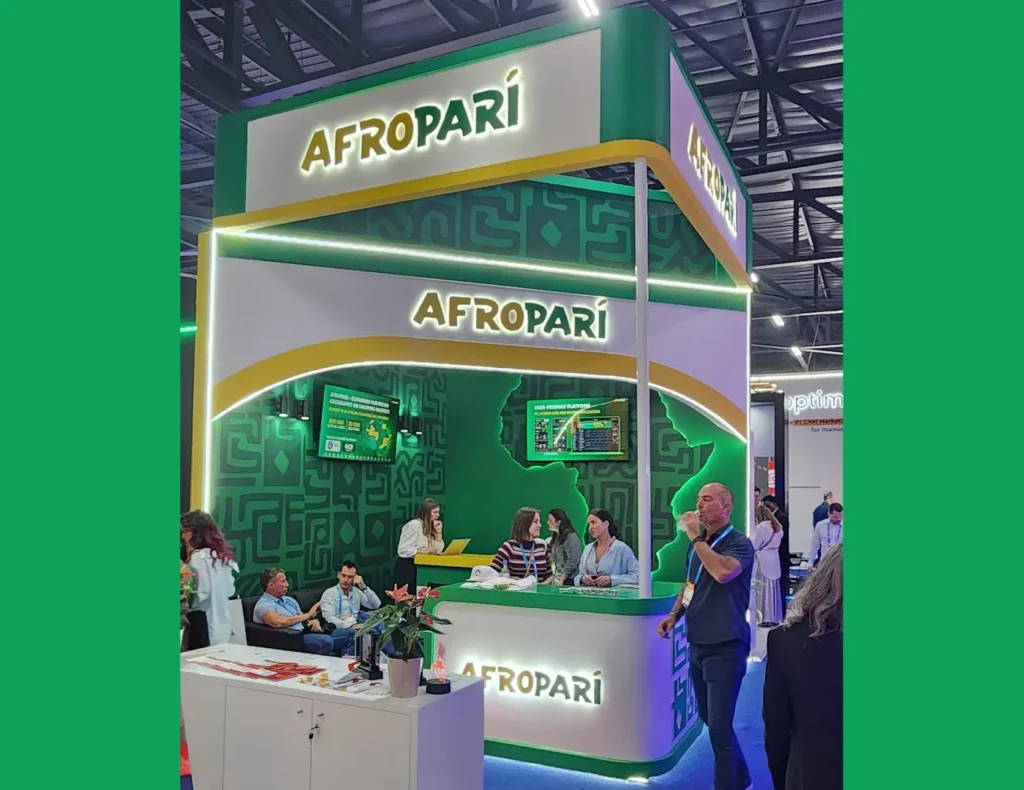
Trade show AV production covers the audio, video, lighting, rigging, and control systems that support general sessions, exhibit presentations, product demos, and sponsor activations. At Phoenix Convention Center, the North Building's eleven exhibit halls and fifty-six meeting rooms each carry distinct power grids, internet trunks, and rigging capacity. Show-floor presentations in a 20×20 island booth require different planning than a breakout session in a hotel ballroom at Omni Tempe Hotel at ASU or a keynote in the 2,300-seat performance hall.
Jurisdiction splits between house services, the official show contractor, and exhibitor-appointed contractors (EACs). House AV may control permanent rigging points and distributed audio in certain halls, the official contractor typically manages general session production and show-office support, and EACs deliver custom solutions for individual exhibitors. Understanding who owns which layer prevents double-booking power drops, duplicating internet circuits, and missing advance-order deadlines that close thirty to forty-five days before move-in.
The work follows the planning rhythm for AV production at Tempe-area shows, with Phoenix Convention Center as the anchor venue and hotel ballroom programs at Talking Stick Resort and The Westin Tempe as secondary contexts. The project plan should turn venue rules, freight deadlines, labor windows, and exhibitor goals into a workable show schedule.
AV Production Planning Priorities
- Advance orders close thirty to forty-five days before move-in at Phoenix Convention Center; missing the window pushes AV requests to show-site rates that can double or triple base pricing
- Rigging capacity varies by hall and venue: Phoenix Convention Center's North Building offers permanent rigging points in select halls, while hotel ballrooms at Omni Tempe Hotel at ASU require ground-supported truss and weight-load approvals
- Power calculations must account for amplifiers, LED walls, projectors, and control systems; a 10×20 video wall with integrated audio may pull 40–60 amps, requiring dedicated circuits coordinated through the venue's electrical service
- Internet connectivity planning includes hardline drops, Wi-Fi density, and failover paths; semiconductor and software exhibitors at Phoenix Convention Center often require dual circuits with separate physical paths for live-demo redundancy
- Freight coordination between AV cases, booth components, and drayage prevents dock congestion; a 30×30 island booth with LED wall integration may generate twelve to eighteen cases that must be sequenced to avoid blocking electricians or riggers
Advance Planning and Jurisdiction Mapping
Phoenix Convention Center's official contractor handles general session production, awards ceremonies, and keynote presentations in the performance hall and larger ballrooms. Exhibitor-appointed contractors deliver custom AV for individual booths, breakout sessions, and sponsor activations. House services control permanent audio distribution in select halls and manage rigging-point access where fixed infrastructure exists. Mapping these boundaries before signing a production contract prevents duplicate charges and ensures the right vendor owns each deliverable.
Advance-order deadlines close thirty to forty-five days before move-in. Orders placed after the cutoff move to show-site rates, which typically add fifty to one hundred percent to base pricing for labor, equipment rental, and installation. Exhibitors running product launches or live demonstrations at WestWorld of Scottsdale or Arizona State Fairgrounds face similar windows. Submitting AV orders alongside booth graphics, electrical service, and internet requests keeps all deadlines aligned and avoids last-minute escalations.
The official show manual specifies which services fall under exclusive contracts and which allow EAC participation. Some shows require all rigging, power distribution above a certain amperage threshold, or permanent audio tie-ins to flow through the official contractor. Reading the manual's jurisdiction section and cross-referencing it with the venue's house-services rules prevents compliance issues that can delay installation or trigger penalty fees during move-in.
- Request the show manual and venue services guide sixty to ninety days before the event to identify exclusive-service boundaries and advance-order windows
- Confirm rigging jurisdiction early: some venues allow EAC rigging with engineering approval, others require all overhead work to flow through house services or the official contractor
- Build a jurisdiction map that assigns each AV component (audio, video, lighting, rigging, control systems) to the correct vendor and tracks the corresponding deadline
Power and Electrical Coordination
AV systems consume substantial power. A 10×20 LED wall with integrated sound may pull 40–60 amps, a projector and screen setup with distributed audio may require 20–30 amps, and a live-demo station with monitors, computers, and lighting adds another 15–25 amps. Phoenix Convention Center's North Building offers floor-box access in certain halls, but most exhibitors order dedicated circuits through the venue's electrical contractor. Orders placed after the advance deadline incur premium rates and may face capacity constraints if the hall's grid is already allocated.
Calculate total load by listing every AV component, checking manufacturer spec sheets for amperage draw, and adding a fifteen to twenty percent safety margin for surge protection and redundancy. Semiconductor exhibitors at Phoenix Convention Center often run compute-intensive demos that require dedicated 208V circuits, separate from standard booth lighting or HVAC. Confirming voltage requirements and circuit type (single-phase vs three-phase) during the advance-order window prevents last-minute scrambles for step-down transformers or additional panels.
Hotel ballrooms at Omni Tempe Hotel at ASU and Talking Stick Resort carry lower base capacity than convention-center exhibit halls. A breakout session with projection, microphones, and laptop connectivity may operate within the room's house power, but adding LED accent lighting, video confidence monitors, or amplified background music often requires supplemental circuits ordered through the hotel's AV or electrical service. Verifying capacity and ordering supplemental power at least thirty days before move-in keeps installation on schedule.
- List every AV device with its amperage draw, then add fifteen to twenty percent to calculate total circuit requirements and avoid tripping breakers during setup or show hours
- Order electrical service at the same time as AV equipment rental to lock pricing and ensure the venue's electrical contractor schedules installation before your AV crew arrives
- Confirm voltage and circuit type for specialty equipment such as LED walls, high-output projectors, or compute servers; mismatched voltage can delay installation by hours or days
Rigging, Truss, and Weight-Load Approvals
Rigging overhead components such as LED walls, banner frames, lighting grids, or projection screens requires engineering approval at most venues. Phoenix Convention Center's North Building offers permanent rigging points in certain halls, and house services may require all overhead work to flow through their crew or an approved rigging vendor. WestWorld of Scottsdale's indoor spaces (Equidome, Monterra) have distinct ceiling heights and load capacities, and exhibitors must submit engineering drawings and weight calculations for approval before move-in.
Ground-supported truss is the fallback when permanent rigging is unavailable or when the show manual prohibits overhead suspension. A 20×20 island booth with a suspended LED wall may instead use a freestanding truss system anchored to the floor, which eliminates rigging-point approvals but increases freight volume and floor-space requirements. Truss bases, cross-bracing, and safety cabling add weight and case count, so freight coordination must account for both the display components and the support structure.
Hotel ballrooms rarely allow ceiling rigging. Breakout sessions at The Westin Tempe or Tempe Mission Palms that require projection screens, lighting, or signage overhead rely on ground-supported pipe-and-drape frames or freestanding truss. These systems require adequate floor clearance and do not interfere with sprinkler heads, exit signage, or HVAC vents. Submitting a floor plan with rigging elevations to the hotel's event-services team at least three weeks before the event prevents setup delays and ensures compliance with fire-code clearances.
- Request the venue's rigging manual and load-capacity chart during advance planning; submit engineering drawings and weight calculations at least thirty days before move-in for approval
- Verify whether the venue allows EAC rigging or requires all overhead work to flow through house services; some facilities mandate certified riggers with venue-specific training
- Plan ground-supported truss as a fallback for hotel ballrooms or venues with restrictive rigging policies; confirm floor-load capacity and clearance heights before finalizing the design
Internet Connectivity and Network Infrastructure
Exhibitors running live product demos, video conferencing, cloud-based applications, or real-time data visualizations require reliable internet connectivity. Phoenix Convention Center offers hardline drops (wired Ethernet), Wi-Fi service, and redundant circuits for mission-critical applications. Semiconductor and software companies often order dual circuits with separate physical paths to ensure failover if one line drops. Ordering connectivity through the advance-order window locks pricing and reserves bandwidth; waiting until show-site means competing for limited capacity and paying premium rates.
Wi-Fi density becomes a constraint when hundreds of exhibitors and thousands of attendees connect simultaneously. A 30×30 island booth with multiple demo stations may require a dedicated access point to maintain consistent throughput. The official contractor's standard Wi-Fi package may serve light browsing and email, but high-bandwidth applications such as video streaming, large file downloads, or VR demos often require hardline drops or upgraded wireless plans with guaranteed minimum speeds.
Hotel ballroom programs at Talking Stick Resort and Omni Tempe Hotel at ASU offer in-house internet service, but exhibitors with specialized needs may bring their own connectivity solutions. A breakout session with live polling software, presenter video feeds, and attendee screen mirroring may exceed the hotel's base Wi-Fi allocation. Ordering a dedicated circuit or supplemental access points through the hotel's AV or IT team at least three weeks before the event prevents connectivity failures during presentations.
- Calculate bandwidth requirements by listing every device, estimating concurrent usage, and adding a buffer for peak activity; then order connectivity at advance rates to lock pricing and capacity
- Request dual circuits with separate physical paths for mission-critical demos; confirm failover configuration with the venue's network team before move-in begins
- Test connectivity during setup, not on show day; run bandwidth tests, verify latency, and confirm that firewalls or VPNs do not block required ports or protocols
Freight Coordination and Case Sequencing
AV production generates substantial freight volume. A 20×20 island booth with a 10×20 LED wall, integrated audio, and control systems may ship twelve to eighteen cases, each weighing 100–300 pounds. Phoenix Convention Center's twenty climate-controlled loading docks handle inbound freight during designated move-in windows, and drayage contractors sequence deliveries based on exhibitor badge scans and freight manifests. Cases arriving out of sequence or without proper labeling can sit on the dock for hours, delaying AV installation and blocking electricians or riggers who need access to the booth.
Coordinating AV freight with booth components, graphics, and rental furniture requires a shared timeline. If the booth structure arrives Tuesday morning but the LED wall cases do not clear the dock until Wednesday afternoon, the installation crew loses a full day of setup time. Working with the drayage contractor to assign priority labels or advance-move windows for time-sensitive AV equipment keeps installation on schedule. Some exhibitors pre-ship AV cases to the official contractor's warehouse or a local logistics provider, then coordinate a consolidated delivery to the show floor on a specific day and time.
Hotel ballroom programs operate on tighter timelines. A breakout session at The Westin Tempe or Embassy Suites by Hilton Phoenix Tempe may have only a four-to-six-hour setup window before the room opens. AV cases must arrive on-site, clear hotel receiving, and move to the function space in time for the crew to install, test, and strike before the first attendee arrives. Confirming the hotel's receiving hours, elevator access, and dock-to-function-space routing at least two weeks before the event prevents last-minute delays.
- Label AV cases with booth number, show name, delivery date, and priority flags; share the freight manifest with the drayage contractor and AV crew to ensure correct sequencing
- Coordinate with the booth fabricator, graphics vendor, and rental provider to align delivery windows; AV installation often depends on booth structure completion and electrical rough-in
- Pre-ship time-sensitive AV equipment to the official contractor's warehouse or a local logistics partner if the show allows; this reduces dock congestion and gives the installation crew control over delivery timing
Frequently Asked Questions
When do AV advance-order deadlines close for Phoenix Convention Center shows?
Most shows close advance orders thirty to forty-five days before move-in. After the deadline, requests move to show-site rates, which typically add fifty to one hundred percent to base pricing for equipment rental, labor, and installation. Submitting orders early locks pricing and ensures equipment availability.
Who handles rigging at Phoenix Convention Center, and can an exhibitor-appointed contractor install overhead components?
Phoenix Convention Center's North Building has permanent rigging points in select halls, and house services may require all overhead work to flow through their crew or an approved vendor. Some shows allow EAC rigging with engineering approval and proof of insurance. Check the show manual's jurisdiction section and the venue's rigging policy before finalizing the AV design.
How much power does a typical LED wall and audio system require?
A 10×20 LED wall with integrated sound may pull 40–60 amps, depending on panel brightness, resolution, and amplifier output. Adding lighting, control systems, and demo stations increases the load. Calculate total amperage by reviewing manufacturer spec sheets, then add fifteen to twenty percent for surge protection and redundancy.
What internet options are available at Phoenix Convention Center, and when should an exhibitor order connectivity?
Phoenix Convention Center offers hardline Ethernet drops, Wi-Fi service, and redundant circuits for mission-critical applications. Ordering during the advance window locks pricing and reserves bandwidth. Exhibitors running live demos or cloud-based applications should request dual circuits with separate physical paths for failover redundancy.
How do hotel ballroom AV setups differ from convention-center exhibit-floor installations?
Hotel ballrooms at Omni Tempe Hotel at ASU, Talking Stick Resort, and The Westin Tempe have lower base power capacity, no permanent rigging, and shorter setup windows than convention-center halls. Breakout sessions require ground-supported truss or pipe-and-drape frames for overhead components, supplemental circuits for amplified audio or video, and advance coordination with the hotel's event-services team to confirm receiving hours and elevator access.