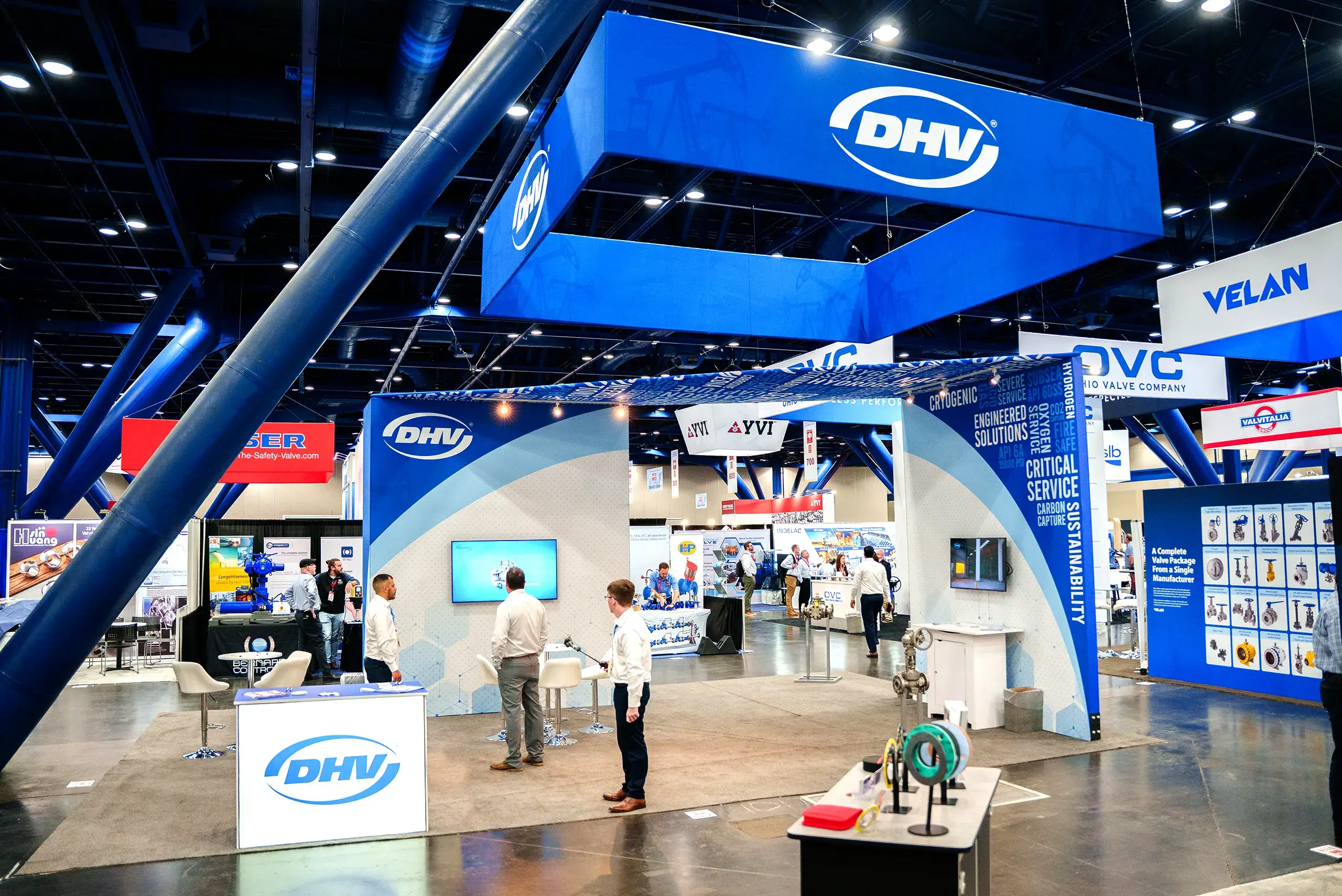
Rental exhibit booths serve exhibitors who need a turnkey booth for one show without committing to ownership or storage. A rental package typically includes the booth structure, graphics, lighting, and sometimes furniture. The exhibitor pays a rental fee that covers delivery, setup, show time, and strike. Once the show closes, the booth returns to the rental house. This model works when exhibit frequency is low or when budget predictability matters more than asset ownership.
Phoenix Convention Center, WestWorld of Scottsdale, and Mesa Convention Center host shows where rental booths appear. Phoenix Convention Center runs the largest concentration, with 635,000 square feet of exhibit halls supporting citywide conventions. WestWorld handles equestrian shows and consumer festivals across the Equidome and Monterra buildings. Rental booth orders follow advance deadlines published in each show's exhibitor services manual, and late orders typically incur expedite fees or go unfilled if rental inventory is committed elsewhere.
Strong planning covers rental booth planning for Tempe-area shows. The project plan should turn venue rules, freight deadlines, labor windows, and exhibitor goals into a workable show schedule. The focus is on what an exhibitor needs to verify before signing a rental agreement, how rental deadlines align with show schedules, and what freight and electrical coordination looks like when the booth is delivered by a rental house. Named entities from official venue guides anchor the examples.
Rental exhibit booth planning variables for Phoenix-area shows
- Phoenix Convention Center rental booth orders follow advance deadlines in the show manual, typically thirty to forty-five days before move-in, with late orders subject to surcharges or inventory constraints if the rental house has committed stock to overlapping events
- WestWorld of Scottsdale rental booths for consumer shows and equestrian expos scale to fit the Equidome and Monterra spaces, and freight delivery times depend on whether the rental house ships from metro Phoenix or from out-of-state inventory yards
- Mesa Convention Center and Omni Tempe Hotel at ASU rental booth planning for smaller footprint conferences requires confirming that the rental package includes furniture, graphics, and lighting suitable for the 19,000 square feet of exhibit area at Mesa or the 36,000 square feet of meeting space at the Omni
- Rental booth electrical and AV orders go through the same official show contractor channels as custom exhibits, so an exhibitor renting a booth still places separate service orders for power drops, internet, and rigging if the show manual assigns those services to the general contractor instead of bundling them into the rental fee
- Rental booth strike and return logistics require coordination with the official show contractor's outbound freight schedule, because the rental house needs dock access during designated strike windows and any delay can trigger detention fees or push the booth return into the next billing cycle
Rental booth scope and what the rental fee covers
A rental booth package includes the booth structure, graphics, and typically overhead lighting. The rental house provides the hardware and graphics, while the exhibitor provides booth content like product samples and demo units. The rental fee covers delivery, setup, and strike. The booth returns to the rental house's warehouse after the show, and the exhibitor does not store or refurbish components between events.
Some rental agreements include furniture like counters and seating, while other agreements charge separately for furniture or AV racks. A rental booth quote that says it includes lighting might mean one overhead LED bar or a full set of spotlights. The difference matters at Phoenix Convention Center under high-ceiling exhibit halls where ambient light is low and booth visibility depends on adequate task lighting.
Electrical service, internet, and rigging are almost never included in the rental booth fee. The exhibitor places those orders directly with the official show contractor named in the exhibitor services manual. At Phoenix Convention Center, the official contractor handles all electrical orders, and the exhibitor submits the power request based on total amperage the rental booth will draw once all lights, monitors, and demo units are plugged in.
- Rental booth structure and graphics are included in the rental fee, but furniture, AV fixtures, and specialized display hardware may be add-on line items that increase the total cost by fifteen to thirty percent
- Lighting included in a rental package typically covers overhead ambient lighting, while task lighting for product displays or high-visibility branding may require additional fixtures ordered separately from the rental house or from a local AV provider
- Electrical service orders go to the official show contractor listed in the show manual, not to the rental house, and the exhibitor is responsible for calculating total amperage and submitting the order by the advance deadline to avoid surcharges
- Rental booth installation labor can be handled by the rental house's crew, by the exhibitor's crew, or by a third-party EAC, depending on what the rental agreement specifies and what the venue's union jurisdiction requires
Advance order deadlines and rental inventory allocation
Rental houses manage finite inventory. A rental booth ordered for Phoenix Convention Center in late February might come from the same pool that serves WestWorld of Scottsdale in early March. That constraint is why rental booth orders follow strict advance deadlines. The show manual publishes the advance order date, typically thirty to forty-five days before move-in, and orders placed after that date are subject to inventory availability and expedite fees.
An exhibitor who signs a rental agreement two weeks before move-in might find the preferred booth configuration is committed to another show. Late orders also compress the timeline for graphics production. A rental booth with custom-printed fabric panels needs artwork approval, printing, and fabric stretching. If the rental house receives final artwork one week before move-in, the graphics might ship separately and arrive after the booth frame is installed, requiring a second install visit.
Some rental houses maintain local inventory yards in the Phoenix metro, while others ship from Las Vegas or Dallas. An exhibitor ordering a rental booth for Mesa Convention Center should confirm where the booth ships from and what the freight lead time is. A booth shipping from Las Vegas to Phoenix might travel overnight on I-11 and arrive within forty-eight hours, while a booth shipping from Dallas requires a longer transit window.
- Phoenix Convention Center rental booth advance orders typically close thirty to forty-five days before move-in, and late orders face expedite fees or inventory shortages if the rental house has committed stock to overlapping shows
- Rental booth graphics production requires artwork approval and printing lead time, so an exhibitor submitting final artwork less than two weeks before move-in should expect either expedite fees or the possibility that graphics ship separately and arrive after the booth frame is installed
- Rental houses with Phoenix metro inventory yards can deliver booths to WestWorld of Scottsdale or Phoenix Convention Center faster than rental houses shipping from Las Vegas or Dallas, and the freight lead time affects whether a late order can still meet the show's load-in schedule
Freight delivery and dock coordination at Phoenix-area venues
Rental booth freight arrives during the show's designated load-in window. Phoenix Convention Center has twenty climate-controlled loading docks, and the official show contractor publishes a dock schedule that assigns time slots. The rental house receives a dock appointment and delivers the booth crates to the assigned dock. If the rental house misses its dock appointment, it waits for the next available slot, which can add hours to the delivery timeline.
WestWorld of Scottsdale handles outdoor and indoor event spaces, and freight delivery patterns vary by venue. The Equidome and Monterra buildings have loading areas, but consumer shows sometimes use temporary tents where freight delivery happens via box truck directly to the setup area. The rental house confirms the delivery location with the show management team before dispatch.
Mesa Convention Center and hotel ballroom programs at Omni Tempe Hotel at ASU have smaller freight access points. A rental booth shipping to the 19,000 square feet of exhibit area at Mesa Convention Center typically arrives in a box truck, and the rental house coordinates delivery with the venue's facility team. Hotel ballroom freight delivery follows tighter constraints because hotel loading docks serve banquet operations and kitchen deliveries in addition to event freight.
- Phoenix Convention Center's twenty climate-controlled loading docks operate on a scheduled appointment system during load-in, and a rental house that misses its dock slot waits for the next available opening, which can delay booth setup by several hours
- WestWorld of Scottsdale freight delivery locations vary by event type, with indoor shows using the Equidome and Monterra docks and outdoor shows requiring box truck or flatbed delivery directly to temporary tent or corral setups
- Mesa Convention Center and hotel ballroom rental booth deliveries require advance coordination with the venue's facility or event services team to secure dock access and freight elevator availability during narrow delivery windows shared with other hotel operations
Electrical, AV, and rigging service orders for rental booths
A rental booth uses electricity and internet just like a custom booth. The rental house delivers the booth with wiring channels and conduit, but the exhibitor orders electrical service from the official show contractor. At Phoenix Convention Center, the official contractor handles all power drops and internet connections. The exhibitor calculates total amperage by adding up the wattage of all lights, monitors, and demo units, then submits the electrical order. A rental booth with six LED spotlights, two monitors, and a demo unit might draw twelve to fifteen amps total, so the exhibitor orders a twenty-amp service drop to avoid tripping the breaker.
Rigging comes into play when the rental booth includes a hanging sign or overhead banners. The rental house specifies rigging points and load weight in the booth plan, and the exhibitor submits the rigging order to the official show contractor. Phoenix Convention Center's exhibit halls have steel grid ceilings with certified rigging points. A rental booth with a sixteen-foot hanging sign might require four rigging points and a total load weight of two hundred fifty pounds.
Internet service is ordered separately for each booth. The exhibitor submits an internet order to the official show contractor, specifying wired Ethernet or wireless access and bandwidth requirements. A rental booth with one lead-capture tablet might need a single wired Ethernet connection with ten-megabit service, while a booth running live video streaming might need fifty-megabit service or higher.
- Electrical service orders for rental booths at Phoenix Convention Center go to the official show contractor, and the exhibitor calculates total amperage by adding the wattage of all lights, monitors, and demo units and converting to amps to size the service drop correctly
- Rigging orders for rental booths with hanging signs or overhead banners specify load weight, rigging points, and hang height, and the official show contractor reviews the request to confirm it meets the venue's clearance and load limits before scheduling the rigging crew
- Internet service is not included in the rental booth fee, and the exhibitor orders wired Ethernet or wireless access from the official show contractor based on bandwidth needs for lead capture, video streaming, or cloud-based demo applications
Strike logistics and rental booth return freight
After the show closes, the rental house retrieves the booth. Strike follows the same dock schedule as load-in, but in reverse. The official show contractor publishes a strike window, and the rental house schedules a dock appointment. The install crew disassembles the booth, packs components into crates, and moves them to the marshaling area. The rental house's truck loads the crates and transports the booth back to the warehouse. If the rental house misses the strike dock appointment, the booth waits for the next available slot, which can trigger venue detention fees.
Rental booth return freight timing affects the rental house's ability to redeploy the booth. A booth that strikes Sunday evening and ships overnight to the Phoenix metro yard arrives Monday morning, giving time to inspect and refurbish before the next event. A booth that strikes late Sunday night and does not leave until Monday afternoon might not arrive until Tuesday, which compresses the turnaround window if the booth is scheduled for another show that week.
Hotel ballroom rental booth strikes at Omni Tempe Hotel at ASU follow shorter strike windows because hotel venues need the ballroom space back quickly. A conference that closes at 5 PM on Friday might have a strike deadline of 10 PM, leaving four hours to disassemble the booth, pack the crates, and clear the loading dock. Any delay risks late fees from the hotel or a rushed pack-out that damages components.
- Rental booth strike at Phoenix Convention Center follows the official show contractor's dock schedule, and a rental house that misses its dock appointment waits for the next slot, which can trigger venue detention fees or delay the booth's return to inventory
- Rental booth return freight timing affects the rental house's ability to refurbish and redeploy the booth for the next show, so a booth that strikes late Sunday night and does not ship until Monday afternoon may miss its next event or arrive without completed refurbishment
- Hotel ballroom rental booth strikes at Omni Tempe Hotel at ASU and The Westin Tempe follow tight deadlines because the venue needs the ballroom space back quickly, and a strike window of four hours or less requires the rental house to schedule an experienced crew and plan the disassembly sequence in advance to avoid late fees or damage
Rental exhibit booth planning questions
What is the typical advance order deadline for a rental booth at Phoenix Convention Center, and what happens if I order late?
The advance order deadline for a rental booth at Phoenix Convention Center is usually thirty to forty-five days before move-in, as published in the show's exhibitor services manual. If you order after that deadline, the rental house may have already committed its inventory to another show, so you might receive an alternative booth configuration or a smaller footprint. Late orders also incur expedite fees and compress the timeline for graphics production, which can result in graphics shipping separately and arriving after the booth frame is installed.
Does the rental booth fee include electrical service, internet, and rigging?
No, the rental booth fee typically covers only the booth structure, graphics, lighting, and sometimes furniture. Electrical service, internet, and rigging are ordered separately from the official show contractor listed in the exhibitor services manual. You calculate the total amperage your booth will draw, submit an electrical order, and place rigging and internet orders based on your booth plan. At Phoenix Convention Center, the official contractor handles all these services, and you pay for them in addition to the rental fee.
How does freight delivery work for a rental booth at WestWorld of Scottsdale?
Rental booth freight delivery at WestWorld of Scottsdale depends on whether your show uses the Equidome, Monterra, or outdoor event spaces. Indoor shows use the dock areas at the Equidome and Monterra buildings, and the rental house schedules a delivery appointment with the show management team. Outdoor shows may require box truck or flatbed delivery directly to the setup area, and the rental house confirms the exact delivery location before dispatch. The freight delivery window is published in the show manual, and the rental house coordinates with the official show contractor to ensure dock access during load-in.
What happens during rental booth strike, and what do I need to coordinate?
During strike, the rental booth is disassembled, packed into crates, and moved to the marshaling area for pickup. The rental house schedules a dock appointment with the official show contractor, and the booth is loaded onto the rental house's truck for return to the warehouse. You or your install crew handle the disassembly and pack-out, and the rental house coordinates the freight pickup. If the rental house misses the dock appointment, the booth waits for the next available slot, which can delay return freight and trigger venue detention fees. At hotel ballrooms, strike deadlines are tight, sometimes only a few hours after the show closes, so the rental house needs to plan carefully to meet the venue's schedule.
Can I use a rental booth at multiple Phoenix-area shows, or do I need a new rental agreement for each event?
You can use a rental booth at multiple shows if you sign a multi-show rental agreement with the rental house. Some rental houses offer discounted rates for multi-show commitments, and the booth is stored at the rental house's warehouse between events rather than being refurbished and redeployed to other customers. However, each show still requires separate freight delivery, setup, and strike coordination, and you pay the rental fee for each show plus any customization or graphics updates. If your show schedule is irregular or your booth footprint changes between events, you might prefer single-show rentals to avoid paying for storage or unused inventory.