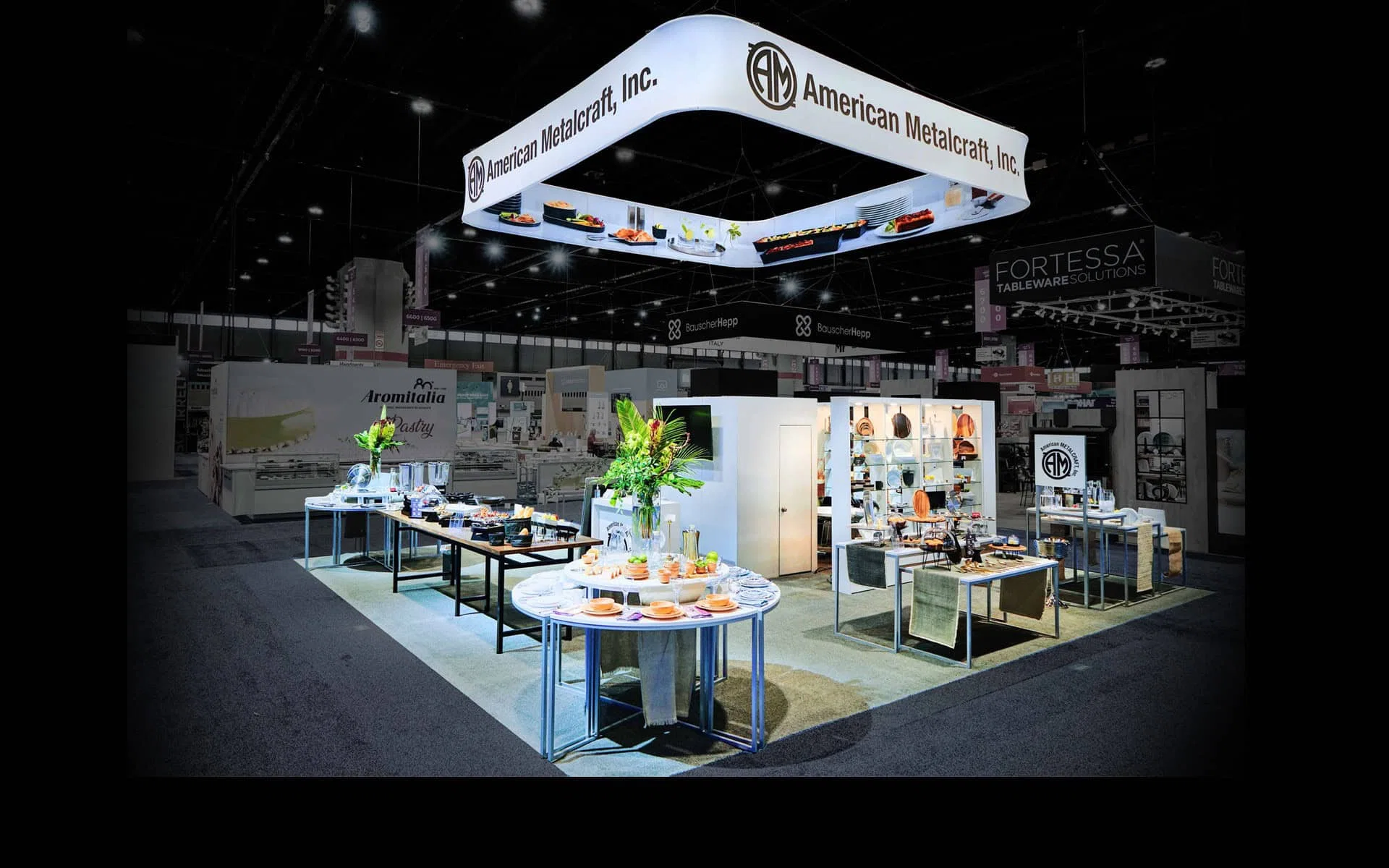
Strong planning covers industrial trade show planning in the Tempe and Greater Phoenix market. The project plan should turn venue rules, freight deadlines, labor windows, and exhibitor goals into a workable show schedule. The content pulls from official venue facts, metro demand drivers documented by GPEC, and the broader event calendar across Phoenix Convention Center, WestWorld, Mesa Convention Center, and Tempe hotel properties.
The industrial vertical includes advanced manufacturing, aerospace and defense, automation, semiconductor tooling, climate technology, and logistics-focused events. These shows range from citywide expos at Phoenix Convention Center's 635,000-square-foot North Building to niche supplier showcases in Talking Stick Resort ballrooms and tabletop programs at Omni Tempe Hotel at ASU.
Planning for industrial events means coordinating around load-in sequences at multi-hall venues, freight access through Sky Harbor (five miles from downtown Tempe), and jurisdictional questions about rigging, electrical capacity, and union labor at convention centers versus non-union ballroom properties. The research here identifies where industrial events land in the metro and what planners need to verify before signing an advance order.
Industrial Show Planning Priorities
- Phoenix Convention Center North Building freight access through 20 climate-controlled loading docks and how that dock schedule coordinates with multi-day industrial install deadlines
- WestWorld of Scottsdale campus layout across the Equidome and outdoor exhibit yards for equipment demonstrations, heavy machinery showcases, and manufacturer rollouts
- Advanced manufacturing and aerospace demand drivers documented by GPEC and how those sectors map to Greater Phoenix venue selection and supplier booth participation
- Hotel ballroom programs at Omni Tempe, Talking Stick Resort, and JW Marriott Phoenix Desert Ridge for tabletop supplier events and breakout sessions tied to larger convention-center shows
- Freight routing from Sky Harbor into downtown Tempe, Mesa Convention Center's 19,000-square-foot exhibit hall, and Scottsdale venues during peak move-in windows
Industrial Event Formats and Venue Fit
Industrial trade shows in the Greater Phoenix market split between large-footprint expos at Phoenix Convention Center and WestWorld of Scottsdale, mid-sized programs at Mesa Convention Center, and supplier-focused tabletop events in hotel ballrooms. Phoenix Convention Center's North Building offers 635,000 square feet of meeting and exhibition space across 11 exhibit halls, with 20 climate-controlled loading docks that handle heavy machinery, automation equipment, and crated tooling. WestWorld provides outdoor exhibit yards and the Equidome for equipment demonstrations and live industrial showcases where booth footprints exceed what climate-controlled halls can accommodate.
Hotel ballroom programs at Omni Tempe Hotel at ASU (36,000 square feet of meeting space across seven rooms), Talking Stick Resort, and JW Marriott Phoenix Desert Ridge support breakout sessions, supplier showcases, and tabletop formats where booth counts run below fifty and the emphasis shifts to one-on-one meetings rather than floor-traffic conversion. Mesa Convention Center's 19,000-square-foot exhibit area handles regional industrial events where the exhibitor base originates in the East Valley or when the show organizer prefers a downtown Mesa footprint over the Phoenix core.
Venue selection for industrial events depends on booth count, equipment weight, rigging requirements, and whether the show includes live demonstrations. A semiconductor tooling expo with thirty booths and minimal AV fits Mesa Convention Center or a Tempe hotel ballroom. An aerospace supplier showcase with heavy floor-load requirements and overhead rigging moves to Phoenix Convention Center or WestWorld. The advance planning question is whether the venue's dock schedule, floor-load rating, and rigging grid match the booth program before signing the venue contract.
- Phoenix Convention Center North Building with 11 exhibit halls and 635,000 square feet handles citywide industrial expos requiring dock access and multi-day install windows
- WestWorld of Scottsdale outdoor exhibit yards and Equidome accommodate equipment demonstrations, heavy machinery, and booth footprints exceeding standard hall dimensions
- Mesa Convention Center's 19,000-square-foot exhibit hall and downtown location serve regional industrial events with East Valley exhibitor bases
- Hotel ballroom programs at Omni Tempe, Talking Stick Resort, and JW Marriott Phoenix Desert Ridge fit tabletop supplier events and breakout sessions under fifty booths
Greater Phoenix Industrial Demand Drivers
GPEC identifies advanced manufacturing, aerospace and defense, semiconductors, climate technology, and autonomous and electric vehicles as documented demand drivers in the Greater Phoenix economy. These sectors translate directly into industrial trade show demand because exhibitors, suppliers, and OEMs based in the metro participate in national events and run regional supplier showcases tied to local production schedules and contract cycles.
Aerospace and defense programs anchor at Phoenix Convention Center when the booth count exceeds two hundred or when the show organizer requires a citywide hotel block. Smaller aerospace supplier showcases move to WestWorld or Talking Stick Resort when the emphasis shifts to tabletop formats and hospitality rather than floor-traffic demos. Semiconductor tooling events and climate technology rollouts often run in hotel ballrooms near ASU when the exhibitor base includes university research partnerships or when the show timing coincides with campus recruiting cycles.
The industrial event calendar in Greater Phoenix reflects these demand drivers. Planning for an industrial show means identifying which sector the exhibitor base represents, whether the event requires Phoenix Convention Center's multi-hall footprint or fits a Tempe hotel ballroom, and how freight timing from Sky Harbor coordinates with the venue's dock schedule and move-in deadlines.
- Advanced manufacturing, aerospace and defense, semiconductors, and climate technology documented by GPEC as metro demand drivers with direct trade show relevance
- Aerospace supplier showcases split between Phoenix Convention Center for citywide programs and Talking Stick Resort or WestWorld for tabletop and hospitality formats
- Semiconductor and climate technology events anchor near ASU when exhibitor base includes university partnerships or campus recruiting cycles
- Industrial event planning starts with identifying sector demand driver and matching booth count and freight requirements to venue footprint and dock access
Freight Coordination and Dock Scheduling
Industrial events generate higher freight volume and heavier crated shipments than most trade show formats. Phoenix Convention Center's 20 climate-controlled loading docks coordinate advance freight delivery through a house services contractor and official show contractor workflow, where the dock schedule is published in the exhibitor service manual and freight delivery windows tie to move-in start times. Exhibitors shipping machinery, automation equipment, or large-format tooling coordinate pallet counts and weight with the show contractor to reserve dock slots and confirm floor-load ratings before the freight leaves the origin warehouse.
Sky Harbor sits five miles from downtown Tempe, which makes air freight coordination practical for time-sensitive shipments or international exhibitors flying in demonstration equipment. Ground freight from Southern California or the Southwest corridor routes through I-10 into downtown Phoenix or through Loop 101 into Scottsdale and Mesa. WestWorld of Scottsdale handles outdoor equipment delivery through open yard access, which simplifies oversized machinery moves that would require special permitting at enclosed convention halls.
Mesa Convention Center's downtown location and 19,000-square-foot exhibit footprint mean freight coordination runs lighter than Phoenix Convention Center but still requires advance dock scheduling and coordination with the house services team. Hotel ballroom programs at Omni Tempe or Talking Stick Resort handle tabletop freight through loading zones rather than dedicated docks, so exhibitors shipping more than two pallets need to confirm delivery timing and storage with the hotel's event services coordinator before the advance order deadline.
- Phoenix Convention Center's 20 climate-controlled loading docks operate through advance dock scheduling published in the exhibitor service manual with move-in window coordination
- Sky Harbor air freight access five miles from downtown Tempe supports international exhibitors and time-sensitive demonstration equipment shipments
- WestWorld outdoor yard access simplifies oversized machinery delivery and eliminates enclosed-hall permitting requirements for heavy equipment showcases
- Hotel ballroom freight at Omni Tempe and Talking Stick Resort routes through loading zones rather than dedicated docks and requires advance coordination for multi-pallet shipments
Jurisdictional Questions and Labor Workflows
Industrial events at Phoenix Convention Center operate under union labor jurisdiction for rigging, electrical installation beyond booth-contained circuits, and freight handling beyond exhibitor hand-carry limits. The official show contractor coordinates labor through the house services agreement and publishes jurisdictional guidelines in the exhibitor service manual. Exhibitors running custom booth builds or equipment demonstrations with overhead rigging need to verify labor workflows and timelines with the show contractor before finalizing booth design and ordering services.
Hotel ballroom programs at Omni Tempe, Talking Stick Resort, and JW Marriott Phoenix Desert Ridge typically operate under non-union labor jurisdiction, which means exhibitors can handle booth setup and breakdown without hiring union labor for standard tabletop configurations. WestWorld and Arizona State Fairgrounds labor jurisdiction varies by event contract and venue agreements, so planners coordinating industrial showcases at these venues confirm labor rules during the venue RFP process rather than assuming non-union workflows.
Mesa Convention Center labor jurisdiction follows house services agreements published by Visit Mesa, and exhibitors should verify electrical, rigging, and freight-handling workflows with the venue's event coordinator during advance planning. The jurisdictional distinction matters because it affects booth-installation timelines, labor costs, and whether exhibitor-appointed contractors can perform electrical or rigging work without hiring union labor through the official show contractor.
- Phoenix Convention Center operates under union labor jurisdiction for rigging, electrical beyond booth circuits, and freight handling with workflows published in the exhibitor service manual
- Hotel ballroom programs at Omni Tempe, Talking Stick Resort, and JW Marriott Phoenix Desert Ridge typically allow non-union exhibitor-handled setups for standard tabletop configurations
- WestWorld and Arizona State Fairgrounds labor jurisdiction varies by event contract and requires confirmation during venue RFP rather than assuming non-union workflows
- Mesa Convention Center labor workflows follow house services agreements and require exhibitor verification with the venue event coordinator during advance planning
Compliance and Safety Requirements for Industrial Exhibits
Industrial trade shows often include live equipment demonstrations, pressurized systems, chemical samples, or automation machinery that trigger venue safety protocols and local permitting requirements. Phoenix Convention Center publishes safety and compliance guidelines in the exhibitor service manual, covering booth-contained demonstrations, electrical load limits, fire suppression requirements, and hazardous material restrictions. Exhibitors planning live machinery demos or chemical showcases coordinate with the show contractor and venue fire marshal during the advance planning phase to confirm permitting timelines and operational restrictions.
WestWorld's outdoor exhibit yards allow equipment demonstrations that would require special permitting in enclosed halls, but exhibitors still need to verify noise limits, fuel storage restrictions, and crowd-control barriers with the venue before the move-in date. Hotel ballroom programs restrict live demonstrations to tabletop formats without pressurized systems or open flames, and exhibitors proposing anything beyond static displays should confirm operational limits with the hotel event services team before signing the advance order.
Aerospace and defense exhibitors showcasing restricted technology or ITAR-controlled components coordinate badge access, exhibit-floor security, and controlled-area protocols with the show organizer and venue security teams. Mesa Convention Center and Tempe hotel properties handle compliance coordination through the event services team, and planners should verify security workflows and access-control requirements during the venue RFP process rather than waiting until the advance order deadline.
- Phoenix Convention Center safety protocols cover booth-contained demonstrations, electrical load limits, fire suppression, and hazardous material restrictions published in the exhibitor service manual
- WestWorld outdoor yards allow equipment demonstrations requiring special permitting in enclosed halls but exhibitors verify noise, fuel storage, and crowd-control requirements before move-in
- Hotel ballroom programs restrict live demonstrations to static tabletop formats and exhibitors confirm operational limits with event services before the advance order deadline
- Aerospace and defense exhibitors coordinate badge access, exhibit security, and ITAR-controlled area protocols with show organizer and venue security teams during advance planning
Industrial Trade Show Planning Questions
Which Greater Phoenix venues handle industrial events with heavy floor-load requirements and overhead rigging?
Phoenix Convention Center's North Building handles heavy floor-load exhibits and overhead rigging through the house services contractor and official show contractor workflow. WestWorld of Scottsdale accommodates heavy equipment in outdoor exhibit yards and the Equidome. Both venues require advance coordination with the venue's event services team to confirm floor-load ratings, rigging-grid capacity, and labor jurisdiction before the exhibitor finalizes booth design.
How does freight timing from Sky Harbor coordinate with Phoenix Convention Center and Tempe hotel properties?
Sky Harbor sits five miles from downtown Tempe, so air freight delivery to Phoenix Convention Center or Omni Tempe Hotel runs under thirty minutes outside peak traffic windows. Ground freight from the airport routes through surface streets into downtown Phoenix or along Loop 101 into Scottsdale and Mesa. Phoenix Convention Center coordinates advance freight through 20 climate-controlled loading docks with published delivery windows, while Tempe hotel properties handle freight through loading zones that require advance coordination for multi-pallet shipments.
What labor jurisdiction applies to industrial events at Mesa Convention Center versus Tempe hotel ballrooms?
Mesa Convention Center labor jurisdiction follows house services agreements published by Visit Mesa, and exhibitors verify electrical, rigging, and freight workflows with the venue event coordinator during advance planning. Tempe hotel ballrooms at Omni Tempe, Tempe Mission Palms, and The Westin Tempe typically operate under non-union labor jurisdiction for standard tabletop setups, allowing exhibitor-handled installation without hiring union labor. Exhibitors planning custom booth builds or rigging work should confirm labor rules during the venue RFP process.
Which Greater Phoenix demand drivers documented by GPEC translate into industrial trade show exhibitor demand?
GPEC identifies advanced manufacturing, aerospace and defense, semiconductors, climate technology, autonomous and electric vehicles, and data centers as documented metro demand drivers. These sectors generate trade show exhibitor demand because local suppliers, OEMs, and research institutions participate in national events and run regional supplier showcases tied to production schedules and contract cycles. The demand drivers help planners identify which industrial sectors anchor at Phoenix Convention Center versus Tempe hotel ballrooms or WestWorld.
How do compliance and safety protocols differ between Phoenix Convention Center and WestWorld for live equipment demonstrations?
Phoenix Convention Center publishes safety protocols in the exhibitor service manual covering booth-contained demonstrations, electrical load limits, fire suppression, and hazardous material restrictions, with exhibitors coordinating permitting through the show contractor and venue fire marshal. WestWorld allows outdoor equipment demonstrations that would require special permitting in enclosed halls but exhibitors verify noise limits, fuel storage, and crowd-control barriers with the venue before move-in. Both venues require advance coordination, but WestWorld offers more operational flexibility for heavy machinery and outdoor showcases.