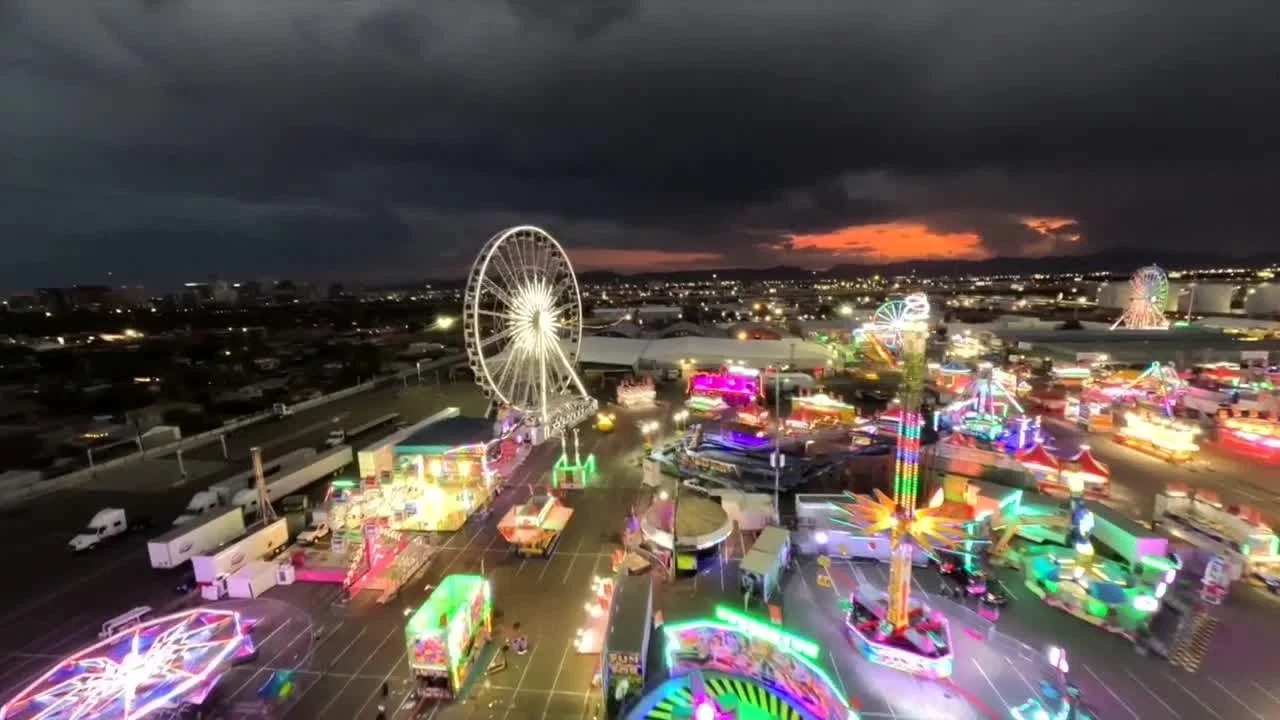
Strong planning covers trade show planning and exhibitor services specific to the Arizona State Fairgrounds in Phoenix. The venue operates as a fairgrounds-and-event-campus venue type, available for rental outside the annual fair window with event-specialist review required before confirmation. The fairgrounds sits northwest of downtown Phoenix, accessible via I-17 and I-10, with freight routing formed by central-Phoenix traffic patterns and venue dock protocols that differ from hotel ballrooms and purpose-built convention centers.
Tempe teams working shows at this venue coordinate freight timing, labor schedules, and setup workflows around the fairgrounds' campus layout and the venue's blackout period. The official venue-rental section routes planners through a venue-rental application and event-specialist review process, meaning advance planning timelines stretch longer than convention-center moves. Phoenix Sky Harbor International Airport sits about twelve miles southeast, and exhibitors originating freight from Tempe typically route northwest along AZ-143 to I-10 before connecting to West McDowell Road or staging from Phoenix-area warehouse inventory.
The fairgrounds shares the Phoenix venue market with Phoenix Convention Center, WestWorld of Scottsdale, and Mesa Convention Center. Each venue operates with distinct labor jurisdictions, dock access patterns, and show contractor frameworks. The fairgrounds' event-campus structure and annual fair calendar create planning constraints that conference and expo planners must verify before committing to booth production schedules, freight booking windows, or labor contractor bids.
Venue facts to confirm before move-in
- The official venue-rental section says Event Specialists tailor estimates to each event's needs.
- The same section says venue rentals are not available from September through early November because of the annual fair calendar.
- The official section routes planners through a venue-rental application and event-specialist review process.
Arizona State Fairgrounds Planning Context
- Event-campus layout with fairgrounds infrastructure that differs from convention-center or hotel-ballroom geometry, affecting booth placement, rigging options, and freight-path planning
- Venue rental blackout from September through early November during the annual fair calendar, meaning show dates and booth production timelines must accommodate the hard closure window
- Event-specialist review process before rental confirmation, which adds planning lead time compared to venues that publish standard rate cards and open availability calendars
- Northwest Phoenix location along West McDowell Road with I-17 and I-10 access, shaping Tempe-origin freight timing and routing via AZ-143 and surface streets through central Phoenix
- Public-show and large-format exhibition history that sets dock procedures, security protocols, and service contractor workflows distinct from B2B expo or corporate meeting patterns
Venue Profile and Campus Layout
The Arizona State Fairgrounds occupies a multi-building fairgrounds campus in northwest Phoenix. The official venue-rental section describes the site as tailored to each event's needs, with Event Specialists providing custom estimates after application review. The campus does not list published square-footage figures or a standard floor plan in the venue-rental materials, which means planners scope booth layouts and freight requirements only after venue-specialist consultation confirms available buildings and dock access.
The fairgrounds structure differs from purpose-built convention centers like Phoenix Convention Center, which posts 635,000 square feet of meeting and exhibition space across 11 exhibit halls and 20 climate-controlled loading docks. The fairgrounds' open-air and semi-permanent buildings create a planning environment where booth dimensions, rigging attachment points, and AV infrastructure vary building to building. Teams working 20x20 islands or 30x30 peninsula booths at this venue confirm ceiling height, electrical panel locations, and dock proximity with the event specialist before finalizing booth engineering drawings.
The fairgrounds campus sits along West McDowell Road west of I-17. Freight originating from Tempe warehouse locations typically routes northwest on AZ-143 to I-10, then west to the I-17 interchange before exiting toward the fairgrounds. Off-peak drive time from downtown Tempe runs approximately twenty-five to thirty minutes; morning peak windows from 6:30 to 9:00 AM and afternoon windows from 3:30 to 7:00 PM can extend the run to forty-five minutes or longer depending on I-10 congestion and surface-street backups near the venue.
- Event-specialist review required before rental confirmation, meaning exhibitors cannot lock booth production timelines until venue availability and layout are verified through the application process
- Campus layout with multiple buildings rather than a single contiguous exhibit floor, which affects booth-to-booth adjacency planning and visitor flow design for larger shows
- No published standard floor plan or capacity metrics in the venue-rental section, requiring planners to scope booth footprints and freight volumes only after specialist consultation
- Northwest Phoenix location with I-17 and I-10 access, approximately eight miles from downtown Phoenix and twelve miles from Phoenix Sky Harbor International Airport
Show Calendar and Blackout Windows
The official venue-rental section states that venue rentals are not available from September through early November because of the annual fair calendar. This blackout window eliminates late-summer and fall show dates, meaning exhibitors targeting Q4 events or September product launches must choose Phoenix Convention Center, WestWorld of Scottsdale, Mesa Convention Center, or hotel ballrooms at properties like Omni Tempe Hotel at ASU or Talking Stick Resort instead.
The blackout period affects booth production schedules, advance order deadlines, and freight booking windows. If a show was originally scheduled for October but shifts to the fairgrounds, the move pushes the event into late November or later, compressing production timelines and potentially conflicting with Thanksgiving-week labor shortages or year-end freight surcharges. Planners verify the venue's available rental months with the event specialist before signing booth production contracts or reserving labor crews.
The fairgrounds' public-show focus means the event calendar outside the blackout period skews toward consumer expos, large-format exhibitions, and community festivals rather than B2B trade shows or corporate meetings. Exhibitors accustomed to convention-center show rhythms find that fairgrounds events often carry different attendee profiles, longer setup windows, and more flexible booth regulations compared to official show contractor environments at Phoenix Convention Center or Mesa Convention Center.
- Hard blackout from September through early November during the annual state fair, eliminating fall show dates and forcing Q4 exhibitors to alternative Phoenix-area venues
- Event-specialist review process adds lead time to calendar confirmation, meaning planners cannot book booth production or freight without venue approval first
- Public-show and consumer-event calendar mix that shapes dock protocols, security requirements, and labor contractor availability differently than convention-center B2B expo schedules
Freight and Dock Coordination
Freight routing from Tempe to the Arizona State Fairgrounds follows AZ-143 north to I-10, then west to I-17, exiting toward West McDowell Road. Off-peak runs clock twenty-five to thirty minutes; peak-hour runs stretch to forty-five minutes or longer. Exhibitors shipping advance freight from East Valley warehouse inventory plan dock delivery windows around morning and afternoon congestion on I-10 and I-17, particularly during weekday rush periods that overlap with show move-in days.
The fairgrounds does not publish a standard dock count or loading-dock layout in the venue-rental materials. Planners coordinate dock access, vehicle sequencing, and freight-staging protocols directly with the event specialist and the venue's operations team. Unlike Phoenix Convention Center's 20 climate-controlled loading docks or hotel ballrooms with single-bay service elevators, the fairgrounds' campus structure means dock availability and vehicle access vary building to building and show to show.
Advance freight arrives at the fairgrounds only after the event specialist confirms dock schedules and show move-in windows. Exhibitors cannot route freight to the venue before the official move-in period without venue approval, which differs from convention centers that accept pre-show freight several days early. Teams working multi-show schedules across Phoenix Convention Center, WestWorld, and the fairgrounds adjust freight booking calendars and warehouse staging timelines venue by venue to avoid rejected deliveries or dock-access conflicts.
- AZ-143 to I-10 to I-17 routing from Tempe, with off-peak runs of twenty-five to thirty minutes and peak runs extending past forty-five minutes depending on central-Phoenix traffic
- No published dock count or standard loading-dock layout, requiring exhibitors to confirm vehicle access and freight sequencing with the event specialist before booking advance deliveries
- Advance freight arrival windows controlled by venue-specialist approval, meaning teams cannot ship early without venue coordination
- Campus-based dock access that varies building to building, unlike convention centers with contiguous loading docks serving a single exhibit floor
Labor and Service Contractor Workflows
Labor jurisdiction at the Arizona State Fairgrounds follows the venue's event structure and the official show contractor's agreements with the event organizer. Exhibitors confirm whether the show operates under house-services jurisdiction, official-show-contractor jurisdiction, or open-EAC (Exhibitor Appointed Contractor) rules before bidding booth installation labor or rigging services. The fairgrounds' public-show and consumer-event focus often means more flexible EAC access compared to convention-center shows with exclusive-contractor clauses.
Booth installation timelines at the fairgrounds typically run longer than hotel-ballroom setups because of the campus layout and the venue's open-air or semi-permanent building structures. Teams working 20x20 islands or 30x30 peninsula booths plan installation windows around building access schedules, electrical panel locations, and rigging attachment points that vary building to building. The venue does not publish standard rigging load capacities or electrical service specifications in the rental materials, meaning booth engineers and labor contractors request building-specific technical documentation from the event specialist before finalizing setup drawings.
Strike schedules at the fairgrounds coordinate with the venue's next-event timeline and the fairgrounds' post-show cleaning and campus reset protocols. Exhibitors working multi-city show schedules confirm strike-complete deadlines with the event organizer and the venue's operations team to avoid late-strike penalties or freight delays that affect next-show move-in windows at Phoenix Convention Center, Mesa Convention Center, or venues outside the Phoenix metro.
- Labor jurisdiction varies show to show, requiring exhibitors to verify house-services, official-contractor, or open-EAC rules before signing labor bids
- Campus layout and building-specific infrastructure extend booth installation timelines compared to hotel ballrooms or single-floor convention centers
- No published rigging load capacities or electrical service specifications, meaning booth engineers request building-specific technical documentation from the event specialist
- Strike deadlines formed by venue next-event timelines and fairgrounds campus reset schedules, requiring coordination with event organizers and venue operations
Tempe Exhibitor Coordination and Metro Context
Tempe exhibitors working shows at the Arizona State Fairgrounds coordinate booth production, freight timing, and labor scheduling around the venue's blackout period and event-specialist review process. The fairgrounds sits about eight miles northwest of downtown Tempe, accessible via AZ-143, I-10, and I-17. Teams originating freight from Tempe warehouse inventory plan dock delivery windows outside morning and afternoon peak traffic periods to avoid I-10 congestion and surface-street backups near the venue.
The fairgrounds shares the Phoenix venue market with Phoenix Convention Center, WestWorld of Scottsdale, Mesa Convention Center, and hotel ballroom programs at Omni Tempe Hotel at ASU, Tempe Mission Palms, The Westin Tempe, and Talking Stick Resort. Each venue operates with distinct labor jurisdictions, dock protocols, and service contractor workflows. Exhibitors working multi-show schedules across the Phoenix metro verify venue-specific move-in windows, advance order deadlines, and EAC access rules venue by venue to avoid planning conflicts or rejected freight deliveries.
Phoenix Sky Harbor International Airport sits approximately twelve miles southeast of the fairgrounds, accessible via I-10 and AZ-143. Teams shipping booth components or specialty AV equipment through Sky Harbor coordinate airport pickup, ground transport, and fairgrounds dock delivery around the event specialist's confirmed move-in schedule. The airport's cargo facilities serve the Phoenix metro's trade show supply chain, with freight forwarders and logistics providers routing advance shipments to warehouse inventory in Tempe, Phoenix, and Mesa before final venue delivery.
- AZ-143 and I-10 routing from downtown Tempe, with off-peak drive times of twenty-five to thirty minutes and peak runs stretching past forty-five minutes during weekday rush periods
- Metro venue mix including Phoenix Convention Center, WestWorld, Mesa Convention Center, and hotel ballrooms, each with distinct labor jurisdictions and dock protocols that exhibitors verify show by show
- Phoenix Sky Harbor International Airport approximately twelve miles southeast via I-10 and AZ-143, supporting cargo and freight-forwarder services for advance shipments to Tempe and Phoenix warehouse inventory
Frequently Asked Questions
When is the Arizona State Fairgrounds unavailable for rental?
The official venue-rental section states that venue rentals are not available from September through early November because of the annual fair calendar. Exhibitors planning Q4 events or fall product launches must choose alternative Phoenix-area venues like Phoenix Convention Center, WestWorld of Scottsdale, Mesa Convention Center, or hotel ballrooms instead.
How does the event-specialist review process affect planning timelines?
The official venue-rental section routes planners through a venue-rental application and event-specialist review process before confirming availability and providing custom estimates. This review period adds lead time compared to venues that publish open availability calendars and standard rate cards, meaning exhibitors cannot lock booth production timelines or freight booking windows until the venue specialist approves the application and confirms building access and dock schedules.
What freight route connects Tempe to the Arizona State Fairgrounds?
Freight originating from Tempe typically routes northwest on AZ-143 to I-10, then west to the I-17 interchange before exiting toward the fairgrounds along West McDowell Road. Off-peak drive time runs approximately twenty-five to thirty minutes. Morning peak windows from 6:30 to 9:00 AM and afternoon windows from 3:30 to 7:00 PM extend the run to forty-five minutes or longer depending on I-10 congestion and surface-street traffic near the venue.
How does the fairgrounds campus layout differ from Phoenix Convention Center?
The fairgrounds operates as a multi-building event campus rather than a single contiguous exhibit floor like Phoenix Convention Center's 635,000-square-foot North Building with 11 exhibit halls and 20 climate-controlled loading docks. The fairgrounds' building-to-building structure means booth layouts, rigging attachment points, dock access, and electrical panel locations vary across the campus. Planners confirm building-specific infrastructure and dock protocols with the event specialist before finalizing booth engineering drawings or freight delivery schedules.
What other Phoenix-area venues compete with the Arizona State Fairgrounds for trade show dates?
The fairgrounds shares the Phoenix venue market with Phoenix Convention Center for citywide conventions, WestWorld of Scottsdale for consumer shows and equestrian events, Mesa Convention Center for East Valley meetings and expos, and hotel ballroom programs at Omni Tempe Hotel at ASU, Tempe Mission Palms, The Westin Tempe, and Talking Stick Resort for smaller conferences and corporate meetings. Each venue operates with distinct labor jurisdictions, dock protocols, and service contractor workflows, requiring exhibitors to verify venue-specific move-in windows and EAC access rules show by show.