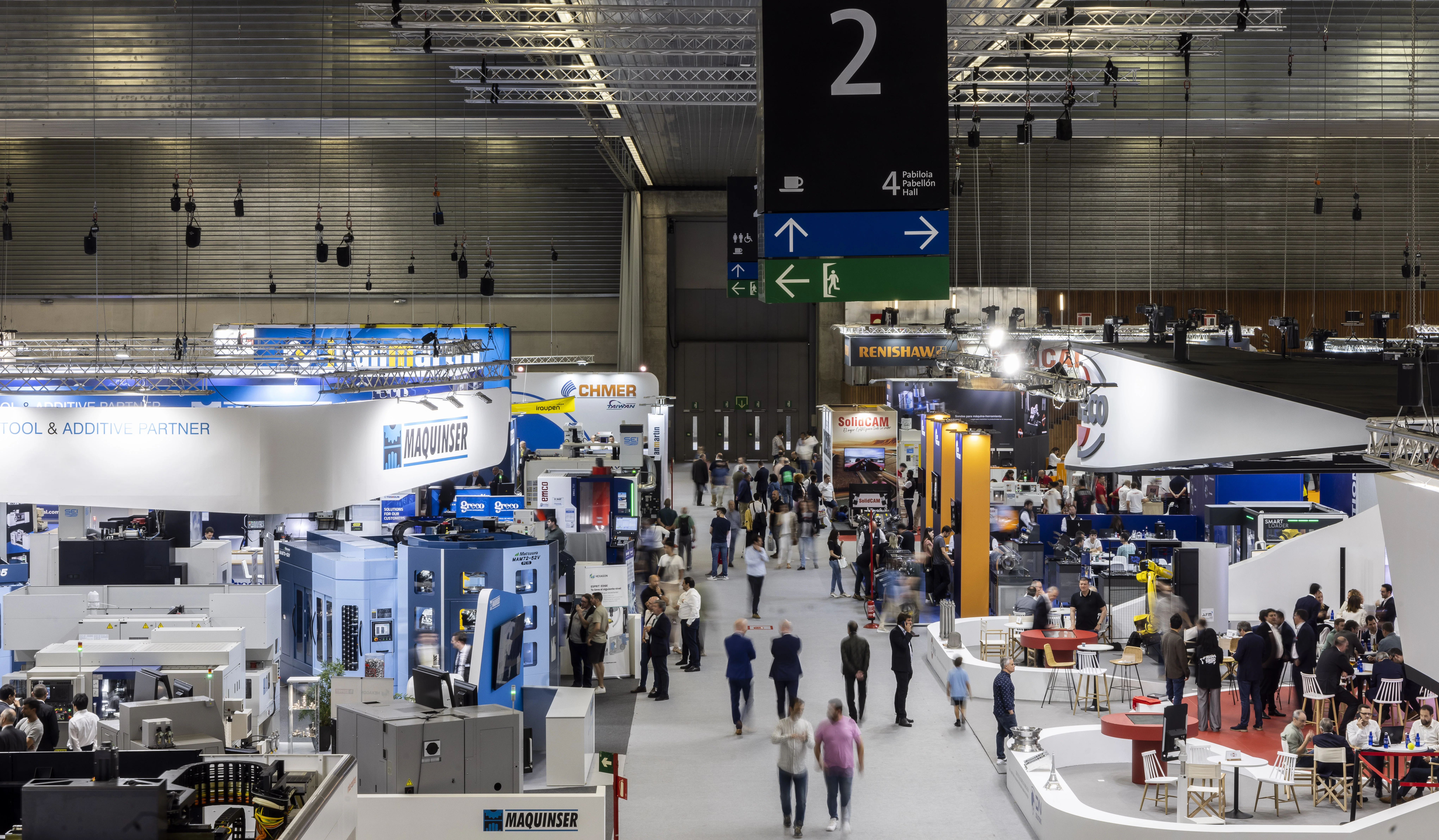
Manufacturing expos display industrial equipment, automation systems, precision tools, and production machinery that arrive in high-density crates and often exceed standard aisle clearances. Phoenix Convention Center offers 635,000 square feet of exhibition space across eleven halls with twenty climate-controlled loading docks, and WestWorld of Scottsdale provides versatile indoor and outdoor configurations for equipment demonstrations that require rigging points or outdoor surface access. Both venues enforce official contractor and Exhibitor Appointed Contractor protocols that determine who handles material handling equipment, rigger oversight, electrical distribution beyond the included package, and compressed-air hookups for live machinery demos.
Manufacturing-sector exhibitors typically book booth space nine to twelve months ahead, submit advance orders for electrical and compressed air six to eight weeks before move-in, and coordinate freight delivery windows with venue receiving teams that operate under strict dock-appointment systems. Phoenix Convention Center publishes a venue manual that specifies pallet dimensions, maximum forklift weight limits, and advance-notice requirements for oversized crates. WestWorld of Scottsdale operates differently because its Equidome and Monterra spaces allow direct outdoor access, which changes rigging constraints and freight-staging options compared to enclosed urban halls.
The work follows booth planning, freight coordination, labor jurisdiction, venue protocols, and post-show strike sequences for manufacturing expos in the Greater Phoenix market. The project plan should turn venue rules, freight deadlines, labor windows, and exhibitor goals into a workable show schedule. Real exhibitors cross-reference these workflows with show manuals, official contractor service kits, and venue receiving calendars before finalizing booth specifications or signing labor estimates.
Manufacturing Expo Planning Priorities
- Phoenix Convention Center North Building dock appointments and pallet-dimension limits for high-density machinery crates arriving from I-10 West or Loop 101 South corridors
- WestWorld of Scottsdale Equidome outdoor access points and rigging-height clearances for equipment demonstrations requiring compressed air, hydraulic hookups, or vehicle staging
- Electrical-distribution planning beyond the included booth package when machinery requires 208-volt three-phase service, dedicated circuits, or isolation transformers to avoid ground-loop interference
- Official show contractor versus Exhibitor Appointed Contractor jurisdiction for material handling equipment, rigger coordination, and freight drayage from venue receiving to booth location
- Post-show strike sequencing when crated machinery must return to origin warehouses in Chandler, Mesa Gateway, or out-of-state facilities within forty-eight hours of show close
Booth Footprint and Equipment Display
Manufacturing expos favor island and peninsula configurations because precision machinery, CNC equipment, and robotic-assembly systems require sightlines from multiple angles and enough floor clearance for attendee circulation around live demonstrations. A 20×20 island booth at Phoenix Convention Center provides four hundred square feet, which accommodates one mid-size lathe or milling machine plus graphics, a demo counter, and storage for technical literature. A 30×30 island expands to nine hundred square feet, which supports two large machines, an interactive touchscreen wall, and a private meeting area for purchase discussions. Inline booths work for component suppliers, tooling vendors, and software platforms that do not require heavy equipment on the floor.
WestWorld of Scottsdale offers outdoor demonstration areas adjacent to the Equidome and Monterra halls, which allows exhibitors to stage heavy construction equipment, large-format CNC routers, or vehicle-mounted systems that cannot fit through standard dock doors or meet indoor floor-load restrictions. The venue publishes a specifications document that lists rigging-point capacities, outdoor surface types, and power-distribution options for exhibitors who plan to operate diesel generators or compressed-air compressors during the show. Planners who book outdoor footprints must verify weather-contingency protocols and confirm that the show schedule aligns with WestWorld's equestrian and festival calendar.
Booth height at Phoenix Convention Center follows International Association of Exhibitions and Events guidelines, which cap perimeter-wall height at eight feet for inline booths and permit taller structures for island configurations if the design does not block neighboring sightlines. Hanging signs require advance approval and rigging coordination with the official contractor, who schedules crane access during designated installation windows. Manufacturing exhibitors who plan to suspend large banners, product replicas, or LED video walls above the booth must submit engineering drawings and confirm rigging-point availability at least four weeks before move-in.
- Island booth configurations at Phoenix Convention Center to provide multi-angle sightlines for CNC equipment, robotic systems, and precision-assembly demonstrations requiring attendee circulation on all sides
- WestWorld of Scottsdale outdoor demonstration zones for heavy construction equipment, large-format machinery, or vehicle-mounted systems that exceed indoor floor-load limits or standard dock-door clearances
- Hanging-sign rigging coordination at Phoenix Convention Center when overhead branding, product replicas, or LED video walls require crane scheduling and advance engineering approval from the official contractor
- Booth-height compliance with IAEE perimeter-wall caps and sightline restrictions to avoid redesign requests or installation delays during move-in
Freight and Material Handling
Manufacturing machinery arrives in high-density crates that often weigh between eight hundred and three thousand pounds per piece and require forklift access, pallet-jack clearance, or overhead rigging to move from dock to booth. Phoenix Convention Center operates a dock-appointment system administered by the official show contractor, who assigns receiving windows based on shipment size, delivery carrier, and booth location within the hall. Exhibitors who ship via common carrier must provide advance notice with pallet count, crate dimensions, and total weight so the contractor can allocate material handling equipment and labor crews. Oversized shipments that exceed eight feet in height or twelve feet in length trigger additional coordination because they may require aisle reconfiguration or temporary column protection.
Freight arriving from out-of-state manufacturing facilities typically routes through Phoenix Sky Harbor International Airport cargo terminals, then transfers to local drayage carriers who deliver to Phoenix Convention Center receiving docks along Third Street or to WestWorld of Scottsdale via Loop 101 North and Via de Ventura. Inbound freight during morning peak hours between six-thirty and nine-thirty can extend delivery windows by forty to sixty minutes, so exhibitors who control their own logistics schedule deliveries for midday or early afternoon slots. Return freight after show close must coordinate with the official contractor's strike schedule, which releases booths in waves based on hall assignments and outbound carrier availability.
WestWorld of Scottsdale offers direct outdoor access through the Monterra loading area, which simplifies freight staging for exhibitors who transport heavy equipment via flatbed trailer or require crane access for rigging large machines onto outdoor demonstration pads. The venue does not impose the same dock-appointment density as Phoenix Convention Center, but exhibitors must still coordinate delivery times with show management to avoid conflicts with concurrent equestrian events or other festival programming. Outdoor freight staging requires weather monitoring because dust storms and high winds can delay crane operations or force temporary tarping of sensitive machinery.
- Phoenix Convention Center dock-appointment coordination with the official contractor, including advance notice for pallet count, crate dimensions, and total weight to secure material handling equipment and labor allocation
- Oversized-shipment protocols for crates exceeding eight feet in height or twelve feet in length, which may trigger aisle reconfiguration, column protection, or rigging consultation before receiving approval
- Freight routing from Phoenix Sky Harbor cargo terminals via local drayage carriers, with midday or early-afternoon delivery windows to avoid morning peak congestion along I-10 and surface streets near Third Street receiving docks
- WestWorld of Scottsdale outdoor crane access and flatbed-trailer staging for heavy construction equipment or large-format machinery requiring direct placement onto demonstration pads outside the Equidome or Monterra halls
Electrical, Compressed Air, and Utility Hookups
Manufacturing equipment often requires electrical service beyond the standard booth package, which typically includes 500 watts of 110-volt power for lighting and basic displays. Live demonstrations of CNC machinery, robotic welding cells, or hydraulic presses may need 208-volt three-phase service, dedicated circuits rated for twenty to sixty amperes, or isolation transformers to prevent ground-loop interference with sensitive control systems. Phoenix Convention Center publishes an electrical-service order form through the official contractor that lists amperage options, outlet configurations, and installation deadlines. Exhibitors who order electrical upgrades after the advance-order deadline pay premium rates that can double the base cost.
Compressed-air hookups are common at manufacturing expos because many machines require pneumatic pressure for tooling, clamping, or actuation during live demos. The official contractor at Phoenix Convention Center provides compressed-air distribution from central compressors located in backstage service corridors, with hose runs priced per linear foot from the source to the booth. Exhibitors who operate high-flow equipment may need to rent supplemental compressors and coordinate placement, noise mitigation, and hose routing with the contractor's floor plan. WestWorld of Scottsdale allows exhibitors to bring portable diesel compressors for outdoor demonstrations, but the venue requires exhaust venting away from enclosed pavilions and advance approval for noise levels during show hours.
Utility shutdowns and safety inspections occur before show open, and any booth that fails inspection remains offline until corrections are completed. Common failures include unlabeled circuit breakers, unsecured cable runs that cross aisles without ramps, and compressed-air connections without pressure-relief valves. Exhibitors who plan complex electrical or pneumatic systems should request a pre-show walk-through with the official contractor's floor supervisor to verify hookup locations, confirm clearances, and test equipment before attendees arrive.
- Three-phase 208-volt electrical service orders for CNC machinery, robotic systems, or hydraulic presses requiring dedicated circuits and isolation transformers to prevent ground-loop interference with control electronics
- Compressed-air distribution from Phoenix Convention Center backstage compressors, with hose-run pricing per linear foot and supplemental compressor rental for high-flow equipment exceeding the house system's capacity
- WestWorld of Scottsdale portable diesel-compressor approval for outdoor machinery demonstrations, including exhaust-venting requirements and noise-level compliance during show hours
- Pre-show safety inspections for labeled circuit breakers, secured cable runs with aisle-crossing ramps, and compressed-air pressure-relief valves to avoid booth shutdowns on opening day
Labor Jurisdiction and Contractor Coordination
Phoenix Convention Center and WestWorld of Scottsdale enforce clear jurisdictional boundaries between house services, official show contractors, and Exhibitor Appointed Contractors. House services cover general facility operations including HVAC, perimeter security, and public-area cleaning, but do not extend to booth installation, freight drayage, or equipment rigging. The official show contractor holds exclusive rights to material handling equipment within the venue, which means exhibitors cannot bring their own forklifts or pallet jacks onto the show floor. Exhibitor Appointed Contractors may install booths, but they must coordinate all material handling, electrical hookups, and rigging through the official contractor to avoid jurisdictional conflicts that delay installation.
Manufacturing exhibitors who hire their own installation crews must register those crews with show management at least two weeks before move-in and provide proof of liability insurance, worker's compensation coverage, and any required trade certifications. EAC crews receive access badges that specify installation windows, which typically begin forty-eight to seventy-two hours before show open depending on booth size and complexity. Crews that arrive without proper credentials or outside their assigned windows are turned away at the loading dock, which can cascade into missed deadlines and incomplete booth setups.
Rigging and overhead installations fall under the official contractor's jurisdiction at Phoenix Convention Center because the venue requires certified riggers to attach points, verify load calculations, and inspect connections before show open. Exhibitors who plan to hang large signs, product models, or video screens must submit rigging drawings and coordinate crane access with the contractor's rigging supervisor. WestWorld of Scottsdale follows similar protocols for indoor rigging but allows more flexibility for outdoor demonstrations where ground-based support structures eliminate the need for ceiling-mounted rigging points.
- Official show contractor exclusive rights to material handling equipment including forklifts and pallet jacks, which prohibits exhibitors from bringing their own equipment onto the show floor at Phoenix Convention Center
- Exhibitor Appointed Contractor registration two weeks before move-in, with proof of liability insurance, worker's compensation coverage, and trade certifications required for badge issuance and installation-window assignment
- Rigging-coordination protocols for overhead signs, product models, and video screens requiring certified riggers, load calculations, and crane scheduling through the official contractor's rigging supervisor
- WestWorld of Scottsdale outdoor demonstration flexibility with ground-based support structures that eliminate ceiling-mounted rigging dependencies and simplify equipment staging for heavy machinery displays
Post-Show Strike and Return Freight
Strike sequences at Phoenix Convention Center begin immediately after show close, with halls released in waves based on booth location and outbound freight scheduling. Manufacturing exhibitors who need to return heavy machinery to origin warehouses in Chandler, Mesa Gateway, or out-of-state facilities must coordinate with the official contractor's drayage team to schedule forklift access, pallet retrieval, and loading-dock appointments. Delays during strike can push return shipments into the next business day, which extends storage fees and may conflict with the exhibitor's production schedule at the home facility.
Crated machinery must be re-secured to the same or higher standard than inbound shipping because any damage during return transit voids manufacturer warranties and creates liability disputes. Exhibitors who disassemble equipment on-site should photograph each step, label components, and verify that crate interiors have adequate blocking and bracing before the contractor's drayage crew moves the shipment to the loading dock. The official contractor at Phoenix Convention Center provides crating services, shrink-wrapping, and custom packing for exhibitors who do not have their own packaging crews, but these services carry premium pricing and require advance booking.
WestWorld of Scottsdale outdoor demonstrations simplify some aspects of strike because exhibitors can drive flatbed trailers directly to the demonstration pad and load equipment without routing through a central receiving dock. However, outdoor staging also exposes freight to dust and wind, so exhibitors must tarp sensitive machinery and secure loose components before the final day of the show. Return freight from WestWorld typically routes back to Loop 101 South toward Chandler or east toward Mesa Gateway, with timing adjusted to avoid afternoon peak congestion between three-thirty and seven o'clock.
- Phoenix Convention Center strike-wave coordination with the official contractor's drayage team to schedule forklift access, pallet retrieval, and loading-dock appointments for return shipments to Chandler, Mesa Gateway, or out-of-state manufacturing facilities
- Re-crating and bracing standards for disassembled machinery to match or exceed inbound shipping specifications, with photographic documentation of component placement and blocking to avoid warranty disputes or damage claims
- Official contractor premium crating, shrink-wrapping, and custom packing services for exhibitors without dedicated packaging crews, requiring advance booking and pricing negotiation before strike begins
- WestWorld of Scottsdale direct flatbed access to outdoor demonstration pads, with tarping and component-securing protocols to protect machinery from dust and wind exposure during final show days
Manufacturing Expo Services FAQ
Can I bring my own forklift to move machinery crates at Phoenix Convention Center?
No. Phoenix Convention Center grants the official show contractor exclusive rights to material handling equipment, which includes forklifts, pallet jacks, and scissor lifts. Exhibitors must order material handling services through the contractor's advance-order system or pay on-site labor rates during move-in.
How far in advance should I order three-phase electrical service for CNC equipment?
Submit electrical orders at least six to eight weeks before move-in to secure advance pricing and ensure the official contractor has sufficient inventory of transformers, distribution panels, and certified electricians. Orders placed after the advance deadline carry premium rates that can double the base cost.
Does WestWorld of Scottsdale allow outdoor machinery demonstrations with diesel compressors?
Yes, but exhibitors must submit a request for approval that includes exhaust-venting plans, noise-level estimates, and placement diagrams showing compressor location relative to enclosed pavilions. The venue requires exhaust venting away from public areas and compliance with noise limits during show hours.
What happens if my return freight misses the strike-window deadline at Phoenix Convention Center?
Freight that misses the assigned strike window moves into storage at the official contractor's warehouse, which triggers daily storage fees and delays return transit. Exhibitors should coordinate outbound carrier appointments and confirm forklift availability with the contractor's drayage supervisor before show close.
Can I register an Exhibitor Appointed Contractor for booth installation at a Phoenix manufacturing expo?
Yes. Register your EAC at least two weeks before move-in and provide proof of liability insurance, worker's compensation coverage, and any required trade certifications. The contractor will receive access badges that specify installation windows, typically forty-eight to seventy-two hours before show open depending on booth complexity.