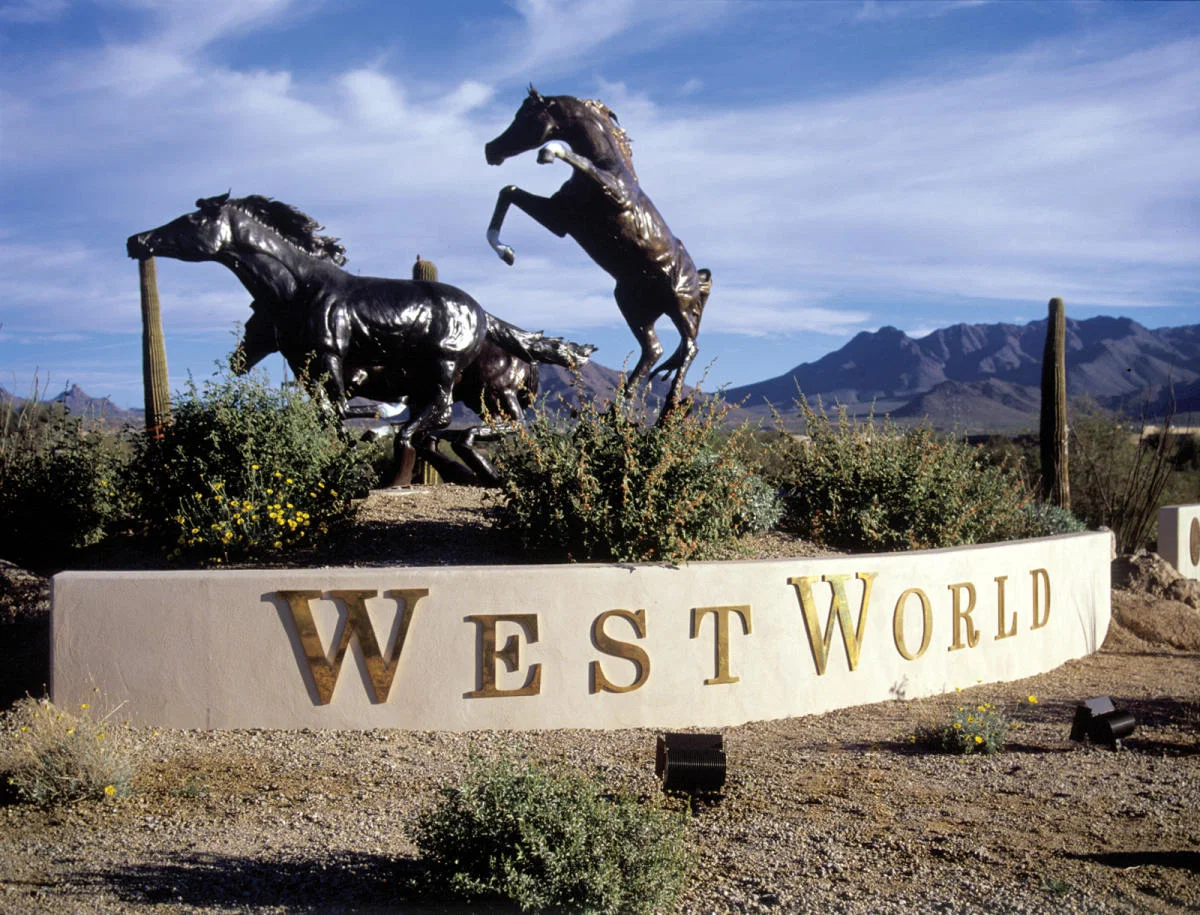
Strong planning covers WestWorld of Scottsdale as a venue for trade-show and event planning within the greater Tempe and Phoenix metro context. The project plan should turn venue rules, freight deadlines, labor windows, and exhibitor goals into a workable show schedule. The content draws from official City of Scottsdale materials, venue documentation, and meeting-planner guides published by Tempe Tourism and Visit Phoenix.
WestWorld is a city-owned campus that supports mixed indoor and outdoor events. The official host-an-event section describes versatile spaces including the Equidome and Monterra, along with exhibition halls and outdoor arenas. Planning for events at WestWorld means accounting for the campus layout, jurisdictional service rules, freight access points, and how hotel inventory in North Scottsdale and Old Town Scottsdale clusters around move-in and show dates.
Teams working shows at WestWorld typically coordinate freight along Loop 101 from warehouse clusters in Tempe, Phoenix, or Mesa, confirm which spaces are indoor climate-controlled versus open-air, and verify whether the show uses house services, an official show contractor, or allows exhibitor-appointed contractors for labor, utilities, and material handling. The Scottsdale location puts the venue outside the core Phoenix convention-center district, which affects hotel-block strategy, freight timing, and advance planning.
Venue facts to confirm before move-in
- The City of Scottsdale describes WestWorld as Scottsdale's premier venue, hosting equestrian events, car shows, festivals, and exhibitions year-round.
- The official host-an-event section says the campus offers versatile indoor and outdoor spaces including the Equidome and Monterra.
- The official event-spaces section says WestWorld accommodates exhibition halls, outdoor arenas, and events ranging from equestrian competitions to trade shows.
Planning variables for WestWorld of Scottsdale events
- Loop 101 freight routing from Tempe, Phoenix, and Mesa warehouse districts to the WestWorld campus on North Pima Road, with timing windows that avoid morning and evening commuter peaks along the Scottsdale corridor
- Indoor versus outdoor space allocation across the Equidome, Monterra, exhibition halls, and outdoor arenas, each with different climate control, electrical infrastructure, and rigging capabilities that shape booth design and material specifications
- Hotel inventory split between North Scottsdale resort properties and Old Town Scottsdale lodging, with drive times ranging from eight minutes to twenty-five minutes depending on traffic and which campus entrance the show uses
- Jurisdictional service rules that vary by event, including whether the venue enforces house contractor requirements for utilities and material handling or permits exhibitor-appointed contractors under specific advance-notification and insurance protocols
- Show-calendar overlap with automotive events, equestrian competitions, and consumer festivals that can compress hotel availability, complicate freight-dock scheduling, and require early confirmation of booth-material delivery windows
Venue footprint and space types
The City of Scottsdale describes WestWorld as Scottsdale's premier venue, hosting equestrian events, car shows, festivals, and exhibitions year-round. The campus includes the Equidome, Monterra, multiple exhibition halls, and outdoor arenas. Each space type carries different implications for booth fabrication, electrical distribution, HVAC requirements, and rigging points. Indoor halls support traditional booth builds with carpeted or concrete floors, overhead grid access for banners and lighting, and climate control that stabilizes material performance. Outdoor arenas require tent structures or freestanding exhibits designed for wind load, direct sun exposure, and temperature swings between daytime setup and evening programming.
Exhibition-hall capacity and ceiling height determine what fits physically and what requires advance rigging permits. A twenty-by-twenty island booth in an indoor hall can use standard pipe-and-drape, modular panels, or custom fabrication with overhead graphics, as long as the design stays within the venue's rigging-load limits and the show manual's height restrictions. The same footprint in an outdoor arena may need weighted bases, guy wires, or ground anchors, plus weatherproofing for graphics and electronics. The official event-spaces section confirms that WestWorld accommodates exhibition halls, outdoor arenas, and events ranging from equestrian competitions to trade shows, which signals planners must verify space type and structural rules before finalizing booth specs.
Freight access varies by building and event. Some shows use dedicated loading docks with dock-high access and motorized levelers. Others rely on ground-level drive-up zones where crates are unloaded via lift gate or pallet jack. The venue's sprawling campus layout means that the distance from the freight entrance to the booth location can range from fifty feet to several hundred feet, affecting labor time, equipment rental, and material-handling cost. Advance site visits or detailed floor plans help confirm whether the show uses a marshaling yard, whether exhibitors can drive directly to their booth space during a specific window, or whether all freight must be staged at a central dock and distributed by the official contractor.
- Equidome and Monterra offer climate-controlled indoor space with standard electrical and rigging infrastructure suitable for traditional booth builds, while outdoor arenas require wind-rated structures, weighted bases, and weatherproof materials
- Exhibition-hall ceiling heights and rigging-load limits determine whether overhead banners, suspended monitors, or hanging signage require advance engineering approval and additional permitting from the venue or the City of Scottsdale
- Freight-access points vary by building, with some spaces providing dock-high loading and others using ground-level drive-up zones that add labor time and pallet-jack requirements to the move-in plan
- Campus layout can put booth locations several hundred feet from the nearest loading zone, requiring planners to confirm whether freight is centrally staged and distributed by the official contractor or whether direct drive-up is permitted during a defined window
Freight routing and timing from Tempe and Phoenix
Loop 101 connects WestWorld to warehouse and fabrication clusters in Tempe, Phoenix, and Mesa. Southbound 101 from North Scottsdale to Tempe runs about fifteen miles, typically twenty to twenty-five minutes outside peak hours and up to forty-five minutes during morning or evening commuter surges. Northbound 101 from Tempe to WestWorld follows the same distance and timing. Freight teams staging material in Tempe near Phoenix Sky Harbor International Airport or along the Apache Boulevard corridor plan delivery windows that avoid the 7:00 to 9:00 AM and 4:00 to 6:30 PM peaks, when congestion along the Scottsdale segment slows progress and compresses dock schedules.
Shows at WestWorld often set advance delivery deadlines that align with the venue's event calendar. Because the campus hosts overlapping programs, a consumer show move-in may coincide with an equestrian competition strike or a festival setup. Dock access can be reserved in two-hour blocks, and late arrivals may be turned away or rescheduled to the next available window. Planners confirm delivery appointments in writing, verify truck height and weight limits for campus roadways, and coordinate with the official show contractor or venue services to ensure that the receiving team knows which hall, which entrance, and which freight-check procedure applies.
- Loop 101 freight timing from Tempe to WestWorld runs twenty to twenty-five minutes outside peak hours and up to forty-five minutes during morning and evening commuter windows, with similar timing for return trips after strike
- Overlapping event schedules at WestWorld can compress dock availability, requiring planners to confirm advance delivery appointments and verify which entrance and receiving protocol the show uses
- Truck height and weight restrictions on campus roadways and parking areas may limit which freight carriers can deliver directly to the loading zone versus staging material at an off-site location for shuttle delivery
Hotel inventory and attendee lodging strategy
Hotel clusters for WestWorld events split between North Scottsdale resort properties and Old Town Scottsdale lodging. North Scottsdale resorts such as Talking Stick Resort sit within a few miles of the venue, offering conference meeting space, dining, and guest rooms that support exhibitor teams and VIP attendees. Old Town Scottsdale lodging sits about twelve to fifteen miles south via Scottsdale Road or Loop 101, with drive times ranging from fifteen to twenty-five minutes depending on traffic and routing. The choice between North Scottsdale and Old Town depends on whether the event prioritizes proximity to the venue or access to dining, nightlife, and off-hours programming in the downtown district.
Room-block planning for WestWorld shows requires early coordination with show management, the official housing bureau if one is designated, and individual hotel sales teams. North Scottsdale properties often have resort fees, parking fees, and minimum room commitments that affect total cost. Old Town hotels may offer lower base rates but add drive time and parking logistics for exhibitor teams who need to shuttle between the venue and the hotel during move-in, show hours, and strike. Some shows arrange shuttle service between Old Town lodging and the WestWorld campus, which simplifies transportation but adds schedule constraints for teams who want to adjust arrival or departure times based on booth-setup progress.
Attendee lodging patterns differ by event type. Consumer shows and automotive events draw local and regional audiences who may not book overnight rooms, reducing hotel-block uptake but increasing pressure on venue parking and local traffic. Trade shows and industry conferences attract out-of-state exhibitors and buyers who need multi-night stays, making hotel proximity and ground-transportation options more important. Planners verify whether the show provides shuttle service, whether the venue has on-site parking with daily or event rates, and whether ride-share drop-off zones are clearly marked and staffed during peak arrival windows.
- North Scottsdale resort properties such as Talking Stick Resort offer proximity to WestWorld with drive times under ten minutes, while Old Town Scottsdale lodging requires fifteen to twenty-five minutes via Scottsdale Road or Loop 101
- Resort fees, parking fees, and minimum room commitments at North Scottsdale properties can raise total lodging cost compared to Old Town base rates, requiring planners to model both options against the show's exhibitor and attendee profile
- Shuttle service between Old Town hotels and the WestWorld campus simplifies transportation but locks teams into fixed departure and return schedules that may conflict with booth-setup or strike timelines
- Consumer shows and automotive events often draw local audiences who skip overnight lodging, reducing hotel-block uptake but increasing venue parking demand and local traffic congestion during show hours
Jurisdictional service rules and contractor coordination
Service jurisdiction at WestWorld varies by event. Some shows designate an official show contractor responsible for material handling, freight receiving, electrical distribution, and booth-cleaning services. Other events permit exhibitor-appointed contractors to perform these tasks, provided they meet the venue's insurance requirements, submit advance notifications, and coordinate with venue staff on dock schedules and utility access. The show manual published by show management defines which services are exclusive to the official contractor, which services are open to exhibitor-appointed vendors, and which deadlines apply for advance orders versus show-site orders.
House services provided by the venue or its designated contractor typically include utilities such as electricity, water, compressed air, and internet connectivity. Advance-order deadlines for these services often close two to four weeks before the event, with discounted rates compared to show-site orders placed during move-in. Exhibitors who miss the advance deadline pay premium rates and risk delayed installation if the contractor's crew is fully scheduled. Planners track the advance-order cutoff, submit service forms with accurate booth numbers and specifications, and confirm installation appointments with the contractor's on-site supervisor during move-in.
Labor jurisdiction follows the event, not the venue. WestWorld itself does not impose union requirements, but individual shows may mandate union labor for specific tasks such as rigging, electrical work above a certain amperage, or freight handling beyond hand-carry limits. The show manual specifies labor rules, and exhibitors verify whether their appointed contractor holds the necessary credentials and insurance to work at the venue. Jurisdictional disputes are rare but can delay booth setup if an exhibitor's contractor arrives without proper notification or if competing contractors claim overlapping scope.
- Official show contractors designated by event management handle material handling, freight receiving, and utilities for most large trade shows, while smaller events may permit exhibitor-appointed contractors under advance-notification and insurance protocols
- Advance-order deadlines for electrical, internet, and other utilities typically close two to four weeks before the event, with discounted rates compared to show-site orders that carry premium pricing and delayed-installation risk
- Labor jurisdiction varies by show, with some events requiring union labor for rigging, electrical work above specific amperage thresholds, or freight handling that exceeds hand-carry limits defined in the show manual
Show-calendar overlap and advance planning
WestWorld hosts a dense event calendar that includes equestrian competitions, automotive shows, consumer festivals, and trade exhibitions. Calendar overlap can compress hotel availability, limit freight-dock access, and require exhibitors to confirm delivery windows and booth-material staging areas well in advance. A trade show scheduled during the same week as a major automotive event may find that North Scottsdale hotel inventory is fully committed, forcing exhibitors to book Old Town lodging or properties in Tempe and coordinate shuttle or ride-share transportation. Freight docks may be reserved in shorter time blocks, and venue parking may be allocated by event, requiring advance coordination with show management and venue staff.
Advance planning for WestWorld events includes confirming the show date, verifying which halls and arenas the event occupies, reviewing the venue's site plan to understand freight flow and booth access, and checking the local event calendar for overlapping programs. Planners who identify calendar conflicts early can adjust hotel-block negotiations, lock in freight delivery appointments, and confirm booth-material specifications that align with the assigned space type, whether indoor hall or outdoor arena. Last-minute changes to the show floor plan or space assignments can trigger rework on booth fabrication, graphics sizing, or electrical planning, so early confirmation and written documentation of space type, booth number, and utility access reduce the risk of costly adjustments.
Show-calendar density also affects post-event logistics. Strike deadlines at WestWorld are typically firm because the venue needs to clear the space for the next event. Late strike can incur penalty fees, and freight that misses the designated pickup window may be moved to a holding area and charged daily storage. Planners confirm strike schedules, coordinate freight pickup appointments, and verify that booth-dismantle crews have the equipment and labor to meet the deadline. A show that runs through Sunday afternoon and requires full strike by Monday morning leaves limited margin for delays, making advance coordination with freight carriers and dismantle contractors essential.
- Event-calendar overlap at WestWorld can compress North Scottsdale hotel inventory and require exhibitors to book Old Town lodging or Tempe properties, adding drive time and ground-transportation complexity to the planning sequence
- Freight-dock scheduling during overlapping events may limit available time blocks, requiring planners to confirm delivery and pickup appointments in writing and coordinate with the official contractor or venue services on staging areas and access routes
- Firm strike deadlines tied to back-to-back event schedules leave limited margin for delays, making it critical to confirm dismantle-crew availability, freight-carrier pickup windows, and penalty fees for late removal of booth materials
Common questions about planning events at WestWorld of Scottsdale
What is the difference between planning for an indoor hall versus an outdoor arena at WestWorld?
Indoor halls such as the Equidome and Monterra provide climate control, standard electrical infrastructure, and rigging points suitable for traditional booth builds with carpeted or concrete floors and overhead graphics. Outdoor arenas require wind-rated structures, weighted bases or ground anchors, and weatherproof materials for graphics and electronics because exhibits are exposed to direct sun, temperature swings, and weather conditions. Booth-fabrication specs, electrical distribution, and material-handling plans must match the assigned space type, and planners verify which space the show occupies before finalizing booth design and production.
How do freight timing and delivery windows work for WestWorld events?
Freight delivery to WestWorld typically follows advance appointments scheduled in coordination with the official show contractor or venue services. Loop 101 connects the venue to warehouse clusters in Tempe, Phoenix, and Mesa, with drive times of twenty to twenty-five minutes outside peak hours and up to forty-five minutes during morning and evening commuter windows. Because WestWorld hosts overlapping events, dock access may be reserved in two-hour blocks, and late arrivals can be turned away or rescheduled. Planners confirm delivery appointments in writing, verify truck height and weight limits for campus roadways, and coordinate with show management on which entrance and receiving protocol applies to their booth materials.
Should exhibitor teams book hotels in North Scottsdale or Old Town Scottsdale?
The choice depends on whether the team prioritizes proximity to the venue or access to dining, nightlife, and off-hours programming. North Scottsdale resort properties such as Talking Stick Resort sit within a few miles of WestWorld, with drive times under ten minutes, but often carry resort fees, parking fees, and higher base rates. Old Town Scottsdale lodging sits twelve to fifteen miles south, with drive times of fifteen to twenty-five minutes depending on traffic, and may offer lower base rates but add transportation logistics. Some shows arrange shuttle service between Old Town hotels and the venue, which simplifies transportation but locks teams into fixed schedules that may conflict with booth-setup or strike timelines.
Do events at WestWorld require union labor or allow exhibitor-appointed contractors?
Labor jurisdiction at WestWorld varies by event, not by the venue itself. The venue does not impose blanket union requirements, but individual shows may mandate union labor for specific tasks such as rigging, electrical work above a certain amperage, or freight handling beyond hand-carry limits. The show manual published by event management specifies labor rules, advance-notification requirements, and insurance credentials needed for exhibitor-appointed contractors. Planners review the show manual, confirm which services are exclusive to the official contractor, and verify that their appointed vendor meets all documentation and insurance requirements before move-in.
What happens if strike runs past the venue's deadline at WestWorld?
WestWorld enforces firm strike deadlines because the campus hosts back-to-back events and needs to clear space for the next program. Late strike can trigger penalty fees, and freight that misses the designated pickup window may be moved to a holding area and charged daily storage by the venue or the official contractor. Planners confirm strike schedules in writing, coordinate dismantle-crew availability and freight-carrier pickup appointments in advance, and verify that the team has the equipment and labor to meet the deadline. A show that requires full strike by Monday morning after a Sunday close leaves minimal margin for delays, making advance coordination essential.