Strong planning covers trade show planning context for teams working events at Phoenix Convention Center, WestWorld of Scottsdale, Talking Stick Resort, and other Valley venues when Midtown Phoenix serves as a conference-overflow or hospitality submarket. The project plan should turn venue rules, freight deadlines, labor windows, and exhibitor goals into a workable show schedule.
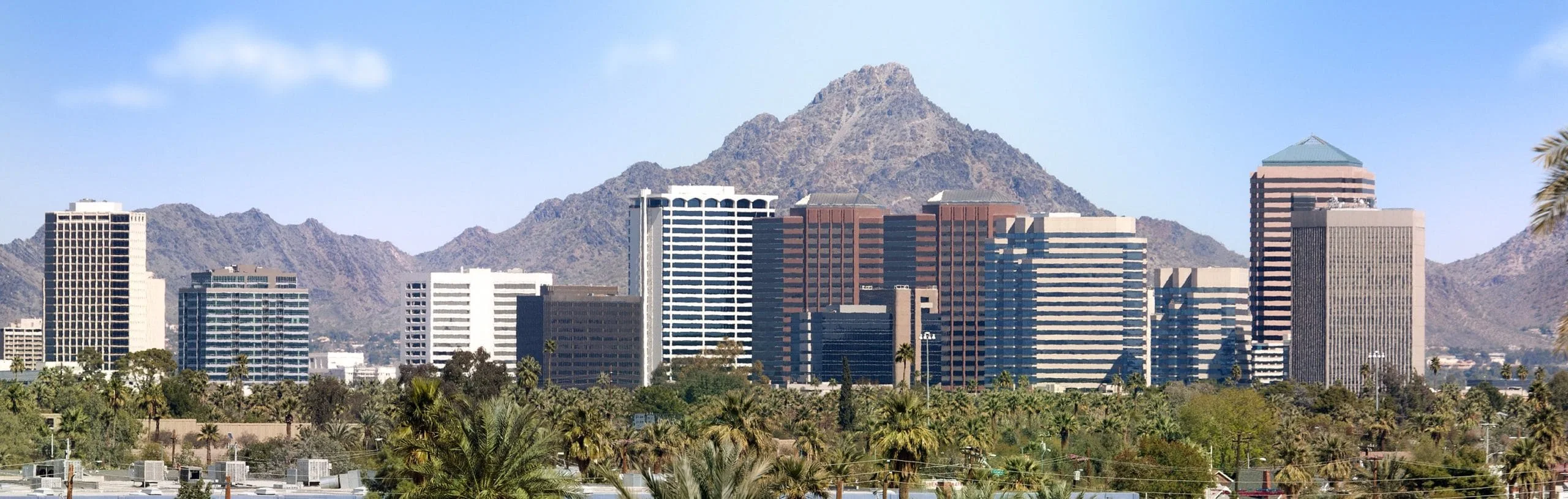
Midtown Phoenix includes the Central Avenue business corridor, medical-district office clusters, and hotel inventory between McDowell Road and Camelback Road. The district sits about three miles north of the Phoenix Convention Center campus and provides conference-overflow lodging, hospitality options, and meeting space when downtown blocks fill during citywide events.
Planning teams use Midtown Phoenix when downtown hotel blocks are committed, when executive or VIP attendees prefer a quieter base, or when secondary meetings and receptions need space outside the convention-center perimeter. The district connects to downtown via Central Avenue and light rail, with drive times under ten minutes outside rush periods and fifteen to twenty minutes during peak traffic.
Midtown Phoenix Planning Priorities
- Central Avenue and light rail access between Midtown hotel blocks and the Phoenix Convention Center campus, with northbound and southbound service running roughly every twelve to fifteen minutes during weekday peaks
- Conference-overflow hotel inventory including properties along Central Avenue and near the medical district, serving as secondary lodging when downtown Phoenix Convention Center blocks reach capacity during citywide shows
- Drive-time math from Midtown Phoenix properties to Phoenix Convention Center runs six to eight minutes off-peak via Central Avenue, stretching to twelve to eighteen minutes during morning and evening rush periods between 7:00 and 9:00 AM and 4:30 and 6:30 PM
- Meeting and hospitality space in Midtown hotel ballrooms and restaurant venues, used for secondary receptions, executive dinners, and breakout sessions when downtown Phoenix locations are committed or when planners want distance from the convention floor
- Parking and ground-transportation coordination for attendees lodging in Midtown but exhibiting or attending sessions at Phoenix Convention Center, with rideshare, light rail, and shuttle options depending on group size and schedule density
Geography and Access Context
Midtown Phoenix runs roughly from McDowell Road north to Camelback Road along the Central Avenue spine. The district includes business towers, medical-district office buildings, and mid-rise hotel properties that serve conference overflow and corporate lodging demand. Phoenix Convention Center sits approximately three miles south via Central Avenue, with light rail connecting the two zones.
Central Avenue provides the primary north-south route. Southbound traffic moves conference attendees from Midtown hotels to the convention-center campus in six to eight minutes during off-peak hours. Morning rush between 7:00 and 9:00 AM can extend that window to twelve to fifteen minutes as commuter volume builds. Evening rush from 4:30 to 6:30 PM affects northbound return trips similarly, particularly when show-floor breakdown overlaps with office-district departures.
Light rail runs along Central Avenue with stops at Encanto/Central, Osborn/Central, and Thomas/Central serving Midtown properties. Trains operate roughly every twelve to fifteen minutes during weekday peaks and every twenty minutes during midday and weekend windows. Conference attendees lodging in Midtown can board northbound trains and reach the Convention Center stop in approximately ten to twelve minutes, bypassing street traffic and parking constraints.
- Central Avenue southbound from Midtown hotels to Phoenix Convention Center: six to eight minutes off-peak, twelve to eighteen minutes during 7:00–9:00 AM and 4:30–6:30 PM rush windows
- Light rail from Osborn/Central or Thomas/Central stops to Convention Center stop: ten to twelve minutes ride time with trains every twelve to fifteen minutes during weekday peaks
- Hotel properties along Central Avenue and near the medical district provide overflow lodging when downtown Phoenix Convention Center blocks reach capacity during citywide events
- Ground transportation for groups: shuttle coordination, rideshare staging, or light rail group passes depending on attendee count and daily schedule density
Conference Overflow and Hotel Block Strategy
Midtown Phoenix hotel inventory supports overflow lodging when downtown Phoenix Convention Center blocks fill. Citywide events with attendance over 8,000 often commit the Sheraton Phoenix Downtown, Renaissance Phoenix Downtown, Hyatt Regency Phoenix, and other properties within walking distance of the convention-center campus. Planners then allocate secondary blocks to Midtown properties, balancing room rate, shuttle logistics, and attendee preference.
Hotel properties in Midtown typically offer lower rates than downtown blocks, but require ground-transportation planning. Shuttle loops from Midtown hotels to the convention center add a staging stop and increase cycle time compared to downtown walk-up access. Rideshare and light rail provide alternatives, though rideshare surge pricing during show-floor peak hours can shift cost assumptions.
Executive and VIP attendees sometimes prefer Midtown lodging when they want distance from the convention-floor density. Properties near the medical district and Biltmore-adjacent zones offer quieter evening environments while maintaining ten-to-fifteen-minute access to the Phoenix Convention Center campus during off-peak hours.
- Midtown hotel blocks come into play when downtown Phoenix Convention Center properties reach capacity during citywide events with 8,000-plus attendees
- Shuttle planning for Midtown overflow blocks: route cycles, staging times, and coordination with downtown properties to avoid gaps during morning registration and evening networking windows
- Light rail as an alternative to shuttles: attendees with flexible schedules can use the Central Avenue line, though luggage constraints and late-night service gaps require clear communication
- Rate and amenity trade-offs: Midtown properties often price below downtown rates, but transportation costs and time impact total cost and attendee satisfaction
Secondary Meeting and Hospitality Space
Midtown Phoenix hotel ballrooms and restaurant venues serve as secondary meeting and reception space when downtown Phoenix locations are committed. Executive dinners, sponsor receptions, and breakout sessions scheduled outside main conference hours benefit from Midtown's quieter environment and availability during high-demand windows.
Planners booking a citywide event at Phoenix Convention Center may reserve a Midtown hotel ballroom for a VIP reception on the opening night, keeping sponsor guests and executives separate from the general attendee crowd. Transportation from the convention center to the Midtown venue typically runs ten to fifteen minutes via rideshare or shuttle, manageable when the event schedule allows a transition window.
Restaurant buyouts and private dining rooms in Midtown provide additional capacity for smaller groups. Teams planning board dinners, media events, or client hospitality parallel to a Phoenix Convention Center show can use Midtown venues without competing for downtown reservations during peak demand.
- Midtown hotel ballrooms for secondary receptions, breakout sessions, and sponsor events when downtown Phoenix properties are committed
- Transportation coordination between Phoenix Convention Center and Midtown venues: shuttle timing, rideshare staging, or light rail if the event schedule permits a longer transition window
- Restaurant buyouts and private dining capacity in the Central Avenue corridor and medical-district zones, serving executive dinners and client hospitality without downtown competition
- AV, catering, and setup timelines for Midtown hotel venues typically follow standard conference-hotel workflows, though verifying house-service jurisdiction and advance-order deadlines remains critical
Freight and Exhibitor Logistics
Exhibitors and service providers based in Midtown Phoenix coordinate freight deliveries to Phoenix Convention Center, WestWorld of Scottsdale, or other Valley venues. Midtown does not host a convention center or expo campus, so freight originates from office storage, temporary staging sites, or third-party warehouses in the district before moving to the show site.
Drive times from Midtown to Phoenix Convention Center run six to eight minutes southbound via Central Avenue during off-peak hours. Morning load-in windows between 6:00 and 8:00 AM typically avoid the heaviest commuter traffic, though planners should verify access-gate hours and dock-reservation windows at the convention center. WestWorld of Scottsdale sits roughly twenty-five to thirty miles northeast via Loop 101, requiring forty to sixty minutes depending on departure time and freeway conditions.
Teams using Midtown as a staging or office base for Valley events need to account for parking constraints near Central Avenue properties and loading-dock access limitations in multi-tenant office buildings. Temporary storage in Midtown works for smaller booth components and marketing materials, but larger freight volumes typically route through dedicated warehouse facilities in Tempe, Mesa, or West Valley industrial zones.
- Southbound freight from Midtown to Phoenix Convention Center: six to eight minutes via Central Avenue during early-morning load-in windows, with dock-reservation and access-gate coordination required
- Midtown to WestWorld of Scottsdale: twenty-five to thirty miles via Loop 101 northbound, roughly forty to sixty minutes depending on departure time and freeway traffic
- Parking and loading constraints at Midtown office and hotel properties limit large-scale freight staging; teams with high-volume booth shipments typically use industrial warehouse zones in Tempe, Mesa, or West Valley instead
- Smaller booth components, marketing materials, and tools can stage in Midtown office storage when the show schedule allows multiple delivery windows and the team has secure overnight access
Planning Workflow and Coordination Notes
Planning teams working a Phoenix Convention Center event with Midtown overflow blocks start by locking downtown hotel inventory and identifying the gap. The overflow block allocation depends on total attendance, VIP count, and whether the event includes pre-conference or post-conference sessions that benefit from a quieter base. Transportation planning follows, balancing shuttle cost, light rail capacity, and rideshare flexibility.
Secondary meeting space in Midtown gets reserved once the main event schedule is set and downtown venue availability is confirmed. Executive dinners, sponsor receptions, and breakout sessions scheduled outside peak conference hours fit well in Midtown hotel ballrooms and restaurant venues, provided the transition time between the convention center and the Midtown location is built into the agenda.
Ground-transportation coordination requires clear communication with attendees. Shuttle schedules, light rail route maps, and rideshare staging points should appear in pre-event communications and mobile apps. Late arrivals and early departures benefit from rideshare flexibility, while budget-conscious attendees appreciate light rail as a lower-cost option if the schedule permits the additional travel time.
- Overflow block sizing: calculate the gap between downtown Phoenix Convention Center capacity and total attendee count, then allocate Midtown blocks based on rate, shuttle cost, and attendee preference
- Shuttle loop planning: coordinate departure times from Midtown properties with registration windows, opening sessions, and evening networking events at the convention center to avoid gaps and overcrowding
- Light rail communication: provide route maps, frequency schedules, and station locations in pre-event materials so attendees can choose between shuttle and rail depending on their schedule and luggage constraints
- Secondary meeting and reception timing: build transition windows into the event agenda when sessions or dinners scheduled at Midtown venues follow Phoenix Convention Center programming, allowing ten to twenty minutes for transportation and check-in
Common Questions About Midtown Phoenix Event Planning
When does Midtown Phoenix make sense as a conference overflow location?
Midtown Phoenix works as overflow lodging when downtown Phoenix Convention Center hotel blocks reach capacity during citywide events. Properties along Central Avenue provide secondary blocks at competitive rates, with light rail and shuttle access to the convention-center campus. Executive and VIP attendees sometimes prefer Midtown for its quieter environment, accepting the ten-to-fifteen-minute commute in exchange for distance from the convention-floor density.
What are the transportation options between Midtown Phoenix hotels and Phoenix Convention Center?
Attendees can use light rail via the Central Avenue line, rideshare services, or coordinated shuttles. Light rail runs every twelve to fifteen minutes during weekday peaks and takes ten to twelve minutes from Midtown stops to the Convention Center station. Rideshare offers door-to-door service in six to eight minutes off-peak, though surge pricing during peak hours can increase cost. Shuttle loops require coordination but provide predictable timing when departure windows align with event programming.
Can Midtown Phoenix hotel ballrooms host secondary meetings or receptions for a Phoenix Convention Center event?
Yes. Midtown hotel ballrooms and restaurant venues serve as secondary meeting and reception space when downtown properties are committed. Planners use these venues for executive dinners, sponsor events, and breakout sessions scheduled outside main conference hours. Transportation from the convention center to Midtown typically runs ten to fifteen minutes, manageable when the event schedule includes a transition window.
How do freight and exhibitor logistics work when staging from Midtown Phoenix?
Exhibitors or service providers based in Midtown coordinate freight deliveries to Phoenix Convention Center or other Valley venues. Drive time southbound to the convention center runs six to eight minutes via Central Avenue during early-morning load-in windows. Parking and loading constraints at Midtown office properties limit large-scale staging, so teams with high-volume booth shipments typically use dedicated warehouse facilities in Tempe, Mesa, or West Valley industrial zones instead.
What is the drive-time math from Midtown Phoenix to other Valley event venues?
Phoenix Convention Center sits three miles south via Central Avenue, reachable in six to eight minutes off-peak and twelve to eighteen minutes during rush hours. WestWorld of Scottsdale is approximately twenty-five to thirty miles northeast via Loop 101, requiring forty to sixty minutes depending on traffic. Talking Stick Resort in Scottsdale runs similar distance and timing. Mesa Convention Center sits roughly twenty to twenty-five miles east via US 60, typically thirty-five to fifty minutes depending on departure time.