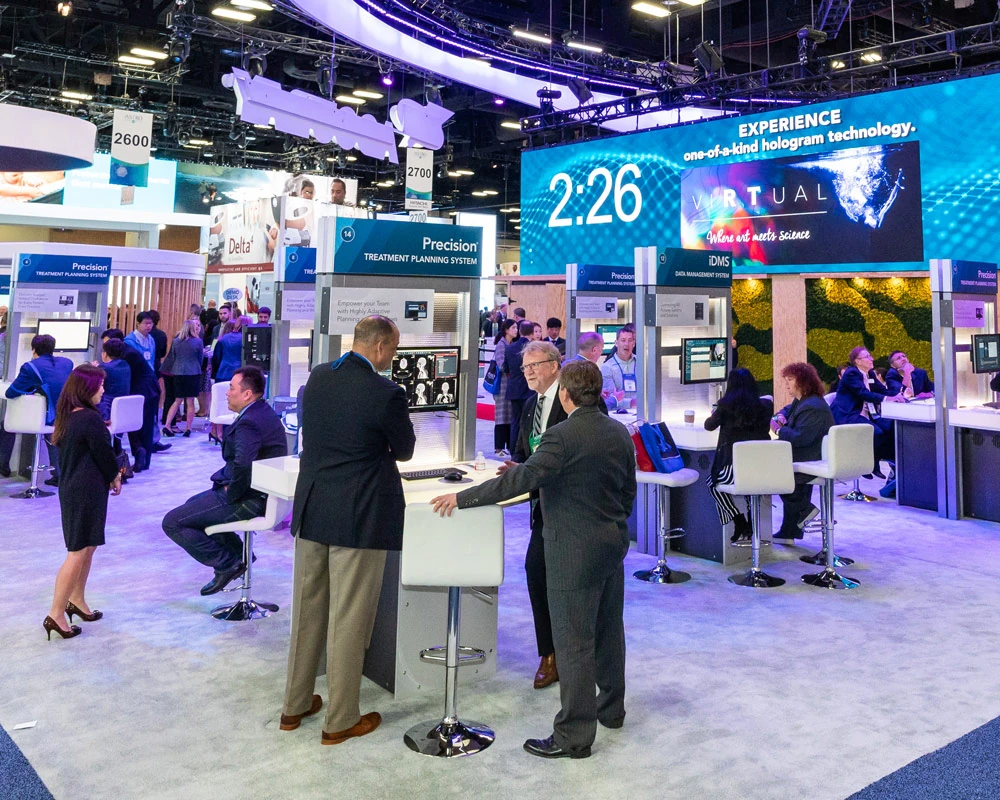
Strong planning covers healthcare trade show planning for the Greater Phoenix market, including venue selection, compliance checkpoints, booth build and freight logistics, and labor coordination at Phoenix Convention Center, WestWorld of Scottsdale, and the Tempe and Mesa conference hotel network. The project plan should turn venue rules, freight deadlines, labor windows, and exhibitor goals into a workable show schedule.
Healthcare shows demand compliance documentation, product-handling protocols, and security procedures most other industries skip. A device manufacturer exhibiting at Phoenix Convention Center files AV and electrical orders, provides product-safety datasheets if demonstrating live equipment, arranges booth staffing clearances for high-traffic public zones, and coordinates multiple freight shipments split between marketing collateral and temperature-sensitive demo inventory. The show contractor, house services team, and any exhibitor-appointed contractor all require different lead times, and missing one cuts into setup hours.
The Greater Phoenix market includes Phoenix Convention Center for citywide healthcare conventions, WestWorld of Scottsdale for consumer wellness expos, Talking Stick Resort for pharmaceutical conferences, and downtown Tempe ballrooms at Omni Tempe Hotel at ASU or The Westin Tempe for regional medical-device sales meetings. Each venue assigns different electrical capacities, rigging restrictions, and advance-order cutoffs, so planners verify venue manuals early instead of assuming uniform policies across the metro.
Healthcare Trade Show Planning Priorities
- Phoenix Convention Center North Building exhibit-hall electrical capacity, rigging approval workflow, and loading-dock scheduling patterns for multi-day healthcare conventions with device demonstrations and poster sessions
- Compliance documentation requirements specific to healthcare products, including FDA-cleared device labeling, biohazard-handling protocols, and booth-staff credential verification when exhibiting medical equipment or pharmaceuticals
- Freight sequencing for healthcare exhibits that ship marketing materials separately from temperature-controlled demo inventory, coordinating advance shipments to show-site receiving and direct-to-show logistics
- Hotel ballroom meeting space at Omni Tempe Hotel at ASU (36,000 square feet across seven meeting rooms) and The Westin Tempe for regional pharmaceutical sales meetings and medical-device training sessions
- Security and controlled-access procedures for booth inventory containing pharmaceuticals, high-value diagnostic equipment, or patient-identifiable demonstration materials that require locked storage overnight
Healthcare Event Venues and Facility Infrastructure
Phoenix Convention Center serves as the primary venue for citywide healthcare conventions and medical-device expos. The North Building provides 635,000 square feet of meeting and exhibition space across 11 exhibit halls, 56 meeting rooms, and 20 climate-controlled loading docks. Visit Phoenix confirms the interconnected campus includes three ballrooms, 99 meeting and breakout rooms, a 2,300-seat performance hall, and an Executive Conference Center. Electrical service runs to standard booth footprints, but high-draw diagnostic equipment or refrigerated demo stations require advance rigging approval and additional power drops coordinated through the official show contractor. Loading-dock assignments follow the show manual, and healthcare exhibitors shipping multiple freight categories confirm dock access windows before finalizing carrier schedules.
WestWorld of Scottsdale handles consumer wellness expos, holistic-health shows, and regional medical-supply trade events. The City of Scottsdale describes WestWorld as Scottsdale's premier venue, hosting equestrian events, car shows, festivals, and exhibitions year-round. The official host-an-event section lists versatile indoor and outdoor spaces including the Equidome and Monterra. Outdoor pavilions accommodate booth builds with standard pipe-and-drape or custom modular systems, while indoor halls support AV-intensive conference programs. Planners confirm electrical capacity and generator requirements early, since outdoor venue zones often require supplemental power distribution.
Mesa Convention Center offers 19,000 square feet of exhibit area and an additional 19,000 square feet of meeting space for East Valley healthcare programs. Visit Mesa describes Mesa Convention Center as a full-service meeting and event facility located downtown. The venue suits regional medical-association conferences, pharmaceutical sales kickoffs, and medical-device product launches that draw fewer than 300 attendees. Freight arrives through a single loading area, so exhibitors coordinate delivery timing with show management to avoid dock congestion during compressed move-in windows.
- Phoenix Convention Center North Building: 635,000 square feet across 11 exhibit halls with 20 climate-controlled loading docks and rigging infrastructure for device-demonstration zones
- WestWorld of Scottsdale Equidome and Monterra spaces for consumer wellness expos and regional medical-supply shows requiring outdoor pavilion flexibility and generator-backed electrical distribution
- Mesa Convention Center: 19,000 square feet of exhibit space with single loading area requiring coordinated freight timing for medical-device launches and pharmaceutical conferences under 300 attendees
Compliance, Regulatory, and Product-Handling Protocols
Healthcare exhibitors file compliance documentation before show-site setup begins. FDA-cleared medical devices display labeling that matches approved indications-for-use statements, and booth staff confirm product-demonstration protocols align with regulatory clearances. If the booth includes live diagnostic equipment, biohazard waste disposal, or patient-simulation materials, the exhibitor provides safety datasheets, waste-handling procedures, and staff-training verification to show management. Some citywide healthcare conventions require proof of professional liability coverage or booth-staff credential checks before issuing exhibitor badges, adding a step most other industries skip.
Temperature-sensitive inventory follows cold-chain protocols. Pharmaceutical samples, biologics, or refrigerated diagnostics ship under controlled conditions and transfer immediately to on-site refrigeration or climate-controlled storage arranged with show services. The official show contractor or house services team provides monitored storage if requested in advance, but exhibitors relying on this option confirm capacity limits, access hours, and temperature-monitoring procedures before the advance-order deadline. Booth designs incorporating refrigerated display cases or climate-controlled demo stations file electrical and HVAC specifications early, since venue load calculations affect circuit assignments.
Security protocols cover high-value inventory and controlled substances. Booths displaying pharmaceuticals, surgical instruments, or diagnostic hardware worth tens of thousands of dollars arrange overnight locked storage or on-floor security patrols coordinated through show management. Some venues require exhibitors to remove controlled inventory each evening and re-stock the following morning, while others allow locked booth enclosures if advance approval is granted. Planners verify venue-specific policies instead of assuming uniform security procedures across the Greater Phoenix market.
- FDA device labeling, biohazard-waste protocols, and booth-staff credential verification required for live medical-equipment demonstrations at Phoenix Convention Center and other healthcare-event venues
- Cold-chain logistics for pharmaceuticals and biologics, including advance coordination with show services for monitored refrigerated storage and climate-controlled booth HVAC supplementation
- Overnight security for high-value diagnostic equipment and controlled substances, following venue policies on locked storage, booth enclosures, and on-floor security patrols arranged through show management
- Professional liability coverage and safety-datasheet submission for booth demonstrations involving patient-simulation materials or diagnostic procedures requiring regulatory clearance documentation
Booth Design, Build, and Freight Sequencing
Healthcare booth builds integrate product-demonstration zones, private meeting spaces, and controlled-access storage. A 20x20 island booth might allocate half the footprint to an open demo area with AV screens and diagnostic equipment, a quarter to a lockable consultation room for sales meetings, and the remaining quarter to a secure storage cabinet for overnight inventory. The booth design accommodates electrical drops for demonstration equipment, data connections for live software demos, and lighting that meets product-visibility standards without washing out video displays. Rigging approvals cover overhead signage, suspended lighting, and any ceiling-hung AV components that exceed venue load limits.
Freight splits into marketing collateral, booth structure, and product inventory. Marketing materials (brochures, signage, giveaways) ship advance to show-site receiving under the exhibitor's advance warehouse agreement. Booth components (frames, counters, graphics) follow the general contractor's freight schedule and arrive during designated installation windows. Product inventory ships separately, often direct-to-show on the day before doors open, to minimize handling and reduce the risk of temperature excursions or damage during extended storage. Each freight category carries different labeling, different carrier instructions, and different receiving protocols, so exhibitors confirm which shipments qualify for advance warehouse and which require show-floor delivery.
Installation follows the show timeline, not the exhibitor's preference. The official show contractor sets move-in hours, assigns booth installation sequences, and enforces material-handling deadlines. An exhibitor planning a 30x30 custom build at Phoenix Convention Center confirms when riggers install overhead elements, when the booth contractor can begin floor assembly, and when product teams are allowed on-site to stock demo stations. Missing a deadline pushes setup into overtime labor windows or forces next-day completion, cutting rehearsal time and increasing costs.
- Booth layouts balancing open demo zones for diagnostic equipment with lockable consultation rooms and secure overnight storage, supported by electrical, data, and AV infrastructure meeting regulatory and visibility requirements
- Freight categories split across advance warehouse shipments (marketing collateral), general contractor schedules (booth structure), and direct-to-show delivery (temperature-sensitive product inventory) with distinct labeling and receiving protocols
- Move-in sequencing at Phoenix Convention Center following official show contractor timelines for rigging, floor assembly, and product stocking to avoid overtime penalties and preserve rehearsal windows before doors open
Service Coordination and Labor Workflows
Healthcare exhibitors coordinate with multiple service providers: the official show contractor for general services, house services for venue-specific utilities, and exhibitor-appointed contractors for custom booth builds or specialty AV. Each provider works under different jurisdictional rules and different advance-order cutoffs. The official show contractor handles material handling, freight delivery, and standard booth services like carpet, draping, and furniture rental. House services manage electrical power, water, gas, and internet connections governed by venue policies. Exhibitor-appointed contractors file insurance certificates, union coordination paperwork, and work schedules with show management before arriving on-site.
Advance orders lock in pricing and guarantee service delivery. An exhibitor ordering electrical service, internet, and material handling two weeks before move-in receives discounted rates; the same services ordered on-site during installation cost double or triple the advance price. Healthcare shows often impose earlier cutoffs than consumer events, since device-demonstration setups require specialized electrical configurations and longer pre-show testing windows. Planners review the exhibitor service manual when it releases, not the week before move-in, to capture advance pricing and confirm service availability.
Labor coordination follows venue and show-contractor rules. Union jurisdiction applies at Phoenix Convention Center, where exhibitors may install small booth elements but must hire union labor for tasks involving tools, ladders, or heavy lifting. Hotel ballroom programs at Omni Tempe Hotel at ASU or The Westin Tempe allow more exhibitor self-install flexibility, though AV rigging and electrical work still require house technicians. An exhibitor installing a 10x10 modular booth at a Tempe hotel ballroom can often assemble frames and graphics without hiring labor, while the same exhibitor at Phoenix Convention Center hires a booth contractor or union labor to handle identical tasks.
- Service-provider coordination across official show contractor (material handling, booth services), house services (electrical, internet, water), and exhibitor-appointed contractors (custom builds, specialty AV) under different jurisdictional rules and advance-order deadlines
- Advance-order pricing windows that close earlier for healthcare shows than consumer events, reflecting specialized electrical configurations and extended pre-show testing requirements for diagnostic-equipment demonstrations
- Union labor jurisdiction at Phoenix Convention Center requiring hired crews for tasks involving tools, ladders, and heavy lifting, versus hotel ballroom self-install flexibility at Omni Tempe Hotel at ASU for modular 10x10 builds with limited AV and electrical needs
Show-Site Operations, On-Floor Management, and Strike
On-floor management during show hours includes booth staffing, product demonstrations, lead capture, and inventory control. Healthcare exhibitors train booth staff on product-demonstration compliance, patient-privacy protocols if showing case studies, and lead-qualification procedures that respect attendee consent for follow-up contact. Booth teams monitor inventory levels for giveaway materials, brochures, and demo supplies, restocking from secure storage during low-traffic periods to avoid leaving the booth unstaffed. High-value equipment remains under visual supervision at all times, and exhibitors rotate staff schedules to maintain coverage throughout show hours.
Product demonstrations follow scripted protocols that align with regulatory clearances. A medical-device company demonstrating an FDA-cleared diagnostic tool ensures booth staff explain only approved indications for use, avoid off-label claims, and refer clinical questions to credentialed team members. If the demonstration includes patient data or simulation materials, the exhibitor confirms all displays comply with HIPAA de-identification standards and that booth staff understand confidentiality obligations. Some healthcare shows deploy compliance monitors who observe booth presentations and flag potential violations, so exhibitors brief staff thoroughly before doors open.
Strike follows the reverse sequence of installation. Exhibitors dismantle booth elements, pack product inventory, and separate outbound freight into return shipments and disposal categories. Temperature-sensitive materials that arrived under cold-chain protocols ship out the same way, with exhibitors arranging carrier pickup during designated freight-handling windows. The official show contractor coordinates material handling for booth components returning to storage or traveling to the next show, while exhibitors manage their own product inventory unless they purchase full-service packing and shipping through show services. Missing the freight-handling deadline means inventory sits on-site until the next available carrier pickup, adding storage fees and delaying the booth's availability for the next event.
- Booth-staff training on demonstration compliance, patient-privacy protocols, and lead-qualification procedures respecting attendee consent, with inventory monitoring and visual supervision of high-value diagnostic equipment throughout show hours
- Demonstration scripts aligned with FDA-cleared indications for use, HIPAA de-identification standards for patient data displays, and compliance-monitor oversight at healthcare conventions requiring regulatory adherence during on-floor presentations
- Strike logistics separating outbound freight into return shipments, disposal, and cold-chain product inventory, coordinated with official show contractor material-handling schedules to avoid on-site storage fees and next-show delays
Healthcare Trade Show Planning Questions
What compliance documentation do healthcare exhibitors need before move-in at Phoenix Convention Center?
Healthcare exhibitors file FDA device labeling, product-safety datasheets, biohazard-waste handling procedures, and booth-staff credential verification with show management before setup begins. Some citywide healthcare conventions require proof of professional liability coverage or regulatory clearance documentation for live diagnostic demonstrations.
How do freight logistics differ for healthcare exhibits compared to other industries?
Healthcare exhibits often split freight into marketing materials (advance warehouse shipment), booth structure (general contractor schedule), and temperature-sensitive product inventory (direct-to-show delivery). Cold-chain pharmaceuticals and biologics require monitored refrigerated storage and climate-controlled handling protocols most other industries skip.
What security procedures apply to booths displaying pharmaceuticals or high-value medical equipment?
Venues require overnight locked storage, on-floor security patrols, or booth enclosures approved in advance by show management. Some healthcare shows mandate that exhibitors remove controlled substances each evening and re-stock the following morning, while others allow locked storage if the exhibitor files the request before the advance-order deadline.
When do advance-order deadlines close for healthcare shows at Phoenix Convention Center?
Healthcare shows often impose earlier advance-order cutoffs than consumer events because device-demonstration setups require specialized electrical configurations and longer pre-show testing windows. Planners review the exhibitor service manual as soon as it releases to capture advance pricing and confirm service availability before deadlines pass.
Can healthcare exhibitors install their own booths at Tempe hotel ballrooms versus Phoenix Convention Center?
Hotel ballroom programs at Omni Tempe Hotel at ASU or The Westin Tempe allow more self-install flexibility for modular 10x10 booths, though AV rigging and electrical work still require house technicians. Phoenix Convention Center follows union jurisdiction rules requiring hired labor for tasks involving tools, ladders, or heavy lifting.