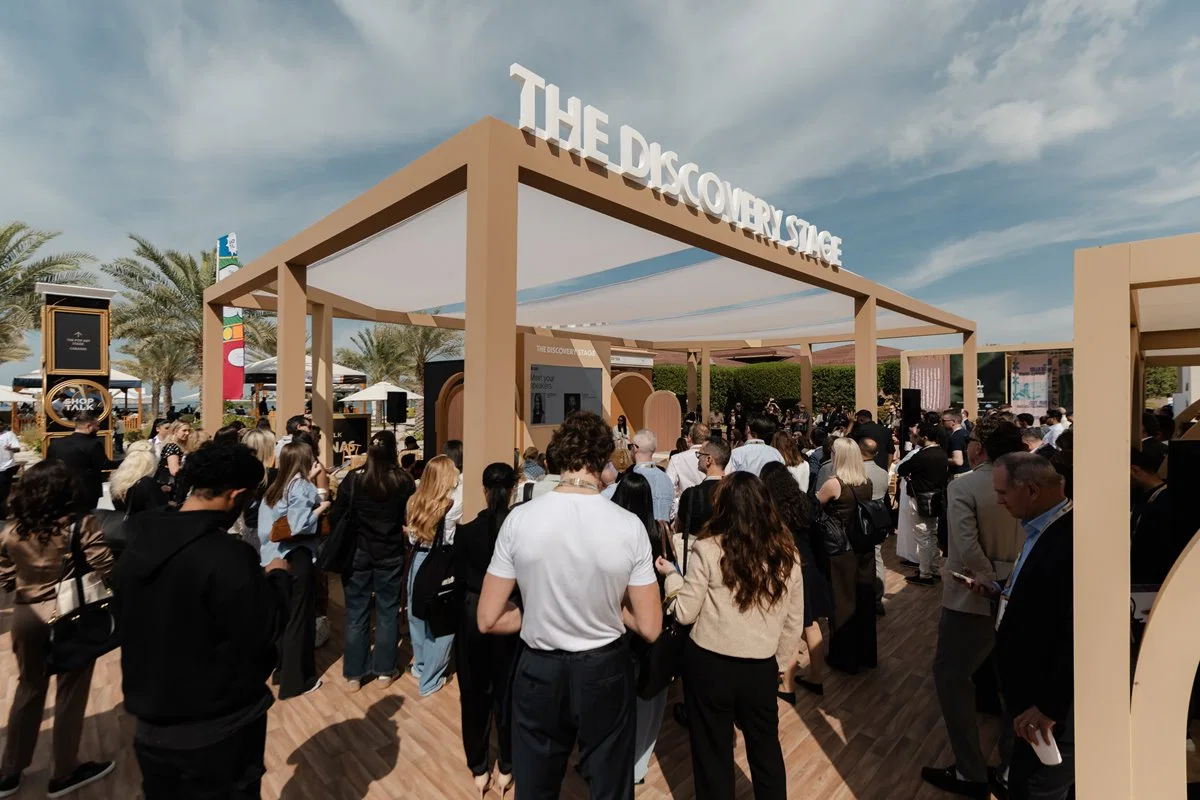
A brand activation is an experiential program designed to build awareness, drive engagement, and create measurable participant interactions with a product, service, or campaign message. These programs appear at conventions, conferences, consumer shows, product launches, and sponsor-event settings. The format includes booth environments, interactive demonstrations, sampling stations, photo moments, gamification setups, and VIP hospitality zones. Each activation requires coordination across venue rules, labor jurisdiction, electrical and AV infrastructure, freight timing, and staffing protocols. Planning starts with venue selection, date confirmation, footprint sizing, and sponsor deliverables, then moves through production timelines, advance ordering, load-in scheduling, show-floor operations, and post-event strike.
The Greater Phoenix metro offers venues ranging from Phoenix Convention Center's 635,000 square feet of exhibition space across eleven exhibit halls to WestWorld of Scottsdale's outdoor and indoor event campus, Mesa Convention Center's 19,000 square feet of exhibit area, and downtown Tempe hotel ballrooms including the Omni Tempe Hotel at ASU's 36,000 total square feet of meeting space. Each venue enforces distinct service rules, dock access schedules, and contractor jurisdiction. Phoenix Convention Center operates with house services, official show contractor protocols, and twenty climate-controlled loading docks. WestWorld allows more flexible outdoor builds but requires coordination with city permitting and seasonal weather variables. Hotel ballrooms follow property-specific service rules, advance-order deadlines, and house AV-electrical requirements. Understanding which venue fits the activation footprint, sponsor timeline, and budget is the first planning decision.
Strong planning covers brand activation planning as it applies to Tempe and the surrounding Phoenix metro event market. The project plan should turn venue rules, freight deadlines, labor windows, and exhibitor goals into a workable show schedule. Activations succeed when planners lock venue, date, and footprint early, then build production timelines around documented load-in windows, labor availability, and sponsor sign-off milestones. Common mistakes include underestimating dock-time competition during multi-show weekends, skipping advance electrical orders, and assuming hotel ballroom rigging capacity matches convention-center infrastructure. The planning sequence outlined here reflects real venue workflows, real freight timing, and real jurisdictional handoffs across the metro.
Brand Activation Planning Priorities
- Venue footprint and load-in access at Phoenix Convention Center, WestWorld of Scottsdale, Mesa Convention Center, and Tempe hotel ballrooms, with specific attention to dock schedules, freight-elevator capacity, and multi-show calendar conflicts
- Sponsor deliverables and timeline coordination, including creative approval deadlines, production lead times, advance-order cutoffs for electrical and AV, and pre-event walkthrough scheduling tied to venue access rules
- Interactive element planning such as gamification hardware, sampling permits, photo-moment structures, and participant-data capture systems, each requiring venue approval, electrical load calculations, and staffing protocols
- Labor jurisdiction and staffing coordination covering setup crews, on-floor brand ambassadors, technical operators, and strike teams, with clarity on Exhibitor Appointed Contractor rules versus house-service requirements at each venue
- Freight and logistics workflows from origin to venue dock, including advance warehouse receiving if needed, dock-appointment booking at Phoenix Convention Center's twenty loading docks, and vehicle access rules at WestWorld outdoor zones and hotel loading areas
Venue Selection and Footprint Planning
Brand activation venue selection in the Phoenix metro begins with matching activation goals, expected participant volume, and sponsor budget to venue capacity and service infrastructure. Phoenix Convention Center provides the largest footprint option with eleven exhibit halls, 56 meeting rooms, and 635,000 square feet of exhibition space, making it suitable for high-traffic activations embedded within larger conventions or expos. WestWorld of Scottsdale offers versatile indoor and outdoor spaces including the Equidome and Monterra venues, which accommodate automotive showcases, consumer product launches, and outdoor festival-style activations. Mesa Convention Center's 19,000 square feet of exhibit area and 19,000 square feet of meeting space serve smaller regional activations and East Valley corporate programs. Downtown Tempe hotel properties such as Omni Tempe Hotel at ASU, Tempe Mission Palms, and The Westin Tempe support conference-adjacent activations, VIP hospitality programs, and sponsor receptions in ballroom or terrace settings.
Footprint planning requires specific measurements tied to activation elements. Sampling stations need 400 to 600 square feet, photo installations occupy 200 to 400 square feet, interactive game setups require 600 to 1,000 square feet, and VIP hospitality lounges consume 1,200 to 2,500 square feet. Each element must account for electrical drops, network connectivity, rigging points, and clearance from fire exits and ADA pathways. Venue floor plans, rigging-load charts, and electrical-distribution maps inform these calculations.
Venue service rules vary significantly. Phoenix Convention Center mandates coordination with the official show contractor for general contracting services, rigging, electrical beyond booth drops, and material handling from dock to floor. House services cover HVAC, lighting in common areas, and dock management. Exhibitor Appointed Contractors can handle booth construction, graphics installation, and specialty elements if proper EAC credentials and certificates of insurance are filed in advance. WestWorld of Scottsdale allows more direct coordination with city permits and chosen contractors but requires alignment with event-specific producer rules if the activation is part of a larger show. Hotel ballrooms enforce property-exclusive rules for certain services, meaning house AV and electrical teams may be required for all power distribution, rigging, and internet access, with outside contractors limited to furniture rental and décor.
- Phoenix Convention Center eleven exhibit halls and 635,000 square feet accommodate convention-embedded activations with heavy foot traffic and multi-day schedules
- WestWorld of Scottsdale indoor and outdoor spaces including Equidome and Monterra support automotive showcases, outdoor product launches, and festival-format programs
- Omni Tempe Hotel at ASU 36,000 total square feet of meeting space and downtown Tempe ballroom inventory serve conference-adjacent activations and VIP hospitality zones
- Footprint sizing accounts for sampling stations, photo moments, interactive game setups, VIP lounges, electrical drops, rigging points, and ADA clearance requirements
Interactive Elements and Technology Integration
Interactive brand activations integrate technology elements such as touchscreen kiosks, gamification hardware, data-capture tablets, LED video walls, projection mapping, RFID badge scanners, and live-streaming setups. Each component requires electrical load planning, network connectivity, and technical staffing. A single 55-inch touchscreen kiosk running interactive content typically draws 200 to 400 watts and requires wired network access or reliable WiFi with dedicated bandwidth. LED video walls demand higher power loads, with a 10-foot by 6-foot wall consuming 1,500 to 3,000 watts depending on pixel density and brightness settings. Projection mapping installations require controlled ambient lighting, rigging points for projectors, and content-playback servers with backup systems. RFID badge scanning for lead capture integrates with show-floor registration databases and sponsor CRM platforms, requiring advance API setup and data-privacy compliance.
Venue electrical infrastructure limits what can be deployed without custom builds. Phoenix Convention Center provides standard booth electrical packages with 110V or 208V single-phase and three-phase options, ordered in advance through the official show contractor. Custom electrical runs for high-draw equipment such as large LED walls or multiple projectors require engineering review, additional amperage allocation, and premium pricing. Hotel ballrooms typically cap electrical loads at 20 amps per circuit without advance custom orders, and house AV departments often control all power distribution, meaning external tech vendors must coordinate closely with property teams. WestWorld outdoor zones may require generator rental for activations staged away from permanent electrical hookups, adding fuel logistics, noise ordinances, and generator placement tied to participant-flow design.
Gamification setups such as prize wheels, VR stations, AR photo booths, or arcade games require on-floor technical operators, spare hardware, and participant-instruction signage. VR stations need dedicated floor space, electrical power, sanitation supplies for shared headsets, and queue management. AR booths require stable internet, photo-print hardware if offering keepsakes, and data-capture consent protocols. Staffing includes brand ambassadors trained on the technology, technical support with troubleshooting skills, and supervisors who escalate issues during show hours.
- Touchscreen kiosks, LED video walls, projection mapping, and RFID badge scanners each require electrical load planning, network connectivity, and technical-operator staffing during show hours
- Phoenix Convention Center standard booth electrical packages and custom high-amperage runs through official show contractor engineering review support large-scale tech deployments
- Hotel ballroom electrical caps at 20 amps per circuit and house AV control require advance coordination with property teams for video walls, projectors, and gaming setups
- VR stations, AR photo booths, and gamification hardware require dedicated floor space, queue management, sanitation protocols, and technical support personnel with troubleshooting skills
Sampling Programs and Regulatory Compliance
Sampling programs distribute product samples, beverages, food items, or promotional materials to attendees as part of the activation experience. Regulatory compliance varies by product type and venue jurisdiction. Food and beverage sampling requires health-department permits, safe food-handling certifications for staff, refrigeration or warming equipment, and waste-disposal protocols. Alcoholic beverage sampling at venues in Arizona requires compliance with state liquor laws, including age verification, licensed pouring personnel, designated consumption zones, and coordination with venue alcohol policies. Phoenix Convention Center and hotel properties enforce strict rules on outside food and beverage, often requiring catering through approved vendors or obtaining written exceptions. WestWorld outdoor events may allow more flexibility but still require city of Scottsdale health permits and waste management.
Cosmetic and personal-care sampling must follow FDA labeling rules and allergen warnings. Live application demonstrations require staff training and sanitation standards. Medical-device or pharmaceutical sampling may trigger additional requirements. Each program should include legal review of messaging and packaging.
Logistics include advance freight shipments, refrigerated storage if perishable, inventory tracking during show hours, and disposal post-event. A sampling activation distributing 5,000 units over three days at Phoenix Convention Center requires freight receiving at loading docks, staging space on-floor or back-of-house, replenishment schedules, and final counts before strike. Weight and case counts affect dock-time allocation. Refrigeration units require rental, electrical hookup, and placement within fire-code clearances.
- Food and beverage sampling requires Arizona health permits, safe food-handling certifications, refrigeration or warming equipment, and venue-approved catering coordination at Phoenix Convention Center and hotel properties
- Alcoholic beverage sampling requires state liquor-law compliance, age verification, licensed pouring staff, and designated consumption zones within venue alcohol policies
- Cosmetic and personal-care sampling must follow FDA labeling rules, allergen warnings, and sanitation standards for live application demonstrations
- Advance freight shipments, refrigerated storage for perishables, on-floor inventory replenishment schedules, and post-event disposal logistics are required for high-volume sampling programs
Staffing and Brand Ambassador Coordination
Brand activation staffing includes brand ambassadors who engage participants, technical operators who run interactive elements, setup and strike crews, supervisors, and optional specialty roles such as photographers, live-stream producers, or product demonstrators. Brand ambassadors require training on activation messaging, product knowledge, data-capture protocols, and de-escalation techniques if participant volume creates crowding or tension. Training can occur on-site before show-floor opening or remotely in advance via video sessions and written materials. Supervisors monitor ambassador performance, manage shift rotations, handle supply replenishment, and escalate technical or logistical issues to the activation producer.
Labor jurisdiction at Phoenix Convention Center follows official show-contractor rules for rigging, electrical work beyond simple plug-in, and material handling. Booth setup performed by exhibitor-appointed contractors or exhibitor-owned crews is allowed if proper EAC paperwork and insurance certificates are filed. Brand ambassadors and technical operators working during show hours are typically not subject to union jurisdiction but must comply with venue badge and security requirements. Hotel ballrooms may enforce house-labor rules for AV setup, furniture moving, and electrical connections, requiring coordination with property event services. WestWorld outdoor activations allow more flexible staffing but must comply with city permits if public streets or parks are involved.
Shift planning accounts for show-floor hours, breaks, meals, and reporting. A three-day activation at Phoenix Convention Center requires coverage across eight-hour shifts with multiple ambassadors or staggered starts. Technical operators need extended hours for pre-show testing and post-show data export. Strike crews work overnight to meet move-out deadlines.
- Brand ambassadors require training on activation messaging, product knowledge, data-capture protocols, and participant engagement techniques delivered on-site or remotely before show-floor opening
- Phoenix Convention Center official show-contractor rules cover rigging, electrical work, and material handling, with Exhibitor Appointed Contractor credentials required for booth setup by outside crews
- Hotel ballroom house-labor rules for AV setup, furniture moving, and electrical connections require coordination with property event-services teams and may limit external crew responsibilities
- Multi-day activation shift planning accounts for show-floor hours, ambassador breaks, meal periods, end-of-day reporting, and overnight strike crews meeting venue move-out deadlines
Freight Logistics and Move-In Coordination
Freight logistics for brand activations begin with advance shipping to the venue or to a local warehouse for receiving, inventory verification, and scheduled delivery during designated move-in windows. Phoenix Convention Center's twenty climate-controlled loading docks operate on appointment schedules tied to show-specific move-in calendars. Advance warehouse receiving allows freight to arrive before venue docks open, reducing last-minute delays and dock congestion. Official show contractors typically manage material handling from dock to booth location, charging by weight or case count. Direct-to-show shipments must arrive during exhibitor move-in hours, which vary by booth size and show producer rules.
Activation elements arrive in multiple shipments from different vendors. Consolidation at a local warehouse before venue delivery simplifies dock scheduling and reduces material-handling fees. Case labeling with booth number and content description ensures proper routing. Weight limits, often capped at 100 to 150 pounds, prevent additional labor charges. Oversized items require dedicated dock appointments and rigger coordination.
Hotel ballroom activations face tighter freight constraints. Loading docks at properties like Omni Tempe Hotel at ASU serve catering, housekeeping, and multiple event setups simultaneously, meaning advance coordination with the property events team and compressed delivery windows. Freight elevators may have size and weight limits that prohibit full crates, requiring on-site disassembly and hand-carried staging. WestWorld outdoor activations allow vehicle access to setup zones in some areas, reducing manual handling but requiring site-plan approval and vehicle-access permits from show producers or city officials. Post-event strike follows reverse logistics, with freight consolidated for return shipment or disposal, and all materials removed from venue premises by contractual deadlines.
- Phoenix Convention Center twenty climate-controlled loading docks operate on appointment schedules tied to move-in calendars, with advance warehouse receiving reducing dock congestion and last-minute delays
- Consolidation of activation elements at local warehouses before venue delivery simplifies dock scheduling, reduces material-handling fees, and ensures proper case labeling with booth number and content description
- Hotel ballroom freight constraints at properties like Omni Tempe Hotel at ASU require advance coordination with event services, compressed delivery windows, and freight-elevator size and weight-limit compliance
- WestWorld outdoor activations allow vehicle access to setup zones with site-plan approval and permits, reducing manual handling but requiring coordination with show producers or city officials
Brand Activation Planning FAQs
What is the difference between a brand activation and a traditional trade-show booth?
A traditional booth focuses on sales conversations and lead capture. A brand activation prioritizes experiential engagement through sampling, gamification, photo moments, or demonstrations. Activations appear within larger events or as standalone programs. Planning differs because activations require detailed attention to participant flow, engagement staffing, interactive technology, and regulatory compliance for sampling.
How do venue electrical and AV requirements differ between Phoenix Convention Center and Tempe hotel ballrooms?
Phoenix Convention Center provides standard booth electrical packages with 110V or 208V options ordered through the official show contractor, with custom high-amperage runs available after engineering review. Hotel ballrooms such as those at Omni Tempe Hotel at ASU typically cap electrical at 20 amps per circuit and require all power distribution, rigging, and AV setup to be coordinated through house event-services teams. Outside AV vendors at hotels must work within property-exclusive rules, and custom electrical or rigging often carries premium pricing. Convention centers allow more Exhibitor Appointed Contractor flexibility for booth builds, while hotel properties enforce stricter house-service boundaries.
What permits are required for food and beverage sampling at Phoenix metro venues?
Food sampling requires Arizona health-department permits, safe food-handling certifications for staff, and compliance with venue catering policies. Phoenix Convention Center and hotel properties often mandate use of approved catering vendors or require written exceptions for outside food. Alcoholic beverage sampling requires compliance with Arizona state liquor laws, including age verification, licensed pouring personnel, and designated consumption zones approved by the venue. WestWorld outdoor events require city of Scottsdale health permits and waste-management plans. Each venue enforces distinct rules, so permit applications and vendor approvals must be initiated early in the planning timeline.
How does labor jurisdiction affect setup and strike for brand activations at Phoenix Convention Center?
Phoenix Convention Center labor follows official show-contractor rules for rigging, electrical work beyond plug-in, and material handling. Exhibitor Appointed Contractors can perform booth setup if EAC credentials and insurance are filed in advance. Brand ambassadors working show hours are not typically subject to union jurisdiction but must comply with badge requirements. Strike crews can be exhibitor-owned or EAC-provided, but all materials must be removed by deadlines.
What freight logistics should be planned for a multi-element activation at WestWorld of Scottsdale?
WestWorld activations require coordination with show producers or city permits for vehicle access to outdoor setup zones. Advance warehouse receiving consolidates freight from multiple vendors, allowing scheduled delivery during designated move-in windows and reducing on-site delays. Case labeling with activation name, booth location, and content description ensures proper routing. Oversized elements such as large structures, LED walls, or refrigeration units may need dedicated delivery appointments and rigger support. Post-event strike logistics include freight consolidation for return shipment or disposal, with all materials removed by venue deadlines. Site-plan approval from event producers or city officials is required for vehicle access and large-scale outdoor builds.