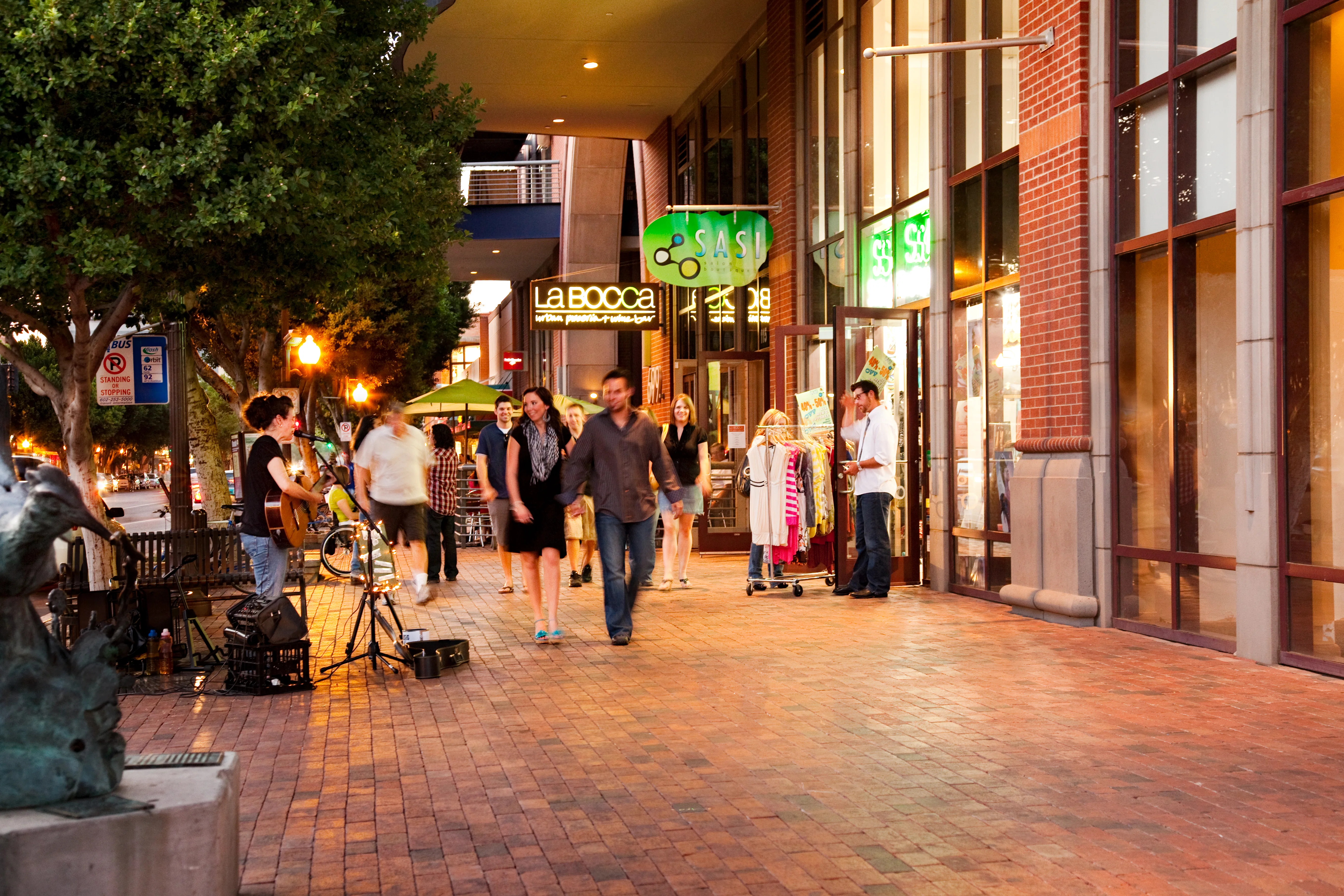
Strong planning covers trade show and conference planning for events in and around Downtown Tempe, Arizona. Downtown Tempe includes the Mill Avenue District, the hotel cluster along University Drive and Rio Salado Parkway, and the waterfront development near Tempe Town Lake. The district sits five miles from Phoenix Sky Harbor International Airport via US-60 or Loop 202, and planners often use Downtown Tempe hotel inventory for overflow, sponsor events, or VIP programs when exhibiting at Phoenix Convention Center or Mesa Convention Center.
Tempe Tourism reports that the city has more than 7,100 hotel rooms, 140,000 square feet of meeting space across 30-plus unique venues, and 28-plus miles of rail and streetcar access. Downtown Tempe provides conference hotels, ballroom programs, and nightlife adjacency, rather than large exhibit hall capacity. Events that require large floor plates or multi-hall layouts typically route to Phoenix Convention Center (635,000 square feet across 11 exhibit halls in the North Building) or WestWorld of Scottsdale. Downtown Tempe handles conference breakouts, smaller expo footprints, sponsor receptions, and campus-adjacent activations.
Freight arriving from I-10 corridors or from suppliers along Loop 101 typically reaches Downtown Tempe via US-60 to Rural Road or Mill Avenue exits. Peak inbound congestion on US-60 runs from about 6:30 AM to 9:30 AM and again from 3:30 PM to 7:00 PM on weekdays. Delivery coordination for hotel ballroom programs follows house-services procedures at each property, rather than the centralized dock sequencing used at Phoenix Convention Center or WestWorld. Advance shipping to hotel properties requires coordinated arrival windows, particularly at Omni Tempe Hotel at ASU during academic event seasons when university conferences overlap with corporate and association meetings.
What Shapes Downtown Tempe Trade Show Planning
- US-60 and Loop 202 freight timing to Downtown Tempe from Sky Harbor or East Valley suppliers: off-peak runs from the airport take about twelve minutes, while peak-hour congestion can stretch the same route past thirty minutes
- Omni Tempe Hotel at ASU with 330 rooms, seven meeting rooms, and 36,000 total square feet of meeting space versus Tempe Mission Palms and The Westin Tempe as alternative ballroom and breakout hosts in the district
- ASU academic calendar overlap when university conferences, sponsor activations, and civic events compress Downtown Tempe hotel and venue availability during fall and spring semesters
- Mill Avenue pedestrian geography and parking capacity when post-show receptions, sponsor dinners, or attendee social programs route to restaurants and bars within the district's walkable core
- Phoenix Convention Center as the primary regional expo anchor eleven miles northwest via I-10, with Downtown Tempe hotel inventory functioning as overflow lodging, breakout space, or satellite event support
Downtown Tempe Venue Inventory and Event Geography
Omni Tempe Hotel at ASU anchors the district's conference capacity with 330 rooms and 36,000 square feet of meeting space distributed across seven meeting rooms. The property sits along University Drive adjacent to the ASU campus, making it a frequent choice for academic conferences, corporate training sessions, and association meetings that benefit from university adjacency. Tempe Mission Palms and The Westin Tempe provide additional ballroom and breakout inventory within the Mill Avenue and Rio Salado corridor. Smaller venues such as Tempe Center for the Arts, Arizona Heritage Center, and Old Main at ASU support niche events, receptions, and sponsor programs, but they do not replace the square footage or loading infrastructure available at larger convention centers.
Downtown Tempe does not compete with Phoenix Convention Center for citywide conventions or large expo floor requirements. Phoenix Convention Center's North Building alone offers 635,000 square feet of meeting and exhibition space, 11 exhibit halls, 56 meeting rooms, and 20 climate-controlled loading docks. Teams planning events with multi-hall layouts, large booth counts, or floor-plate requirements above 20,000 square feet typically route to Phoenix or, for equestrian-adjacent shows or outdoor event components, to WestWorld of Scottsdale. Downtown Tempe's strength is conference density, hotel walkability, and nightlife access, rather than large-scale expo infrastructure.
ASU 365 Community Union at Mountain America Stadium and Electric Pickle appear in Tempe Tourism's official meeting planner guide as additional event options, though they serve distinct event types. The Community Union functions as a campus event venue with flexible indoor and outdoor spaces. Electric Pickle operates as a boutique event and activation space. Both venues address niche demand, and neither replicates the ballroom program structure or overnight lodging integration of Omni Tempe Hotel at ASU or Tempe Mission Palms.
- Omni Tempe Hotel at ASU provides the largest single concentration of meeting space in the district with 36,000 square feet across seven rooms and 330 overnight rooms on property
- Tempe Mission Palms and The Westin Tempe serve as secondary ballroom hosts and provide alternative lodging for attendees when Omni Tempe reaches capacity during peak conference seasons
- Phoenix Convention Center sits eleven miles northwest via I-10 and functions as the primary regional anchor for large expos, with Downtown Tempe hotel inventory often used for overflow lodging or satellite events
- ASU academic event calendar overlaps with corporate and association conference demand during fall and spring semesters, compressing hotel availability and requiring earlier room-block negotiation
Freight and Logistics for Downtown Tempe Conference Events
Freight arriving at Downtown Tempe conference hotels follows house-services dock procedures rather than the centralized loading-dock sequencing used at Phoenix Convention Center or Mesa Convention Center. Each property manages its own receiving schedule, load-in windows, and dock access. Omni Tempe Hotel at ASU, Tempe Mission Palms, and The Westin Tempe each have distinct advance shipping protocols, dock capacities, and storage constraints. Planners coordinating multi-day conferences or events with significant AV, décor, or booth components confirm dock availability, storage timelines, and unloading fees before finalizing production schedules.
US-60 serves as the primary inbound route from Phoenix Sky Harbor International Airport and from I-10 East Valley corridors. The airport sits five miles northwest; off-peak drive time from Sky Harbor cargo terminals to Downtown Tempe hotel properties averages twelve to fifteen minutes. Peak-hour congestion on US-60 between 6:30 AM and 9:30 AM and again from 3:30 PM to 7:00 PM can extend the same route past thirty minutes. Loop 202 provides an alternative routing option for freight originating from East Mesa, Chandler, or Gilbert suppliers, connecting to Mill Avenue or Rural Road exits without traversing I-10 or central Phoenix.
Smaller booth footprints, tabletop displays, and conference graphics typical of Downtown Tempe hotel ballroom programs often arrive via single sprinter van or box truck rather than full semi-trailer. These lighter freight patterns reduce dock congestion but still require advance coordination with hotel loading staff. Larger installations or multi-room conference setups may require multiple delivery windows and phased unloading, particularly when academic events or corporate training sessions overlap at the same property. Load-out timing after an event follows the same coordination rhythm, with strike schedules designed around hotel check-in activity and subsequent event load-ins.
- US-60 from Phoenix Sky Harbor to Downtown Tempe runs about twelve minutes off-peak and past thirty minutes during 6:30 to 9:30 AM or 3:30 to 7:00 PM weekday windows
- Hotel dock access at Omni Tempe, Tempe Mission Palms, and The Westin Tempe operates on property-specific advance shipping schedules rather than a shared or centralized loading sequence
- Smaller booth and tabletop programs typical of Downtown Tempe ballroom events often arrive via sprinter van or box truck, reducing trailer length constraints but still requiring dock-time coordination
- Loop 202 provides alternative inbound routing from East Valley suppliers in Chandler, Mesa, or Gilbert without requiring I-10 or central Phoenix traversal
Hotel Blocks and Attendee Lodging Considerations
Tempe Tourism reports more than 7,100 hotel rooms across the city, with Downtown Tempe contributing a substantial portion of that inventory through properties along Mill Avenue, University Drive, and Rio Salado Parkway. Omni Tempe Hotel at ASU anchors the conference lodging cluster with 330 rooms on property. Additional inventory includes Tempe Mission Palms, The Westin Tempe, Canopy by Hilton Tempe Downtown, DoubleTree by Hilton Phoenix Tempe, and Embassy Suites by Hilton Phoenix Tempe. This concentration supports multi-night room blocks for conferences, association meetings, and smaller trade shows that do not require the 1,000-plus room blocks typical of citywide conventions at Phoenix Convention Center.
ASU's academic calendar influences room-block availability and pricing during fall and spring semesters. University conferences, commencement weekends, athletic events, and sponsor activations compress available inventory in Downtown Tempe, particularly at properties adjacent to campus. Planners securing room blocks for events scheduled during these windows negotiate earlier and confirm attrition clauses that account for academic event overlap. Summer months and winter breaks provide wider availability and more flexible rate structures.
Attendees exhibiting or staffing events at Phoenix Convention Center sometimes prefer Downtown Tempe lodging because of Mill Avenue restaurant and nightlife access, even though the drive to the Phoenix Convention Center campus is about twenty-five minutes via I-10 during off-peak hours. This routing pattern creates secondary demand for Downtown Tempe hotel inventory during large Phoenix-based shows, though shuttle coordination and morning commute timing become planning considerations.
- Omni Tempe Hotel at ASU provides 330 rooms on property with integrated meeting space, while Tempe Mission Palms, The Westin Tempe, and other Downtown Tempe hotels contribute additional room-block inventory
- ASU academic calendar compresses Downtown Tempe hotel availability during fall and spring semesters, requiring earlier room-block negotiation and attrition-clause planning
- Phoenix Convention Center sits about twenty-five minutes northwest via I-10 during off-peak hours, and some attendees choose Downtown Tempe lodging for Mill Avenue nightlife access despite the commute distance
- Summer and winter academic breaks provide wider hotel availability and more flexible rate structures for conference and expo planners in Downtown Tempe
Coordination with Wider Valley Venue and Supplier Networks
Downtown Tempe operates within a larger Southeast Valley and Phoenix metro event ecosystem. Phoenix Convention Center, WestWorld of Scottsdale, Talking Stick Resort, Arizona State Fairgrounds, Mesa Convention Center, and hotel ballroom programs across Scottsdale, Phoenix, Mesa, and Chandler all compete for and complement event demand. Planners often use Downtown Tempe for breakout sessions, sponsor dinners, or VIP receptions while routing primary expo floor activity to Phoenix Convention Center or WestWorld. This multi-venue coordination requires aligning load-in schedules, labor crews, and transportation logistics across properties separated by ten to twenty miles of freeway travel.
Supplier and contractor networks in the Valley serve Downtown Tempe alongside other metro venues. Graphics shops, booth fabricators, AV vendors, and freight-handling services typically operate from warehouse locations along I-10, Loop 101, or US-60 corridors in Phoenix, Tempe, Mesa, or Chandler. Delivery timing to Downtown Tempe hotel properties depends on origin location and freeway congestion patterns. A supplier warehouse in East Mesa may route via Loop 202, while a Phoenix-based shop uses I-10 to US-60. Understanding these routing variations helps planners set realistic arrival windows and avoid dock conflicts at hotel properties with limited receiving capacity.
Labor jurisdiction for events in Downtown Tempe follows venue policies rather than a single metro-wide structure. Hotel ballroom setups at Omni Tempe or Tempe Mission Palms typically fall under house-services teams or official show contractor agreements negotiated by the event organizer. Exhibitor Appointed Contractor (EAC) permissions, if allowed, depend on the specific hotel contract and show manual. This differs from Phoenix Convention Center, where centralized labor coordination and EAC rules are published in venue guidelines and show-specific manuals. Planners confirm labor jurisdiction and EAC permissions directly with each Downtown Tempe property before finalizing vendor contracts.
- Phoenix Convention Center (eleven miles northwest via I-10) and WestWorld of Scottsdale serve as primary expo anchors, with Downtown Tempe hotel inventory often used for breakout sessions or sponsor events during large regional shows
- Supplier warehouses along I-10, Loop 101, and US-60 corridors in Phoenix, Tempe, Mesa, or Chandler create varying delivery-time windows depending on origin location and peak-hour congestion patterns
- Labor jurisdiction at Downtown Tempe hotel ballrooms follows property-specific house-services agreements or official show contractor rules, rather than a single centralized structure like Phoenix Convention Center
- Multi-venue coordination across Downtown Tempe, Phoenix, and Scottsdale requires aligning load-in schedules, labor crews, and attendee transportation when a single event spans multiple properties
Planning Considerations for Downtown Tempe Trade Show and Conference Programs
Downtown Tempe works best for conference-heavy events, smaller expo footprints, sponsor receptions, and campus-adjacent activations. Events requiring large exhibit halls, multi-hall layouts, or floor plates above 20,000 square feet route to Phoenix Convention Center, WestWorld of Scottsdale, or Arizona State Fairgrounds instead. Planners choosing Downtown Tempe prioritize hotel walkability, Mill Avenue nightlife access, ASU campus adjacency, and the ability to concentrate attendees within a compact geography. These factors matter more for association meetings, corporate training sessions, and niche trade shows than for large consumer expos or industrial trade shows with heavy freight and rigging demands.
Advance planning timelines in Downtown Tempe account for ASU academic calendar overlap, hotel room-block compression during peak semesters, and the coordination required when splitting event components across multiple properties. Planners typically secure room blocks six to twelve months in advance for events scheduled during fall or spring semesters. Summer and winter breaks allow shorter lead times. Dock access, storage, and load-in window coordination with hotel house-services teams should happen at least sixty days before event dates, particularly at Omni Tempe Hotel at ASU when multiple conferences or academic events overlap.
Post-show strike and freight departure follow the same property-specific dock schedules as load-in. Hotels with back-to-back events or limited storage capacity enforce strict load-out deadlines. Planners coordinate strike timing with labor crews, freight carriers, and hotel staff to avoid penalties or storage fees. Material destined for Phoenix Convention Center, Mesa Convention Center, or other subsequent shows in the Valley can route directly from Downtown Tempe properties via US-60, I-10, or Loop 202, depending on the next venue's location and the carrier's preferred routing.
- Downtown Tempe suits conference-heavy programs, smaller expo footprints, and sponsor events, while large multi-hall expos route to Phoenix Convention Center or WestWorld of Scottsdale instead
- Room-block negotiation six to twelve months in advance is typical for events scheduled during fall or spring semesters when ASU academic demand compresses hotel availability
- Dock-access coordination with hotel house-services teams at least sixty days before event dates reduces load-in conflicts, particularly at Omni Tempe Hotel at ASU during peak academic conference seasons
- Post-show freight departure from Downtown Tempe to subsequent Valley venues routes via US-60, I-10, or Loop 202 depending on destination and carrier preference
Downtown Tempe Trade Show Planning Questions
What is the largest meeting property in Downtown Tempe?
Omni Tempe Hotel at ASU provides the largest single concentration of meeting space in the district with 36,000 square feet across seven meeting rooms and 330 overnight rooms on property. Tempe Mission Palms and The Westin Tempe serve as secondary ballroom and breakout hosts. None of these properties replicate the exhibit hall capacity of Phoenix Convention Center or the outdoor event infrastructure of WestWorld of Scottsdale.
How does freight timing from Phoenix Sky Harbor to Downtown Tempe work?
Phoenix Sky Harbor International Airport sits five miles northwest of Downtown Tempe via US-60. Off-peak drive time from airport cargo terminals to hotel properties along Mill Avenue or University Drive averages twelve to fifteen minutes. Weekday peak-hour congestion between 6:30 AM and 9:30 AM and again from 3:30 PM to 7:00 PM can extend the same route past thirty minutes. Planners coordinate delivery windows outside these congestion periods when possible.
When does ASU academic calendar affect Downtown Tempe hotel availability?
Fall and spring semesters bring university conferences, commencement weekends, athletic events, and sponsor activations that compress hotel room-block availability in Downtown Tempe. Properties adjacent to campus, particularly Omni Tempe Hotel at ASU, experience the strongest demand during these windows. Summer months and winter breaks provide wider availability and more flexible rate structures for conference and trade show planners.
Can Downtown Tempe handle large expo programs?
Downtown Tempe handles conference breakouts, smaller expo footprints, sponsor receptions, and campus-adjacent activations, but it does not compete with Phoenix Convention Center for large multi-hall expos or events requiring floor plates above 20,000 square feet. Phoenix Convention Center's North Building alone offers 635,000 square feet across 11 exhibit halls with 20 climate-controlled loading docks. Events with heavy freight, rigging, or large booth counts route to Phoenix or WestWorld of Scottsdale instead.
How do labor and EAC rules work at Downtown Tempe hotel ballrooms?
Labor jurisdiction at Downtown Tempe hotel properties follows each venue's house-services agreements or official show contractor rules, rather than a single metro-wide structure. Exhibitor Appointed Contractor permissions depend on the specific hotel contract and show manual. Planners confirm labor jurisdiction, EAC permissions, dock access, and unloading fees directly with each property before finalizing vendor contracts or production schedules.