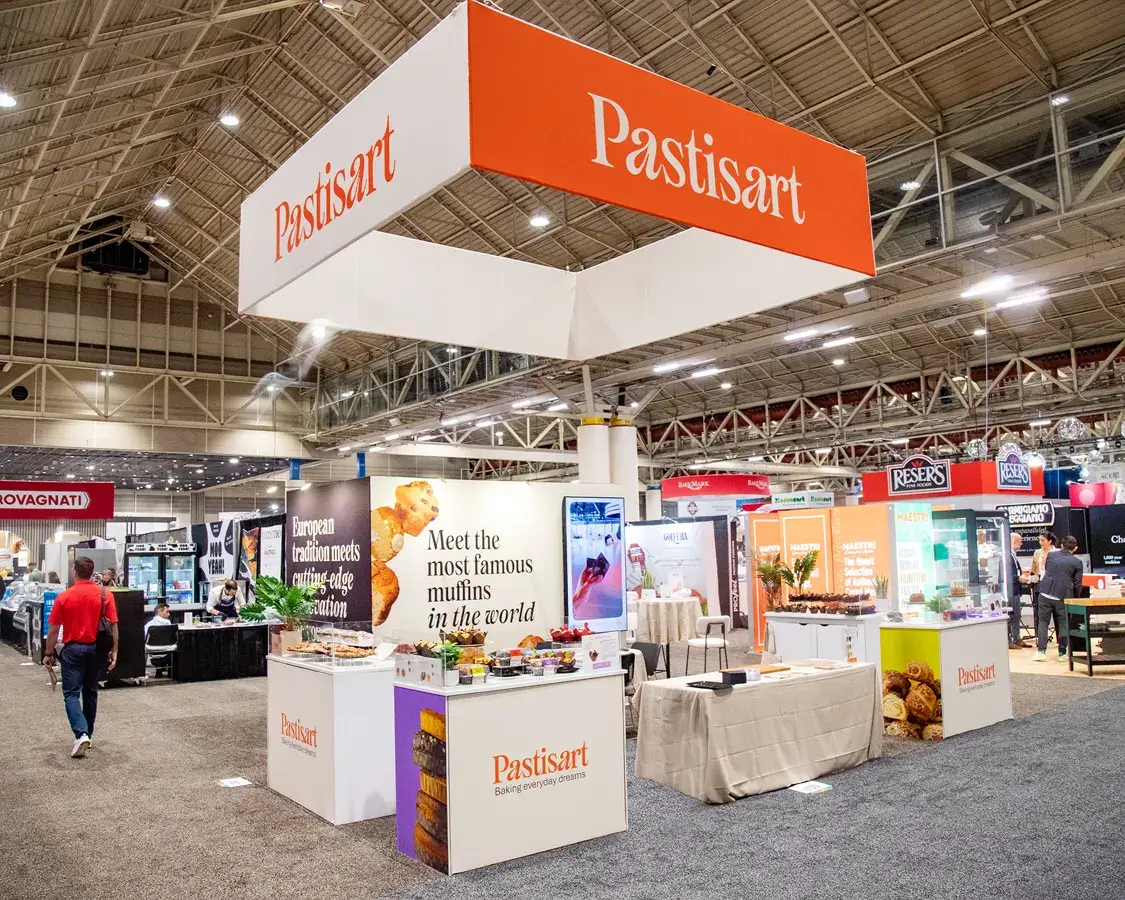
Strong planning covers food and beverage trade show planning for events running through Greater Phoenix venues, including Phoenix Convention Center, WestWorld of Scottsdale, Mesa Convention Center, Arizona State Fairgrounds, and Tempe hotel ballroom programs. The guidance below addresses booth design, freight coordination, regulatory compliance, and venue-specific workflows relevant to food and beverage exhibitors. The project plan should turn venue rules, freight deadlines, labor windows, and exhibitor goals into a workable show schedule.
Food and beverage events range from specialty-coffee expos with three hundred inline booths to restaurant-equipment shows occupying two hundred thousand square feet of contiguous exhibit hall space at Phoenix Convention Center. Sample handling, refrigeration continuity, alcohol permitting, and health-department inspection schedules add layers of coordination beyond standard booth install workflows. Exhibitors shipping perishable inventory or live product demonstrations need written confirmation of cold-storage access, electrical capacity for refrigeration circuits, and venue policies governing food preparation on the show floor.
The Greater Phoenix Economic Council identifies food and beverage sectors as regional demand drivers, which translates to steady show activity across convention centers and fairgrounds. Most events follow a multi-day format with buyer days, public sessions, and dedicated education tracks. Planning starts with venue selection, electrical and plumbing advance orders, health permit applications, and freight schedules that account for temperature-sensitive cargo. Exhibitors working multiple shows per season benefit from documenting venue-specific requirements and building reusable compliance checklists.
Food and Beverage Trade Show Planning Considerations
- Phoenix Convention Center North Building refrigeration capacity and loading-dock cold-chain handoff procedures for perishable freight arriving during advance move-in windows
- WestWorld of Scottsdale outdoor event-space adaptation for beverage tastings and culinary demonstrations, including potable-water hookups and gray-water disposal coordination
- Maricopa County Environmental Health Department inspection schedules and temporary food-establishment permits required before any on-floor food handling or sampling activity begins
- Electrical advance orders specifying dedicated circuits for reach-in coolers, under-counter refrigeration, and espresso equipment, with amperage confirmed in writing before booth fabrication starts
- Freight timing for frozen and refrigerated inventory, coordinating carrier drop schedules with venue dock hours and ensuring refrigerated holding space is reserved and operational before delivery
Venue and Event Format
Phoenix Convention Center hosts multi-day food and beverage expos that occupy between one hundred thousand and three hundred thousand square feet across the North Building exhibit halls. The campus offers direct loading-dock access, onsite electrical distribution, and climate-controlled holding areas, though cold storage must be arranged in advance through the official show contractor or a third-party provider. The interconnected hall layout allows large footprint shows to span multiple exhibit halls without breaking sightlines. Advance orders for plumbing hookups and gray-water removal close four to six weeks before move-in, so exhibitors planning live coffee service or beverage demonstrations need written confirmation of utility placement before finalizing booth design.
WestWorld of Scottsdale serves a different segment of the food and beverage market, hosting consumer-facing events like wine festivals, barbecue competitions, and specialty food fairs. The campus combines indoor pavilions with outdoor event zones, which opens planning questions about weather contingencies, tent permitting, and potable-water distribution. Outdoor events require separate permitting for food handling and alcohol service, with Maricopa County Environmental Health Department inspections scheduled before opening day. Exhibitors shipping refrigerated product to WestWorld need confirmation that cold storage is available and accessible during overnight setup, since the campus does not have built-in refrigeration infrastructure comparable to Phoenix Convention Center.
Mesa Convention Center offers nineteen thousand square feet of exhibit area and an additional nineteen thousand square feet of meeting space, which positions it as a venue for regional food service shows, specialty product launches, and distributor meetings. The downtown Mesa location simplifies hotel access and local catering coordination, though freight access is tighter than at Phoenix Convention Center. Exhibitors installing reach-in coolers or under-counter refrigeration units need to verify electrical panel capacity and confirm that dedicated circuits are included in the advance order. The venue does not maintain onsite cold storage, so perishable freight typically arrives on show day or is held offsite until dock access opens.
- Phoenix Convention Center North Building loading docks accommodate refrigerated box trucks and offer climate-controlled marshaling space, though refrigerated holding must be arranged separately with the official contractor or an EAC-approved vendor
- WestWorld outdoor event zones require potable-water delivery and gray-water containment plans submitted to the city and the health department at least thirty days before event start, with final inspections scheduled seventy-two hours before public access
- Mesa Convention Center exhibit area includes standard 120V and 208V distribution, but specialty equipment like blast chillers or high-amperage espresso machines may require temporary transformer installation coordinated through the house electrician
- Arizona State Fairgrounds hosts annual food shows and seasonal consumer events with flexible indoor-outdoor configurations, though permitting timelines extend longer than convention-center shows due to multiple jurisdictional reviews
Regulatory Compliance and Permitting
Maricopa County Environmental Health Department governs all food handling and sampling activity at trade shows, regardless of venue. Exhibitors planning to serve food, pour beverages, or demonstrate cooking equipment must file a temporary food establishment application at least fourteen days before the event. The application requires a detailed booth layout showing handwashing stations, refrigeration units, waste disposal, and food prep surfaces. Health inspectors visit the booth during setup to verify compliance before issuing an operating permit. Exhibitors who skip this step face booth closure and potential fines, which also delays neighboring exhibitors waiting for aisle clearance.
Alcohol service introduces a separate permitting layer managed through the Arizona Department of Liquor Licenses and Control. Special-event permits allow exhibitors to pour wine, beer, or spirits within designated tasting areas, provided the permit application includes proof of liability insurance and written venue approval. Phoenix Convention Center and WestWorld of Scottsdale both require advance notice for alcohol service so security staffing and ID-check protocols can be coordinated. The permit application process takes ten to fourteen business days, so exhibitors planning alcohol tastings should initiate the paperwork as soon as booth assignment is confirmed.
Fire marshal inspections focus on aisle clearance, emergency egress, and cooking-equipment placement. Open-flame cooking, propane use, and deep-frying equipment require advance approval from the venue fire marshal and installation of fire suppression systems or handheld extinguishers rated for commercial kitchens. Some venues prohibit open flames entirely, which forces exhibitors to redesign demonstrations around induction cooktops or electric griddles. The fire marshal inspection happens after booth install is complete, so exhibitors should confirm equipment compliance before shipping to avoid last-minute substitutions.
- Maricopa County Environmental Health Department temporary food establishment permits require handwashing stations with hot and cold running water, which means advance plumbing orders must include sink hookups and gray-water removal
- Arizona Department of Liquor Licenses and Control special-event permits require exhibitor liability insurance with minimum coverage limits specified in the application, and many venues require additional named-insured endorsements
- Fire marshal inspections at Phoenix Convention Center include aisle-width verification and emergency-exit access checks, with cooking equipment positioned at least three feet from any fabric, carpet, or combustible display element
- Some exhibitors use mobile handwashing stations and self-contained water systems to avoid plumbing advance orders, though health inspectors verify water capacity and gray-water containment before issuing permits
Refrigeration and Cold Chain Management
Cold chain continuity starts when perishable freight leaves the origin warehouse and extends through strike. Exhibitors shipping refrigerated or frozen product must coordinate carrier schedules with venue dock hours, confirm that refrigerated holding space is reserved and operational before delivery, and document temperature logs at every handoff. Phoenix Convention Center does not provide built-in cold storage, so exhibitors arrange refrigerated trailers parked in the loading zone or contract with the official show contractor for access to offsite refrigeration. Either option requires written confirmation of temperature range, access hours, and liability coverage.
Booth-level refrigeration depends on electrical capacity and advance utility orders. Reach-in coolers, under-counter units, and display freezers draw between five and fifteen amps per unit, which can exceed standard booth electrical allotments. Exhibitors planning multiple refrigeration units should specify dedicated circuits in the advance order and request a site visit during setup to verify electrical panel placement and amperage availability. Refrigeration equipment that draws more than twenty amps may require a transformer or a direct connection to the venue distribution panel, both of which add cost and installation time.
Backup plans address equipment failure and power interruptions. Exhibitors bring spare refrigeration units, portable coolers with ice packs, and contact information for local repair vendors who can respond during show hours. The official show contractor maintains a list of approved service providers, though response times vary depending on event size and technician availability. Exhibitors who lose refrigeration capacity mid-show need a documented plan for product disposal and sample replacement to avoid health code violations.
- Refrigerated trailers parked at Phoenix Convention Center loading docks require written approval from the venue and the official show contractor, with generator noise and exhaust placement verified to avoid conflicts with neighboring exhibitors
- Electrical advance orders should specify circuit type, amperage, and placement for each refrigeration unit, with diagrams showing equipment layout and distance from the electrical panel to avoid voltage drop issues
- Temperature logs documenting cold chain continuity from origin warehouse through delivery and setup provide documentation for health inspections and insurance claims if product spoilage occurs
- Exhibitors working multi-show circuits sometimes ship refrigeration equipment as freight rather than renting locally, which requires crating, freight insurance, and advance coordination with drayage providers at each venue
Booth Design and Equipment Coordination
Booth design for food and beverage shows balances brand presentation with operational requirements. Live cooking demonstrations require ventilation hoods, grease traps, and fire suppression systems, all of which add weight, electrical load, and permitting complexity. Exhibitors planning cooking demos should confirm that the venue allows open-flame or high-heat equipment and verify that the booth structure can support the weight of commercial-grade appliances. Some venues restrict cooking equipment to specific exhibit halls with enhanced HVAC capacity, so booth assignments may shift based on equipment declarations submitted during the advance order process.
Sampling stations require dedicated handwashing sinks, refrigerated storage, and waste disposal, which means booth layouts must accommodate plumbing hookups and gray-water removal. The handwashing sink must have hot and cold running water, soap, and paper towels, all verified during the health department inspection. Exhibitors sometimes use portable handwashing stations with self-contained water tanks to avoid plumbing advance orders, though inspectors verify tank capacity and gray-water containment before issuing permits. Waste disposal includes separate bins for compostables, recyclables, and general trash, with pickup schedules coordinated through the venue custodial team.
Display equipment includes refrigerated cases, beverage dispensers, espresso machines, and wine chillers, each with specific electrical and plumbing requirements. Beverage dispensers that connect to municipal water supplies require backflow preventers and pressure regulators, both of which must be inspected and approved before use. Espresso machines draw high amperage and require dedicated circuits with voltage stabilization to avoid tripping breakers during peak demonstration periods. Exhibitors should test all equipment at the origin warehouse before shipping to identify electrical or plumbing issues that could delay setup at the venue.
- Cooking demonstrations at Phoenix Convention Center require advance approval from the fire marshal and coordination with the venue HVAC team to ensure adequate ventilation and exhaust capacity for heat-generating equipment
- Portable handwashing stations must have a minimum five-gallon freshwater tank and a seven-gallon gray-water tank, with visible indicators showing water levels and drainage status during health inspections
- Display refrigeration units positioned in high-traffic aisles require clear sightlines and ADA-compliant spacing, with cords and plumbing lines routed under carpeting or through cable ramps to avoid tripping hazards
- Wine chillers and beverage dispensers that connect to municipal water require backflow preventers installed and tested before the show opens, with documentation provided to the health inspector during the booth walkthrough
Freight and Logistics Coordination
Freight planning for food and beverage shows starts with carrier selection and delivery scheduling. Refrigerated freight requires carriers with temperature-controlled trailers and drivers trained in cold chain documentation. Exhibitors shipping frozen product coordinate delivery times to align with venue dock access and refrigerated holding availability, with contingency plans for delays caused by traffic, weather, or dock congestion. Phoenix Convention Center loading docks open twenty-four to forty-eight hours before the official move-in window, though refrigerated holding may not be available until the day before setup starts. Exhibitors should confirm holding schedules in writing and document arrival times to avoid product spoilage.
Drayage providers handle booth freight from the loading dock to the exhibit floor, with additional charges for refrigerated or temperature-sensitive cargo. The official show contractor typically requires advance notice for refrigerated freight so that climate-controlled staging areas can be designated and staffed. Exhibitors who ship refrigerated freight without prior notification may face delays, additional handling fees, or rejection at the dock if refrigerated holding is unavailable. Drayage invoices itemize charges by weight, handling requirements, and delivery timing, so exhibitors should review advance order confirmations to verify that refrigerated handling is included.
Return freight coordination includes product disposal, empty container pickup, and equipment degritting. Perishable samples and expired product must be disposed of according to health department guidelines, with waste haulers contracted through the venue or the official show contractor. Empty beverage kegs, wine cases, and ingredient containers require separate pickup schedules coordinated with the carrier or a third-party logistics provider. Exhibitors who leave waste or empty containers on the show floor face cleanup charges and potential penalties from the venue, so waste management should be included in the strike plan and confirmed with the drayage team before the show closes.
- Refrigerated freight arriving at Phoenix Convention Center during off-peak dock hours may be held in a marshaling area until refrigerated storage opens, requiring carriers to maintain trailer temperature and provide documentation of cold chain continuity
- Drayage providers charge premium rates for refrigerated freight that requires immediate delivery to booth-level refrigeration units, with additional fees for after-hours delivery or weekend handling
- Product disposal contracts should specify waste stream classification, pickup timing, and documentation required for health department compliance, with invoices reconciled after strike to verify all waste was removed
- Exhibitors shipping glass bottles, ceramic dishware, or fragile equipment should use custom crating and include handling instructions on freight labels to reduce breakage during dock-to-booth transport
Frequently Asked Questions
How far in advance do I need to file for a Maricopa County temporary food establishment permit?
Maricopa County Environmental Health Department requires applications at least fourteen days before the event, though submitting thirty days in advance allows time to address any deficiencies or clarifications requested by the inspector. The application includes booth layout, equipment specifications, and documentation of handwashing and refrigeration capacity. Health inspectors conduct booth walkthroughs during setup before issuing the operating permit.
Can I bring my own refrigeration equipment to Phoenix Convention Center, or do I need to rent from the official contractor?
Exhibitors can bring owned refrigeration equipment provided it meets electrical specifications and fits within the booth footprint and weight limits. The electrical advance order must specify amperage, circuit type, and placement for each unit, with confirmation that the venue electrical panel has capacity. Owned equipment ships as booth freight and follows the same drayage and delivery schedule as other exhibit materials.
What happens if refrigeration equipment fails during the show?
Exhibitors should have contact information for local refrigeration repair vendors who can respond during show hours, along with backup coolers and ice packs to maintain cold chain continuity while repairs are underway. The official show contractor maintains a list of approved service providers, though response times depend on event size and vendor availability. Product that exceeds safe temperature thresholds must be disposed of according to health department guidelines.
Do I need a separate permit to serve alcohol at a WestWorld of Scottsdale event?
Yes, alcohol service requires a special-event permit from the Arizona Department of Liquor Licenses and Control, along with written approval from the venue and proof of liability insurance. The application process takes ten to fourteen business days, so exhibitors should initiate paperwork as soon as booth assignment is confirmed. Some venues also require security staffing and ID-check protocols for tasting areas.
How do I coordinate gray-water removal if my booth has a handwashing sink?
Gray-water removal is typically included in the plumbing advance order submitted to the official show contractor. The order specifies sink location, water supply requirements, and gray-water disposal method, with final hookups completed during setup. Some exhibitors use portable handwashing stations with self-contained gray-water tanks to avoid plumbing advance orders, though health inspectors verify tank capacity and drainage procedures before issuing permits.