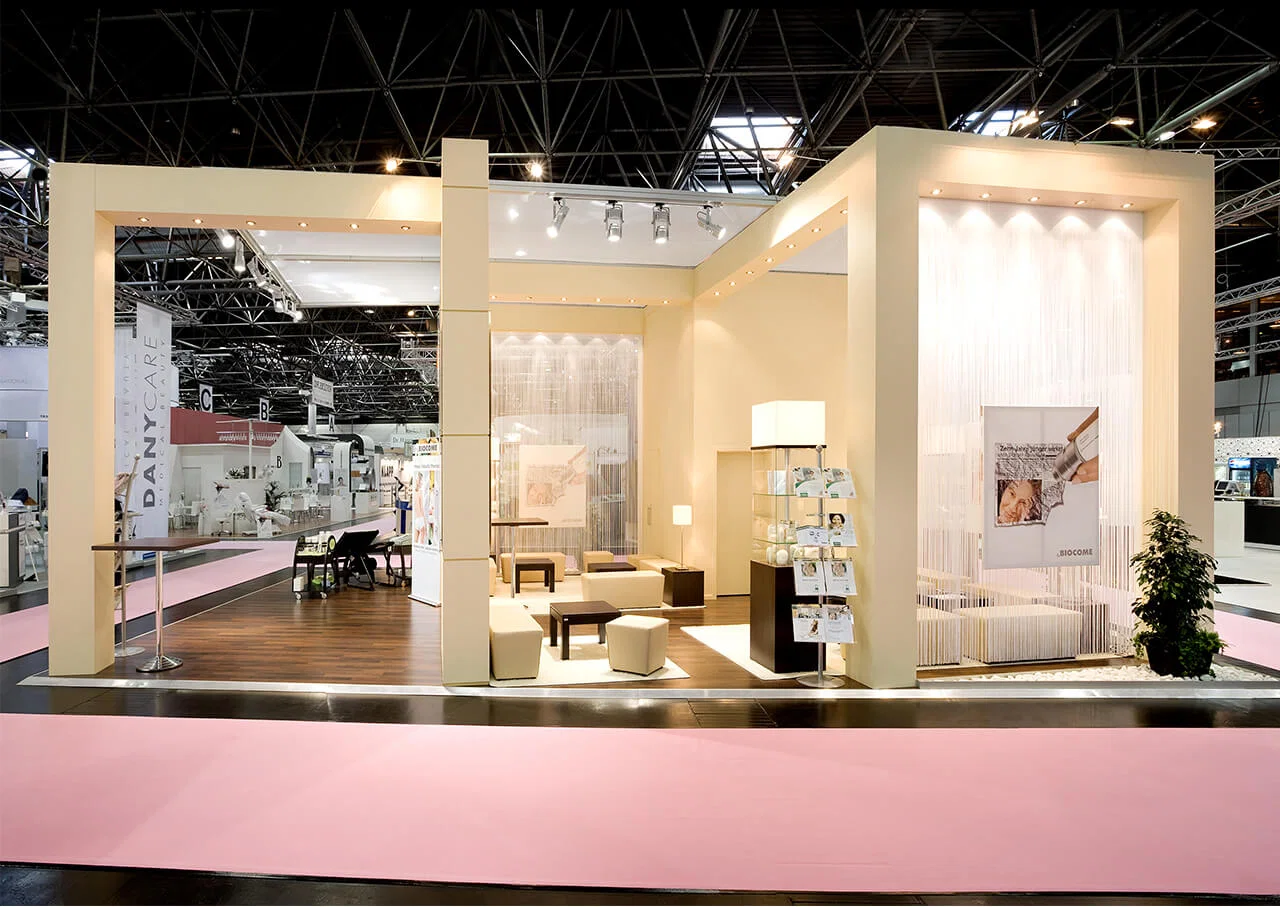
Strong planning covers planning considerations for beauty and cosmetics industry trade shows in the Greater Phoenix market, including the Phoenix Convention Center's North Building exhibit halls, WestWorld of Scottsdale's consumer-show campus, Talking Stick Resort's hospitality ballrooms, and hotel meeting spaces across Tempe, Scottsdale, and Downtown Phoenix. Beauty and cosmetics shows involve product-sample coordination, lighting requirements that differ from standard booth layouts, and security protocols for high-value product inventory and demonstration equipment.
The industry's show calendar includes trade-only product launches, professional education conferences with tabletop exhibits, consumer beauty expos, and multichannel retail events. Phoenix-area venues host professional beauty shows during the September-through-April convention season, with consumer shows and brand activations running year-round at resort properties and hotel ballrooms. Advance planning for beauty shows includes verifying venue electrical capacity for specialized lighting and climate control, coordinating sample shipments with advance warehouse deadlines, and confirming product-security protocols with venue operations and show management.
Tempe sits five miles from Phoenix Sky Harbor International Airport, which simplifies inbound freight timing for exhibitors shipping product samples and demonstration inventory. The 140,000 square feet of Tempe meeting space, the North Building's 635,000 square feet at Phoenix Convention Center, and WestWorld's outdoor and indoor event campus provide the range of footprints and configurations required by the industry's diverse event formats. Hotel properties including Omni Tempe Hotel at ASU, Tempe Mission Palms, The Westin Tempe, JW Marriott Phoenix Desert Ridge Resort & Spa, and Talking Stick Resort support smaller professional gatherings and brand-partner meetings tied to larger expo programs.
Planning Checkpoints for Beauty and Cosmetics Shows
- Phoenix Convention Center North Building and WestWorld of Scottsdale footprints, with electrical and climate-control verification for product demonstration areas requiring consistent temperature and humidity management
- Freight timing from Phoenix Sky Harbor to venue docks, accounting for advance warehouse deadlines and temperature-sensitive product shipments that cannot sit in standard loading areas
- Product-sample inventory security protocols at Phoenix Convention Center, WestWorld, Talking Stick Resort, and hotel ballroom programs, including locked storage and after-hours access procedures
- Lighting specifications for beauty booths that exceed standard trade-show illumination, requiring advance electrical orders and coordination with house services or the official show contractor
- Hotel-block planning across Tempe, Scottsdale, and Downtown Phoenix clusters, with attention to attendee transportation between lodging and venue campuses during peak-traffic windows
Venue Selection and Footprint Planning
Phoenix Convention Center's North Building provides eleven exhibit halls and 635,000 square feet of meeting and exhibition space, making it the primary venue for citywide beauty and cosmetics trade shows requiring significant floor area and dedicated service infrastructure. The interconnected campus includes twenty climate-controlled loading docks, which matters for exhibitors shipping temperature-sensitive product samples and demonstration inventory that cannot be exposed to Arizona's summer heat during unloading and staging. Show dates during the September-through-April convention season align with milder outdoor temperatures, but exhibitors still verify advance warehouse deadlines and coordinate with freight carriers on delivery windows that avoid peak loading-dock congestion.
WestWorld of Scottsdale hosts consumer beauty expos and brand activations that require a mix of indoor and outdoor event space. The Equidome and Monterra buildings provide climate-controlled exhibit areas, while the outdoor campus supports sponsor activations, product-demo tents, and attendee gathering areas. Consumer shows at WestWorld typically involve higher attendee counts and more interactive booth layouts than trade-only events, which changes the planning rhythm for sample distribution, crowd-flow management, and security staffing. Exhibitors confirm parking and shuttle logistics with show management, since attendee transportation differs from the hotel-shuttle model used at convention-center shows.
Hotel ballroom programs at Omni Tempe Hotel at ASU (36,000 square feet of meeting space), Tempe Mission Palms, The Westin Tempe, and Talking Stick Resort accommodate professional education conferences with tabletop exhibits and brand-partner meetings tied to larger expo programs. Hotel venues offer integrated lodging and meeting infrastructure, which simplifies attendee logistics and reduces the need for separate transportation coordination. Electrical and internet capacity at hotel properties requires advance verification, especially for beauty shows that use digital demonstration equipment, live streaming for education sessions, and point-of-sale systems for on-site product orders.
- Phoenix Convention Center North Building's eleven exhibit halls and twenty loading docks support large beauty trade shows with advance warehouse deadlines tied to dock-slot scheduling
- WestWorld of Scottsdale's indoor-outdoor campus accommodates consumer beauty expos requiring product-demo areas, sponsor tents, and attendee gathering zones beyond standard booth footprints
- Hotel ballroom programs at Omni Tempe Hotel at ASU, Talking Stick Resort, and other properties support professional education conferences with tabletop exhibits and integrated lodging infrastructure
- Climate-controlled loading and staging areas matter for temperature-sensitive product shipments that cannot sit exposed to outdoor heat during unloading and drayage handoff
Freight Coordination and Product-Sample Logistics
Phoenix Sky Harbor International Airport sits five miles from Tempe and roughly eight miles from Phoenix Convention Center, which simplifies freight timing for exhibitors shipping product samples from distant manufacturing or distribution centers. Air-cargo carriers deliver to the airport's freight terminals, and local drayage providers handle the final-mile transfer to the venue's advance warehouse or direct-to-dock during targeted move-in windows. Exhibitors verify advance warehouse deadlines with the official show contractor, since late shipments that miss the cutoff incur premium handling fees and may not be positioned for booth setup before the exhibitor's arrival.
Beauty and cosmetics shows involve multiple shipment categories with different handling requirements. Display fixtures and booth structures move through standard drayage channels, while product samples and demonstration inventory may require temperature-controlled transport and secure storage at the advance warehouse. High-value product inventory, including limited-edition items and professional-grade equipment, needs documented chain-of-custody from the freight carrier through the warehouse to the booth floor. Exhibitors confirm insurance coverage and security protocols with the show contractor before releasing shipments, especially for shows at multi-tenant properties like hotels where warehouse access is shared across events.
Outbound freight at show close follows a similar sequence. Exhibitors coordinate with the official contractor to schedule pickup windows, pack product samples separately from display materials, and confirm carrier availability for return shipments. Shows at Phoenix Convention Center typically allow exhibitors to load out directly from the booth to a carrier truck at the loading dock, which reduces handling steps and minimizes the risk of product damage or loss. Hotel and resort venues may require consolidated warehouse staging before carrier pickup, which adds a handoff step and extends the load-out timeline.
- Phoenix Sky Harbor sits five miles from Tempe, with air-cargo terminals and local drayage providers handling final-mile transfer to venue advance warehouses or direct-to-dock during move-in
- Temperature-controlled transport and secure storage protocols matter for product samples and high-value inventory that cannot sit in standard warehouse environments
- Chain-of-custody documentation from freight carrier through warehouse to booth floor reduces risk for limited-edition products and professional-grade demonstration equipment
- Outbound freight coordination at show close includes separate packing for product samples versus display materials, with carrier availability and pickup windows confirmed before load-out begins
Booth Design and Lighting Specifications
Beauty and cosmetics booths require lighting specifications that exceed standard trade-show illumination. Product demonstration areas need consistent color temperature and brightness levels that accurately render makeup shades, skincare textures, and packaging details. Exhibitors coordinate with booth designers and lighting vendors to specify LED fixtures with high color-rendering index (CRI) ratings, adjustable intensity controls, and mounting configurations that minimize shadows on demonstration surfaces. Advance electrical orders with the official show contractor itemize circuit counts, amperage requirements, and fixture placement, since lighting loads for beauty booths often exceed the base package included in booth rental.
Climate control within the booth footprint matters for product integrity and attendee comfort. Makeup and skincare products have storage-temperature limits, and demonstration areas with high-intensity lighting generate heat that affects both product performance and staff comfort during long show days. Exhibitors verify venue HVAC capacity and coordinate with show management if supplemental cooling is needed for specific booth zones. At hotel ballroom programs, exhibitors confirm that meeting-room thermostats can be adjusted independently and that the property's engineering team is available during show hours to address temperature-control issues.
Booth layouts for beauty shows balance product display, demonstration space, and private meeting areas. Trade-only shows include lockable storage for high-value inventory and private consultation zones for buyer meetings. Consumer shows prioritize interactive demonstration stations, sample distribution points, and queue management for attendees waiting for makeovers or product trials. Exhibitors submit booth layouts to show management for fire-marshal review, confirm aisle-width compliance, and verify that demonstration areas do not obstruct emergency egress paths.
- LED lighting with high CRI ratings and adjustable intensity controls supports accurate color rendering for makeup, skincare, and packaging demonstration areas
- Advance electrical orders itemize circuit counts, amperage requirements, and fixture placement, since beauty-booth lighting loads often exceed base booth-rental packages
- Supplemental cooling coordination with venue engineering teams addresses heat generated by high-intensity lighting and maintains product-storage temperature limits during show hours
- Booth layouts include lockable storage for high-value inventory, private meeting zones for buyer consultations, and queue-management plans for interactive demonstration stations
Security Protocols and Product-Inventory Management
Product security at beauty and cosmetics shows involves multiple checkpoints. High-value inventory, including limited-edition product launches, professional tools, and brand-exclusive samples, requires documented storage and access controls from advance warehouse through show close. Exhibitors coordinate with the official show contractor to confirm lockable booth storage options, after-hours security staffing, and insurance coverage for inventory held on-site. At Phoenix Convention Center, exhibitors verify that overnight security patrols cover the exhibit floor and that booth access is restricted after show hours. Hotel and resort properties require similar coordination with venue security teams and show management.
Sample distribution during show hours follows planned inventory-control procedures. Exhibitors track sample counts, limit distribution quantities per attendee, and monitor booth stock levels to prevent shortages before the show closes. Trade-only shows may restrict sample distribution to qualified buyers with pre-registered credentials, while consumer shows use ticketing or wristband systems to manage sample access and prevent unauthorized removal of display inventory. Show management provides guidance on local regulations for cosmetic-sample distribution, including labeling requirements and prohibited ingredients.
Post-show inventory reconciliation compares inbound shipment manifests against remaining stock and distributed samples. Exhibitors document any discrepancies, photograph booth conditions at load-out, and file claims with the show contractor or insurance provider if product loss or damage occurred during the event. At multi-day shows, exhibitors perform daily inventory counts and adjust sample-distribution rates to ensure sufficient stock for the final day without excessive overages that increase return-freight costs.
- Lockable booth storage, after-hours security staffing, and insurance coverage for on-site inventory are confirmed with the official show contractor before product shipments arrive at the advance warehouse
- Sample-distribution procedures include inventory tracking, per-attendee quantity limits, and real-time stock monitoring to prevent shortages before show close
- Trade-only shows restrict sample access to pre-registered buyers, while consumer shows use ticketing or wristband systems to manage distribution and prevent unauthorized product removal
- Post-show inventory reconciliation documents discrepancies between inbound manifests and remaining stock, with photographic evidence and claims filed for any loss or damage during the event
Hotel Blocks and Attendee Transportation
Hotel-block planning for beauty and cosmetics shows spans Tempe, Scottsdale, and Downtown Phoenix clusters. Exhibitor and attendee lodging preferences vary by show type. Trade-only events favor properties near the venue with business amenities and flexible check-in times for early-arriving booth crews. Consumer shows prioritize properties with shuttle access to the venue and proximity to dining and entertainment districts for attendees extending their stay beyond the show dates. Omni Tempe Hotel at ASU, Tempe Mission Palms, The Westin Tempe, JW Marriott Phoenix Desert Ridge Resort & Spa, and Talking Stick Resort provide the range of inventory and configurations required by the industry's diverse attendee demographics.
Shuttle coordination between hotel clusters and venue campuses requires advance planning. Phoenix Convention Center shows typically contract with local shuttle providers to run scheduled loops between Downtown Phoenix hotels and the convention-center campus. WestWorld shows coordinate parking and shuttle logistics with the venue, since attendee transportation differs from the hotel-shuttle model. Hotel properties hosting ballroom programs eliminate the need for shuttle coordination, but exhibitors verify on-site parking capacity and confirm that attendee vehicles do not compete with service-provider loading access during move-in and load-out.
Room-block contracting includes clauses for attrition, pickup reporting, and release dates. Exhibitors negotiate block sizes based on anticipated booth-crew counts and attendee registration trends, with options to reduce or expand allocations as the show date approaches. Properties near Phoenix Sky Harbor International Airport offer convenience for exhibitors with tight travel schedules, while properties in Scottsdale and North Phoenix provide resort amenities and off-site meeting space for brand-partner events tied to the main expo program.
- Hotel blocks across Tempe, Scottsdale, and Downtown Phoenix clusters accommodate trade-only exhibitor crews and consumer-show attendees with different lodging and amenity priorities
- Shuttle coordination between hotel clusters and Phoenix Convention Center or WestWorld campuses requires scheduled loops, parking verification, and backup plans for peak-traffic delays
- Room-block contracts include attrition clauses, pickup reporting, and release dates that allow exhibitors to adjust allocations based on registration trends and booth-crew counts
- Properties near Phoenix Sky Harbor International Airport simplify logistics for exhibitors with tight travel schedules, while Scottsdale and North Phoenix resorts support brand-partner meetings and off-site events
Beauty and Cosmetics Trade Show Planning FAQ
What electrical capacity do beauty booths typically require at Phoenix Convention Center and hotel ballroom venues?
Beauty booths with specialized lighting for product demonstration often require 20-amp circuits or multiple 15-amp circuits to handle LED fixtures, adjustable intensity controls, and supplemental cooling equipment. Exhibitors submit electrical orders to the official show contractor or hotel engineering team with itemized circuit counts, amperage requirements, and fixture placement. At Phoenix Convention Center, advance electrical orders allow the contractor to provision circuits before move-in, which reduces setup delays. Hotel ballroom venues may have lower base electrical capacity than convention-center halls, so exhibitors verify available circuits and coordinate upgrades if demonstration areas exceed the standard package.
How do exhibitors coordinate temperature-sensitive product shipments to Phoenix-area venues during summer months?
Temperature-sensitive shipments require climate-controlled transport from the freight carrier to the venue's advance warehouse or loading dock. Exhibitors specify temperature requirements in shipping instructions and confirm that the official show contractor's warehouse has climate-controlled storage zones. During Arizona's summer heat, exhibitors schedule deliveries during early-morning or evening windows when outdoor temperatures are lower, and coordinate with the contractor to minimize time that shipments sit on loading docks before being moved to secure storage. Product inventory that cannot tolerate temperature fluctuations may be shipped directly to the exhibitor's hotel or a third-party warehouse near the venue, then transferred to the booth floor during move-in.
What security protocols apply to high-value product inventory at WestWorld of Scottsdale and hotel ballroom programs?
High-value inventory requires lockable booth storage, documented access controls, and coordination with venue security teams. At WestWorld, exhibitors confirm overnight security patrols and verify that booth access is restricted after show hours. Hotel ballroom programs require similar coordination with the property's security staff and show management to ensure that meeting rooms remain locked when exhibitors are not on-site. Exhibitors maintain inventory logs, photograph booth setups at the end of each show day, and document any discrepancies during daily stock counts. Insurance coverage for on-site inventory is confirmed with the show contractor or the exhibitor's commercial policy before product shipments arrive at the venue.
How do exhibitors plan sample distribution for consumer beauty expos versus trade-only professional shows?
Consumer expos use ticketing or wristband systems to manage sample distribution and prevent unauthorized removal of display inventory. Exhibitors set per-attendee quantity limits, track sample counts in real time, and adjust distribution rates to ensure sufficient stock for the final day. Trade-only shows restrict sample access to pre-registered buyers with verified credentials, which reduces the risk of overages and allows exhibitors to offer higher-value samples to qualified audiences. Show management provides guidance on local regulations for cosmetic-sample distribution, including labeling requirements and prohibited ingredients, which exhibitors incorporate into sample packaging and staff training.
What transportation considerations affect hotel-block planning for beauty shows at Phoenix Convention Center and Tempe hotel properties?
Hotel blocks near the venue reduce the need for shuttle coordination and simplify logistics for exhibitors with early move-in schedules or late load-out timelines. Properties in Downtown Phoenix offer walking access to Phoenix Convention Center, while Tempe hotels require shuttle or rideshare transport for attendees traveling to the convention-center campus. Exhibitors verify shuttle schedules, confirm parking availability at the venue, and coordinate backup transportation during peak-traffic windows. Hotel properties hosting ballroom programs eliminate venue-to-hotel transportation, but exhibitors confirm that on-site parking supports both attendee vehicles and service-provider loading access during move-in and load-out.