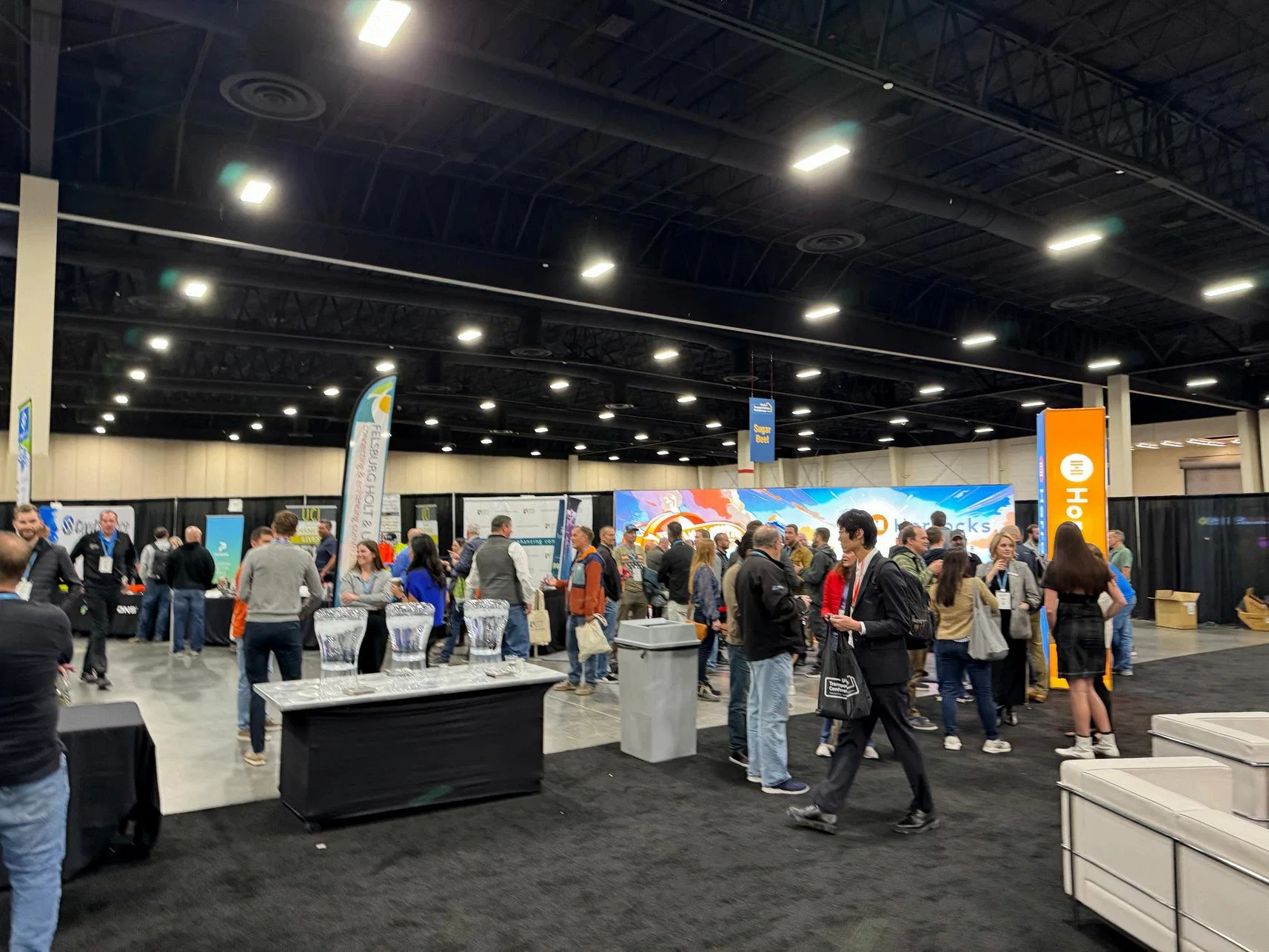
Strong planning covers conference services for the Greater Phoenix region, with emphasis on Tempe hotel inventory, ASU campus venues, and the metro's convention and resort infrastructure. Conference programs differ from trade shows in session scheduling, breakout room density, and attendee flow. The planning rhythm follows RFP, site selection, advance ordering for AV and staging, load-in for general session sets, day-of coordination for concurrent sessions, and strike. This page is a planning reference, built for practical show execution.
Tempe Tourism lists more than 140,000 square feet of meeting space across 30-plus venues and seven thousand hotel rooms within five miles of Phoenix Sky Harbor. The Omni Tempe Hotel at ASU anchors downtown inventory with 330 rooms and 36,000 square feet of meeting space split across seven meeting rooms. Larger conferences pull from Phoenix Convention Center's three ballrooms, 99 meeting rooms, and Executive Conference Center, or shift to resort settings at Talking Stick Resort in Scottsdale and JW Marriott Phoenix Desert Ridge. Program committees choose venues based on breakout counts, AV infrastructure, and whether registration, session, and sponsor areas can run in parallel without bottlenecks.
East Valley options include Mesa Convention Center with 19,000 square feet of exhibit area and 19,000 square feet of meeting space. Programs that need outdoor activation or ceremonial space consider ASU 365 Community Union at Mountain America Stadium, Tempe Center for the Arts, and Arizona Heritage Center. The semiconductor, software, aerospace-and-defense, biosciences, healthcare-innovation, and advanced-manufacturing sectors drive much of the region's conference demand according to Greater Phoenix Economic Council data. These verticals favor tight timelines, controlled access for sponsor booths, and professional AV for keynotes and breakouts.
What Conference Planners Track in Tempe and Phoenix
- Breakout room capacity and layout options at Omni Tempe Hotel at ASU, Tempe Mission Palms, The Westin Tempe, Phoenix Convention Center, and Talking Stick Resort to match concurrent-session counts
- General session staging for keynotes, sponsor visibility, and AV integration at Phoenix Convention Center's three ballrooms and the Omni Tempe's 36,000-square-foot footprint
- Registration flow and sponsor-booth placement when sessions overlap with exhibit areas at Phoenix Convention Center or Mesa Convention Center
- Hotel room-block management across downtown Tempe's seven thousand rooms, Scottsdale resort inventory, and Phoenix Convention Center's connected hotels to minimize shuttle needs
- AV and rigging coordination with house services at convention centers and hotels versus Exhibitor Appointed Contractors for custom builds and brand-specific staging
Venue Selection and Breakout Configuration
Conference planners assess venue fit by counting breakout rooms, measuring ceiling height for AV sightlines, and verifying that registration, session, and sponsor zones do not block each other. Phoenix Convention Center's 99 meeting rooms and 56 meeting rooms in the North Building offer the widest breakout range in the metro. The Omni Tempe Hotel at ASU provides seven meeting rooms within 36,000 total square feet, which suits programs with fewer than ten concurrent sessions. Tempe Mission Palms and The Westin Tempe add flexibility for smaller advisory boards and breakaway executive meetings.
Talking Stick Resort in Scottsdale supports resort-format conferences where attendees expect recreational programming and sponsor dinners alongside sessions. Mesa Convention Center's 19,000-square-foot exhibit hall can host sponsor booths or product demonstrations while its 19,000 square feet of meeting space handles breakouts. WestWorld of Scottsdale offers the Equidome and Monterra for hybrid programs that combine indoor sessions with outdoor activations. Planners lock venue, date, and room count before finalizing AV specs and catering minimums.
ASU campus venues including Old Main, Arizona Heritage Center, and ASU 365 Community Union at Mountain America Stadium serve academic and sponsor-activation programs where campus adjacency matters more than ballroom polish. These venues require early coordination with campus scheduling, parking permits, and access protocols that differ from hotel or convention-center workflows.
- Phoenix Convention Center's three ballrooms and Executive Conference Center accommodate keynotes for five hundred to several thousand attendees depending on configuration and AV setup
- Omni Tempe Hotel at ASU's seven meeting rooms and 330 guest rooms allow single-property programs without shuttle logistics for conferences under four hundred attendees
- Mesa Convention Center splits its 38,000 square feet between exhibit and meeting zones, which works when sponsors need booth space adjacent to breakout sessions
- Talking Stick Resort and JW Marriott Phoenix Desert Ridge provide resort amenities and golf access that support multi-day executive conferences and sponsor hospitality programs
AV, Staging, and General Session Setup
General session staging requires coordinating video walls, sound systems, stage risers, and presenter confidence monitors with venue house services or an Exhibitor Appointed Contractor. Phoenix Convention Center's house services manage most AV installations and can integrate sponsor branding into stage backdrops and side screens. The Omni Tempe and other hotel properties offer in-house AV teams but permit outside contractors when custom builds or specific brand standards apply. Planners compare house-service quotes against EAC bids to balance cost, flexibility, and setup timelines.
Breakout AV ranges from simple projector and screen setups to multi-camera streaming rigs for hybrid sessions. Hotels typically include basic projector packages in meeting-room rental but charge separately for wireless microphones, confidence monitors, and recording services. Phoenix Convention Center's ballrooms support rigging points for overhead truss, which matters when keynote sessions require suspended LED panels or theatrical lighting. Load-in windows for general session staging often start the night before the first session to allow time for sound checks and presenter rehearsals.
Programs that stream sessions to remote attendees need robust bandwidth, dedicated tech tables, and backup internet connections. The Omni Tempe and Phoenix Convention Center provide wired connections in meeting rooms, but planners verify upload speeds and redundancy with venue IT teams before contracts are signed. Sponsor logos, video bumpers, and transition graphics require advance coordination with AV providers to ensure branding appears correctly during live sessions.
- Phoenix Convention Center's rigging infrastructure allows overhead LED walls, truss-mounted lighting, and speaker line arrays that hotel ballrooms cannot support without external rigging
- Omni Tempe Hotel at ASU includes basic projector and screen packages in meeting-room rental; wireless mics, confidence monitors, and streaming gear are add-ons quoted separately
- Hybrid-session streaming requires tech tables near the stage, redundant internet feeds, and camera operators familiar with the venue's lighting and sightlines
- Sponsor branding on stage backdrops, side screens, and transition slides must be delivered to the AV provider in vector format at least one week before load-in to avoid resolution issues
Registration, Attendee Flow, and Sponsor Activation
Registration areas need space for check-in tables, badge printers, and sponsor banners without creating bottlenecks at entrance doors or elevator lobbies. Phoenix Convention Center's pre-function zones offer linear footage for registration tables and sponsor welcome booths. The Omni Tempe positions registration near the lobby, which works for programs under three hundred attendees but creates congestion during peak check-in windows for larger events. Planners test attendee flow by walking the route from registration through breakout hallways to general session entrances.
Sponsor booths at conferences differ from trade-show exhibits in size and purpose. Most conference sponsors use ten-by-ten pop-up displays or tabletop setups rather than full island booths. Phoenix Convention Center and Mesa Convention Center allow sponsor areas in exhibit halls adjacent to session corridors. Hotel properties limit sponsor footprints to pre-function space, which restricts booth count and visibility. Exhibitor Appointed Contractors handle sponsor setup when branding requires custom fabrication or interactive elements beyond standard table drapes and signage.
Coffee breaks, lunch service, and networking receptions share the same pre-function zones as sponsor booths, so planners coordinate catering timelines with sponsor access. The Omni Tempe and Talking Stick Resort bundle catering with venue rental, but Phoenix Convention Center permits outside catering through approved vendors. Sponsor activations that include product demos, giveaways, or interactive screens need power drops and internet access specified in advance orders.
- Phoenix Convention Center's pre-function corridors support linear registration setups and sponsor welcome tables without blocking elevator or escalator access to session floors
- Omni Tempe's lobby registration works for check-in counts below three hundred; larger programs shift registration to adjacent meeting rooms to avoid lobby congestion
- Sponsor ten-by-ten booths in hotel pre-function areas require advance coordination with catering schedules to prevent setup conflicts during coffee breaks and lunch service
- Interactive sponsor demos that use video screens, charging stations, or product samples need dedicated power circuits and tables specified in the venue's advance order form
Hotel Blocks, Shuttle Logistics, and Multi-Site Programs
Conference housing depends on securing room blocks at properties within walking distance or shuttle range of session venues. Downtown Tempe offers more than seven thousand hotel rooms according to Tempe Tourism, with the Omni Tempe, Tempe Mission Palms, The Westin Tempe, Canopy by Hilton Tempe Downtown, DoubleTree by Hilton Phoenix Tempe, and Embassy Suites by Hilton Phoenix Tempe clustered near Mill Avenue and Apache Boulevard. Programs that exceed local inventory add blocks at Talking Stick Resort in Scottsdale or Sheraton Phoenix Downtown, which requires shuttle coordination.
Shuttle timing matters when breakout sessions start at eight in the morning and attendees lodge three miles away. Planners calculate drive time along Apache Boulevard, Loop 202, and University Drive during morning peak hours, which can stretch a nominal ten-minute shuttle into twenty-five minutes. Hotels nearest the session venue fill first, so contracts lock primary blocks six to nine months out for association conferences and twelve months out for user conferences tied to vendor product cycles.
Multi-site programs that split general sessions at Phoenix Convention Center and breakouts at downtown Tempe hotels need printed signage, mobile apps with venue maps, and staff at shuttle pickup points. The five-mile distance between Phoenix Convention Center and the Omni Tempe takes fifteen to twenty minutes off-peak via I-10 and Loop 202 but stretches past thirty-five minutes during afternoon rush. Programs that span both properties typically schedule general sessions in the morning at the convention center and afternoon breakouts at the hotel to avoid peak-hour shuttles.
- Downtown Tempe's hotel cluster within one mile of Mill Avenue and Apache Boulevard eliminates shuttle needs for single-property programs at the Omni Tempe or Tempe Mission Palms
- Phoenix Convention Center's connected hotels include Sheraton Phoenix Downtown; overflow blocks at Biltmore District or Scottsdale properties require twenty-five to forty-minute shuttles
- Shuttle frequency for off-site hotel blocks should run every fifteen minutes during peak session transitions; thirty-minute intervals cause lobby crowding and session delays
- Mobile apps with venue maps, shuttle pickup locations, and live shuttle tracking reduce missed sessions and attendee frustration when programs span multiple properties
Jurisdiction, Advance Orders, and Day-Of Coordination
Jurisdiction rules determine whether house services, official show contractors, or Exhibitor Appointed Contractors handle staging, AV, catering, and power. Phoenix Convention Center's house team manages most installations unless the program brings an EAC for custom branding. Hotel properties including the Omni Tempe, Talking Stick Resort, and JW Marriott Phoenix Desert Ridge require house catering but permit outside AV and staging vendors when contracts specify it. Mesa Convention Center follows similar protocols, with house services quoted first and EAC options available upon request.
Advance orders lock pricing and availability for AV gear, staging risers, drape, power drops, and internet connections. Deadlines typically fall thirty to sixty days before load-in, with early-bird discounts ending forty-five days out. Late orders carry surcharges of twenty to fifty percent depending on the item and venue. Planners submit floor plans with power-drop locations, AV-equipment lists, and sponsor-booth assignments as part of the advance order packet. Changes after the deadline incur fees and may face availability constraints if the venue books overlapping events.
Day-of coordination involves checking room sets, testing AV equipment, verifying catering timing, and troubleshooting attendee flow bottlenecks. Conference programs appoint a show manager or on-site lead who liaises with venue staff, AV techs, and catering teams. The Omni Tempe and Phoenix Convention Center assign house coordinators who handle last-minute room flips, temperature adjustments, and session-timing changes. Programs without dedicated show management rely on the venue's event-services team, which may juggle multiple events simultaneously and cannot provide single-program focus.
- Phoenix Convention Center's house services quote first; EAC bids follow when custom branding or specific AV standards exceed house capabilities
- Advance order deadlines at the Omni Tempe and other hotel properties fall forty-five days before load-in; late orders incur twenty to thirty percent surcharges on AV and staging
- Day-of room flips for concurrent sessions require advance coordination with venue event services to ensure tables, chairs, and AV setups match session formats
- On-site show managers coordinate directly with house AV techs, catering captains, and security leads to handle session-timing changes and attendee flow adjustments in real time
Conference Planning Questions for Tempe and Phoenix
How do planners choose between the Omni Tempe Hotel at ASU and Phoenix Convention Center for a four-hundred-person conference?
The Omni Tempe works when the program needs fewer than ten concurrent breakout rooms and attendees can lodge on-site in its 330 guest rooms, which eliminates shuttle logistics. Phoenix Convention Center fits programs with more than ten breakouts, keynote audiences above five hundred, or sponsor-activation areas that exceed hotel pre-function capacity. The convention center requires separate hotel blocks and shuttle coordination, so single-property programs favor the Omni when breakout counts and attendee lodging align.
What AV capabilities differ between hotel ballrooms and Phoenix Convention Center's main halls?
Phoenix Convention Center supports overhead rigging for LED walls, theatrical lighting, and truss-mounted line arrays that require structural load points and union labor for installation. Hotel ballrooms including the Omni Tempe and Talking Stick Resort offer basic projector packages and house sound systems but lack rigging infrastructure for suspended elements. Programs that need multi-camera streaming, confidence monitors, or branded stage builds can bring an Exhibitor Appointed Contractor to either venue type, but the convention center's rigging opens options that hotels cannot match without external truss towers.
How far in advance should a planner lock hotel room blocks for a conference in downtown Tempe?
Association conferences and user conferences tied to product launches lock primary blocks six to twelve months before the event to secure inventory at the Omni Tempe, Tempe Mission Palms, and The Westin Tempe during peak spring and fall seasons. Programs that overflow into Scottsdale or Phoenix properties add those blocks at the same time to avoid rate increases and availability gaps. Tempe Tourism's 2025 Meeting Planner Guide notes that CVENT named Tempe a top-50 meetings destination in North America, which tightens availability during ASU academic schedules and semiconductor industry events.
What sponsor-activation options exist at Mesa Convention Center compared to hotel venues?
Mesa Convention Center's 19,000 square feet of exhibit area allows ten-by-ten sponsor booths, tabletop displays, and product-demo zones adjacent to its 19,000 square feet of meeting space, which mirrors trade-show booth layouts more than hotel setups. Hotel properties restrict sponsors to pre-function tables and banner stands because ballroom adjacency and fire codes limit larger footprints. Programs that need interactive sponsor builds, giveaway stations, or product sampling favor Mesa Convention Center or Phoenix Convention Center over hotel pre-function areas.
What shuttle timing should a planner expect between Phoenix Convention Center and downtown Tempe hotels during afternoon sessions?
The five-mile route via I-10 and Loop 202 takes fifteen to twenty minutes off-peak but stretches to thirty-five or forty minutes during afternoon rush from three-thirty to seven. Programs that split morning general sessions at the convention center and afternoon breakouts at the Omni Tempe or Tempe Mission Palms should schedule shuttles to depart before three-thirty or accept longer transit windows and potential session delays. Printed schedules and mobile apps with live shuttle tracking help attendees plan connections between venues.