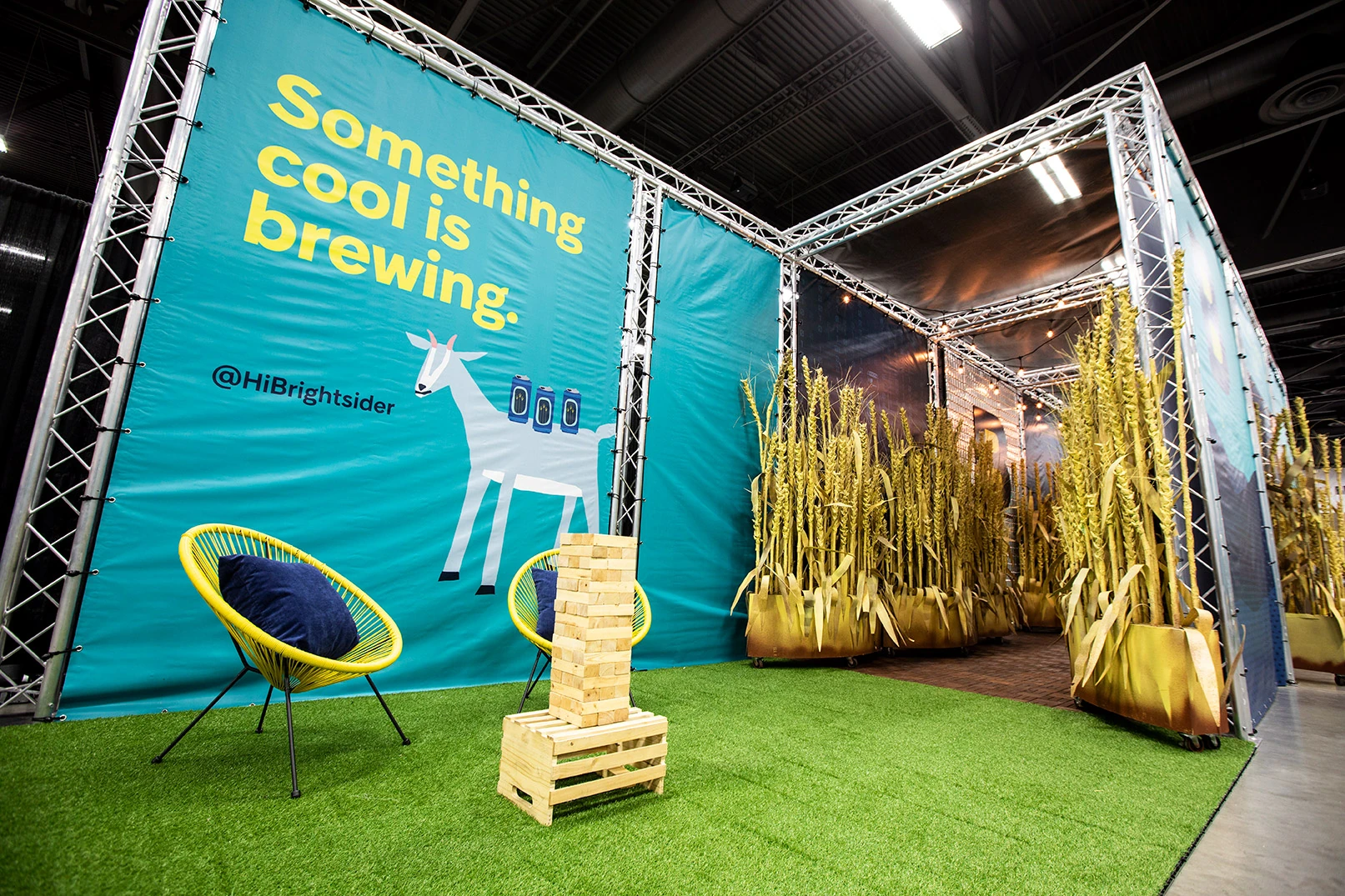
Sponsorship activation transforms a logo placement into a functional brand experience on the show floor, in a hospitality suite, or across a multi-day conference program. The sponsor pays for visibility and engagement, and the activation plan delivers measurable attendee contact, lead capture, product sampling, and post-event attribution. Planning starts with the venue contract, the official show manual, and the sponsorship agreement, then moves to footprint design, labor scheduling, freight routing, and on-site execution.
Greater Phoenix activation programs run at convention centers in Phoenix, Mesa, and Tempe, at resort conference properties across Scottsdale and North Phoenix, at WestWorld of Scottsdale for consumer shows, and at ASU campus venues for university-adjacent sponsor programs. Each venue operates under different service rules, different labor jurisdictions, and different freight-handling protocols. Phoenix Convention Center requires coordination with the house contractor and the official show decorator for any build larger than a table-top display, while hotel ballroom activations at Omni Tempe Hotel at ASU or Talking Stick Resort follow in-house AV and catering workflows.
Strong planning covers sponsorship activation planning as a discrete event-type category. The project plan should turn venue rules, freight deadlines, labor windows, and exhibitor goals into a workable show schedule. It names real venues, real freight corridors, real hotel properties, and real jurisdictional boundaries documented in the research bundle for this metro. Final service questions should be confirmed with the venue, show organizer, and official contractor before budgets are approved. Planners and sponsors working Greater Phoenix programs should verify every detail with the venue, the show organizer, and the official contractor before committing to a final activation design or budget.
Sponsorship Activation Planning Priorities
- Venue footprint and jurisdiction — Phoenix Convention Center sponsor zones follow official contractor and house-services rules, while WestWorld of Scottsdale outdoor activations require separate permitting and liability coverage
- Freight routing and dock scheduling — sponsor assets arriving at Phoenix Convention Center use the North Building's twenty climate-controlled docks, while Talking Stick Resort activations route through resort receiving with advance notification required
- Brand-zone design and build coordination — modular builds, product-sampling stations, lead-capture kiosks, and hospitality bars must fit within the contracted footprint and meet venue fire-marshal and electrical-load requirements
- On-site staffing and show-floor discipline — sponsor reps, brand ambassadors, product demonstrators, and lead-capture teams need clear shift schedules, badge access, and pre-show briefings aligned with the show organizer's staffing allocation and venue-access rules
- Post-event strike and asset return — sponsor assets leaving the venue after strike must clear the loading dock before the official contractor's deadline, with return freight scheduled through the same corridor used for inbound delivery
Venue Selection and Sponsor Footprint Assignment
Sponsorship activation begins with the venue contract and the sponsor agreement. The show organizer allocates a specific footprint for the sponsor zone, whether that footprint is a 10x10 inline booth, a 20x20 island on the show floor, a hospitality suite in a connected hotel, or a branded lounge in a convention-center lobby. At Phoenix Convention Center, sponsor zones typically sit near high-traffic areas such as registration, food courts, or main-stage seating, with footprint assignments documented in the floor plan and the official show manual. WestWorld of Scottsdale outdoor activations may include tented zones, vehicle displays, or product-sampling stations across the Equidome plaza or the Monterra outdoor event space, each requiring separate permitting and coordination with the venue's event-services team.
Hotel ballroom activations at Omni Tempe Hotel at ASU, Tempe Mission Palms, or Talking Stick Resort follow in-house catering and AV workflows. The sponsor coordinates with the hotel's conference-services team for furniture, linens, bar service, and electrical drops, and with the hotel's AV department for video walls, LED screens, or live-stream setups. The hotel's loading-dock schedule controls when sponsor assets can arrive and when they must clear the building after the event. Advance notice is required for any build larger than a tabletop display, and liability insurance naming the hotel as additional insured is typically mandatory.
Mesa Convention Center sponsor activations operate under similar jurisdictional rules. The center's 19,000 square feet of exhibit area and 19,000 square feet of meeting space host regional conferences, trade shows, and consumer events with sponsor zones integrated into the floor plan. The official contractor handles rigging, electrical distribution, and freight handling, while the house team manages building access, dock scheduling, and fire-marshal walkthroughs. Sponsors working Mesa programs should request the show manual and the venue's exhibitor guide at least sixty days before move-in to identify any restrictions on build height, weight load, or open-flame displays.
- Phoenix Convention Center sponsor zones sit near registration, food courts, or main-stage seating, with footprint assignments documented in the official show manual and floor plan
- WestWorld of Scottsdale outdoor activations require separate permitting for tented zones, vehicle displays, or product-sampling stations across the Equidome plaza or Monterra outdoor event space
- Omni Tempe Hotel at ASU and Talking Stick Resort sponsor activations follow in-house catering and AV workflows, with advance notice required for builds larger than tabletop displays
- Mesa Convention Center's 19,000 square feet of exhibit area and 19,000 square feet of meeting space host sponsor zones integrated into regional conference and trade-show floor plans
Freight Routing and Dock Coordination
Sponsor assets arriving at Phoenix Convention Center route through the North Building's twenty climate-controlled loading docks. Freight must arrive during the advance-warehouse window or the direct-to-show window documented in the official contractor's exhibitor kit. The contractor assigns a dock door and a timeslot based on the sponsor's floor location and the size of the shipment. Oversize assets such as vehicle displays, product pods, or modular hospitality bars may require multiple dock slots or special handling equipment, and the contractor's rigging team must approve any lift over 1,000 pounds or any suspension point attached to the ceiling grid.
WestWorld of Scottsdale outdoor activations require coordination with the venue's event-services team for vehicle access, tent placement, and electrical service. Freight arriving from Phoenix follows I-17 north to Loop 101 east, then exits at Scottsdale Road for the final approach to the WestWorld campus. The venue's outdoor event spaces do not have enclosed loading docks, so freight delivery schedules must account for weather, ground conditions, and vehicle clearance across the plaza and parking areas. Sponsors bringing vehicles, trailers, or mobile displays should verify ground-load capacity and utility hookups with the venue's operations team before finalizing the activation design.
Hotel ballroom activations at Omni Tempe Hotel at ASU or Tempe Mission Palms route freight through the hotel's service entrance and loading dock. The hotel's receiving team coordinates delivery windows with the sponsor's logistics contact, and the hotel's engineering team manages utility connections, electrical drops, and any rigging attachments to ceiling or wall mounts. Freight leaving Phoenix Sky Harbor International Airport can reach downtown Tempe via I-10 east to Loop 202 east in approximately twenty minutes during off-peak hours, though evening rush periods between 4:00 PM and 6:30 PM can stretch that window to forty minutes or longer.
- Phoenix Convention Center's North Building has twenty climate-controlled loading docks, with dock-door and timeslot assignments based on floor location and shipment size
- WestWorld of Scottsdale outdoor freight delivery requires coordination for vehicle access, tent placement, and electrical service across plaza and parking areas without enclosed loading docks
- Omni Tempe Hotel at ASU freight routes through the hotel's service entrance and loading dock, with receiving windows coordinated between the hotel's team and the sponsor's logistics contact
- Freight from Phoenix Sky Harbor to downtown Tempe follows I-10 east to Loop 202 east, taking approximately twenty minutes off-peak and up to forty minutes during evening rush periods
Brand-Zone Design and Build Requirements
The sponsor's activation design must fit within the contracted footprint and meet venue fire-marshal, electrical-load, and structural-capacity requirements. At Phoenix Convention Center, any build taller than eight feet requires fire-marshal approval, and any electrical load exceeding thirty amps requires advance notification to the official contractor's electrical team. Modular builds, product-sampling stations, lead-capture kiosks, and hospitality bars must leave clear aisle access on all sides, with minimum aisle widths documented in the venue's fire-safety manual. The official contractor provides standard booth furnishings such as pipe-and-drape, tables, and chairs, while custom builds require fabrication and installation by an Exhibitor Appointed Contractor or by the official contractor's custom-build division.
WestWorld of Scottsdale outdoor activations operate under different structural and permitting rules. Tented zones require ground-penetration permits if stake anchoring is planned, or weight-ballast calculations if free-standing tent systems are used. Product-sampling stations must comply with health-department regulations if food or beverage is served, and any open-flame cooking or heating equipment requires fire-marshal approval and on-site extinguisher placement. Vehicle displays must meet venue clearance heights and ground-load limits, with any vehicle exceeding 10,000 pounds requiring separate engineering review.
Hotel ballroom activations at Talking Stick Resort or The Westin Tempe follow in-house design and setup protocols. The hotel provides standard furnishings, linens, and AV equipment through its catering and conference-services departments, while custom builds require coordination with the hotel's operations and engineering teams. Electrical service is typically limited to standard 120-volt circuits, with any 208-volt or 480-volt service requiring advance engineering review and possible utility-company involvement. Rigging attachments to ceiling grids or wall mounts must be reviewed and approved by the hotel's engineering team, and liability insurance covering rigging operations is required for any suspended element.
- Phoenix Convention Center builds taller than eight feet require fire-marshal approval, and electrical loads exceeding thirty amps require advance notification to the official contractor's electrical team
- WestWorld of Scottsdale tented zones require ground-penetration permits for stake anchoring or weight-ballast calculations for free-standing tent systems
- Talking Stick Resort and The Westin Tempe ballroom activations follow in-house furnishing, linen, and AV protocols, with custom builds requiring hotel operations and engineering coordination
- Vehicle displays at WestWorld exceeding 10,000 pounds require separate engineering review for ground-load capacity and clearance heights
On-Site Staffing and Show-Floor Execution
Sponsor reps, brand ambassadors, product demonstrators, and lead-capture teams need clear shift schedules, badge access, and pre-show briefings before the show opens. The show organizer provides exhibitor badges and staff badges based on the sponsor's contracted footprint and the show manual's staffing allocation. At Phoenix Convention Center, sponsor staff must check in at the exhibitor-services desk to receive badges and venue-access credentials, and all staff must wear visible identification while on the show floor. Shift schedules should account for show-floor hours, lunch breaks, and any evening receptions or hospitality events that extend beyond standard show hours.
Lead-capture workflows require integration with the show organizer's registration system or a third-party lead-retrieval platform. Many shows provide a universal lead-retrieval system that scans attendee badges and delivers contact data to the sponsor's CRM, while other sponsors bring proprietary lead-capture kiosks or tablet-based systems. The sponsor's activation plan should document which system will be used, how lead data will be captured and transmitted, and who will manage data reconciliation and post-show follow-up. At Mesa Convention Center or Omni Tempe Hotel at ASU, Wi-Fi connectivity and cellular coverage should be tested during setup to confirm that lead-capture systems will function reliably during show hours.
Product-sampling and hospitality-bar activations require coordination with the venue's catering and health-department rules. At WestWorld of Scottsdale, any food or beverage service requires a temporary health permit, and any alcohol service requires a temporary liquor license and certified bartender coverage. At hotel ballroom activations, catering services are typically exclusive to the hotel's in-house team, and outside food or beverage is prohibited unless specifically approved in the venue contract. Sponsors planning to serve alcohol at Phoenix Convention Center or Talking Stick Resort should verify catering exclusivity, insurance requirements, and local jurisdiction rules at least sixty days before the event.
- Phoenix Convention Center sponsor staff check in at the exhibitor-services desk to receive badges and venue-access credentials, with visible identification required on the show floor
- Lead-capture workflows at Mesa Convention Center and Omni Tempe Hotel at ASU should include Wi-Fi and cellular-coverage testing during setup to confirm system reliability during show hours
- WestWorld of Scottsdale food and beverage service requires temporary health permits, and alcohol service requires temporary liquor licenses and certified bartender coverage
- Hotel ballroom catering services at Talking Stick Resort and The Westin Tempe are typically exclusive to the hotel's in-house team, with outside food or beverage prohibited unless approved in the venue contract
Post-Event Strike and Asset Return
Sponsor assets must clear the loading dock before the official contractor's strike deadline. At Phoenix Convention Center, strike begins immediately after the show closes, and all sponsor materials must be packed, labeled, and staged for pickup by the official contractor's freight-handling team. The contractor assigns a pickup timeslot based on the sponsor's floor location and the size of the shipment, with priority given to sponsors whose freight is consigned to the same carrier or the same destination market. Any delay in packing or staging can result in missed carrier pickups and additional storage fees.
Return freight from WestWorld of Scottsdale requires coordination with the venue's event-services team for vehicle access and dock scheduling. Outdoor activations with tented zones, vehicle displays, or modular builds must be fully dismantled and loaded before the venue's post-event cleanup crew begins work, typically within four hours of the show's official close. Sponsors using third-party logistics providers should confirm pickup windows and carrier availability before the event, as weekend and holiday schedules can limit freight-carrier coverage in the Scottsdale area.
Hotel ballroom activations at Omni Tempe Hotel at ASU or Tempe Mission Palms follow the hotel's standard move-out protocols. The hotel's event-services team provides a post-event cleanup timeline, and sponsor assets must clear the ballroom before the hotel's next event setup begins, often the same evening or the following morning. The hotel's loading dock operates on a first-come, first-served basis for move-out, so sponsors with large or complex builds should schedule pickup windows in advance and confirm carrier arrival times with the hotel's receiving team.
- Phoenix Convention Center strike begins immediately after show close, with sponsor materials packed, labeled, and staged for official contractor pickup based on floor location and shipment size
- WestWorld of Scottsdale outdoor activations must be fully dismantled and loaded within four hours of show close, before the venue's post-event cleanup crew begins work
- Omni Tempe Hotel at ASU and Tempe Mission Palms ballroom activations must clear before the hotel's next event setup, often the same evening or the following morning
- Third-party logistics providers working WestWorld of Scottsdale should confirm pickup windows and carrier availability before the event, as weekend and holiday schedules can limit freight-carrier coverage
Sponsorship Activation Services — Frequently Asked Questions
What venues in Greater Phoenix host the largest sponsor-activation programs?
Phoenix Convention Center hosts citywide conventions with major sponsor zones near registration and main-stage areas. WestWorld of Scottsdale supports consumer shows with outdoor tented activations and vehicle displays. Talking Stick Resort handles conference sponsor programs with hospitality suites and ballroom brand zones.
How far in advance should a sponsor finalize the activation design and freight plan?
Most venues and official contractors require final activation designs and freight manifests sixty to ninety days before move-in. This window allows time for fire-marshal review, electrical-capacity planning, dock scheduling, and any custom fabrication or permitting required for the build.
What labor jurisdiction applies to sponsor activations at Phoenix Convention Center?
Phoenix Convention Center follows the official show contractor's labor rules, which may include union labor for rigging, electrical work, and freight handling depending on the show organizer's contract. Sponsors using an Exhibitor Appointed Contractor should verify labor jurisdiction and any mandatory union-crew requirements in the show manual.
Can a sponsor bring outside catering or alcohol service to a hotel ballroom activation?
Most hotel venues, including Omni Tempe Hotel at ASU, Talking Stick Resort, and The Westin Tempe, require exclusive use of in-house catering and bar services. Outside food or beverage is typically prohibited unless specifically approved in the venue contract, and alcohol service requires venue-approved bartenders and liability insurance.
What happens if sponsor freight arrives late or misses the advance-warehouse window?
Late freight arriving at Phoenix Convention Center or WestWorld of Scottsdale may incur additional handling fees, rush charges, or storage fees if the official contractor must expedite dock scheduling or hold materials beyond the standard advance-warehouse window. Sponsors should confirm carrier schedules and delivery timeslots with the official contractor at least two weeks before the show.