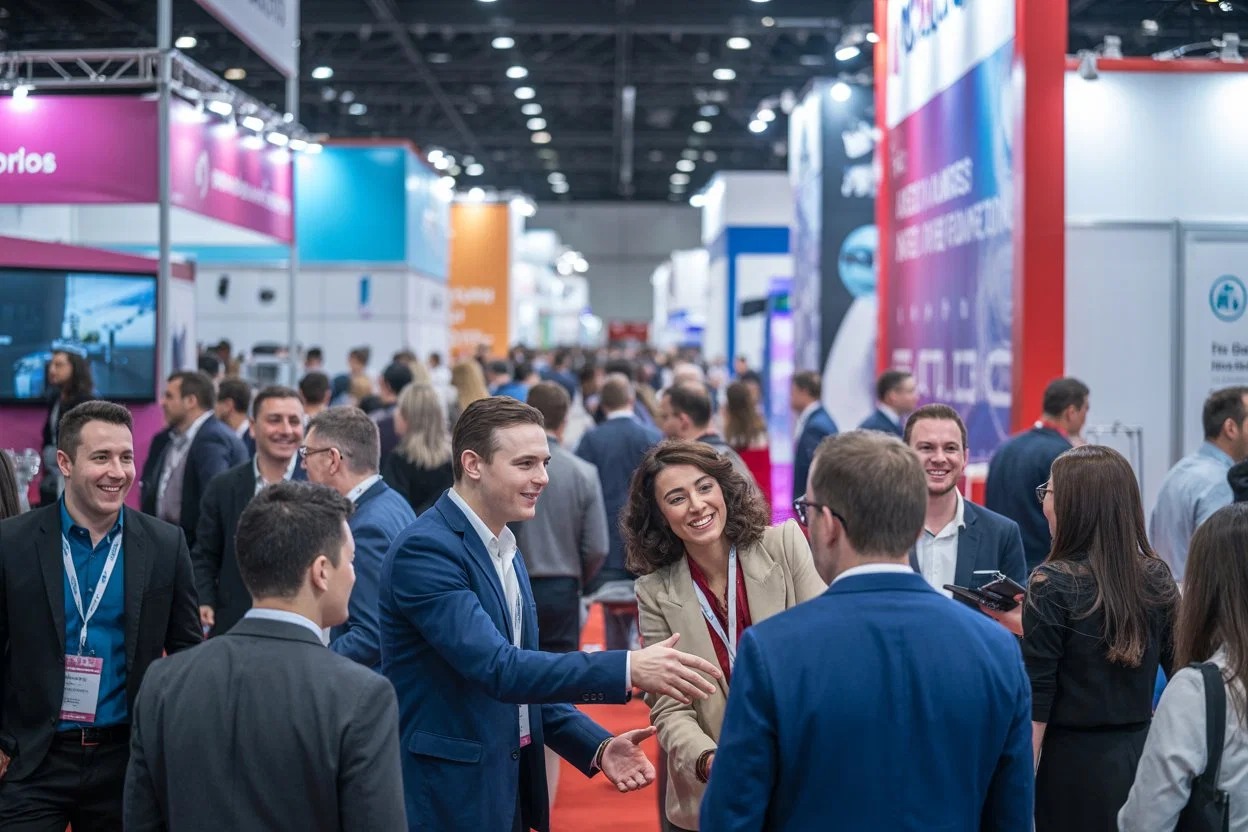
Association meetings combine general sessions, breakout tracks, networking receptions, and sponsor visibility programs. Tempe hosts association programs in downtown conference hotels, the ASU 365 Community Union at Mountain America Stadium for campus-adjacent programs, and occasionally spills into Phoenix Convention Center when competing regional events saturate the local hotel inventory. The planning sequence runs from block commitments and speaker coordination through AV load-in, breakout assignments, and post-event strike.
Strong planning covers association meeting planning mechanics relevant to Tempe and the broader Phoenix metro, including venue selection, session scheduling, AV and production coordination, sponsor activation logistics, and food-and-beverage timing. The project plan should turn venue rules, freight deadlines, labor windows, and exhibitor goals into a workable show schedule.
Tempe's hotel footprint includes 330 rooms at Omni Tempe Hotel at ASU with 36,000 square feet of meeting space plus seven meeting rooms, Tempe Mission Palms, The Westin Tempe, Canopy by Hilton Tempe Downtown, DoubleTree by Hilton Phoenix Tempe, and Embassy Suites by Hilton Phoenix Tempe. Downtown Phoenix adds Sheraton Phoenix Downtown and connects to Phoenix Convention Center's 635,000 square feet of meeting and exhibition space across the North Building's 11 exhibit halls, 56 meeting rooms, and 20 climate-controlled loading docks when associations need citywide infrastructure.
Association Meeting Planning Focus Areas
- Venue selection across downtown Tempe hotels and Phoenix Convention Center overflow, balancing sleeping-room block commitments with breakout capacity and general-session seating requirements
- Breakout and general-session AV coordination, including projector placement, microphone runs, confidence monitors, and house-crew jurisdiction at each venue
- Sponsor activation zones and exhibit-hall integration when the association program includes a small trade-show component or tabletop displays in the networking corridor
- Food-and-beverage timing and service flow, particularly when breakfast buffets overlap with early general sessions or networking receptions conflict with evening keynote schedules
- Load-in and strike windows at conference hotels where dock access is shared with banquet operations, catering deliveries, and concurrent meeting programs
Venue Selection and Block Management
Association meetings anchor on sleeping-room block commitments, which drive venue selection and dates before any session schedule gets locked. Omni Tempe Hotel at ASU offers 330 rooms with 36,000 square feet of meeting space, making it the downtown anchor for mid-sized association programs. Tempe Mission Palms, The Westin Tempe, Canopy by Hilton Tempe Downtown, DoubleTree by Hilton Phoenix Tempe, and Embassy Suites by Hilton Phoenix Tempe add block depth when the program needs overflow or when the association negotiates multiple hotel partnerships. Larger associations or those running concurrent citywide programs spill into Phoenix Convention Center, which adds 635,000 square feet of meeting and exhibition space, 56 meeting rooms, and direct connectivity to downtown Phoenix hotel inventory.
Block attrition clauses, cutoff dates, and rooming-list deadlines matter more than session logistics during contracting. Associations typically commit 12 to 18 months out for downtown Tempe hotels and 18 to 24 months out for Phoenix Convention Center when other citywide groups compete for the same calendar windows. The venue contract specifies room-night minimums, pickup rates, and penalties for underperformance.
Breakout capacity becomes the next filtering variable after block size. A 200-attendee association program needs at least four to six breakout rooms plus one general-session ballroom, while a 600-attendee program may need 12 to 15 breakout rooms and a ballroom that seats 700 theater-style. Omni Tempe Hotel at ASU provides seven meeting rooms across its 36,000-square-foot footprint, which accommodates moderate association programs but forces larger groups into Phoenix Convention Center where the 56 meeting rooms and three ballrooms can handle concurrent breakout tracks and large general sessions without space conflicts.
- Block commitments at downtown Tempe hotels range from 100 to 400 room nights depending on association size, with cutoff dates typically 30 to 45 days before arrival and attrition clauses penalizing shortfalls below 80 to 85 percent pickup
- Phoenix Convention Center programs require 18 to 24 months of lead time during high-demand periods when aerospace, technology, and healthcare conferences compete for the same calendar windows
- Breakout-to-attendee ratios for concurrent session tracks typically require one breakout room per 75 to 100 attendees, so a 400-person association needs five to six breakout rooms plus a general-session ballroom seating 450 to 500 theater-style
- Venue contracts itemize food-and-beverage minimums, AV labor rates, dock-access windows, and setup-crew jurisdiction, so associations should model these line items during the RFP phase before signing the venue agreement
Session Scheduling and Room Assignments
Session scheduling begins with the general-session anchor times, then fills in breakout tracks, networking breaks, and meal functions around those fixed points. Associations running multi-day programs typically schedule a morning general session, concurrent breakout tracks mid-morning through early afternoon, and an evening general session or keynote dinner. Each session type imposes different setup requirements, which means the venue and AV crew need detailed timelines and room diagrams at least two weeks before load-in.
Breakout rooms require projector mounts, screen placement, microphone runs, confidence monitors, and laser-pointer compatibility, and the AV vendor needs room dimensions and power-outlet locations to quote accurately. Downtown Tempe hotels typically include house AV services in the contract or require the association to use the preferred vendor listed in the event addendum. Phoenix Convention Center allows Exhibitor Appointed Contractors for most AV work but requires house-crew coordination for rigging, power distribution above certain amp loads, and any structural modifications to meeting rooms or ballroom airwalls.
Room-flip timing becomes critical when the same ballroom hosts a morning general session, gets converted to banquet rounds for lunch, then flips back to theater seating for an afternoon keynote. The venue's banquet and AV crews need at least 45 to 60 minutes for each flip, which compresses the session schedule and forces planners to build buffer time or use separate rooms for meals and general sessions. Associations that underestimate flip time frequently delay afternoon sessions or force attendees into hallway holding patterns while crews reset the ballroom.
- General-session ballrooms at Omni Tempe Hotel at ASU seat 300 to 500 theater-style depending on airwall configuration, while Phoenix Convention Center's three ballrooms seat 800 to 2,300 depending on the hall and setup style
- AV line items for a 400-person association meeting include projector rental, screen placement, wired and wireless microphones, confidence monitors, recording services, and livestream integration, with total AV costs ranging from $8,000 to $25,000 depending on vendor and complexity
- Room-flip windows at conference hotels require 45 to 60 minutes for banquet-to-theater conversions and 30 to 45 minutes for theater-to-rounds setups, so planners should schedule 60 to 90-minute breaks between conflicting session formats
- Breakout session AV needs vary by format; panel discussions require lavalier or handheld microphones, while workshop sessions need flip charts, whiteboards, and tabletop microphones for audience questions
Sponsor Activation and Exhibit Integration
Many association meetings include sponsor tabletop displays, branded networking lounges, or small exhibit components in the registration corridor or pre-function space. These activations require electrical drops, pipe-and-drape backdrops, signage mounts, and coordination with the venue's exhibit-services contractor or house crew. Tempe conference hotels handle sponsor activations through their in-house event-services team, while Phoenix Convention Center assigns exhibit-hall activations to the official show contractor unless the association hires an Exhibitor Appointed Contractor and files the appropriate paperwork.
Sponsor visibility extends beyond tabletop displays to branded charging stations, digital signage loops, product-demo zones, and hospitality suites. Associations need to collect sponsor booth specs at least 30 days before load-in and share consolidated requirements with the venue and AV vendor. Charging stations need 20-amp circuits, digital signage requires HDMI or network connectivity, product demos need secure storage, and hospitality suites need separate catering and alcohol-service permits.
Exhibit-hall integration becomes complex when the program includes 20 to 50 booths alongside conference sessions. Phoenix Convention Center's 11 exhibit halls provide space for concurrent exhibit floors and breakout sessions, while downtown Tempe hotels limit exhibit activations to pre-function corridors or a single ballroom. Associations planning hybrid programs should map exhibit-hall access patterns, sponsor-booth placement, and breakout-room proximity during venue selection so attendees don't navigate multiple buildings between sessions and the exhibit floor.
- Sponsor tabletop displays at conference hotels require 6-foot or 8-foot tables, pipe-and-drape backdrops, electrical drops, and signage mounts, with setup costs ranging from $150 to $400 per booth depending on vendor and add-ons
- Branded charging stations and digital signage loops need 20-amp circuits, network connectivity, and overnight lockup, so associations should coordinate these specs with the venue's IT and security teams at least two weeks before load-in
- Hospitality suites in downtown Tempe hotels require separate catering coordination, alcohol-service permits from Arizona Department of Liquor Licenses and Control, and AV setups for branded presentations or product demos
- Phoenix Convention Center exhibit-hall activations follow official show contractor jurisdiction unless the association files Exhibitor Appointed Contractor forms and coordinates labor, electrical, and rigging directly with the house crew
Food-and-Beverage Timing and Service Flow
Food-and-beverage timing affects session schedules and networking flow because breakfast buffets, coffee breaks, lunch service, and evening receptions create congregation points where attendees spend 20 to 60 minutes away from sessions. Associations running tight schedules often underestimate buffet-line wait times, which delays post-lunch breakouts or forces attendees to choose between eating and sessions. Downtown Tempe hotels manage F&B through in-house catering teams, while Phoenix Convention Center allows associations to choose between house catering and select outside caterers.
Breakfast buffets need 30 to 45 minutes of service time for a 200-person association and 60 to 90 minutes for a 600-person group, so planners should open breakfast service at least one hour before the morning general session to avoid line congestion. Coffee breaks during mid-morning and mid-afternoon sessions require self-serve stations placed outside breakout corridors, with one station per 75 to 100 attendees to prevent bottlenecks. Lunch service can follow plated, buffet, or boxed formats depending on venue capacity and schedule constraints, and each format has different timing implications.
Evening receptions and networking dinners extend the association program into the 6:00 PM to 9:00 PM window, which compresses load-out schedules when the venue needs the ballroom reset for the next morning's general session or when the hotel has a concurrent wedding or corporate event scheduled. Alcohol service at evening receptions requires coordination with the venue's liquor-license terms, bartender staffing, and cutoff times. Arizona Department of Liquor Licenses and Control regulates alcohol service at licensed venues, so associations planning open-bar receptions should confirm liability coverage, service limits, and last-call protocols during the contracting phase.
- Breakfast buffets at Omni Tempe Hotel at ASU and other downtown conference hotels require 60 to 90 minutes of service time for groups above 400 attendees, with per-person costs ranging from $18 to $32 depending on menu selection and service style
- Coffee-break stations need one self-serve setup per 75 to 100 attendees to prevent line congestion during 15-minute session breaks, with costs ranging from $6 to $12 per person depending on coffee quality and pastry add-ons
- Plated lunch service takes 60 to 75 minutes from seating through dessert, while buffet service takes 45 to 60 minutes depending on line configuration and attendee count, and boxed lunches allow grab-and-go service in 15 to 20 minutes
- Alcohol service at evening receptions requires coordination with the venue's liquor license, bartender staffing ratios of one bartender per 75 to 100 guests for full-bar setups, and liability waivers when associations bring outside sponsors or exhibitors into the reception space
Load-In, Strike, and Dock Coordination
Load-in for association meetings involves delivering AV carts, breakout signage, registration materials, sponsor booth components, and any exhibit displays to the venue's loading dock or freight elevator, then coordinating with the house crew or event-services team to move materials into assigned meeting rooms. Downtown Tempe hotels share dock access with banquet deliveries, catering trucks, and other concurrent events, so associations need advance reservation windows and detailed manifests. Phoenix Convention Center provides 20 climate-controlled loading docks with direct access to the exhibit halls and meeting rooms, which simplifies freight flow but requires coordination with the official show contractor for material handling and dock scheduling.
Advance shipping allows associations to send registration kiosks, branded signage, sponsor materials, and AV equipment three to five days before load-in, reducing same-day congestion. Most downtown Tempe hotels accept advance shipments with prior approval and charge receiving fees of $25 to $75 per pallet depending on size and storage duration. Phoenix Convention Center coordinates advance receiving through the official show contractor, which adds material-handling fees but provides secure warehouse storage and scheduled delivery.
Strike begins immediately after the final session or networking reception, when the AV crew breaks down projectors and sound systems, the signage team pulls directional signs and sponsor banners, and the registration team packs kiosks and badge printers. Associations running evening receptions that end at 9:00 PM or later face compressed strike windows because the venue needs the ballroom reset by early morning for the next group's breakfast or general session. Downtown Tempe hotels typically allow strike to continue until midnight or 1:00 AM depending on the contract, while Phoenix Convention Center assigns specific strike windows based on the show schedule and coordinates dock access through the official show contractor to prevent conflicts with other events loading in or out.
- Dock reservation windows at downtown Tempe hotels require advance notice of 48 to 72 hours and detailed manifests listing piece count, weight, and shipper contact information to prevent conflicts with concurrent banquet or catering deliveries
- Advance receiving fees at Omni Tempe Hotel at ASU and other downtown hotels range from $25 to $75 per pallet or oversized piece, with storage included for three to five days before the event and one to two days after strike
- Phoenix Convention Center's 20 climate-controlled loading docks provide direct access to exhibit halls and meeting rooms, but material handling through the official show contractor adds labor fees that range from $80 to $150 per hour per crew member depending on the task and timing
- Strike windows at downtown Tempe conference hotels typically extend until midnight or 1:00 AM depending on the contract and concurrent event schedule, so associations planning evening receptions should confirm strike access during the venue-negotiation phase
Association Meeting Services FAQ
What is the typical lead time for booking an association meeting in Tempe?
Downtown Tempe hotels require 12 to 18 months of lead time for moderate association programs with 100 to 400 room-night blocks, while Phoenix Convention Center programs need 18 to 24 months when other citywide conferences compete for the same calendar windows. Associations should lock the venue, sleeping-room block, and cutoff dates before finalizing the session schedule or speaker roster because block commitments drive attrition clauses and budget forecasts.
How do I coordinate AV requirements across multiple breakout rooms?
Collect room dimensions, setup styles, and AV needs for each breakout session at least three weeks before load-in, then consolidate the requirements into a master spreadsheet listing projector placement, microphone runs, screen sizes, and confidence-monitor needs for each room. Share the consolidated spec sheet with the venue's preferred AV vendor or the Exhibitor Appointed Contractor you've hired, and schedule a walkthrough two weeks before load-in to verify power-outlet locations, rigging points, and house-crew jurisdiction for each room.
Can I use an outside caterer at Tempe conference hotels?
Most downtown Tempe hotels require associations to use in-house catering for breakfast, lunch, coffee breaks, and evening receptions because exclusive food-and-beverage clauses are written into the venue contract. Phoenix Convention Center allows select outside caterers depending on contract terms, but associations must confirm catering options during the RFP phase and verify alcohol-service permits, kitchen-access requirements, and cleanup responsibilities before signing the agreement.
What is the process for adding sponsor tabletop displays in the registration corridor?
Collect sponsor booth specs, including table size, electrical needs, signage dimensions, and internet requirements, at least 30 days before load-in. Share the consolidated list with the venue's event-services team or the official show contractor, and confirm pipe-and-drape placement, electrical drop locations, and overnight lockup procedures. Downtown Tempe hotels typically manage sponsor activations through their in-house event-services team, while Phoenix Convention Center assigns exhibit-hall activations to the official show contractor unless the association hires an Exhibitor Appointed Contractor.
How do I manage room flips between general sessions and meal functions?
Schedule at least 60 to 90 minutes of buffer time between conflicting room setups, particularly when the same ballroom needs to flip from theater seating for a morning general session to banquet rounds for lunch, then back to theater for an afternoon keynote. Confirm flip timing and crew availability with the venue's banquet and AV teams during the pre-event walkthrough, and build contingency time into the session schedule so delays in one flip don't cascade into afternoon or evening programming.