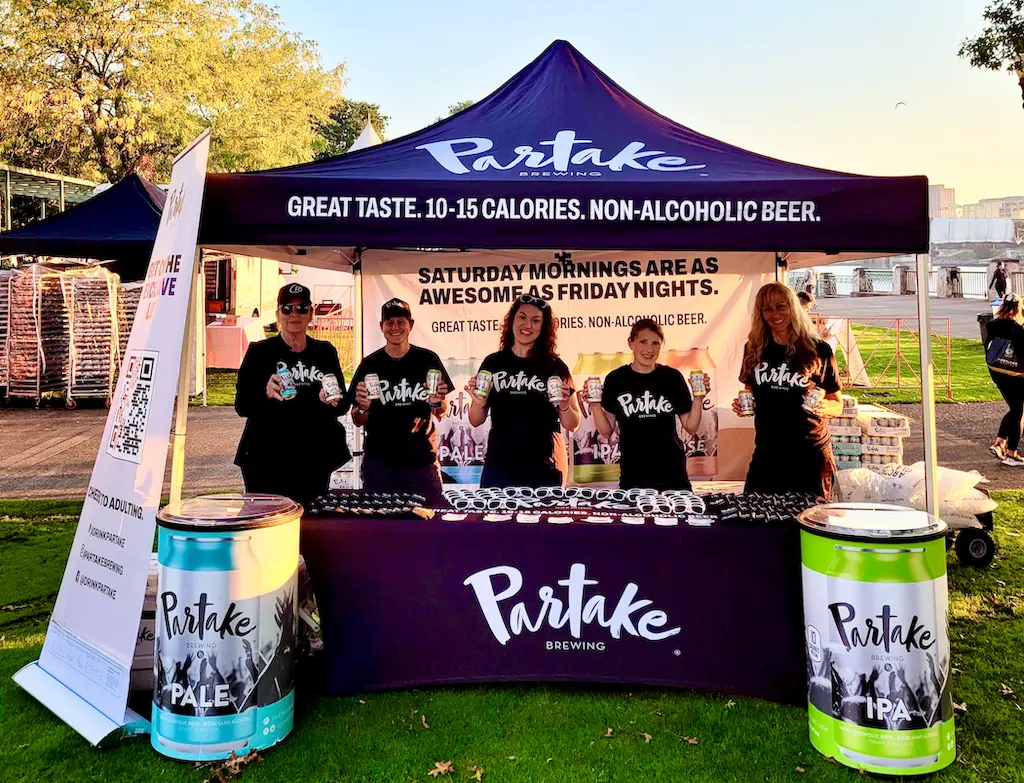
A pop-up event runs on shorter lead times than a scheduled conference or multi-day expo. Most pop-ups operate on a three-to-eight-week planning window instead of the six-month calendar typical for a hotel ballroom conference or convention-center program. The brief cycle affects everything: freight arrangements, AV advance orders, booth asset availability, and EAC jurisdiction verification. Planners working Tempe pop-ups coordinate across the downtown hotel corridor along Mill Avenue, ASU district meeting venues including Tempe Mission Palms and The Westin Tempe, and occasional spillover access to Phoenix Convention Center when target-city ballroom inventory fills during peak season.
Tempe sits five miles east of Phoenix Sky Harbor International Airport via I-10, which simplifies day-of-show freight staging when the install window is tight. Downtown Tempe concentrates seven meeting hotels within a fifteen-minute walking radius. Omni Tempe Hotel at ASU supplies 36,000 square feet of meeting space across seven meeting rooms; Tempe Mission Palms and The Westin Tempe add midsize ballroom options for pop-up formats between 1,500 and 4,000 square feet. ASU 365 Community Union at Mountain America Stadium and Tempe Center for the Arts supply alternative venue options for sponsor activations and product-launch formats that need non-hotel settings. Venue selection depends on which space can confirm availability within the pop-up's short booking window and whether house services or an EAC handles the install.
Pop-up event services include booth setup when the activation uses modular rental assets, temporary AV systems, freight coordination from airport staging to venue dock, and on-floor staff supervision during the program. Because lead times are short, planners prioritize vendors that stock rental inventory locally instead of relying on cross-country freight. Jurisdiction follows the venue: hotel ballroom programs typically require house AV and setup labor unless the client files an EAC application before the advance order deadline. WestWorld of Scottsdale and Mesa Convention Center accept EAC labor for pop-up formats, but both venues enforce their exhibitor manuals even for single-day activations. Strong planning covers the planning sequence, venue options, freight timing, and jurisdictional boundaries specific to pop-up events in the Greater Phoenix market.
Pop-Up Event Planning Essentials
- Downtown Tempe hotel cluster offers 7,100-plus rooms and fifteen-minute walking access between Omni Tempe Hotel at ASU, Tempe Mission Palms, The Westin Tempe, and ASU campus event venues
- Phoenix Sky Harbor International Airport sits five miles west on I-10, allowing same-day freight staging when a pop-up's compressed timeline prevents standard advance shipping
- ASU 365 Community Union at Mountain America Stadium, Tempe Center for the Arts, and Arizona Heritage Center supply alternative venues for sponsor activations and product-launch formats that need non-ballroom settings
- Jurisdiction varies by venue: downtown hotel programs typically require house AV and setup labor unless EAC applications are filed before advance order deadlines, while WestWorld of Scottsdale and Mesa Convention Center accept EAC contractors for pop-up formats
- Regional venue options include Phoenix Convention Center with 635,000 square feet in the North Building, WestWorld of Scottsdale for outdoor and equestrian-campus formats, and Talking Stick Resort for resort-campus activations when hotel ballroom inventory fills during peak season
Venue Selection and Availability
Downtown Tempe concentrates meeting inventory along Mill Avenue and the ASU campus perimeter. Omni Tempe Hotel at ASU offers 36,000 square feet of meeting space across seven meeting rooms, with ballroom configurations between 2,500 and 8,000 square feet. Tempe Mission Palms and The Westin Tempe each supply midsize ballroom options suitable for pop-up formats between 1,500 and 4,000 square feet. Because pop-ups run on short booking windows, planners check availability at multiple properties simultaneously.
ASU campus venues supply alternative settings for pop-ups that need non-hotel formats. ASU 365 Community Union at Mountain America Stadium includes outdoor sun decks and climate-controlled event spaces suitable for sponsor activations. Tempe Center for the Arts offers theater and gallery settings for brand presentations. Arizona Heritage Center and Old Main at ASU provide smaller specialty venues for academic-conference pop-ups.
Regional overflow venues include Phoenix Convention Center, WestWorld of Scottsdale, and Mesa Convention Center. Phoenix Convention Center's North Building supplies 635,000 square feet of exhibit hall capacity and 56 meeting rooms. WestWorld of Scottsdale operates the Equidome and Monterra buildings with indoor and outdoor event spaces. Mesa Convention Center offers 19,000 square feet of exhibit area and an additional 19,000 square feet of meeting space, positioned as an East Valley alternative when Tempe hotel ballrooms fill.
- Omni Tempe Hotel at ASU supplies 36,000 square feet of meeting space across seven meeting rooms, with ballroom configurations between 2,500 and 8,000 square feet suitable for pop-up formats
- ASU 365 Community Union at Mountain America Stadium, Tempe Center for the Arts, and Arizona Heritage Center offer non-hotel venue settings for sponsor activations and product-launch programs
- Phoenix Convention Center North Building provides 635,000 square feet of exhibit hall capacity and accepts pop-up programs when show calendars permit short-notice bookings
- WestWorld of Scottsdale and Mesa Convention Center serve as regional overflow options when Tempe hotel ballroom inventory fills during peak season or when outdoor campus formats are required
Freight Coordination and Dock Access
Pop-up freight timing compresses the standard advance-ship-to-onsite sequence. Pop-up planners frequently stage freight at a Phoenix Sky Harbor cargo facility or a drayage provider's local warehouse, then coordinate final delivery during the install window. Phoenix Sky Harbor sits five miles west of downtown Tempe on I-10; off-peak drive time runs twelve to eighteen minutes. Peak-hour congestion between 6:30 and 9:30 AM or 3:30 and 7:00 PM can extend that run to thirty-five minutes or longer.
Hotel ballroom loading docks differ from convention-center infrastructure. Most downtown Tempe hotels operate a single shared loading dock. Omni Tempe Hotel at ASU enforces advance dock appointments; planners filing an EAC application must include estimated case counts, pallet dimensions, and install crew size. Tempe Mission Palms and The Westin Tempe require similar advance notice for freight deliveries larger than hand-carry cases. Phoenix Convention Center and Mesa Convention Center operate dedicated exhibit-hall loading docks with higher weight capacity and forklift access.
House drayage at downtown Tempe hotels typically charges per-hundredweight with a minimum pull fee. EAC drayage providers service hotel ballroom programs when the venue permits third-party contractors, but the planner must verify EAC status and insurance certificates before the venue approves dock access. Convention-center pop-ups at Phoenix Convention Center or WestWorld of Scottsdale follow official show contractor protocols unless the program qualifies for direct-to-booth delivery.
- Phoenix Sky Harbor International Airport sits five miles west of downtown Tempe on I-10; off-peak drive time runs twelve to eighteen minutes, but peak-hour traffic between 6:30 and 9:30 AM or 3:30 and 7:00 PM can extend the run to thirty-five minutes
- Hotel ballroom loading docks at Omni Tempe Hotel at ASU, Tempe Mission Palms, and The Westin Tempe require advance dock appointments and case-count documentation for freight deliveries larger than hand-carry cases
- House drayage at downtown Tempe hotels charges per-hundredweight with minimum pull fees; EAC drayage providers service ballroom pop-ups when venue permits third-party contractors and insurance certificates are filed
- Convention-center pop-ups at Phoenix Convention Center or WestWorld of Scottsdale follow official show contractor protocols unless the program qualifies for direct-to-booth delivery under the venue's exhibitor manual
Booth Setup and Labor Jurisdiction
Pop-up booth setups frequently use modular rental inventory instead of custom-fabricated structures. Rental assets reduce freight weight, eliminate advance production timelines, and simplify strike logistics. Modular systems between eight and twenty feet wide fit standard hotel ballroom aisle layouts. Setup labor jurisdiction depends on the venue: hotel ballroom programs at Omni Tempe Hotel at ASU, Tempe Mission Palms, and The Westin Tempe typically require house labor unless the client files an EAC application before the advance order deadline.
Phoenix Convention Center accepts EAC contractors for labor, drayage, and AV services; planners must file the EAC application and certificate of insurance at least seventy-two hours before move-in. WestWorld of Scottsdale enforces similar EAC approval protocols for pop-up programs using the Equidome or Monterra buildings. Mesa Convention Center permits EAC labor for pop-ups but requires advance notification to the official show contractor.
On-floor supervision during the pop-up install ensures that setup stays on schedule and booth assets match the approved floor plan. Most programs allocate four to eight hours for setup instead of the two-day move-in typical for a convention-center expo. Supervisors verify that electrical outlets, network drops, and AV mounts are positioned according to the advance order before booth assembly begins.
- Modular rental inventory between eight and twenty feet wide fits standard hotel ballroom aisle layouts and reduces freight weight compared to custom-fabricated booth structures
- Hotel ballroom programs at Omni Tempe Hotel at ASU, Tempe Mission Palms, and The Westin Tempe typically require house labor unless EAC applications are filed and approved before advance order deadlines
- Phoenix Convention Center, WestWorld of Scottsdale, and Mesa Convention Center accept EAC contractors for pop-up formats but require EAC applications and insurance certificates filed at least seventy-two hours before move-in
- On-floor supervision during the compressed install window verifies that electrical outlets, network drops, and AV mounts match the advance order before booth assembly begins
AV and Electrical Requirements
Pop-up AV systems prioritize portability and fast setup. Most activations use tabletop monitors, wireless microphones, and battery-powered speakers. Hotel ballroom programs at downtown Tempe properties typically require house AV for projection, stage lighting, and microphone systems; planners submit advance requests at least ten days before the event to lock rates. Convention-center pop-ups at Phoenix Convention Center or WestWorld of Scottsdale allow EAC AV contractors when the client files the appropriate paperwork.
A modular rental booth with integrated LED lighting and a tabletop monitor typically draws between 500 and 800 watts, equivalent to a single 110-volt 15-amp circuit. Hotel ballrooms at Omni Tempe Hotel at ASU, Tempe Mission Palms, and The Westin Tempe provide floor-box outlets or temporary power drops through house services. Phoenix Convention Center and Mesa Convention Center enforce electrical-order minimums and charge per-outlet fees according to published rate sheets.
AV testing happens during the install window, not the day before show open. Planners verify monitor resolution, microphone gain, and playback audio levels immediately after booth assembly finishes. Wireless network access for product demos requires advance coordination with the venue's IT department. Omni Tempe Hotel at ASU and Phoenix Convention Center provide temporary network access through their official service providers.
- Hotel ballroom programs at downtown Tempe properties require house AV for projection, stage lighting, and microphone systems; advance requests submitted at least ten days before the event lock rates and confirm equipment availability
- Modular rental booths with integrated LED lighting and tabletop monitors typically draw 500 to 800 watts, equivalent to a single 110-volt 15-amp circuit provided through hotel floor-box outlets or temporary power drops
- Convention-center venues like Phoenix Convention Center and Mesa Convention Center enforce electrical-order minimums and charge per-outlet fees according to published rate sheets; pop-ups requiring more than eight outlets must coordinate power distribution to avoid overloading house circuits
- AV testing during the install window verifies monitor resolution, microphone gain, and playback audio levels immediately after booth assembly; wireless network access requires advance coordination with venue IT departments and bandwidth specifications in the advance order
Planning Timeline and Budget Considerations
Pop-up event planning runs on a three-to-eight-week cycle instead of the six-month timeline typical for hotel conferences. Week one focuses on venue selection and booking confirmation; planners check availability at Omni Tempe Hotel at ASU, Tempe Mission Palms, The Westin Tempe, and regional alternatives like Phoenix Convention Center or WestWorld of Scottsdale. Week two covers floor plan design, booth asset specification, and advance order submissions. The final week before show open includes install scheduling and on-site crew coordination.
A single-day hotel ballroom pop-up at Omni Tempe Hotel at ASU with a 10x10 modular rental booth, house electrical service, house AV for one monitor and two wireless microphones, and house drayage typically budgets between $4,500 and $7,200 depending on season. Convention-center pop-ups at Phoenix Convention Center or WestWorld of Scottsdale add official show contractor fees, higher drayage minimums, and mandatory cleaning charges; a similar 10x10 setup at Phoenix Convention Center can run $6,800 to $10,500 when using house services instead of an EAC.
Cost control for pop-up formats focuses on reducing freight weight and avoiding after-deadline charges. Planners selecting modular rental assets instead of custom booths eliminate production costs and reduce shipping weight by forty to sixty percent. Ordering electrical and AV services before the advance deadline avoids premium rates. Hotel ballroom programs at downtown Tempe properties typically enforce lower minimum charges than convention-center venues, making them attractive options for pop-ups under 2,000 square feet.
- Pop-up planning timelines run three to eight weeks instead of six months; week one secures venue confirmation, week two handles floor plan design and advance orders, and the final week covers install scheduling and on-site coordination
- Single-day hotel ballroom pop-ups at Omni Tempe Hotel at ASU with 10x10 modular rental booths, house electrical and AV, and house drayage budget between $4,500 and $7,200; convention-center pop-ups at Phoenix Convention Center run $6,800 to $10,500 for comparable setups
- Modular rental assets reduce freight weight by forty to sixty percent compared to custom hard-wall exhibits and eliminate production costs typical for fabricated booth structures
- Hotel ballroom programs at downtown Tempe properties enforce lower minimum charges than convention-center venues, making them attractive options for pop-ups under 2,000 square feet when inventory is available
Frequently Asked Questions
What is the typical lead time for booking a pop-up event at a downtown Tempe hotel?
Most downtown Tempe hotels require three to six weeks' notice for ballroom pop-ups, though availability varies by season and existing conference bookings. Omni Tempe Hotel at ASU, Tempe Mission Palms, and The Westin Tempe occasionally accommodate shorter booking windows during off-peak months, but planners should expect limited availability during ASU academic calendar peaks or when regional conventions fill hotel inventory.
Do hotel ballroom pop-ups in Tempe require EAC applications or can third-party contractors handle setup?
Hotel ballroom programs at Omni Tempe Hotel at ASU, Tempe Mission Palms, and The Westin Tempe typically require house labor and house AV unless the client files an EAC application and receives approval before the advance order deadline. Each property enforces different EAC policies; planners working with third-party contractors should verify EAC status and insurance certificate requirements with the venue's catering or event services department before booking.
How does freight timing work when a pop-up event runs on a one-week notice?
Planners stage freight at Phoenix Sky Harbor cargo facilities or a local drayage provider's warehouse, then coordinate final delivery during the venue's install window. Because Phoenix Sky Harbor sits five miles west of downtown Tempe on I-10, same-day or next-day delivery is feasible when dock appointments are available. Hotel ballroom loading docks require advance scheduling; convention-center venues like Phoenix Convention Center accept tighter freight windows but enforce minimum drayage fees even for single-pallet deliveries.
What venues in the Greater Phoenix area accept pop-up events on short notice?
Phoenix Convention Center, WestWorld of Scottsdale, Mesa Convention Center, and several downtown Tempe hotel ballrooms accept pop-up bookings when their calendars permit. Availability depends on existing show schedules and conference blocks; planners should query multiple venues simultaneously instead of waiting for a single property to confirm. ASU campus venues like ASU 365 Community Union at Mountain America Stadium and Tempe Center for the Arts operate under separate booking protocols with longer lead times for most programs.
Are electrical and AV costs higher for pop-up events compared to standard conference setups?
Electrical and AV rates for pop-up events match standard hotel or convention-center pricing when orders are placed before the advance deadline. After-deadline orders trigger premium rates that can increase costs by twenty-five to fifty percent. Hotel ballroom programs at downtown Tempe properties typically charge lower electrical minimums than convention-center venues; Phoenix Convention Center and WestWorld of Scottsdale enforce per-outlet fees and minimum order quantities according to published rate sheets. Planners submitting advance orders at least ten days before the event lock standard rates and avoid day-of-show premiums.