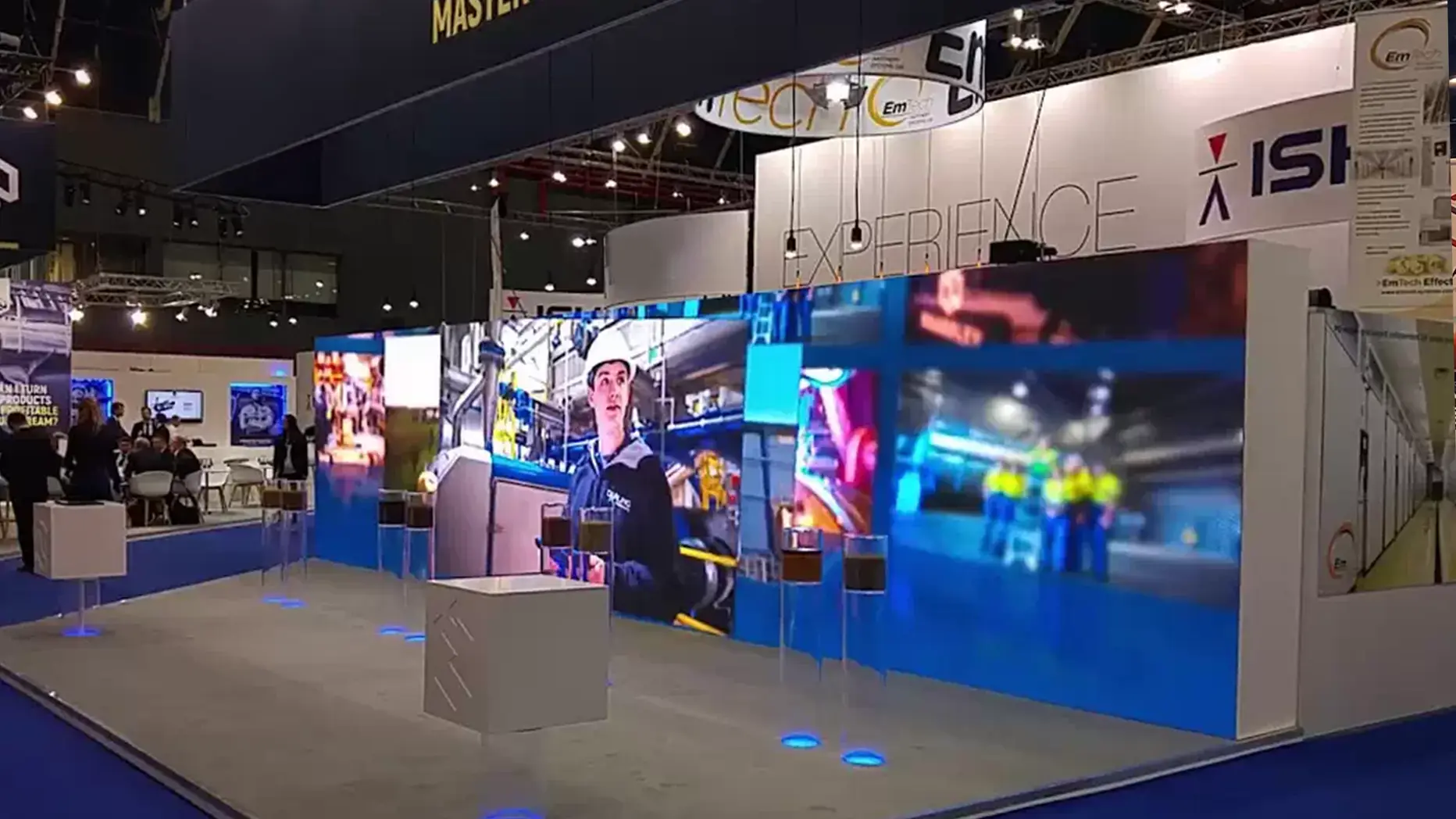
Labor management at Tempe-area trade shows spans crew booking, jurisdiction verification (official show contractor versus EAC), load-in scheduling around venue dock capacity, and strike coordination that matches the show manual. Phoenix Convention Center events typically operate under house-contractor labor rules; WestWorld of Scottsdale and Arizona State Fairgrounds require advance verification of jurisdictional requirements. Tempe hotel ballroom programs at Omni Tempe Hotel at ASU and Tempe Mission Palms follow different crew-size and timeline expectations than large-hall installations.
The work follows labor-management workflows for Tempe and Greater Phoenix shows. It covers crew-size estimation, advance-order deadlines, dock-scheduling constraints at Phoenix Convention Center's twenty climate-controlled loading docks, supervision handoffs, and the compliance checkpoints that affect EAC labor deployment. The project plan should turn venue rules, freight deadlines, labor windows, and exhibitor goals into a workable show schedule.
Effective labor management starts with reading the exhibitor manual to confirm jurisdictional boundaries, verifying that crew headcount matches booth complexity and venue access windows, and scheduling supervision that covers first call through strike. Shows at Mesa Convention Center with 19,000 square feet of exhibit area require different crew-deployment math than installations at the 635,000-square-foot Phoenix Convention Center North Building.
Labor Management Planning Points
- Jurisdiction mapping for official show contractors versus Exhibitor Appointed Contractors at Phoenix Convention Center, WestWorld of Scottsdale, Arizona State Fairgrounds, Mesa Convention Center, and Tempe hotel properties
- Crew-size estimation tied to booth footprint, rigging requirements, AV integration scope, and venue load-in duration at Phoenix Convention Center's eleven exhibit halls and WestWorld's Equidome campus
- Dock-scheduling coordination at Phoenix Convention Center's twenty climate-controlled loading docks and freight-staging protocols that prevent detention charges and missed move-in slots
- Supervision deployment from first call through strike, with clear handoff documentation when booth-build crews differ from show-floor support crews during live-show hours
- Advance-order deadlines for official show contractor labor, penalty-rate thresholds for late crew additions, and EAC credential requirements that vary by venue and show organizer
Jurisdiction and Contractor Scope
Jurisdictional boundaries determine which tasks fall under official show contractor labor and which can be performed by an Exhibitor Appointed Contractor. At Phoenix Convention Center, the exhibitor manual defines house-contractor responsibilities (rigging, electrical connections above booth height, compressed air, water service) and EAC-permissible tasks (booth assembly, graphics installation, in-booth AV setup, carpet placement). WestWorld of Scottsdale publishes similar rules, though outdoor pavilion setups may permit broader EAC scope when no overhead rigging is involved. Mesa Convention Center and Tempe hotel ballrooms at Omni Tempe Hotel at ASU typically allow EAC crews for most booth-assembly tasks, but electrical hook-up and ceiling-hung elements require house or official contractor coordination.
Reading the show manual before crew booking prevents double-billing and compliance issues. If the manual requires that all booth lighting connections over eight feet be performed by the official contractor, the EAC crew quote should reflect in-booth fixture staging and positioning only, not final electrical tie-in. Shows at Arizona State Fairgrounds and Talking Stick Resort follow distinct jurisdictional frameworks; verifying these details during the RFP phase avoids last-minute crew-scope disputes and ensures that the labor estimate covers the tasks actually permitted under venue and show-organizer rules.
- Review exhibitor manual jurisdiction sections before finalizing EAC labor scope and crew headcount for Phoenix Convention Center installations
- Confirm which electrical, rigging, and compressed-air tasks require official show contractor labor versus EAC self-performance at WestWorld of Scottsdale
- Verify hotel-ballroom labor rules at Omni Tempe Hotel at ASU, Tempe Mission Palms, and The Westin Tempe to prevent credential or insurance conflicts during load-in
- Budget separately for house-contractor tasks (overhead rigging, electrical vault access, water drops) and EAC tasks (booth assembly, graphics, in-booth AV) to avoid quote confusion
Crew-Size Estimation and Timing
Crew-size estimation depends on booth square footage, structural complexity, rigging requirements, AV integration scope, and the duration of the venue's load-in window. A 20x20-foot island booth with minimal rigging and pre-assembled components may require a two-person crew for four hours at Mesa Convention Center's 19,000-square-foot exhibit hall. A 30x30-foot custom booth with overhead truss, LED walls, and integrated product displays can require a six-person crew for twelve hours at Phoenix Convention Center, particularly if dock access is limited to specific time slots and the official contractor's material-handling schedule delays freight delivery to the booth space.
Venue move-in calendars drive crew deployment. Phoenix Convention Center's exhibitor manual publishes load-in windows by hall and show date; crews arriving outside assigned windows face delayed dock access and compressed installation timelines. WestWorld of Scottsdale outdoor setups require daylight-hour labor when lighting is inadequate for evening rigging work. Tempe hotel ballroom installations at Omni Tempe Hotel at ASU's 36,000 square feet of meeting space often compress load-in into the afternoon before a morning show open, requiring larger crews or staggered shifts to meet the tighter schedule.
- Estimate one crew member per 100 square feet of booth footprint for straightforward modular builds, scaling up for custom structures with rigging or AV complexity
- Add buffer hours to crew schedules when Phoenix Convention Center dock windows restrict freight delivery timing or when official contractor drayage delays booth-material arrival
- Plan for two-shift or overnight crews when venue load-in windows are compressed and booth complexity prevents single-day completion at WestWorld of Scottsdale or Arizona State Fairgrounds
- Coordinate crew-size increases with supervision capacity to maintain quality control and safety compliance during high-intensity installation periods
Dock Scheduling and Freight Coordination
Dock scheduling at Phoenix Convention Center's twenty climate-controlled loading docks requires advance coordination with the official show contractor's drayage team and alignment with the venue's hall-access calendar. Freight arriving outside the exhibitor's assigned dock window incurs detention fees, misses the contracted material-handling slot, and delays booth installation. Coordinating outbound origin timing (from Tempe warehouse staging areas, South Tempe distribution centers, or Chandler fabrication shops along the I-10 corridor) ensures that trucks arrive within the permitted window and that crews are on-site when booth materials reach the exhibit floor.
Mesa Convention Center and WestWorld of Scottsdale operate different dock-management protocols. Mesa Convention Center's smaller footprint allows more flexible dock access during non-peak hours, but shared loading zones require exhibitors to communicate arrival times with facility staff. WestWorld of Scottsdale outdoor shows may use ground-level freight staging instead of elevated docks, changing forklift and crew-access patterns. Tempe hotel properties such as Tempe Mission Palms and The Westin Tempe rely on service elevators and loading-zone reservations; late or uncoordinated freight delivery blocks other exhibitors and creates friction with hotel operations teams.
- Reserve dock windows at Phoenix Convention Center during the advance-order phase to secure preferred load-in timing and prevent last-minute scheduling conflicts
- Coordinate outbound freight departure from Tempe, Chandler, or Mesa staging areas to match Phoenix Convention Center dock-arrival windows and avoid detention or rescheduling fees
- Verify ground-level versus dock-height freight access at WestWorld of Scottsdale and Arizona State Fairgrounds before finalizing forklift and crew-logistics plans
- Communicate hotel service-elevator reservations and loading-zone timing with Omni Tempe Hotel at ASU and Tempe Mission Palms facility teams to prevent conflicts with concurrent events
Supervision and Workflow Handoffs
Supervision deployment covers first call (crew arrival and booth-material staging), installation progression, quality checks during build, AV integration handoff to technical crews, final graphics placement, and strike coordination after show close. At Phoenix Convention Center installations, a site supervisor coordinates with the official show contractor's floor manager to confirm that booth positioning matches the floor plan, that electrical and rigging connections are scheduled, and that crew access to the booth space is unobstructed. WestWorld of Scottsdale and Arizona State Fairgrounds shows require supervisors who understand outdoor-event variables such as weather delays, ground-condition changes, and temporary power routing.
Clear handoff documentation prevents gaps when booth-build crews differ from show-floor support crews. If the installation crew completes the build on Tuesday and a separate team handles live-show adjustments and minor repairs Wednesday through Friday, the handoff checklist should note incomplete tasks, pending vendor deliveries (samples, brochures, AV content updates), and any structural or electrical issues that require follow-up. Mesa Convention Center and Tempe hotel ballroom shows benefit from single-crew continuity when load-in, show support, and strike fit within a short window, reducing handoff complexity and preserving institutional knowledge of booth-specific quirks.
- Deploy site supervisors who can coordinate with Phoenix Convention Center floor managers, official show contractor drayage teams, and EAC specialty vendors (AV, rigging, graphics) during installation
- Document handoff checklists when booth-build crews differ from show-floor support crews, noting incomplete tasks, pending deliveries, and required follow-up at WestWorld of Scottsdale multi-day shows
- Maintain supervision presence during strike to ensure that booth disassembly meets venue timeline requirements and that outbound freight reaches loading docks within permitted windows
- Provide supervisors with copies of the exhibitor manual, floor plan, electrical and rigging confirmations, and official contractor contact lists to resolve issues without escalation delays
Advance Orders, Penalty Rates, and Credentials
Official show contractor advance-order deadlines set the baseline for labor pricing and schedule guarantees. Orders placed before the advance deadline (typically thirty to sixty days before show open) receive standard rates and priority scheduling. Orders placed after the deadline incur penalty-rate surcharges (often twenty-five to fifty percent above standard rates) and risk reduced dock-window availability. Phoenix Convention Center shows publish advance-order deadlines in the exhibitor manual; missing those dates increases total labor costs and compresses installation timelines when dock access becomes constrained.
Exhibitor Appointed Contractor crews require credentials, insurance certificates, and safety-training documentation to access Phoenix Convention Center, WestWorld of Scottsdale, and Mesa Convention Center exhibit floors. Credential applications close several weeks before move-in; late submissions delay crew access or prevent entry entirely. Tempe hotel properties such as Omni Tempe Hotel at ASU require proof of general liability insurance and may mandate background checks for crews working overnight or in guest-accessible areas. Confirming credential requirements during the planning phase and submitting applications early prevents last-minute access denials that force costly crew cancellations or rescheduling.
- Submit official show contractor advance orders before published deadlines to secure standard labor rates and preferred dock windows at Phoenix Convention Center and WestWorld of Scottsdale
- Budget for penalty-rate surcharges (twenty-five to fifty percent above standard) when advance-order deadlines cannot be met or when scope changes require late crew additions
- Apply for EAC credentials, insurance certificates, and safety-training documentation several weeks before move-in to ensure crew access to Phoenix Convention Center, Mesa Convention Center, and Arizona State Fairgrounds
- Verify hotel-specific credentialing, insurance, and background-check requirements at Omni Tempe Hotel at ASU, Tempe Mission Palms, and The Westin Tempe before finalizing crew deployment plans
Labor Management Questions
What determines whether a task falls under official show contractor jurisdiction or can be performed by an EAC crew at Phoenix Convention Center?
The exhibitor manual defines jurisdictional boundaries. Typically, house-contractor tasks include overhead rigging, electrical connections above booth height, compressed air, water service, and access to venue infrastructure vaults. EAC-permissible tasks include booth assembly, graphics installation, in-booth AV setup, and carpet placement. Reading the manual before finalizing crew scope prevents double-billing and compliance issues.
How should I estimate crew size for a 20x20-foot island booth at Mesa Convention Center versus a 30x30-foot custom booth at Phoenix Convention Center?
A 20x20-foot island with minimal rigging and pre-assembled components may require a two-person crew for four hours at Mesa Convention Center. A 30x30-foot custom booth with overhead truss, LED walls, and integrated displays can require a six-person crew for twelve hours at Phoenix Convention Center, particularly if dock access is limited and freight delivery timing is constrained. Booth complexity, rigging requirements, AV integration scope, and venue load-in windows drive crew-size estimation.
What happens if freight arrives outside the assigned dock window at Phoenix Convention Center?
Freight arriving outside the assigned dock window incurs detention fees, misses the contracted material-handling slot with the official show contractor's drayage team, and delays booth installation. Coordinating outbound freight departure from staging areas in Tempe, Chandler, or Mesa ensures that trucks arrive within the permitted window and that crews are on-site when booth materials reach the exhibit floor.
When do official show contractor advance-order deadlines typically close, and what are the consequences of missing them?
Advance-order deadlines typically close thirty to sixty days before show open. Orders placed after the deadline incur penalty-rate surcharges (often twenty-five to fifty percent above standard rates) and risk reduced dock-window availability. Phoenix Convention Center shows publish advance-order deadlines in the exhibitor manual; missing those dates increases total labor costs and compresses installation timelines.
What credential and insurance requirements apply to EAC crews working at WestWorld of Scottsdale or Omni Tempe Hotel at ASU?
WestWorld of Scottsdale and Omni Tempe Hotel at ASU require EAC crews to submit credentials, general liability insurance certificates, and safety-training documentation several weeks before move-in. Hotel properties may mandate background checks for crews working overnight or in guest-accessible areas. Late credential submissions delay crew access or prevent entry entirely, forcing costly crew cancellations or rescheduling.