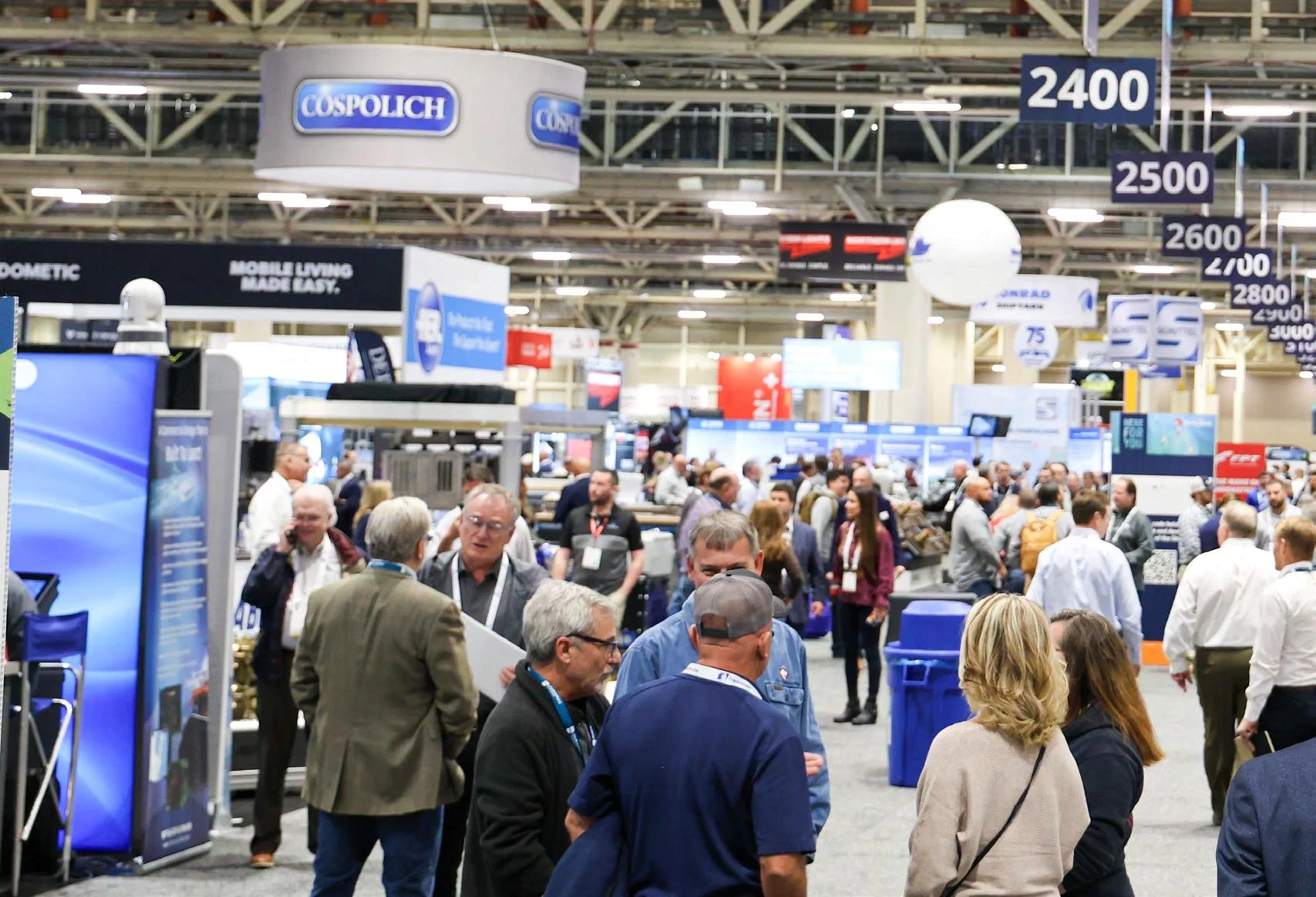
Storage and asset management covers booth inventory, graphics, freight cases, AV equipment, and archived show materials between events. The service keeps exhibit assets accessible for the next show while removing multi-month storage overhead from exhibitor warehouse space. Tempe sits five miles from Phoenix Sky Harbor, twenty minutes from downtown Phoenix on I-10, and inside the East Valley corridor that connects Mesa Convention Center, WestWorld of Scottsdale, and hotel ballroom programs along Scottsdale Road.
The planning sequence starts with asset tagging, inventory intake, and condition documentation when the booth strikes. Each case gets logged before it leaves the floor. Storage facilities coordinate with drayage contractors, receiving shipments directly from the official show carrier or from the EAC's dock. For exhibitors running multiple shows per year across Phoenix Convention Center, Arizona State Fairgrounds, and Scottsdale, local storage cuts line-haul charges and reduces calendar risk. Planners verify insurance coverage, climate-control requirements for fabric graphics or AV equipment, and retrieval notice windows before signing storage contracts.
Asset management extends beyond static storage. Exhibitors track booth condition, request graphics updates while inventory sits in storage, and coordinate partial shipments when smaller events pull only modular sections from full booth inventory. For shows at Omni Tempe Hotel at ASU or Talking Stick Resort where footprints run smaller than convention-center builds, partial retrieval saves drayage weight charges. Storage facilities document what leaves inventory for each show, what returns, and what gets retired. Planners use this tracking to avoid missing-component surprises during load-in at Mesa Convention Center, where exhibit schedules move quickly.
Storage and Asset Planning Variables
- I-10 and Loop 202 access timing from storage facilities to Phoenix Convention Center, WestWorld, and Mesa Convention Center, with dock-delivery windows during peak event season when multiple shows overlap across the metro
- Inventory intake workflow between official show drayage contractors, EAC warehouse transfers, and storage-facility receiving docks, including documentation protocols that match bills of lading to case counts and condition photographs before acceptance
- Climate-controlled storage requirements for tension-fabric graphics, LED panels, and AV components that degrade in high desert heat when warehouses lack HVAC or when summer interior temperatures exceed recommended storage thresholds
- Retrieval notice periods and partial-shipment coordination when exhibitors need modular sections or updated graphics panels for smaller hotel-ballroom shows while the full booth inventory remains in storage for larger convention-center programs scheduled later in the same quarter
- Insurance coverage verification including named-insured status, storage-facility liability limits, transit coverage gaps between warehouse pickup and venue delivery, and proof-of-insurance submission deadlines for venues that require certificates before allowing stored inventory onto exhibit floors
Intake Workflow and Inventory Documentation
Storage begins when the booth strikes at the host venue. Drayage contractors load cases onto outbound trucks that either deliver directly to the storage facility or route through an EAC warehouse where crews repack and inspect before forwarding to long-term storage. Direct delivery from the venue dock to storage cuts handling labor, but consolidated routing through an EAC facility allows crews to identify broken components before the booth enters long-term inventory. Phoenix Convention Center strikes can generate ten to thirty crates depending on booth size, and intake documentation must match the outbound bill of lading against physical case counts at the storage dock.
Facilities photograph each case on arrival, log serial numbers, and note visible damage before accepting custody. For graphics stored in soft cases or rolled tubes, intake crews document whether fabric panels show creasing or whether protective wrapping remained intact during transit. Climate-sensitive materials like tension-fabric SEG graphics or backlit film require inspection under warehouse lighting to catch UV fade or moisture spotting. Exhibitors use these intake records to file damage claims with freight carriers before the claim window closes.
Asset tagging creates the reference system that drives retrieval and inventory audits. Each case receives a unique identifier that links to the exhibitor's master inventory list. For exhibitors running quarterly shows at Talking Stick Resort, WestWorld, and Mesa Convention Center, partial retrieval depends on accurate case tagging so that warehouse crews pull only the modular sections needed for each event without shipping the full booth. Tagging systems must survive months of storage, so facilities use bar codes, RFID tags, or durable case labels rather than paper printouts that degrade in high-heat warehouse zones.
- Direct venue-to-storage delivery from Phoenix Convention Center or WestWorld docks reduces handling steps, while EAC consolidation routing allows pre-storage inspection and repair separation before booth inventory enters long-term custody
- Intake photographs and condition logs document case condition, graphics condition, and visible damage on arrival so that exhibitors can file carrier damage claims within the claim window and update booth-condition records before the next show
- Asset tagging with bar codes, RFID, or durable case labels supports partial retrieval when smaller hotel-ballroom shows at Omni Tempe or Tempe Mission Palms pull modular sections from full booth inventory stored for larger convention-center programs later in the quarter
Climate Control and Equipment Storage Requirements
Tempe's summer heat drives climate-control planning for exhibit storage. Warehouses without HVAC can exceed 110 degrees inside during June, July, and August. Tension-fabric graphics stored in those conditions can develop adhesive failure on SEG edge strips, and backlit film can yellow when heat exposure persists across multiple months. LED panels and AV equipment with lithium-ion batteries face thermal runaway risk when storage temperatures exceed manufacturer thresholds. Exhibitors specify climate-controlled zones for sensitive assets and verify that storage contracts include HVAC guarantees.
Graphics storage involves more than temperature control. Fabric panels stored in plastic cases without ventilation can trap moisture if condensation forms on interior surfaces. Rolled graphics stored vertically in tubes avoid crease lines, but horizontal storage saves floor space when booth inventory includes dozens of interchangeable panels. Facilities offer flat-file storage for rigid graphics, hanging racks for fabric panels, and tube racks for rolled prints. Planners specify storage method at contract signing so warehouse crews allocate correct racking before the booth arrives.
AV equipment storage includes power-down protocols and battery maintenance. Projectors and LED panels stored with lenses exposed collect dust that degrades brightness; facilities store units in protective cases with lens caps and desiccant packs. Lithium-ion batteries in wireless microphones and speaker systems require periodic charging to prevent deep discharge. Storage contracts specify whether the facility provides battery-maintenance service or whether the exhibitor retrieves units quarterly for recharging.
- Climate-controlled storage prevents tension-fabric adhesive failure, backlit-film yellowing, and LED-panel thermal damage when summer warehouse temperatures exceed 110 degrees inside facilities without HVAC systems
- Graphics storage methods include flat-file systems for rigid panels, hanging racks for SEG fabric that tolerates vertical suspension, and tube racks for rolled prints, with method specified at contract signing so crews allocate correct racking before intake
- AV equipment protocols cover lens protection, battery-maintenance schedules for lithium-ion units in wireless microphones and speaker systems, and component separation to prevent impact damage when forklifts move palletized booth cases within the warehouse
- Temperature logging and ventilation requirements get documented in storage contracts when high-value inventory sits between shows at Phoenix Convention Center, WestWorld, or Arizona State Fairgrounds across multi-month storage windows during peak desert heat
Retrieval Coordination and Partial-Shipment Logistics
Retrieval notice periods range from five business days for full-booth pulls to fifteen days for partial shipments that require warehouse crews to open consolidated pallets and separate tagged cases. Exhibitors working multiple shows per quarter across Mesa Convention Center, Omni Tempe, and Talking Stick Resort must plan retrieval requests around venue move-in schedules and the storage facility's outbound dock calendar. Late requests can miss the dock schedule and force exhibitors to pay expedited handling fees.
Partial shipments occur when an exhibitor stores a 20x30 island booth but only needs a 10x20 inline configuration for a smaller hotel-ballroom event. Warehouse crews pull the cases tagged for the 10x20 footprint and ship those cases while the remaining island components stay in storage. This workflow requires accurate case tagging so crews know which cases hold the inline framework and which hold additional structural components used only for the full island build. Mistakes during partial retrieval result in missing components on-site and emergency freight charges to overnight missing cases before the show opens.
Outbound shipping coordinates with drayage contractors or direct delivery services depending on the destination venue. For Phoenix Convention Center shows with exclusive drayage contracts, the storage facility ships to the official contractor's consolidation warehouse. For hotel-ballroom shows at The Westin Tempe or Tempe Mission Palms where exhibitors self-deliver, storage facilities coordinate direct delivery to the venue loading dock and provide advance shipment notifications so hotel event staff can schedule dock access before the truck arrives.
- Retrieval notice periods of five to fifteen business days allow warehouse crews to separate partial shipments, repack remaining inventory, and schedule outbound dock access without forcing exhibitors into expedited handling fees that compress setup windows at Mesa Convention Center or Talking Stick Resort
- Partial-shipment accuracy depends on intake case tagging so that crews pull only the 10x20 inline components from stored 20x30 island inventory when smaller hotel-ballroom shows at Omni Tempe or The Westin Tempe require reduced booth footprints
- Outbound coordination routes shipments to official drayage consolidation warehouses for Phoenix Convention Center exclusivity shows or arranges direct delivery to hotel loading docks at Tempe Mission Palms and other ballroom venues where exhibitors self-deliver or hire independent EACs
Asset Tracking and Multi-Show Inventory Management
Multi-show exhibitors track which booth components ship to which event, what returns after each show, and what gets retired. A booth used at WestWorld in February, Mesa Convention Center in April, and Phoenix Convention Center in September cycles through storage multiple times in a single year. Asset tracking systems log every retrieval, every return, and every condition note so exhibitors know the current state of booth inventory before committing to the next show.
Inventory audits verify that case counts and contents match the master asset list. Facilities conduct audits quarterly or annually, opening cases to confirm that tagged contents match inventory records. Audits catch tagging errors and confirm that high-value items like LED panels remain in designated cases rather than sitting loose in general freight. Exhibitors use audit reports to update insurance schedules and correct inventory records before the next retrieval request.
Repair coordination allows exhibitors to send components from storage to fabrication shops for refurbishment without pulling the entire booth. A storage facility near I-10 and Loop 202 can coordinate outbound shipments to Phoenix-area fabrication shops, receive repaired components, and integrate them back into booth inventory before the next show. Planners verify that storage contracts allow third-party shop access and that insurance coverage extends to components in transit to repair vendors.
- Asset tracking logs every retrieval, return, and condition note across multi-show cycles so that exhibitors know booth inventory status before committing to the next event at WestWorld, Mesa Convention Center, or Phoenix Convention Center within the same calendar year
- Quarterly or annual inventory audits verify case counts and contents against master asset lists, catching tagging errors and confirming that high-value LED panels and AV processors remain in designated cases rather than sitting loose or mislabeled in general freight
- Repair coordination routes components from storage to Phoenix-area fabrication shops for graphics refresh, LED upgrades, or structural replacement, with storage contracts allowing third-party shop access and insurance coverage extending to components in transit to repair vendors
Insurance, Liability, and Contract Terms
Storage contracts specify liability limits, insurance requirements, and loss-recovery procedures. Facilities carry warehouse-legal liability policies that cover stored goods up to a declared value per pound, but these statutory limits often fall below the replacement cost of custom booths or LED walls. Exhibitors purchasing separate all-risk storage insurance verify that the policy names the storage facility as an additional insured and that coverage includes transit between the facility and show venues. Phoenix Convention Center and WestWorld require proof-of-insurance certificates before allowing stored booths onto exhibit floors.
Liability gaps emerge during transit. A booth leaving storage travels under the freight carrier's cargo policy until it reaches the venue dock, then transfers to the venue's liability coverage once it enters the building. Storage contracts define custody transfer points, specify photographic documentation requirements at each handoff, and clarify whether the facility's liability ends when the truck leaves the dock or when the shipment reaches the drayage contractor's consolidation warehouse.
Contract terms address retrieval fees, minimum storage periods, and rate escalation. Facilities charge monthly or annual storage fees based on square footage or case count. Exhibitors storing booths between quarterly shows at Talking Stick Resort, Mesa Convention Center, and Arizona State Fairgrounds compare per-retrieval fees against the cost of maintaining booth inventory in their own warehouse space. For high-frequency exhibitors, local storage with unlimited retrieval can deliver lower annual costs than distant storage with per-pull fees that accumulate across a six-show season.
- Warehouse-legal liability limits often fall below replacement cost for custom booths and LED walls, requiring exhibitors to purchase all-risk storage insurance that names the facility as additional insured and covers transit gaps between storage and venues like Phoenix Convention Center or WestWorld
- Liability transfer points during transit from storage to venue docks require photographic documentation and clear contract language defining when the facility's coverage ends and when the freight carrier's or official contractor's cargo policy begins responding to damage claims
- Storage contract terms specify monthly or annual rates, retrieval-fee structures, and rate-escalation schedules so that exhibitors running quarterly shows across Talking Stick Resort, Mesa Convention Center, and Arizona State Fairgrounds can compare per-retrieval costs against origin-point freight charges for each event
Common Storage and Asset Questions
How far in advance should retrieval requests go to the storage facility before a show at Phoenix Convention Center or WestWorld?
Most storage facilities require five to ten business days' notice for full-booth retrieval and ten to fifteen days for partial shipments where crews must open consolidated pallets and separate tagged cases. Late requests can miss the outbound dock schedule and force expedited handling fees or delayed delivery that compresses on-site setup windows. Exhibitors submit retrieval orders as soon as the venue confirms move-in dates and the official contractor publishes the advance warehouse deadline.
Do storage facilities offer climate-controlled space for tension-fabric graphics and AV equipment, or does all inventory sit in unconditioned warehouse zones?
Facilities near Tempe and the East Valley offer both climate-controlled and standard warehouse zones. Exhibitors specify climate requirements at contract signing and verify that storage agreements include HVAC guarantees and temperature logging for sensitive inventory. Unconditioned warehouses can exceed 110 degrees in summer, which degrades fabric adhesive, yellows backlit film, and damages lithium-ion batteries in wireless AV components.
Can booth components go from storage to a fabrication shop for graphics updates or structural repairs without the exhibitor pulling the entire booth out of inventory?
Many storage contracts allow third-party shop access for component-level repairs and graphics refresh work. The facility coordinates outbound shipments to Phoenix-area fabrication vendors, receives repaired items, and integrates them back into booth inventory before the next retrieval. Exhibitors verify that insurance coverage extends to components in transit to repair shops and that intake documentation updates when refurbished items return to storage.
What happens if a partial shipment misses components and the booth arrives incomplete at a hotel ballroom show at Omni Tempe or The Westin Tempe?
Missing components trigger emergency freight requests to overnight the correct cases from storage to the venue before the show opens. Accurate intake documentation and case tagging prevent most partial-shipment errors, but when mistakes occur, exhibitors notify the storage facility immediately so that warehouse crews can locate the missing items, verify contents, and arrange expedited delivery. Costs for emergency freight typically fall to whichever party caused the retrieval error.
How do exhibitors handle insurance coverage gaps when booth inventory moves from storage to the venue and passes through multiple carriers and contractors during transit?
Storage contracts define custody transfer points and specify photographic documentation requirements at each handoff so that damage claims can identify whether the loss occurred under the facility's warehouse policy, the freight carrier's cargo coverage, or the venue's liability program. Exhibitors purchase separate all-risk transit insurance to eliminate coverage gaps and review transfer-point language with insurance brokers before signing multi-year storage agreements. Proof-of-insurance certificates from both the storage facility and the exhibitor's own insurer get submitted to venues like Phoenix Convention Center and Mesa Convention Center weeks before move-in deadlines.