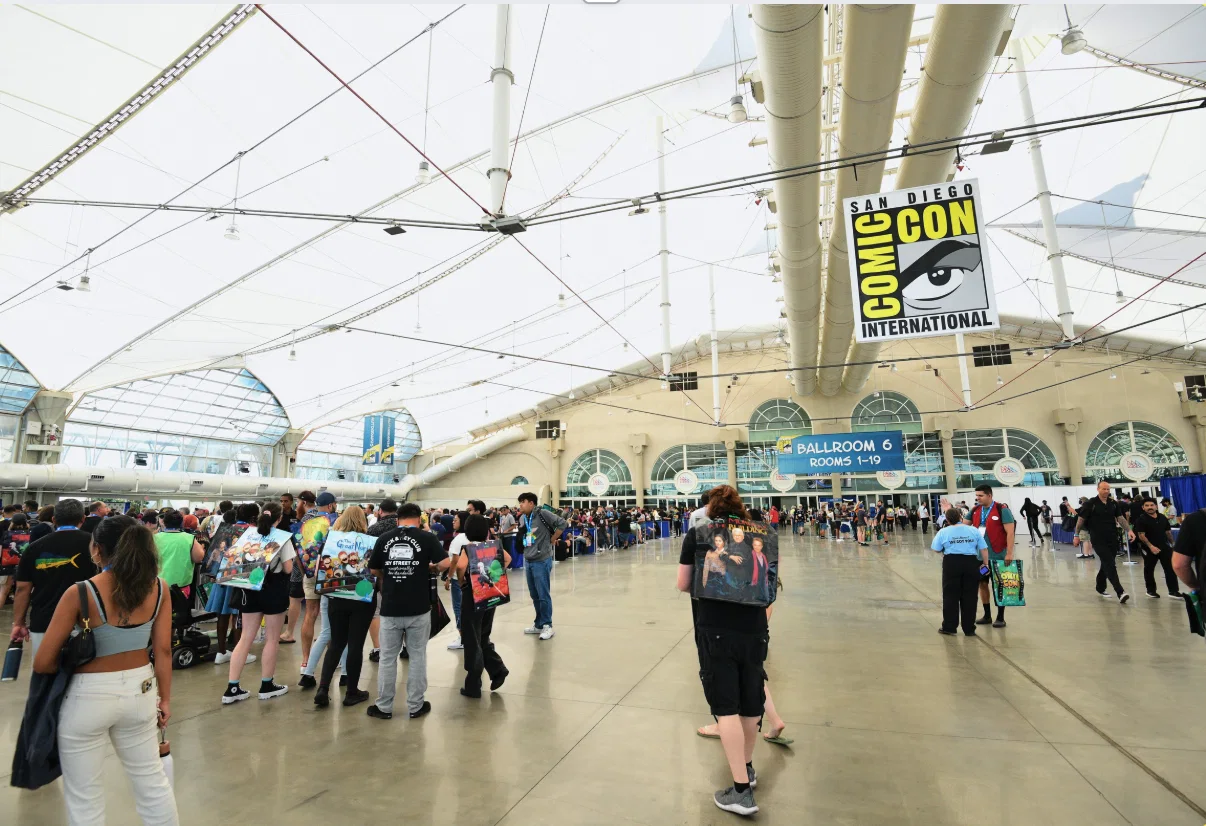
Registration and entry environments combine physical flow planning, database integration, credentialing workflow, staffing choreography, and backup protocols. Tempe-area exhibitors planning registration for Phoenix Convention Center shows or hotel conference programs need to account for venue-specific dock access, power drops, internet handoff points, and the gap between what the official show contractor includes and what an Exhibitor Appointed Contractor must bring. Strong planning covers the planning rhythm, jurisdictional handoffs, and real-world constraints that shape registration builds across the Greater Phoenix event market.
Registration scope varies by event format. A 5,000-attendee aerospace conference at Talking Stick Resort may run eight check-in lanes with badge printers, lead-retrieval provisioning, and VIP concierge desks. A 15,000-attendee consumer show at Arizona State Fairgrounds may deploy RFID turnstiles, timed-entry systems, and queuing barriers that handle arrival surges without choking outdoor pathways. The planning sequence starts with attendee-count projections, peak-arrival windows, venue layout constraints, and network-service specifications before any fabrication or staffing bid goes out.
The project plan should turn venue rules, freight deadlines, labor windows, and exhibitor goals into a workable show schedule. Final service questions should be confirmed with the venue, show organizer, and official contractor before budgets are approved. The facts below pull from official venue documentation, event-services provider case studies, and regional infrastructure realities documented in the research bundle.
Registration and Entry Planning Framework
- Peak-arrival modeling for Phoenix Convention Center's North Building loading docks and entry halls, accounting for citywide show patterns and concurrent-event pressure on downtown hotel shuttle routes
- Badge-printer and lead-retrieval hardware provisioning across Arizona State Fairgrounds outdoor queuing zones, Talking Stick Resort ballroom foyers, and Mesa Convention Center's 19,000 square feet of lobby circulation
- Internet service handoff coordination with venue IT teams and official show contractors at WestWorld of Scottsdale, where outdoor connectivity requires hardline extension or bonded cellular backup instead of house Wi-Fi
- Staffing choreography for multi-lane check-in environments, including shift overlap during 7:00–9:00 AM arrival spikes, VIP desk protocols, and troubleshooting escalation paths when database sync fails mid-flow
- Backup power and redundancy planning for registration systems at venues without guaranteed circuit separation, particularly hotel ballroom programs where house power shares panels with kitchen and AV loads
Arrival Flow and Venue Layout Constraints
Arrival flow starts with the physical path between parking, rideshare drop-off, or shuttle arrival and the registration desk. At Phoenix Convention Center, the North Building's 20 climate-controlled loading docks serve freight during move-in, but pedestrian entry flows through street-level doors along North Third Street and the skybridge connections to adjacent hotels. Peak arrival windows for citywide shows typically run 7:00–9:00 AM on opening day, and registration queuing that spills into the skybridge corridor disrupts hotel guest circulation and violates Fire Marshal sightline rules.
WestWorld of Scottsdale presents a different set of constraints. The campus spans indoor halls like the Equidome and outdoor event zones including Monterra, and registration placement depends on whether the show uses a single entry point or distributed check-in lanes. Outdoor registration requires weather protection, power distribution from pad-mounted transformers, and either fiber extension or bonded LTE connectivity. The City of Scottsdale's event-permitting guidelines require accessible pathways from ADA parking to registration desks.
Hotel ballroom programs compress the entire registration footprint into pre-function space. The Omni Tempe Hotel at ASU allocates 36,000 square feet of total meeting space across seven rooms, and the ballroom pre-function corridor typically handles coat check, sponsor activations, and registration simultaneously. A four-lane check-in setup occupies roughly 200 square feet per lane, so an eight-lane configuration consumes half the available pre-function area. Talking Stick Resort's ballroom foyer sits one level above the main entrance, so equipment in road cases must move through service elevators on a schedule that doesn't conflict with catering deliveries.
- Phoenix Convention Center skybridge queuing requires Fire Marshal approval when registration lines exceed 50 feet, particularly during concurrent events that share pedestrian pathways with adjacent hotel properties
- WestWorld of Scottsdale outdoor registration setups need weather protection, independent power distribution, and accessible pathways that meet City of Scottsdale permitting standards for temporary structures
- Hotel ballroom pre-function areas at Omni Tempe Hotel at ASU and Talking Stick Resort limit registration footprint based on concurrent use for coat check, sponsor booths, and catering staging
Database Integration and Network Service Handoffs
Registration systems depend on real-time database sync between the event organizer's attendee list, the on-site check-in application, badge printers, and lead-retrieval provisioning. Most platforms require stable internet with upload speeds above 10 Mbps and latency under 100 milliseconds. Phoenix Convention Center provides house internet through its official show contractor, with bandwidth allocated per device. An exhibitor running a registration desk with six laptops, four thermal badge printers, and a lead-retrieval kiosk should request a hardwired ethernet drop with at least 25 Mbps symmetrical service, and that request needs to reach the show contractor no later than 30 days prior to move-in.
Arizona State Fairgrounds and WestWorld of Scottsdale often require independent connectivity solutions. The Fairgrounds has limited fiber infrastructure, and outdoor zones may rely on LTE or Starlink. A bonded-cellular setup with redundant carriers provides failover protection, but the hardware must ship with the registration kit. WestWorld's Equidome has house Wi-Fi, but signal strength in foyer areas varies, so mission-critical applications should plan for a hardline drop or dedicated hotspot.
Hotel conference programs at Tempe Mission Palms, The Westin Tempe, or Mesa Convention Center typically include basic Wi-Fi, but that service prioritizes guest-room connectivity over event-floor bandwidth. Upgraded internet through the hotel's IT vendor requires 14 to 21 days lead time. If the registration platform requires VPN access or database replication to an off-site server, latency on hotel Wi-Fi can cause sync failures that manifest as duplicate badge prints.
- Phoenix Convention Center internet service comes through the official show contractor with bandwidth billed per device; registration desks running six laptops and four printers should request 25 Mbps symmetrical ethernet drops at least 30 days before move-in
- WestWorld of Scottsdale and Arizona State Fairgrounds outdoor zones often require bonded-cellular or Starlink connectivity instead of venue-provided hardlines, with hardware shipped as part of the registration kit
- Hotel ballroom Wi-Fi at Tempe Mission Palms and The Westin Tempe prioritizes guest rooms over event floors; mission-critical registration systems need upgraded internet ordered 14 to 21 days in advance through the hotel's IT vendor
Badge Printing and Credentialing Workflow
Badge printing falls into two categories: pre-printed badges sorted alphabetically and handed out at check-in, and on-demand thermal printing tied to real-time database lookup. Pre-printed badges reduce on-site hardware needs and eliminate printer jams, but they require accurate attendee lists finalized at least seven days before the event and physical storage for boxes of badges during freight delivery. On-demand printing handles late registrations, name corrections, and replacement badges without advance sorting, but it introduces single points of failure (printer connectivity, ribbon jams, power loss) that can shut down an entire check-in lane during peak arrival windows.
Thermal badge printers from Zebra, Evolis, or similar vendors require USB or ethernet connectivity to the check-in laptop, plus AC power and consumables (ribbon, cardstock). A four-lane registration desk running on-demand printing needs at least one backup printer on standby, spare ribbon cartridges, and a troubleshooting protocol that lets staff swap a jammed printer without escalating to the AV vendor or the event organizer. Phoenix Convention Center loading docks and freight-handling procedures allow badge-printer shipments to arrive with exhibitor freight, but the equipment must clear drayage and reach the registration area before setup begins (typically the afternoon before show open).
Lead-retrieval provisioning adds another layer of workflow. Most platforms (CompuSystems, a2z, Validar) distribute scanning devices through the registration desk, and each device requires activation, attendee-database sync, and a charged battery before handoff. A 500-exhibitor show may provision 1,200 scanners, and the logistics of receiving scanner shipments, syncing firmware, charging batteries overnight, and distributing devices during exhibitor check-in creates a parallel workflow that runs alongside attendee registration. Talking Stick Resort and WestWorld of Scottsdale both provide secure storage rooms for overnight equipment holding, but access to those rooms depends on venue security schedules and advance coordination with the event-services manager.
- Pre-printed badges eliminate printer jams but require finalized attendee lists seven days before the event and freight-handling coordination for boxed badge deliveries through Phoenix Convention Center drayage
- On-demand thermal printing needs backup printers, spare ribbon cartridges, and a troubleshooting protocol that swaps jammed units without escalating to AV vendors or halting check-in lanes during peak arrivals
- Lead-retrieval provisioning for 500-exhibitor shows may distribute 1,200 scanners, each requiring firmware sync, battery charging, and secure overnight storage coordinated with Talking Stick Resort or WestWorld security teams
Staffing Choreography and Peak-Arrival Management
Staffing a registration desk requires training on the database platform, familiarity with badge categories, and clear escalation paths for edge cases. A Phoenix Convention Center citywide show with 8,000 attendees and a 7:00–9:00 AM arrival peak might staff 12 check-in lanes during the surge, then scale down to four lanes by 10:00 AM. The staffing plan must account for shift overlap, break coverage, and a floor supervisor who can pull agents from low-traffic lanes to reinforce bottlenecks.
Hotel conference programs at Omni Tempe Hotel at ASU or Embassy Suites by Hilton Phoenix Tempe often compress the arrival window into 60 to 90 minutes. If each check-in takes 90 seconds, a single lane processes 40 attendees per hour, so a 400-person conference needs 10 lanes to clear the queue in one hour or five lanes if the organizer accepts a two-hour window. VIP desks reduce congestion at general-attendee stations but add labor cost and require physical separation.
Backup staffing becomes critical when technical failures occur mid-event. A database server that goes offline or a lead-retrieval vendor whose activation server crashes can paralyze check-in unless the event organizer has a manual fallback plan. That fallback typically involves pre-printed attendee lists, hand-written badges, and a post-event reconciliation process. Mesa Convention Center and Arizona State Fairgrounds recommend including a technical liaison who can troubleshoot network issues and escalate to the venue IT team.
- Phoenix Convention Center citywide shows with 8,000 attendees and 7:00–9:00 AM peaks may staff 12 check-in lanes during the surge, then scale to four lanes by 10:00 AM, requiring shift overlap and a floor supervisor to manage bottleneck redistribution
- Hotel conference programs at Omni Tempe Hotel at ASU with 60 to 90-minute arrival windows need staffing ratios based on 90-second transaction time: 40 attendees per lane per hour means 10 lanes for 400 people in one hour
- Manual fallback plans for database outages or printer failures require pre-printed attendee lists, hand-written badges, and a technical liaison trained to troubleshoot network issues and escalate to Mesa Convention Center or Arizona State Fairgrounds IT teams
Power Distribution and Backup Systems
Registration systems demand reliable power for laptops, thermal printers, network switches, and kiosks. Phoenix Convention Center offers house power through floor boxes and overhead drops, billed per circuit. A registration desk running six laptops, four badge printers, and two network switches draws roughly 15 amps at peak load, so a single 20-amp circuit provides adequate capacity. If the registration zone also powers LED signage or a lead-retrieval charging station, the load calculation needs to account for startup surge to avoid mid-event breaker trips.
Hotel ballroom programs present power challenges because house circuits often share panels with kitchen equipment and HVAC compressors. The Westin Tempe and DoubleTree by Hilton Phoenix Tempe recommend that event organizers request dedicated circuits for registration zones, ordered through the meeting-services coordinator at least two weeks before the event. That dedicated circuit eliminates the risk of losing check-in capability because a walk-in cooler cycled on during breakfast service.
Outdoor events at WestWorld of Scottsdale and Arizona State Fairgrounds require independent power distribution from pad-mounted transformers or diesel generators. A 20-kilowatt generator can support a typical registration setup, but the fuel consumption rate at full load is roughly two gallons per hour, so a three-day event needs fuel delivery or on-site storage for 150 gallons. Generator placement must comply with City of Scottsdale fire codes, which specify minimum setback distances from tents and egress pathways.
- Phoenix Convention Center floor boxes and overhead drops bill per circuit; a registration desk with six laptops, four printers, and network gear draws 15 amps and needs a 20-amp circuit ordered through the official show contractor during advance setup
- Hotel ballroom circuits at The Westin Tempe and DoubleTree by Hilton Phoenix Tempe may share panels with kitchen and HVAC loads; dedicated circuits ordered two weeks in advance prevent mid-event breaker trips during simultaneous AV and catering startup
- WestWorld of Scottsdale and Arizona State Fairgrounds outdoor registration zones require diesel generators sized for 20-kilowatt loads, consuming two gallons per hour at full draw and requiring fuel storage for 150 gallons across a three-day event
Registration and Entry Environments FAQ
What is the lead time for ordering internet service for a registration desk at Phoenix Convention Center?
The official show contractor typically requires advance orders for dedicated internet drops no later than 30 days before move-in. That order specifies bandwidth (recommend 25 Mbps symmetrical for multi-lane setups), connection type (hardwired ethernet preferred over Wi-Fi), and device count. Last-minute requests may incur rush fees or limited availability if the venue's network capacity is already allocated to other exhibitors.
Can I use venue Wi-Fi for badge printing and database sync at hotel ballroom programs?
Venue Wi-Fi at hotels like Omni Tempe Hotel at ASU or Talking Stick Resort prioritizes guest-room connectivity and may not provide sufficient bandwidth or low enough latency for mission-critical registration platforms. If your system requires real-time database sync, VPN access, or high-volume badge printing, request upgraded internet through the hotel's meeting-services coordinator 14 to 21 days before the event. The upgrade cost is typically billed per megabit and adds to the overall meeting package.
How do I plan for peak-arrival surges at a 5,000-attendee conference?
Start by modeling the arrival curve based on session start times, hotel shuttle schedules, and historical attendance patterns. A typical surge runs 7:00–9:00 AM on opening day, and you need enough check-in lanes to process 60 to 70 percent of total attendance within that two-hour window. If each transaction takes 90 seconds, a single lane handles 40 attendees per hour, so 5,000 attendees at 70 percent peak density (3,500 people) need 18 lanes to clear in two hours or nine lanes if you accept a four-hour window. Staffing must include shift overlap, break coverage, and a floor supervisor to manage bottlenecks.
What backup systems should I plan for outdoor registration at WestWorld of Scottsdale?
Outdoor registration requires weather protection (tents or portable buildings), independent power (generator or pad-mounted transformer), and redundant internet connectivity (bonded cellular or Starlink). Backup systems should include spare badge printers, extra consumables (ribbon, cardstock), and a manual check-in protocol with pre-printed attendee lists in case the database server goes offline. The venue's event-services team can coordinate generator placement, fuel delivery, and compliance with City of Scottsdale fire codes for temporary structures.
Who is responsible for charging and distributing lead-retrieval scanners at Mesa Convention Center?
The event organizer or the lead-retrieval vendor typically manages scanner provisioning, which includes receiving shipments, syncing firmware, charging batteries overnight, and distributing devices during exhibitor check-in. Mesa Convention Center provides secure storage rooms for overnight equipment holding, but access depends on venue security schedules and advance coordination with the event-services manager. The registration staffing plan should include a technical liaison who can troubleshoot activation issues and escalate to the vendor's support team if devices fail to sync.