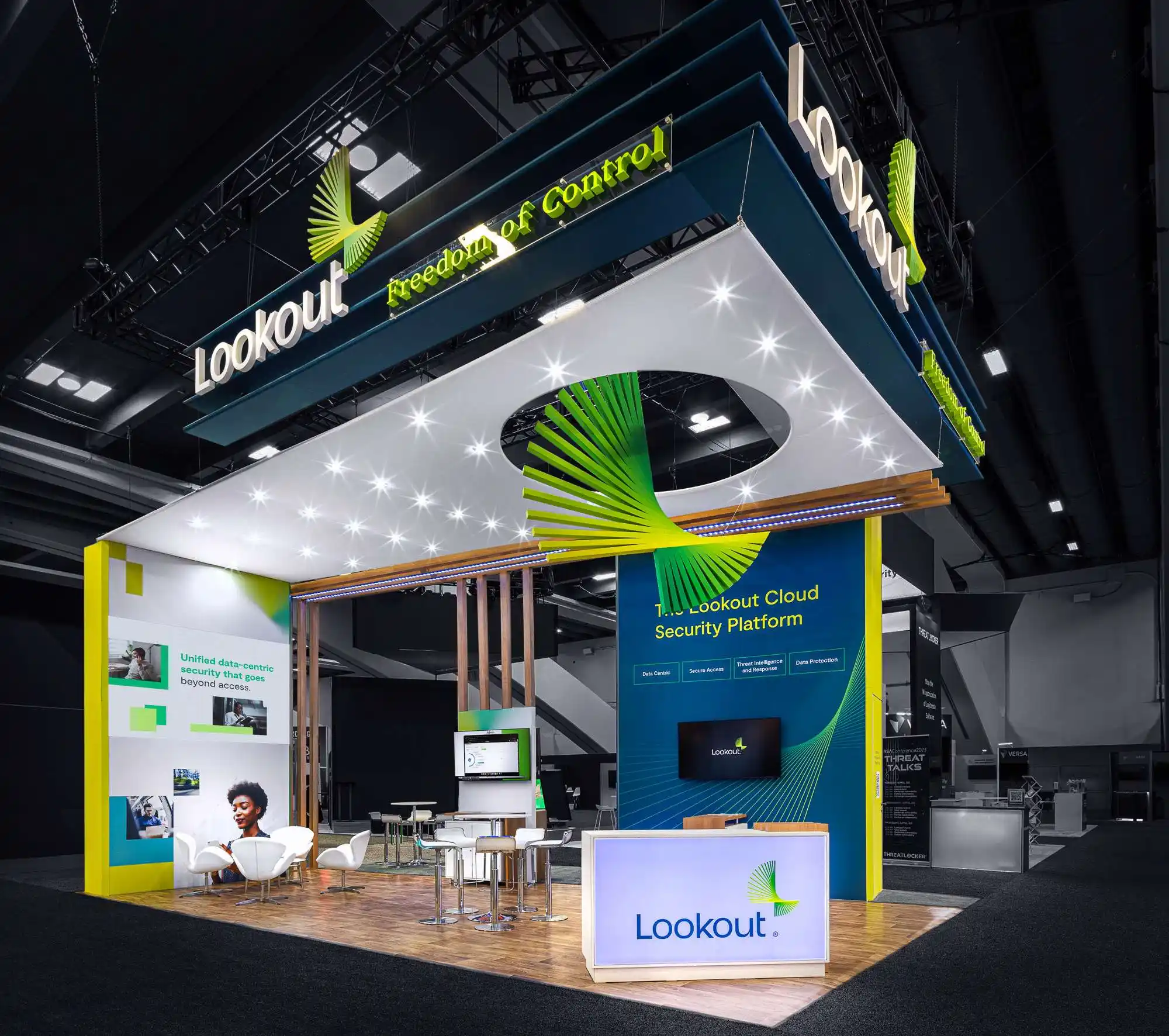
Strong planning covers user conference planning for Tempe and the Phoenix metro. User conferences are single-company events where a software provider, platform operator, or enterprise vendor gathers customers, partners, and developers for product announcements, training, networking, and sponsor activations. Planning includes general sessions, breakout tracks, sponsor zones, and VIP programs. The project plan should turn venue rules, freight deadlines, labor windows, and exhibitor goals into a workable show schedule.
User conferences in the Phoenix metro typically range from five hundred to five thousand attendees. Most conferences run two to four days with a large general-session room, twenty to sixty breakout rooms, a sponsor expo, and evening off-site events. Venues include Phoenix Convention Center's North Building with 635,000 square feet, Omni Tempe Hotel at ASU with 36,000 square feet of meeting space, Talking Stick Resort, and JW Marriott Phoenix Desert Ridge. Planning starts with venue RFP twelve to eighteen months before the event, followed by advance service orders four to six months out.
Freight for user conferences includes sponsor booths, AV and staging equipment, branded environments, registration elements, and swag pallets. Shipments arrive at Phoenix Sky Harbor, then route via I-10 east to downtown Phoenix or Loop 101 south to Tempe and Scottsdale. Delivery windows avoid morning traffic between 6:30 and 9:30 AM and afternoon peaks between 3:30 and 7:00 PM on I-10 and Loop 101. Convention-center programs use dedicated loading docks; hotel programs coordinate through the conference-services manager with smaller door access and tighter elevator scheduling.
Core User Conference Planning Areas
- General-session staging and AV integration at Phoenix Convention Center's performance halls and hotel grand ballrooms, including rigging coordination, line-array speaker deployment, broadcast-quality video production, confidence monitors, and stage set fabrication within venue load limits and fire-marshal clearances
- Breakout room layouts and technology deployment across twenty to sixty simultaneous sessions, with consistent screen size, audio reinforcement, session recording infrastructure, presenter confidence monitors, audience microphones for Q&A, and identical room setups to avoid presenter confusion and attendee navigation friction
- Sponsor expo zones and demo areas configured as inline booths, tabletop displays, or open demo pods, with electrical and internet service ordered through the venue's official contractor or exhibitor-appointed vendor depending on jurisdiction, freight coordination for sponsor shipments that may arrive on different schedules, and setup windows that align with general-session and breakout production schedules
- Freight routing from Phoenix Sky Harbor via I-10 east to downtown Phoenix or Loop 101 south to Tempe and Scottsdale, with delivery-window planning that avoids peak congestion periods, coordination with venue dock schedules and house labor assignments, and advance notice to the official show contractor or hotel loading manager to reserve dock time and elevator access
- VIP programs and off-site evening events at ASU 365 Community Union, Tempe Center for the Arts, Old Town Scottsdale venues, and resort properties in North Scottsdale and Paradise Valley, with transportation logistics for attendee shuttles, security and credential verification for executive dinners, and AV and catering coordination separate from the primary venue's service workflow
Venue Selection and Capacity Planning
User conference venue selection starts with attendee count, general-session capacity, breakout-room count, and expo requirements. A two-thousand-person conference with forty breakout rooms fits at Phoenix Convention Center with overflow meeting space. A five-hundred-person program with ten breakout rooms fits at Omni Tempe Hotel at ASU or Talking Stick Resort. WestWorld of Scottsdale hosts outdoor user conferences in spring and fall when temperatures sit between sixty and eighty degrees.
Phoenix Convention Center's North Building includes 56 meeting rooms and 11 exhibit halls, allowing conferences to reserve contiguous breakout rooms and a separate hall for sponsor expo space. The 2,300-seat performance hall supports keynote general sessions with rigging points for line-array speakers and video screens. Hotel ballroom programs use the grand ballroom for general sessions and reserve all meeting rooms for breakouts, limiting conference size to the hotel's inventory.
- Phoenix Convention Center's 56 meeting rooms and 11 exhibit halls allow conferences to reserve contiguous breakout space on one floor and a separate hall for sponsor expo zones
- Hotel ballroom programs at Omni Tempe Hotel at ASU with 36,000 square feet or Talking Stick Resort support mid-sized user conferences with on-site housing and integrated catering
- WestWorld of Scottsdale's outdoor venues work for spring and fall conferences when weather allows semi-outdoor general sessions and sponsor activations
- Omni Tempe Hotel at ASU lists 330 rooms, supporting a mid-sized conference with on-site housing, while Phoenix Convention Center programs use Sheraton Phoenix Downtown and nearby downtown properties
General Session and Breakout Production
General-session production involves larger screens, sophisticated lighting, and high-quality audio because the keynote is a product announcement and brand experience. A user conference general session at Phoenix Convention Center or a resort grand ballroom includes rigging for line-array speakers, LED video walls sized for a thousand-seat audience, stage-deck construction with confidence monitors, broadcast-quality video switching, and front-of-house audio mixing. Rigging points and load limits vary by venue. Phoenix Convention Center's performance hall has permanent rigging infrastructure; hotel ballrooms require truss and motor coordination with the venue's engineering team.
Breakout production focuses on consistency across twenty to sixty simultaneous sessions. Each breakout room receives a screen sized to the room's depth, a projector or flat panel, a podium with wired microphone, wireless lavalier and handheld microphones for Q&A, a confidence monitor, and house sound reinforcement or portable speakers. Session recording is common; the AV contractor places a recording feed at each breakout room and delivers video files after the event.
- General-session production includes rigging for line-array speakers, LED video walls, stage-deck construction, broadcast-quality video switching, and front-of-house audio mixing
- Breakout rooms receive consistent AV setups with screens, projectors, wired and wireless microphones, confidence monitors, and session-recording feeds
- Production schedules coordinate with the official show contractor at Phoenix Convention Center for union labor handling rigging and electrical installation
- Technical rehearsal time for the general session allows the speaker to test slides, video playback, and stage blocking, typically scheduled two hours before the conference opens
Sponsor Expo and Demo Area Configuration
User conference sponsor expos differ from trade shows because exhibitors are partners invited by the host company rather than independent exhibitors purchasing booth space. The expo format ranges from inline 10x10 booths to open demo pods with furniture and monitors. Sponsor booth quantities typically range from ten to sixty. Expo space is either a dedicated hall at Phoenix Convention Center, a ballroom at Omni Tempe Hotel at ASU, or an open foyer adjacent to breakout rooms.
Sponsor booth setup follows trade-show jurisdictional rules. At Phoenix Convention Center, the official show contractor or an exhibitor-appointed contractor handles booth installation, electrical connections, and internet service. Hotel ballroom programs require coordination with the property's event-services team, which may restrict outside contractors. Electrical and internet service for each booth is ordered through advance order forms submitted four to six weeks before the event.
- Sponsor expos range from inline 10x10 booths to open demo pods, with booth quantities from ten to sixty depending on conference size and partner ecosystem
- Booth installation, electrical connections, and internet service follow jurisdictional rules at Phoenix Convention Center with the official show contractor or exhibitor-appointed contractors
- Demo areas for software products require higher power and internet capacity than standard booths, with advance order forms capturing technical requirements and rigging requests
- Early setup access for sponsors with complex demos is negotiated with the venue and production team to avoid conflicts with general-session staging
Freight and Logistics Coordination
Freight for user conferences includes shipments from the conference organizer's branded environment vendor, the AV contractor, sponsor booths, registration furniture, and swag pallets. User conference freight arrives in consolidated shipments from a smaller number of vendors who coordinate timing with the event production manager. Shipments arrive at Phoenix Sky Harbor and transfer to local delivery trucks. Delivery routing follows I-10 east to downtown Phoenix venues like Phoenix Convention Center or Loop 101 south to Tempe and Scottsdale properties including Omni Tempe Hotel at ASU and Talking Stick Resort.
Venue loading docks at Phoenix Convention Center include 20 climate-controlled docks with scheduled appointment times. Hotel ballroom programs use smaller service entrances with elevator access to meeting-room floors, limiting the size of freight and the number of simultaneous deliveries. Freight timing for hotel programs typically concentrates in a one- or two-day window before the conference opens.
- Freight routing from Phoenix Sky Harbor follows I-10 east to downtown Phoenix venues or Loop 101 south to Tempe and Scottsdale, avoiding morning congestion between 6:30 and 9:30 AM and afternoon peaks between 3:30 and 7:00 PM
- Phoenix Convention Center's 20 climate-controlled loading docks use scheduled appointment times managed by the house services team
- Hotel ballroom programs use smaller service entrances with elevator access, limiting freight size and simultaneous deliveries
- Outbound freight follows reverse coordination with sponsor booths, AV elements, and registration materials struck by vendor crews, with hotel programs compressing the schedule due to property turnover requirements
VIP Programs and Off-Site Events
User conferences often include VIP programs for executive attendees with smaller group dinners, private sessions, or exclusive product previews at venues separate from the main conference space. VIP events in the Tempe and Phoenix market use Old Town Scottsdale restaurants, ASU 365 Community Union spaces, Tempe Center for the Arts, and resort properties in North Scottsdale or Paradise Valley. Transportation for VIP groups requires charter bus or shuttle coordination with departure times that align with the general-session schedule.
Evening off-site events for all attendees scale to accommodate five hundred to five thousand people. Popular off-site venues include WestWorld of Scottsdale for outdoor receptions, Desert Botanical Garden, Tempe Town Lake waterfront spaces, and State Farm Stadium for large-scale brand experiences. Off-site event logistics involve transportation planning for attendee shuttles running in loops from the host hotel to the event venue, catering and bar service provided by the venue's in-house team or an external caterer, and AV production managed by the conference's primary vendor.
- VIP programs use Old Town Scottsdale restaurants, ASU 365 Community Union spaces, Tempe Center for the Arts, and resort properties in North Scottsdale or Paradise Valley, with charter bus or shuttle transportation coordinated to align with general-session schedules
- Evening off-site events scale to five hundred to five thousand attendees at WestWorld of Scottsdale, Desert Botanical Garden, Tempe Town Lake waterfront, or State Farm Stadium
- Permitting for public venues like Tempe Center for the Arts requires event permits and certificate-of-insurance filings submitted to the city's event-permitting office, while private venues handle permitting internally
- Alcohol service follows Arizona's liquor-license rules requiring the venue or caterer to hold a valid license, with service hours and drink limits confirmed during venue contracting
User Conference Planning FAQs
What is the typical lead time for booking a user conference venue in Tempe or Phoenix?
The typical lead time for booking a user conference venue in the Phoenix metro is twelve to eighteen months before the event date. Large programs at Phoenix Convention Center or resort properties often book eighteen to twenty-four months out to secure preferred dates and negotiate favorable room rates. Smaller hotel ballroom programs at properties like Omni Tempe Hotel at ASU can sometimes be booked six to nine months out if the property has availability.
How do I coordinate sponsor booth setup at a hotel ballroom versus a convention center?
Sponsor booth setup at a hotel ballroom is coordinated through the property's event-services team, which may restrict outside contractors or require all booth installation, electrical service, and internet connections to go through the hotel's in-house vendor. Convention-center programs at Phoenix Convention Center allow the official show contractor or exhibitor-appointed contractors to handle booth setup under the venue's jurisdictional rules, with more flexibility for custom booth builds and advance setup schedules.
What are the freight routing and timing considerations for deliveries to Omni Tempe Hotel at ASU?
Freight deliveries to Omni Tempe Hotel at ASU route from Phoenix Sky Harbor via Loop 101 south or local surface streets through downtown Tempe, avoiding morning congestion between 6:30 and 9:30 AM and afternoon congestion between 3:30 and 7:00 PM. The hotel's service entrance uses elevator access to meeting-room floors, so delivery coordination includes confirming elevator availability, freight dimensions, and weight limits with the hotel's event-services and engineering teams.
Do I need event permits for off-site VIP dinners or receptions in Scottsdale or Tempe?
Event permits for off-site VIP dinners or receptions depend on the venue type. Private venues like resort properties, Old Town Scottsdale restaurants, and WestWorld of Scottsdale handle permitting internally as part of the venue contract and do not require separate city permits. Public venues managed by the city, such as Tempe Center for the Arts or Tempe Town Lake waterfront spaces, require event permits, certificate-of-insurance filings, and sometimes security plans submitted to the city's event-permitting office.
How does session recording and breakout AV work for a forty-room conference at Phoenix Convention Center?
Session recording and breakout AV for a forty-room conference at Phoenix Convention Center is coordinated through the official AV contractor or an exhibitor-appointed AV vendor depending on the show's contractor policy. Each breakout room receives a consistent AV setup with a screen, projector or flat panel, wired and wireless microphones, a confidence monitor, and a recording feed that captures presenter audio and slides. The AV contractor delivers edited or raw video files after the event, either on USB drives or via cloud upload.