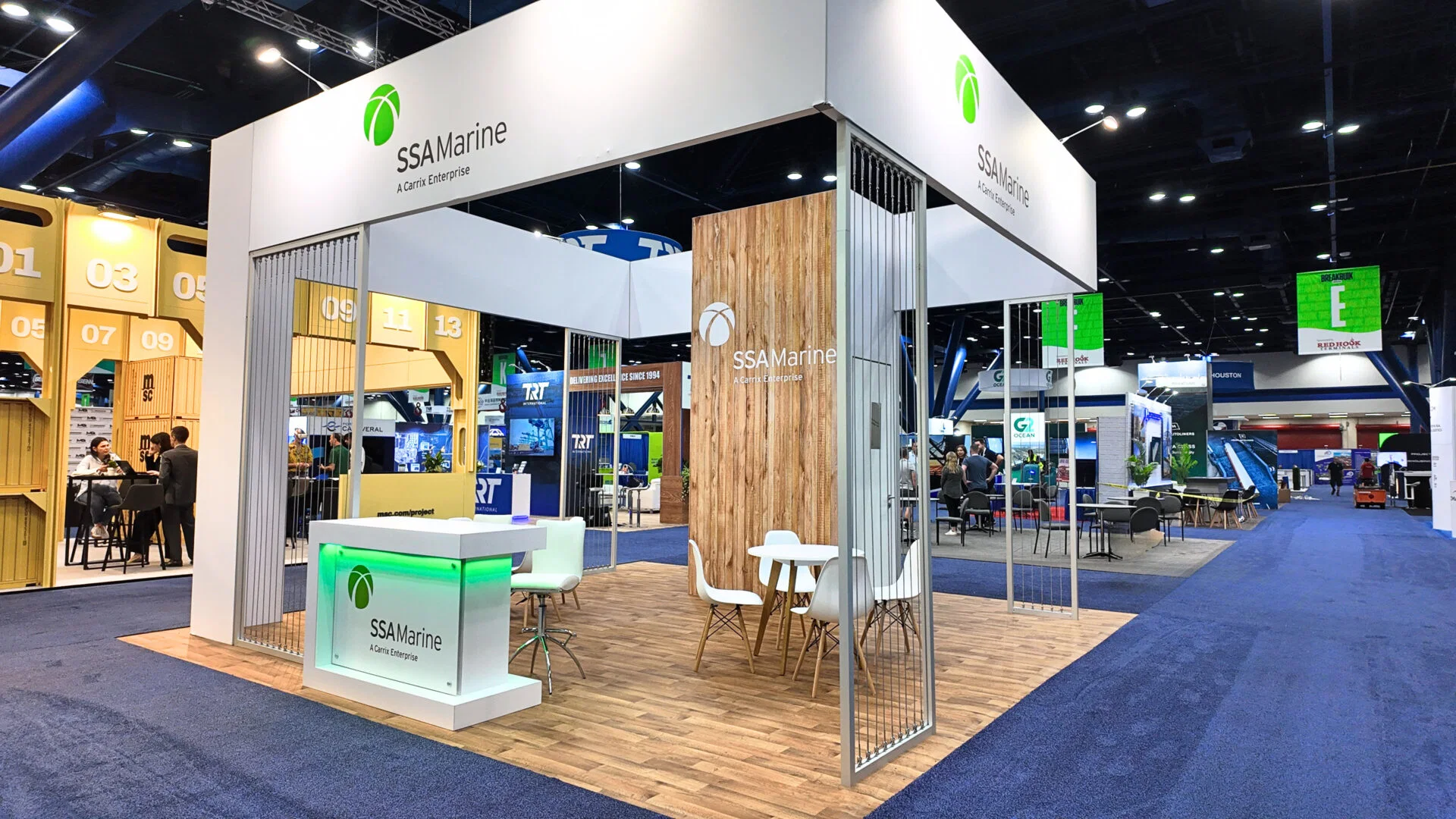
Strong planning covers multi-show program rollout coordination for exhibitors and event teams working trade shows and conferences across the Tempe and Phoenix metro. The project plan should turn venue rules, freight deadlines, labor windows, and exhibitor goals into a workable show schedule.
Multi-show rollout planning means locking a booth specification that travels consistently across venues, establishing advance ordering workflows with each show's official contractor, coordinating freight movements between shows (including storage intervals), and tracking labor jurisdiction and timing at each venue. Programs running through Phoenix Convention Center, WestWorld of Scottsdale, Talking Stick Resort, and Mesa Convention Center face different drayage windows, different union or non-union labor pools, and different dock access patterns.
Planning a multi-show program requires naming each show venue and date upfront, mapping the freight route between shows (including warehouse intervals if the booth cannot ship direct show-to-show), confirming labor jurisdiction at each venue, and building a master calendar that tracks advance order deadlines, load-in windows, and strike-to-ship timing. The Omni Tempe Hotel at ASU runs a different approval and access pattern than Phoenix Convention Center's North Building, and a team exhibiting at both needs separate service orders and separate labor coordination.
Multi-Show Rollout Planning Considerations
- Booth specification control across shows so the same components, graphics, and AV work at Phoenix Convention Center's exhibit halls, WestWorld's indoor pavilions, and hotel ballroom programs without field modification or substitution
- Freight routing and warehouse intervals when the show calendar does not allow direct show-to-show shipping, including I-10 and Loop 101 timing between Phoenix, Scottsdale, and Mesa venue clusters and advance coordination with receiving warehouses
- Advance order discipline at each show so every official contractor receives the same booth spec, labor count, and service requests on their forms and deadlines, avoiding last-minute re-orders and premium charges
- Labor jurisdiction and booking rhythm at each venue because Phoenix Convention Center uses union install crews, WestWorld of Scottsdale may use a mix depending on the show contractor, and hotel ballroom programs often allow exhibitor-appointed labor with advance notice
- Show-by-show budget tracking so actual labor hours, drayage charges, overtime rates, and contractor invoices get compared against the advance estimate and feed into the next show's planning cycle
Booth Specification Control Across Venues
A booth that works at Phoenix Convention Center may not fit or function the same way at Talking Stick Resort or Mesa Convention Center without advance verification. Ceiling height varies (the North Building at Phoenix Convention Center lists different clearances by hall, hotel ballrooms at Omni Tempe top out lower, and WestWorld's Equidome and Monterra pavilions each publish distinct rigging and height limits). Electrical service routing, internet drop locations, and AV line-of-sight all shift with each venue's floor plan and infrastructure. A multi-show program needs a locked booth specification that names footprint, height, weight, case count, power draw, internet requirement, and rigging points, then verifies that specification against every venue on the calendar before committing the design.
Graphics and structural components travel in the same cases show after show, so case dimensions, weight per case, and total case count become the planning unit. A booth shipping eight cases at 150 pounds each fits predictably into drayage pricing at Phoenix Convention Center, WestWorld, and Mesa Convention Center, but a booth packed inconsistently or re-crated between shows creates billing disputes and delays. The booth spec should include a packing diagram, labeled case manifest, and freight-class designation so every show's drayage contractor receives the same information and quotes the same service.
AV and electrical requirements need to match what each venue can deliver without custom runs or generator supplements. Phoenix Convention Center provides house power at published amperage increments, hotel ballrooms at The Westin Tempe or Tempe Mission Palms offer different service packages, and outdoor or pavilion spaces at WestWorld may require temporary power distribution. A multi-show program should spec AV and power conservatively enough to work everywhere on the calendar, or identify which shows require supplemental rental gear and budget accordingly.
- Lock booth footprint, height, and weight before the first show so every venue receives the same specification and the same advance order form without late changes that trigger re-quotes
- Maintain a case manifest with dimensions, weight, and labeling so drayage contractors at Phoenix Convention Center, WestWorld, and Mesa Convention Center quote and handle freight consistently across the program
- Verify AV, electrical, and internet service availability at each venue against the booth spec because what Phoenix Convention Center includes as house service may be an upcharge or unavailable at a hotel ballroom or fairgrounds pavilion
- Document any venue-specific modifications (lower rigging at a hotel, outdoor power at WestWorld, restricted load-in at ASU 365 Community Union) in the master calendar so field crews know what changes before each show
Freight Routing and Warehouse Coordination
A multi-show program rarely ships direct from show to show without at least one warehouse interval. Shows at Phoenix Convention Center, WestWorld of Scottsdale, and Mesa Convention Center may fall two weeks apart or two months apart, and the booth cannot sit on a dock waiting. Freight routing needs to name the origin warehouse or fabrication facility, the destination venue for each show, the return warehouse after strike, and the outbound warehouse for the next show. Each leg gets its own carrier quote, its own delivery window, and its own receiving contact.
I-10 and Loop 101 connect Phoenix, Tempe, Scottsdale, and Mesa, but drive time between venues varies by time of day and day of week. A carrier moving freight from a warehouse near Phoenix Sky Harbor International Airport to WestWorld of Scottsdale during morning rush on a weekday may take ninety minutes; the same run at midday or on a weekend may take forty minutes. Delivery windows at each venue are published in the exhibitor manual, and missing a window typically means the freight waits until the next load-in shift or pays a premium to jump the queue. Routing should build in buffer time for traffic, dock wait, and unexpected delays.
Warehouse receiving and storage intervals need advance coordination. A booth striking from Phoenix Convention Center on a Sunday afternoon and shipping to a warehouse for storage before the next show in Scottsdale two months later requires a warehouse that accepts Sunday deliveries, has climate-controlled or at least covered storage, and can pull and ship the booth on the next show's outbound schedule. The warehouse needs the case manifest, the storage duration, and the outbound carrier information upfront so nothing gets misrouted or left behind.
- Map every freight leg in the program (origin to show, show to warehouse, warehouse to next show) with carrier name, delivery window, and receiving contact so nothing ships to the wrong dock or arrives outside the venue's load-in hours
- Account for I-10 and Loop 101 traffic timing when scheduling deliveries to Phoenix Convention Center, WestWorld, Talking Stick Resort, or Mesa Convention Center because rush-hour delays can push a truck past its scheduled dock slot
- Confirm warehouse receiving hours, storage conditions, and outbound shipping procedures before committing a storage interval so the booth does not sit unprotected or miss its next show's freight deadline
- Include a buffer day in every routing schedule because dock delays, carrier issues, and venue access restrictions happen, and a one-day buffer is cheaper than paying emergency freight or re-scheduling labor
Advance Order Discipline and Contractor Coordination
Every show has an official contractor, and every official contractor has its own advance order forms, deadlines, and pricing tiers. Phoenix Convention Center shows typically name a general contractor and publish an exhibitor service manual six to eight weeks before move-in with advance order deadlines falling two to four weeks before the show. WestWorld shows and hotel ballroom programs at Omni Tempe or The Westin Tempe may use different contractors or manage services in-house, each with its own form set and calendar. A multi-show program needs a master spreadsheet that lists every show, every contractor, every advance order deadline, and every service being ordered (drayage, labor, electrical, internet, AV rental, furniture, cleaning).
Ordering late costs money. Contractors charge a standard rate for advance orders submitted by the deadline, a higher rate for orders submitted after the deadline but before move-in, and the highest rate for floor orders placed during the show. A booth ordering the same labor package at standard rate across five shows saves enough to cover an extra show's drayage. Advance order discipline means reading every show manual when it publishes, filling out the forms with the locked booth spec, submitting by the deadline, and keeping a confirmation receipt for each order.
Contractor handoff documentation matters when multiple contractors or exhibitor-appointed vendors work the same booth. A booth at Phoenix Convention Center using the official contractor for drayage and a separate exhibitor-appointed contractor for AV integration needs clear documentation about who owns which scope, who arrives when, and who signs off on completion. The official contractor wants proof that the EAC is authorized and insured; the EAC wants access to the booth before the official contractor strikes. Both parties need the show's EAC approval process completed before move-in, which at Phoenix Convention Center requires forms submitted weeks in advance.
- Build a master calendar with every show's official contractor name, advance order deadline, and service line items so no show gets missed and no order slips past the discount window
- Submit advance orders as soon as the show manual publishes, using the locked booth spec and case manifest so contractors quote accurately and nothing changes on the floor
- Coordinate EAC authorizations and contractor handoffs early when a booth uses separate vendors for different scopes, because venue access, insurance, and approval paperwork take time and missing a step blocks the install
- Keep confirmation receipts and service order numbers for every contractor and every show so billing disputes can be resolved with documentation instead of memory
Labor Jurisdiction and Venue-Specific Booking
Labor jurisdiction follows the venue and the show, not the exhibitor or the booth. Phoenix Convention Center uses union labor for most large shows, which means exhibitors either hire through the official contractor or use an exhibitor-appointed contractor with union crews. WestWorld of Scottsdale jurisdiction depends on the specific show; some events require union install and dismantle, others allow non-union labor with advance approval. Hotel ballroom programs at Omni Tempe Hotel at ASU, Tempe Mission Palms, or The Westin Tempe typically allow exhibitor-appointed labor if the exhibitor files the right paperwork and the crew meets the hotel's insurance requirements. A multi-show program needs to verify jurisdiction at every venue before booking labor.
Labor costs vary by jurisdiction, by venue, and by timing. Union labor at Phoenix Convention Center bills at published hourly rates with overtime thresholds defined in the show manual. Non-union labor at a hotel ballroom or at Mesa Convention Center may bill lower hourly rates but may also require a minimum crew size or minimum hours. Straight-time labor during regular move-in hours costs less than overtime labor during compressed load-ins or after-hours access. A multi-show program should request labor quotes from each venue's official contractor and from qualified exhibitor-appointed contractors, then compare total cost (not simply hourly rate) including overtime, minimums, and supervision fees.
Show-by-show labor booking means naming the show, venue, booth footprint, install scope (unpack, assemble, AV integration, cleaning, strike, pack), crew size, and time window. A contractor needs all of that to quote accurately. A detailed request for a four-person crew to install a 20x20 island booth with AV integration over six hours during standard move-in gets a firm quote that can be compared across shows.
- Verify labor jurisdiction at every venue before booking because Phoenix Convention Center, WestWorld of Scottsdale, Mesa Convention Center, and hotel ballroom programs each have different union or non-union requirements
- Request detailed labor quotes from both the official contractor and qualified exhibitor-appointed contractors so the program can compare total cost, not simply hourly rate, and choose the best value for each show
- Specify install scope, crew size, and timing in every labor request so contractors quote the same service and billing disputes do not arise on the show floor
- Track actual labor hours and overtime charges after each show so future quotes can be adjusted based on real experience, not estimates
Budget Tracking and Program Refinement
A multi-show program generates invoices from contractors at every show, and those invoices rarely match the advance estimate exactly. Drayage may cost more because case count changed, labor may run long because the booth took longer to assemble than expected, or a venue may charge a dock access fee that was not listed in the manual. Budget tracking means collecting every invoice, comparing it line by line against the advance order, noting variances, and feeding that data into the next show's estimate. A program that does not track actual costs cannot improve its planning or negotiate better rates.
Show-by-show cost comparison reveals which venues, which contractors, and which services cost more or less than expected. If labor at Phoenix Convention Center consistently runs ten percent over estimate but labor at Mesa Convention Center consistently comes in under estimate, the program can adjust future budgets and shift resources accordingly. If drayage at WestWorld consistently costs more than quoted because dock access gets delayed, the program can build in buffer time or negotiate a different delivery window.
Program refinement happens after every show cycle. A post-show debrief with the team, the contractors, and the venue contacts identifies what worked and what failed. Did the booth spec work at every venue? Did advance orders hit deadlines? Did labor crews show up as scheduled? Did freight arrive on time? Documenting answers before the next cycle prevents repeating mistakes.
- Collect and review every contractor invoice after each show, comparing actual charges against advance orders and noting variances so future estimates reflect real costs, not guesses
- Build a cost-per-show comparison spreadsheet that tracks drayage, labor, electrical, internet, AV, and miscellaneous charges across Phoenix Convention Center, WestWorld, Mesa Convention Center, and hotel venues so the program can identify cost drivers and negotiate better rates
- Conduct a post-show debrief after every event to document what worked, what failed, and what needs adjustment before the next show, because memory fades and lessons get lost without written notes
- Update the booth spec, the master calendar, and the contractor contact list after every cycle so the program improves over time instead of repeating the same planning gaps
Frequently Asked Questions
Can the same booth design work at Phoenix Convention Center, WestWorld of Scottsdale, and hotel ballrooms without modification?
It depends on the booth specification and the venues. Phoenix Convention Center's exhibit halls have higher ceilings, more robust power distribution, and larger dock access than most hotel ballrooms at Omni Tempe or The Westin Tempe. WestWorld's indoor pavilions vary by building. A booth designed conservatively for the lowest common denominator (height, power, rigging) across all planned venues will work everywhere, but a booth optimized for Phoenix Convention Center may require modification or substitution at smaller venues.
How far in advance should advance orders be submitted for a multi-show program?
Submit advance orders as soon as each show's exhibitor service manual publishes, typically six to eight weeks before move-in. Contractors at Phoenix Convention Center, WestWorld, and Mesa Convention Center offer the lowest rates for orders submitted by the advance deadline, which usually falls two to four weeks before the show. Ordering earlier locks in pricing, secures labor availability, and reduces the risk of floor charges or service unavailability.
What is the best way to route freight between shows at Phoenix Convention Center and WestWorld of Scottsdale?
If the shows are back-to-back with only a few days between strike and load-in, direct show-to-show shipping may work if both contractors and both venues approve the routing and the carrier can meet both delivery windows. If there is a longer gap, route freight to a warehouse near Phoenix Sky Harbor International Airport for storage, then ship outbound to the next show on schedule. Account for I-10 and Loop 101 traffic timing when planning delivery windows because rush-hour delays can push a truck past its dock slot.
Does labor jurisdiction change between Phoenix Convention Center and hotel ballroom programs in Tempe?
Yes. Phoenix Convention Center typically requires union labor for install and dismantle on large shows, which means exhibitors either book through the official contractor or use an exhibitor-appointed contractor with union crews. Hotel ballroom programs at Omni Tempe Hotel at ASU, Tempe Mission Palms, or The Westin Tempe often allow exhibitor-appointed labor if the exhibitor files the required paperwork and the crew meets the hotel's insurance and access requirements. Verify jurisdiction and approval procedures with each venue before booking labor.
How should a multi-show program track costs across different venues and contractors?
Build a spreadsheet that lists every show, every venue, every contractor, and every service line item (drayage, labor, electrical, internet, AV, furniture, cleaning). After each show, enter the actual invoice amounts next to the advance estimates and calculate variances. Track cost per show, cost per venue, and cost per contractor so the program can identify which venues or which services consistently run over or under budget and adjust future planning and negotiation accordingly.