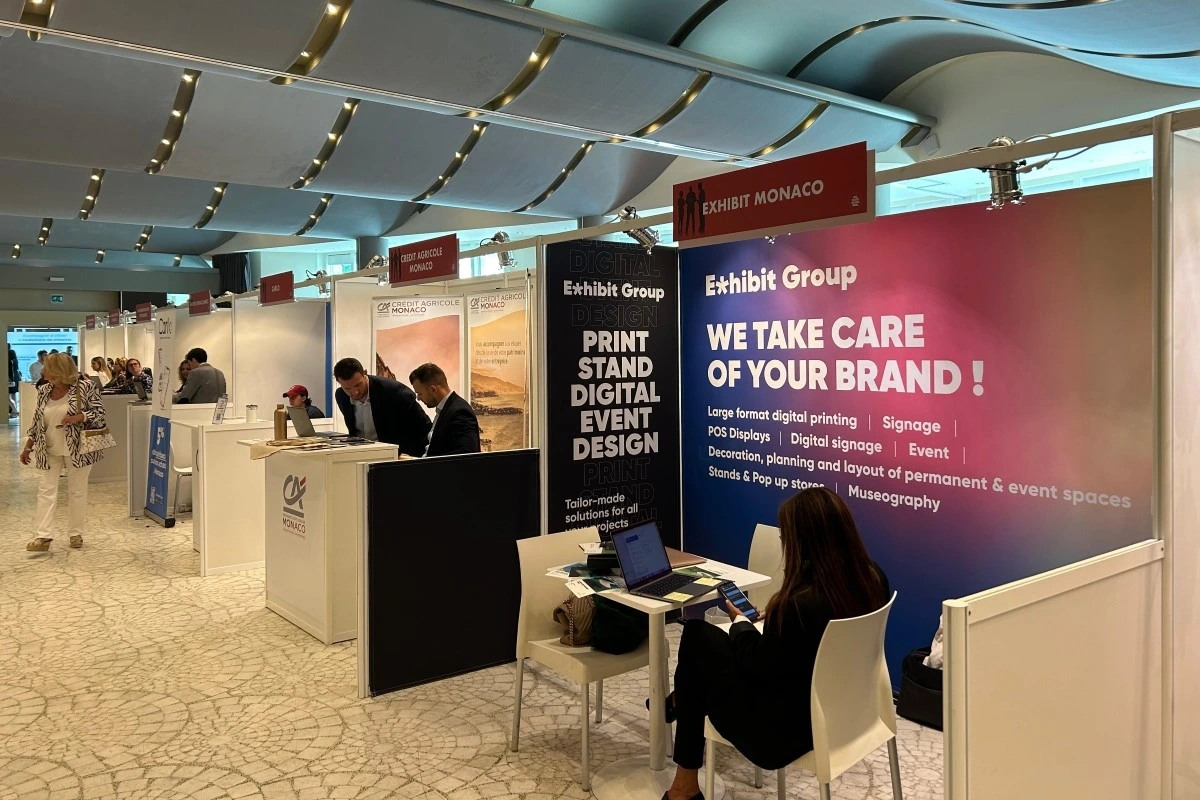
Graphics production for trade shows covers the sequence from file handoff through print, finishing, packing, freight, install, and strike. Planning begins when booth footprint and messaging are locked, and continues through vendor selection, substrate specification, file preparation, proof approval, production scheduling, freight coordination, and on-floor installation. The schedule runs backward from the show's official move-in window, which varies by venue and show contractor.
Phoenix Convention Center exhibits follow the North Building's twenty climate-controlled loading docks and the venue's exhibitor manual, which sets file and advance-order deadlines that cascade into production and freight timelines. WestWorld of Scottsdale consumer shows operate on outdoor and indoor build schedules that affect substrate durability requirements and install-crew availability. Mesa Convention Center's nineteen thousand square feet of exhibit area and downtown-Mesa freight access create a different logistics rhythm than the large-campus convention centers, particularly for smaller exhibitors running tabletop or inline graphics.
Strong planning covers graphics production planning for Tempe-market exhibitors, with hotel ballroom programs at the Omni Tempe Hotel at ASU, Tempe Mission Palms, and The Westin Tempe as secondary venue contexts. The project plan should turn venue rules, freight deadlines, labor windows, and exhibitor goals into a workable show schedule. Graphics jurisdiction varies by venue, show, and exhibitor type, so verifying what the official show contractor handles versus what an Exhibitor Appointed Contractor can bring in is the first step in any production plan.
Exhibit Graphics Production Planning for Valley Shows
- Phoenix Convention Center graphics workflow tied to North Building dock schedules, file deadlines in the exhibitor services manual, and the official show contractor's install crew availability during advance and targeted move-in windows
- WestWorld of Scottsdale outdoor and indoor graphics requirements, including substrate durability for desert sun exposure, wind-load testing for freestanding banners, and coordination with equestrian and car-show event calendars that affect crew scheduling
- File preparation and proof cycles that account for brand approvals, color-accuracy proofing on the chosen substrate, and revision rounds that fit inside the production window without triggering rush fees or missed freight cutoffs
- Freight coordination between production-facility pickup, drayage to the venue, and advance-warehouse receiving deadlines, with carrier selection based on whether the show contractor requires a specific drayage provider or allows direct-to-show-site delivery
- Install and strike logistics for graphics that require rigging, such as hanging banners at Phoenix Convention Center or overhead signage at hotel ballrooms, where venue rigging rules and labor jurisdiction determine who can hang, who inspects, and what advance permitting is required
File Preparation and Substrate Selection
Graphics production starts with file preparation, which includes finalizing artwork dimensions, resolution, bleed, color profiles, and output format. Phoenix Convention Center exhibits often run large-format hanging banners, backlit graphics, and floor decals, each requiring different file specifications. A twelve-foot-wide fabric banner needs vector or high-resolution raster artwork with bleed margins, while a floor decal requires scuff-resistant laminate and a print profile that accounts for overhead lighting in the exhibit hall. File preparation also includes brand approvals and legal review, particularly for regulated industries such as biosciences and healthcare innovation, which are demand drivers in the Greater Phoenix metro.
Substrate choice affects durability, weight, freight cost, and install method. Fabric graphics pack lighter than rigid panels, which matters when shipping from a remote production facility to Phoenix Convention Center's North Building docks or when coordinating hotel ballroom setups at the Omni Tempe Hotel at ASU. Rigid substrates such as foam-core, PVC, or aluminum composite require crating or road cases, which add dimensional weight and influence drayage pricing. WestWorld of Scottsdale outdoor shows require UV-resistant inks and wind-rated mounting hardware, particularly for consumer shows that run multiple days in open-air venues.
Proof cycles add time to the production schedule. A single proof round typically takes two to four business days, assuming the client reviews promptly and the production vendor has capacity. Multiple revision rounds or brand-committee approvals can push the timeline past the advance-order deadline set by the official show contractor, which triggers either rush fees or a decision to simplify the graphics package. Mesa Convention Center programs with shorter lead times sometimes require exhibitors to skip proof cycles and trust the production vendor's color calibration, which is a risk calculation based on the vendor's track record and the exhibitor's tolerance for on-floor surprises.
- File specs that match the substrate and install method, including resolution requirements for large-format prints, bleed margins for trimmed edges, and color profiles that account for fabric versus rigid-panel output
- Substrate weight and pack method, which affect freight costs and drayage billing, particularly when shipping to Phoenix Convention Center's twenty climate-controlled docks or coordinating multi-venue programs across Scottsdale and Tempe hotel ballrooms
- Proof cycles that fit inside the production window, with contingency time for revision rounds, brand approvals, and legal review for regulated industries such as semiconductors and aerospace-defense
- UV resistance and durability testing for outdoor graphics at WestWorld of Scottsdale, including wind-load ratings for freestanding banners and scuff resistance for high-traffic floor decals
Production Scheduling and Vendor Coordination
Production scheduling begins with the show's official move-in date and works backward through freight transit time, production lead time, proof cycles, and file-finalization deadlines. Phoenix Convention Center exhibitor manuals typically publish advance-order deadlines thirty to forty-five days before move-in, with discounted pricing for early commitments and rush fees for late orders. Graphics production vendors require lead time that varies by substrate, print method, and shop capacity; a simple fabric banner might have a three-day turnaround, while a complex backlit display with custom fabrication could require three weeks.
Vendor selection depends on whether the exhibitor uses an Exhibitor Appointed Contractor or orders through the official show contractor's graphics catalog. Phoenix Convention Center and WestWorld of Scottsdale both allow EACs for most show formats, but the official contractor retains jurisdiction over certain services such as rigging, electrical drops, and drayage receiving. An EAC-produced graphic still needs to clear the venue's dock, pass through drayage, and coordinate install timing with the official contractor's floor crew, which means the EAC must understand the venue's workflow and communicate handoff points clearly.
Shop capacity varies by season and market demand. Greater Phoenix hosts year-round shows across semiconductors, software, aerospace-defense, and biosciences verticals, which creates production peaks that align with industry event calendars. A graphics vendor running at full capacity during a semiconductor-industry show week may quote longer lead times or decline rush orders, so exhibitors planning multiple shows across the Valley should identify backup vendors and verify capacity early in the planning cycle.
- Backward scheduling from move-in date through freight, production, proofing, and file prep, with buffer time for delays in brand approvals, shipping disruptions, or vendor capacity constraints
- Vendor capacity checks during high-demand periods, particularly when multiple large shows overlap at Phoenix Convention Center, WestWorld of Scottsdale, and Mesa Convention Center within the same week
- EAC versus official-contractor decision, based on cost, quality, customization options, and the exhibitor's willingness to manage additional coordination steps such as drayage handoffs and install-crew communication
- Backup vendor identification for exhibitors running multi-show programs or planning exhibits during peak season, when primary vendors may be at capacity or quoting extended lead times
Freight and Drayage Coordination
Freight coordination for graphics starts at the production facility and ends at the booth. Most graphics ship via common carrier to the show's advance warehouse or directly to the venue during the official receiving window. Phoenix Convention Center publishes drayage and freight guidelines in the exhibitor manual, including weight thresholds, pallet dimensions, carrier requirements, and deadlines for advance-warehouse delivery versus direct-to-show-site delivery. Missing a deadline can trigger storage fees, rush drayage charges, or delayed booth access during move-in.
Drayage is the movement of materials from the loading dock to the booth space, and it is typically managed by the official show contractor or a designated drayage provider. Phoenix Convention Center's North Building has twenty climate-controlled docks that handle inbound freight during the days leading up to exhibitor move-in, with strict schedules that prioritize larger exhibitors and official-contractor deliveries. Smaller exhibitors shipping a few cartons of graphics may arrive during the tail end of the receiving window, which can delay booth setup if the floor crew is waiting on materials.
Hotel ballroom programs at the Omni Tempe Hotel at ASU, Tempe Mission Palms, and The Westin Tempe operate on compressed timelines with limited dock access and smaller freight elevators. Graphics for hotel ballroom exhibits often arrive the morning of setup or the night before, depending on the hotel's loading-dock availability and the event planner's coordination with hotel operations. Oversized rigid panels or crated displays may not fit in a hotel freight elevator, which forces a decision to redesign the graphics package, hand-carry components up a stairwell, or negotiate after-hours loading-dock access with the hotel.
- Advance-warehouse deadlines that allow the official show contractor to receive, inventory, and stage graphics before move-in, reducing the risk of missing materials or delayed booth access during the exhibitor's scheduled setup window
- Direct-to-show-site delivery timing, which requires coordination with Phoenix Convention Center's dock schedule, carrier arrival windows, and the exhibitor's move-in appointment to ensure materials arrive when the booth crew is on-site
- Hotel ballroom freight constraints, including elevator dimensions, loading-dock hours, and hotel-operations approval for after-hours deliveries, particularly at Omni Tempe Hotel at ASU and Tempe Mission Palms downtown properties
- Dimensional weight and pallet configuration, which affect drayage billing and carrier selection, particularly when shipping rigid panels or road cases that exceed standard pallet footprints or weight limits
Install Logistics and Rigging Coordination
Graphics installation ranges from tabletop banner stands that an exhibitor can set up without tools to hanging banners and overhead signage that require rigging, lifts, and venue-certified labor. Phoenix Convention Center rigging rules specify which graphics require advance permitting, engineering drawings, and inspections. Hanging banners above a certain weight threshold must use venue-approved rigging points, which are mapped in the exhibitor manual and must be reserved in advance. The official show contractor or an approved rigging vendor handles the installation, and the exhibitor pays based on labor hours, equipment rental, and material-handling fees.
WestWorld of Scottsdale outdoor shows present different rigging challenges. Freestanding banner stands and outdoor signage must withstand wind loads, which requires ground stakes, weighted bases, or truss structures. The venue's event-spaces section describes load-in access and outdoor-setup requirements, but exhibitors planning large outdoor graphics should verify wind-rating requirements and obtain engineer-stamped drawings if the structure exceeds a height or size threshold. Indoor spaces such as the Equidome have ceiling rigging points, but availability varies by event and must be coordinated with the show organizer and venue operations.
Hotel ballroom rigging at the Omni Tempe Hotel at ASU and Tempe Mission Palms follows hotel-specific rules that often prohibit ceiling penetrations and limit hanging-weight capacity. Graphics that would hang from truss at a convention center may need to be redesigned as freestanding displays or wall-mounted panels in a hotel ballroom. Some hotels allow pipe-and-drape-mounted graphics, but weight limits and stability requirements mean that large fabric banners may need custom frames or sandbag ballast to meet safety standards.
- Advance rigging permits and engineering drawings for hanging graphics at Phoenix Convention Center, including load calculations, rigging-point reservations, and coordination with the official show contractor's install schedule
- Wind-load testing and ground-anchor specifications for outdoor graphics at WestWorld of Scottsdale, particularly for consumer shows that run multiple days in open-air environments with variable weather conditions
- Hotel ballroom rigging restrictions, including ceiling-weight limits, no-penetration policies, and stability requirements for freestanding displays that replace hanging banners in venues where overhead rigging is not allowed
- Labor jurisdiction for install and strike, which varies by venue and show format, with union labor required for certain rigging tasks at Phoenix Convention Center and independent labor allowed at some hotel ballroom programs
Strike and Asset Return
Strike is the teardown and removal of exhibit materials after the show closes. Graphics strike includes removing wall-mounted panels, dismantling hanging banners, rolling fabric graphics, packing rigid substrates, and coordinating freight pickup. Phoenix Convention Center publishes strike schedules in the exhibitor manual, with designated time windows for each exhibitor based on booth size and location. Missing the strike window can result in the official show contractor packing and shipping materials at the exhibitor's expense, often at rates higher than if the exhibitor had coordinated their own carrier.
Graphics that will be reused at future shows need to be packed carefully to avoid creases, tears, or damage during freight. Fabric banners should be rolled rather than folded to prevent permanent creases. Rigid panels require edge protection and cushioning to prevent corner damage. Road cases or reusable crates add cost but protect graphics better than disposable cardboard boxes, particularly for exhibitors running multi-show programs across the Valley or shipping to regional markets outside Arizona.
Asset return to a warehouse or production facility for storage, repair, or updating is a common post-show step. Some exhibitors coordinate direct shipment from Phoenix Convention Center or WestWorld of Scottsdale to their next show venue, which eliminates a round trip to the warehouse but requires precise scheduling and carrier coordination. Others return all materials to a central warehouse in Tempe or another Valley location, where graphics can be inspected, cleaned, and prepped for the next event. Mesa Convention Center programs and hotel ballroom shows often have shorter strike windows and less dock capacity, so advance carrier scheduling is critical to avoid delays or additional fees.
- Strike-window compliance to avoid official-contractor pack-and-ship fees, which can exceed the cost of coordinating an independent carrier, particularly for large graphics packages or multi-booth programs
- Packing methods that protect graphics for reuse, including rolling fabric banners to prevent creases, edge-protecting rigid panels, and using road cases for high-value or frequently reused components
- Direct-to-next-show shipping for exhibitors running back-to-back programs, which requires carrier coordination, advance receiving confirmation at the destination venue, and contingency planning in case of transit delays
- Warehouse return and asset inspection after strike, allowing the exhibitor to identify damaged graphics, schedule repairs or reprints, and update messaging or branding before the next show cycle
Exhibit Graphics Production FAQ
What is the typical lead time for custom exhibit graphics?
Lead time depends on substrate, print method, and shop capacity, but a typical custom fabric banner requires three to five business days for production after proof approval, while complex backlit displays or rigid-panel graphics with custom fabrication can require two to three weeks. Phoenix Convention Center exhibitor manuals often publish advance-order deadlines thirty to forty-five days before move-in, which provides a useful target for completing file prep, proofing, production, and freight coordination.
Can an exhibitor bring graphics produced by an outside vendor to Phoenix Convention Center?
Yes, Phoenix Convention Center allows Exhibitor Appointed Contractors to provide graphics, but the materials must still clear the venue's dock, go through the official show contractor's drayage process, and coordinate install timing with the floor crew. The EAC does not bypass drayage fees or venue access rules; it simply gives the exhibitor control over vendor selection, quality, and customization. The exhibitor is responsible for ensuring the EAC understands the venue workflow and communicates handoff points clearly with the official show contractor.
What are the substrate options for outdoor graphics at WestWorld of Scottsdale?
Outdoor graphics at WestWorld of Scottsdale require UV-resistant inks and substrates that withstand desert sun, wind, and temperature swings. Common options include vinyl banners with grommets and reinforced hems, rigid PVC or aluminum composite panels with UV-protective laminates, and fabric graphics treated for outdoor use. Freestanding banners need wind-load testing and weighted bases or ground stakes to meet safety standards, particularly for consumer shows that run multiple days in open-air venues.
How does drayage pricing work for exhibit graphics?
Drayage pricing is based on weight, with rates published per hundredweight, or CWT. The official show contractor weighs each carton, crate, or pallet and bills accordingly. Dimensional weight can apply if the shipment is large but light, meaning a bulky but lightweight fabric banner might be charged based on its size rather than its actual weight. Advance-warehouse delivery typically costs less than direct-to-show-site delivery, and missing the advance deadline can trigger rush fees or storage charges.
Can hotel ballroom graphics use the same rigging setup as convention center exhibits?
Usually not. Hotel ballrooms at the Omni Tempe Hotel at ASU, Tempe Mission Palms, and The Westin Tempe often prohibit ceiling penetrations and have lower weight limits for hanging graphics than convention centers. Graphics that hang from overhead truss at Phoenix Convention Center may need to be redesigned as freestanding displays, wall-mounted panels, or pipe-and-drape-mounted banners in a hotel ballroom. Weight limits and stability requirements vary by hotel, so checking the venue's rigging rules before finalizing the graphics design prevents costly last-minute changes.