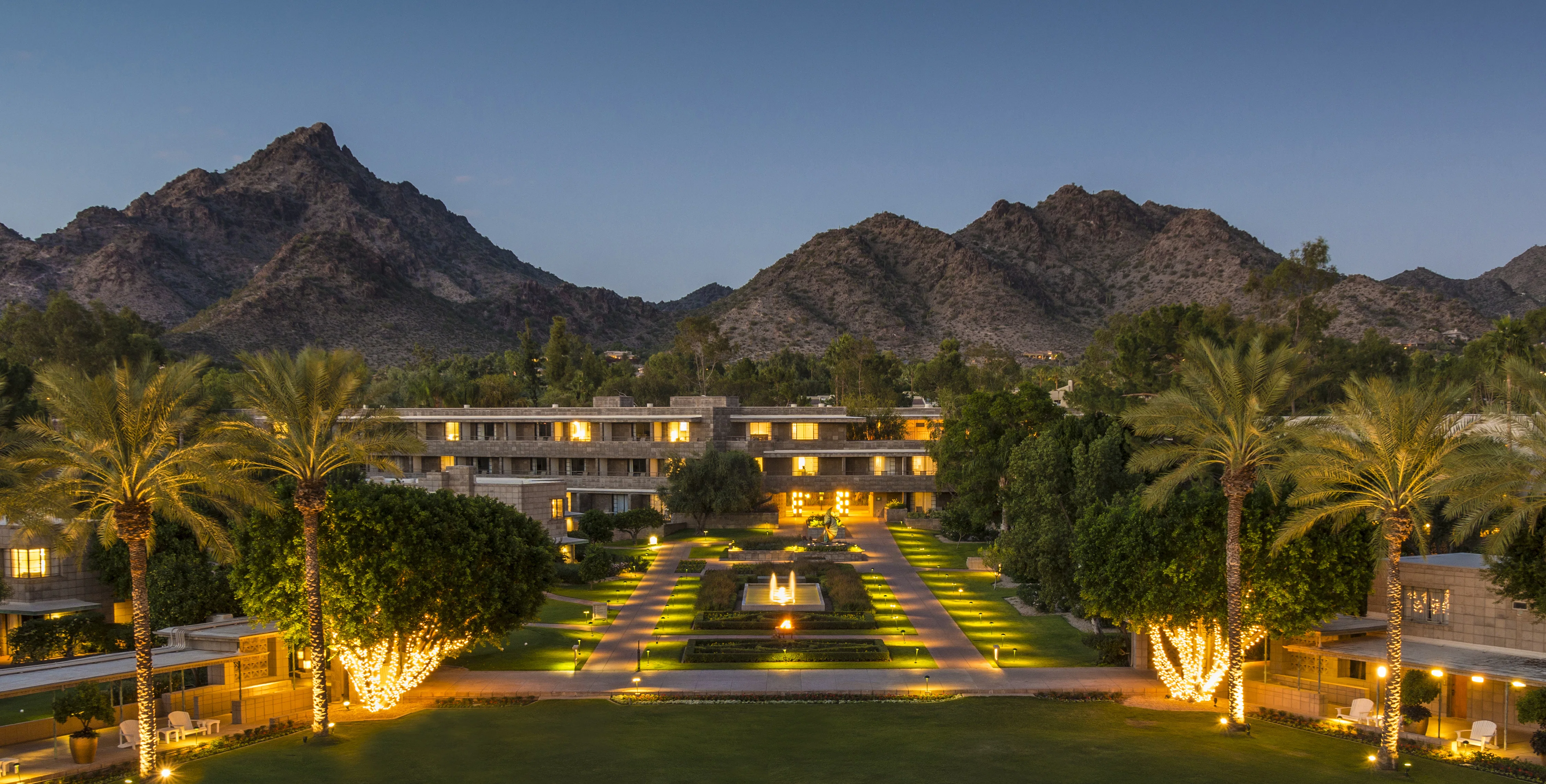
Strong planning covers trade-show planning context for the Biltmore District, a Phoenix submarket defined by resort inventory, corporate meeting hotels, and freeway access between downtown Phoenix and Scottsdale. The district functions as an overflow lodging and hospitality zone for Phoenix Convention Center events, Footprint Center activations, and WestWorld of Scottsdale programs. The project plan should turn venue rules, freight deadlines, labor windows, and exhibitor goals into a workable show schedule.
The Biltmore corridor runs along Camelback Road east of SR 51, where Arizona Biltmore Resort anchors roughly 740 guest rooms and the JW Marriott Phoenix Desert Ridge Resort adds another 950 rooms farther north along the Tatum Boulevard corridor. These properties support executive receptions, sponsor dinners, and VIP lodging blocks when downtown Phoenix or Scottsdale hotel clusters reach capacity during overlapping events. Planners coordinating multi-venue or multi-day programs often split lodging blocks between downtown Phoenix inventory and Biltmore-area properties, routing shuttle service along SR 51 or Camelback Road depending on event timing and traffic windows.
Teams exhibiting at Phoenix Convention Center or scheduling breakout sessions at Arizona Grand Resort frequently use Biltmore hotels for sponsor hospitality or executive programs that require separation from the main show floor. The district sits outside the walkable downtown convention campus, so every move between Biltmore properties and downtown venues requires dedicated transportation, loading plans, and timing buffers that account for SR 51 congestion during morning and evening peaks. Understanding the district's role in the broader Valley event ecosystem helps exhibitors avoid shuttle delays, parking conflicts, and logistical gaps that arise when planners treat Biltmore as a downtown-adjacent option without adjusting timelines.
Planning context for Biltmore District programs
- SR 51 routing between Biltmore properties and Phoenix Convention Center downtown campus, with 15–20 minute off-peak drive times stretching past 35 minutes during 7–9 AM and 4–6:30 PM weekday windows
- Arizona Biltmore Resort's 740-room inventory and JW Marriott Phoenix Desert Ridge's 950-room footprint anchor the district's executive lodging and sponsor-hospitality capacity for overflow from convention-center shows
- Camelback Road corridor connecting Biltmore hotels to Scottsdale programs at WestWorld of Scottsdale or Talking Stick Resort, supporting multi-venue event coordination across the northeast Valley
- Shuttle logistics and transportation buffers required for any program splitting lodging blocks between downtown Phoenix hotels and Biltmore properties, particularly during overlapping convention-center and arena events
- Corporate hospitality and VIP event demand tied to Phoenix Convention Center shows, with Biltmore venues supporting sponsor receptions, executive dinners, and breakout programs that need separation from the main show floor
District geography and venue access
The Biltmore District runs along Camelback Road and 24th Street northeast of downtown Phoenix, bordered by SR 51 to the west. Arizona Biltmore Resort sits near 24th Street and Missouri Avenue with 740 guest rooms and 200,000 square feet of event space. The JW Marriott Phoenix Desert Ridge operates farther north near Tatum Boulevard with 950 guest rooms. Both properties function as overflow lodging and hospitality venues when downtown Phoenix hotel blocks reach capacity during Phoenix Convention Center conventions or Footprint Center events.
SR 51 southbound provides 15–20 minute off-peak drive times from Arizona Biltmore to the convention-center campus. During weekday peaks between 7–9 AM and 4–6:30 PM, SR 51 congestion extends those windows past 35 minutes. Planners coordinating shuttle service between Biltmore lodging blocks and downtown venues need timing buffers for VIP attendees, exhibitor teams, or sponsor programs requiring punctual arrival. The Camelback Road corridor connects Biltmore properties to Scottsdale venues, supporting multi-venue programs spanning both Phoenix and Scottsdale clusters.
Phoenix Sky Harbor sits nine miles south along SR 51, with 20–25 minute off-peak drive times. Teams flying in for Biltmore hospitality programs or overflow lodging can route directly from Sky Harbor to district properties without downtown stops. The district's position between downtown Phoenix and Scottsdale makes it a staging area for exhibitor teams working Phoenix Convention Center, WestWorld of Scottsdale, or hotel ballroom programs across the metro.
- SR 51 southbound routing from Biltmore District to Phoenix Convention Center, with 15–20 minute off-peak drive times and 30+ minute windows during weekday morning and evening peaks
- Arizona Biltmore Resort anchoring 740 guest rooms and 200,000 square feet of event space near 24th Street and Missouri Avenue, supporting executive receptions and sponsor programs for convention-center overflow
- JW Marriott Phoenix Desert Ridge adding 950 guest rooms and meeting capacity along the Tatum Boulevard corridor north of the core Biltmore cluster
- Sky Harbor International Airport access via SR 51 with 20–25 minute off-peak drive times, supporting inbound teams routing to Biltmore lodging blocks without downtown stops
Lodging blocks and hospitality coordination
Biltmore hotels function as overflow inventory when downtown Phoenix properties reach capacity. Arizona Biltmore supports executive lodging blocks, sponsor hospitality, and VIP programs requiring resort amenities. The property's 200,000 square feet includes indoor ballrooms, outdoor terraces, and poolside areas for sponsor activations, partner dinners, and breakout sessions. Planners splitting lodging blocks between downtown and Biltmore properties should coordinate shuttle schedules, parking instructions, and timing buffers for the SR 51 corridor.
JW Marriott Phoenix Desert Ridge serves similar overflow functions farther north, supporting corporate meetings, executive lodging, and sponsor programs tied to Phoenix Convention Center or Scottsdale events at WestWorld or Talking Stick Resort. The 950-room footprint allows planners to consolidate larger blocks outside downtown while maintaining access to both Phoenix and Scottsdale clusters via SR 51 and Loop 101. Teams booking Biltmore lodging should verify shuttle availability, parking allocations, and room-block dates in advance.
Hospitality programs at Biltmore venues require separate transportation planning from main show logistics. Sponsor receptions, VIP dinners, or breakout sessions at Arizona Biltmore or JW Marriott Desert Ridge operate on independent timelines from exhibit-floor activity. Exhibitors running parallel programs should assign separate logistics leads to each venue, confirm transportation providers understand all pickup points, and build SR 51 traffic buffers. Assuming Biltmore properties function as smooth extensions of the downtown campus without adjusting timelines is a common source of delays.
- Arizona Biltmore's 200,000 square feet of indoor and outdoor event space supporting sponsor receptions, executive dinners, and breakout programs separate from Phoenix Convention Center main floors
- Overflow lodging coordination between downtown Phoenix hotel inventory and Biltmore properties, requiring shuttle scheduling and timing buffers that account for SR 51 corridor congestion
- JW Marriott Phoenix Desert Ridge's 950-room capacity supporting larger lodging blocks outside the downtown core with access to both Phoenix and Scottsdale venue clusters via SR 51 and Loop 101
- Separate logistics planning required for hospitality programs held at Biltmore venues, including dedicated shuttle routes, parking allocations, and timing buffers independent of main-event transportation schedules
Multi-venue coordination and freeway routing
Exhibitors coordinating programs across Phoenix Convention Center and Biltmore venues need to account for freeway timing and shuttle logistics. SR 51 provides 15–20 minute off-peak drive times southbound. During weekday peaks when convention move-in overlaps with commuter traffic, SR 51 congestion extends those windows significantly. Planners should schedule shuttle runs and exhibitor movements outside 7–9 AM and 4–6:30 PM windows when possible, or build extended buffers for peak-hour routing.
The Camelback Road corridor connects Biltmore properties to Scottsdale programs at WestWorld or Old Town venues. Teams running sponsor activations at both Phoenix Convention Center and Scottsdale locations can use Biltmore hotels as midpoint lodging, though transportation planning becomes complex when shuttle routes serve multiple destinations on different schedules. Coordinating programs split across downtown Phoenix, Biltmore, and Scottsdale requires clear provider communication, realistic timing assumptions, and contingency plans for traffic delays.
Freight moves between Biltmore hospitality venues and downtown facilities require separate planning. Small deliveries for sponsor displays or audiovisual equipment can route via SR 51 depending on timing and load size, though planners should confirm loading-dock access and receiving hours at both properties. Larger moves involving booth components or exhibit materials should be scheduled in advance with receiving windows coordinated through venue contacts. Treating Biltmore deliveries as simple extensions of downtown logistics without verifying dock access often results in delays.
- SR 51 corridor timing between Biltmore District and Phoenix Convention Center, with 15–20 minute off-peak windows and extended drive times during 7–9 AM and 4–6:30 PM weekday peaks
- Camelback Road routing connecting Biltmore properties to Scottsdale venues at WestWorld and Old Town, supporting multi-venue programs spanning both Phoenix and Scottsdale event clusters
- Shuttle coordination for programs split across downtown Phoenix, Biltmore, and Scottsdale locations, requiring clear provider communication and timing buffers that account for freeway variability and multiple destination schedules
- Freight and equipment moves for Biltmore hospitality programs requiring separate advance receiving coordination, dock-access verification, and delivery timing that accounts for venue-specific restrictions at both origin and destination
Sponsor hospitality and executive event programs
Biltmore venues support sponsor receptions, executive dinners, and VIP programs requiring separation from Phoenix Convention Center. Arizona Biltmore's indoor ballrooms and outdoor terraces accommodate 50–500 person receptions, partner dinners, and product unveilings. These programs operate on independent schedules, allowing sponsors to host evening receptions after exhibit-floor hours, pre-show breakfasts, or midday partner meetings outside the convention environment. Planners should coordinate transportation, confirm catering minimums, and verify audiovisual requirements in advance.
Executive lodging blocks at Biltmore properties often include hospitality suites, meeting rooms, or private dining areas supporting sponsor activations and VIP briefings parallel to main convention activity. Teams coordinating these programs need to clarify which spaces are included in lodging agreements versus requiring separate rental, and how shuttle service connects executive programs to the main floor. Assuming hospitality spaces come automatically with lodging blocks frequently leads to last-minute adjustments.
Multi-day conventions at Phoenix Convention Center sometimes schedule off-site receptions or galas at Biltmore venues to leverage resort amenities. These events require coordinated transportation for hundreds of attendees, advance setup windows, and clear communication ensuring main-event timelines align with off-site start times. Planners should confirm shuttle schedules, verify receiving-dock capacity for staging deliveries, and build SR 51 traffic buffers. Treating off-site programs as simple add-ons without adjusting timelines often results in delayed starts and crowded shuttles.
- Arizona Biltmore's indoor ballrooms and outdoor terraces supporting 50–500 person sponsor receptions, executive dinners, and product unveilings separate from Phoenix Convention Center main floors
- Executive lodging-block coordination at Biltmore properties, including clarification of which hospitality suites, meeting rooms, or private dining areas are included in block agreements versus requiring separate venue rental
- Off-site reception and gala programs at Biltmore venues tied to multi-day Phoenix Convention Center conventions, requiring coordinated transportation, advance setup windows, and timing buffers for large-group movements via SR 51 corridor
- Independent scheduling for sponsor hospitality programs at Biltmore locations, allowing evening receptions after exhibit-floor hours, pre-show executive breakfasts, or midday partner meetings outside the convention-center environment
Timing buffers and coordination gaps
The separation between Biltmore properties and downtown venues creates coordination complexity requiring realistic timing assumptions. Shuttle routes connecting Biltmore blocks to Phoenix Convention Center need to account for SR 51 traffic variability, passenger loading at multiple hotels, and unpredictable attendee schedules. Planners should build 10–15 minute buffers beyond expected drive times for morning runs, particularly when coordinating VIP arrivals aligning with exhibit-floor commitments. Treating Biltmore-to-downtown routes as equivalent to walkable hotel connections often results in late arrivals.
Hospitality programs at Biltmore parallel to main Phoenix Convention Center activity require separate logistics oversight to avoid conflicts between shuttle schedules, parking, and freight deliveries. Teams running sponsor dinners at Arizona Biltmore while maintaining downtown presence should assign dedicated coordinators to each location, confirm providers understand both timelines, and verify audiovisual deliveries are scheduled independently from convention-center freight windows. Managing both locations from a single point without clear channels frequently leads to missed deliveries.
Exhibitors booking Biltmore overflow lodging should verify shuttle availability, frequency, and operating hours before finalizing blocks. Not all properties offer dedicated convention shuttles, and capacity may not accommodate large teams during peak windows. Planners should confirm whether shuttle service is included in lodging agreements, whether additional capacity can be contracted, and what parking allocations are available for teams choosing to drive. Discovering shuttle shortfalls after teams arrive is a preventable failure.
- Timing buffers of 10–15 minutes beyond expected SR 51 drive times for morning shuttle runs connecting Biltmore lodging blocks to Phoenix Convention Center, accounting for traffic variability and passenger loading at multiple hotel pickup points
- Separate logistics coordination required for parallel programs at Biltmore hospitality venues and downtown Phoenix Convention Center exhibit floors, including dedicated coordinators, independent freight scheduling, and clear provider communication for both locations
- Shuttle-service verification for Biltmore overflow lodging blocks, confirming availability, frequency, operating hours, and capacity before finalizing room-block agreements for exhibitor teams working downtown shows
- Parking-allocation planning for exhibitor teams choosing to drive between Biltmore lodging and Phoenix Convention Center, verifying that convention-center parking capacity and access align with team schedules and vehicle counts
Common questions about Biltmore District event planning
How long does it take to get from Biltmore properties to Phoenix Convention Center?
Off-peak drive times via SR 51 southbound run 15–20 minutes from Arizona Biltmore to the downtown convention campus. During weekday morning peaks between 7–9 AM and evening peaks between 4–6:30 PM, SR 51 congestion can extend those windows past 35 minutes. Planners coordinating shuttle service or VIP transportation should build timing buffers of 10–15 minutes beyond expected drive times, particularly for morning departures that align with convention general sessions or exhibit-floor opening schedules.
Can exhibitor teams working Phoenix Convention Center shows stay at Biltmore hotels?
Biltmore District properties function as overflow lodging when downtown Phoenix hotel inventory reaches capacity during large conventions. Exhibitor teams booking Biltmore lodging should verify shuttle service availability, frequency, and operating hours before finalizing room blocks, and confirm parking allocations at the convention center if team members plan to drive rather than rely on shuttle schedules. The physical separation from the downtown convention campus requires realistic transportation planning and timing buffers that account for SR 51 corridor congestion during peak hours.
What venues in the Biltmore District support sponsor hospitality programs?
Arizona Biltmore Resort offers 200,000 square feet of indoor ballrooms, outdoor terraces, and poolside reception areas that support sponsor activations, executive dinners, and partner meetings tied to Phoenix Convention Center shows. JW Marriott Phoenix Desert Ridge provides additional meeting space and hospitality capacity farther north along the Tatum Boulevard corridor. Both properties require separate transportation planning from main convention logistics, including dedicated shuttle routes, parking allocations, and timing buffers that account for SR 51 traffic and independent program schedules.
How do planners coordinate programs split across downtown Phoenix and Biltmore locations?
Multi-venue coordination requires separate logistics oversight for each location, including dedicated coordinators, independent freight scheduling, and clear communication with shuttle providers who understand both venue timelines. SR 51 routing between Biltmore properties and Phoenix Convention Center requires timing buffers that account for freeway congestion, particularly during weekday peaks. Planners should confirm loading-dock access, receiving hours, and delivery restrictions at both Biltmore hospitality venues and downtown convention facilities before scheduling freight moves or equipment deliveries.
Does the Biltmore District connect to Scottsdale event venues?
The Camelback Road corridor provides east-west routing between Biltmore properties and Scottsdale programs at WestWorld of Scottsdale, Talking Stick Resort, or Old Town hospitality venues. Teams coordinating multi-venue programs across Phoenix and Scottsdale can use Biltmore hotels as midpoint lodging clusters, though transportation planning becomes more complex when shuttle routes must serve multiple destinations on different schedules. Planners should build realistic timing assumptions that account for freeway variability and coordinate separate shuttle schedules for each venue connection.