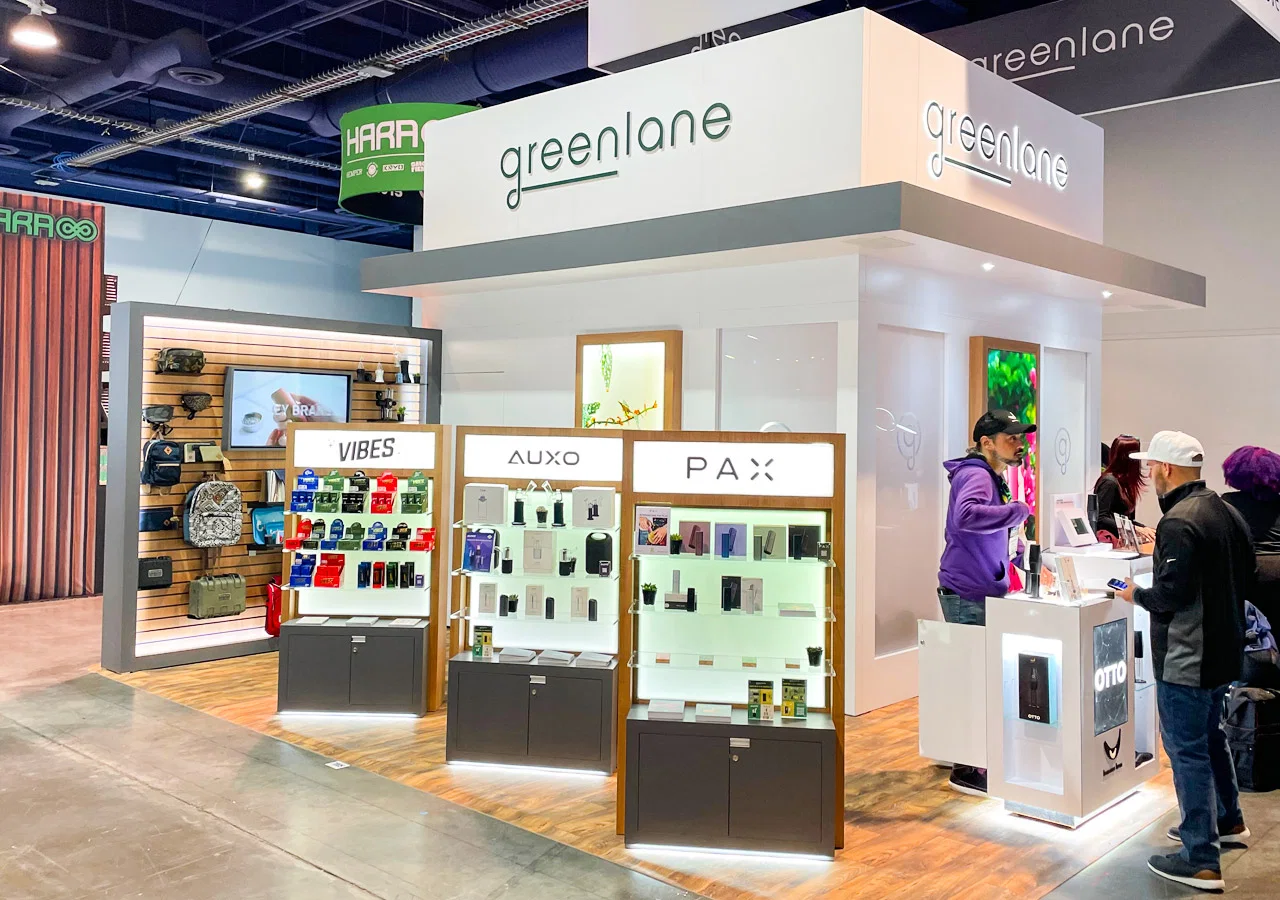
Strong planning covers corporate event services for Tempe and the Greater Phoenix metro, including venue selection, load-in coordination, attendee logistics, and the difference between hotel-ballroom programs and convention-center programs. The project plan should turn venue rules, freight deadlines, labor windows, and exhibitor goals into a workable show schedule.
Corporate events in this metro include product launches, shareholder meetings, user conferences, executive retreats, and internal training programs. Planning starts with venue type because a 200-person ballroom program at Tempe Mission Palms runs on hotel labor and house services, while a 3,000-person general session at Phoenix Convention Center involves official show contractors, union labor, and citywide hotel blocks.
The planning sequence connects venue footprint, attendee count, program format, freight timing, and AV requirements to produce accurate advance orders, load-in schedules, and post-event reconciliation. Most mistakes happen when teams assume hotel programs and convention-center programs follow the same rules.
Corporate Event Planning Framework for Tempe and Greater Phoenix
- Venue selection tied to program format: hotel ballrooms at Omni Tempe or The Westin Tempe for 50 to 500 attendees, Phoenix Convention Center for citywide programs above 2,000, and resort properties like Talking Stick Resort for executive retreats and multi-day leadership programs
- Load-in and freight coordination for hotel programs: loading-dock access varies by property, advance notice required for multi-pallet deliveries, and house AV teams control rigging and power distribution at most downtown Tempe conference hotels
- Attendee logistics that account for Phoenix Sky Harbor proximity, downtown Tempe rail access along Mill Avenue, and the distinction between walkable hotel blocks near the ASU District and satellite properties requiring shuttle coordination
- Service jurisdiction clarity: hotel programs default to house services for AV, furniture, and catering unless the contract specifies exhibitor-appointed contractors, while convention-center programs involve official show contractors and union labor for rigging, electrical, and general services
- Program timeline discipline that locks venue, dates, and general-session footprint before finalizing breakout room counts, AV specs, or catering guarantees, because late changes to room sets trigger labor premiums and compression fees at most Tempe and Phoenix properties
Venue Types and Program Formats
Corporate events in Tempe and the Greater Phoenix metro split into three venue categories. Hotel ballroom programs run at properties like Omni Tempe Hotel at ASU, which lists 36,000 square feet of meeting space and seven meeting rooms. These programs accommodate 50 to 500 attendees and default to house services for AV, catering, and furniture. Convention-center programs run at Phoenix Convention Center, which Visit Phoenix describes as an interconnected campus with three ballrooms, 99 meeting and breakout rooms, and a 2,300-seat performance hall. These programs serve citywide corporate gatherings, user conferences, and product launches with 1,000 to 10,000 attendees. Resort programs run at properties like Talking Stick Resort, which positions itself as a conference resort in Scottsdale, and these programs emphasize multi-day executive retreats, leadership training, and hospitality-forward agendas.
The choice between venue types determines service jurisdiction, labor structure, and lead time. Hotel programs at Tempe Mission Palms or The Westin Tempe involve house AV teams, in-house catering, and property-managed loading docks. These programs typically require 30 to 60 days of advance notice for room blocks and AV builds. Convention-center programs at Phoenix Convention Center involve official show contractors for rigging, electrical, and general services, union labor for installation and strike, and advance orders placed 90 to 120 days before load-in. Resort programs at properties like JW Marriott Phoenix Desert Ridge include dedicated event-services teams, golf and recreation add-ons, and longer planning cycles because group blocks compete with leisure demand.
Program format also drives venue fit. General-session formats with tiered seating, video walls, and keynote production require ballrooms or theaters with rigging capacity and house power. Breakout formats with classroom seating and AV carts fit meeting rooms at Omni Tempe Hotel or Embassy Suites by Hilton Phoenix Tempe. Expo-style formats with demo stations, sponsor booths, and open-floor networking require exhibit halls at Phoenix Convention Center or flexible event spaces at WestWorld of Scottsdale. Teams that mismatch format to venue face last-minute space changes, AV compromises, and budget overruns.
- Omni Tempe Hotel at ASU lists 36,000 square feet of meeting space and seven meeting rooms, with house AV services and catering managed by property staff rather than third-party contractors
- Phoenix Convention Center's North Building includes 635,000 square feet of meeting and exhibition space, 11 exhibit halls, 56 meeting rooms, and 20 climate-controlled loading docks according to Visit Phoenix
- Talking Stick Resort positions itself as a conference resort in Scottsdale, with event services that bundle meeting space, lodging, recreation, and hospitality into multi-day executive programs
- Hotel ballroom programs at Tempe Mission Palms or The Westin Tempe typically require 30 to 60 days of advance notice for room blocks and AV builds, while convention-center programs require 90 to 120 days for advance orders and union labor coordination
Load-In Coordination and Freight Logistics
Load-in at hotel properties in downtown Tempe involves limited loading-dock access, narrow service corridors, and freight-elevator capacity that restricts pallet size and cart width. Properties like DoubleTree by Hilton Phoenix Tempe and Canopy by Hilton Tempe Downtown require advance notice for multi-pallet deliveries, and most loading docks operate on a first-come schedule rather than reserved time slots. Freight arriving before 7:00 AM or after 6:00 PM often incurs overtime fees or warehouse surcharges. Teams shipping demo equipment, AV cases, or booth components to hotel properties should coordinate with the property's event-services team at least two weeks before arrival.
Load-in at Phoenix Convention Center involves 20 climate-controlled loading docks, vehicle-height restrictions, and marshaling areas managed by the official show contractor. The convention center's North Building accommodates semi-trailers and straight trucks, but dock assignments follow show-management schedules rather than individual exhibitor requests. Freight arriving outside the official move-in window sits in the marshaling yard until drayage teams clear it for delivery to the exhibit floor. Drayage rates, labor surcharges, and overtime fees appear on the official show contractor's rate sheet, and teams that miss the advance-order deadline pay premium rates.
Interstate freight into Tempe and Phoenix follows I-10 from the west and east and connects to Phoenix Sky Harbor via surface streets. Tempe Tourism notes the city sits five miles from Phoenix Sky Harbor International Airport, which makes airport-adjacent warehousing and cross-dock operations common for teams consolidating shipments from multiple origins. Freight carriers serving the metro include regional LTL providers, dedicated trade-show freight specialists, and national carriers with Phoenix terminals. Teams should verify delivery windows, dock-appointment protocols, and vehicle-height restrictions before booking carriers.
- Hotel loading docks at properties like DoubleTree by Hilton Phoenix Tempe and Canopy by Hilton Tempe Downtown require advance notice for multi-pallet deliveries and often charge overtime fees for arrivals before 7:00 AM or after 6:00 PM
- Phoenix Convention Center's North Building includes 20 climate-controlled loading docks and accommodates semi-trailers and straight trucks, with dock assignments managed by the official show contractor rather than individual exhibitors
- Tempe sits five miles from Phoenix Sky Harbor International Airport according to Tempe Tourism, which supports airport-adjacent warehousing and cross-dock operations for teams consolidating shipments from multiple origins
- Drayage rates, labor surcharges, and overtime fees at Phoenix Convention Center appear on the official show contractor's rate sheet, and teams that miss the advance-order deadline pay premium rates on the show floor
Attendee Logistics and Hotel Coordination
Attendee logistics for corporate events in Tempe depend on whether the program runs in downtown Tempe, the ASU District, or across the Greater Phoenix metro. Downtown Tempe programs at Omni Tempe Hotel or Tempe Mission Palms benefit from 28-plus miles of rail and streetcar access according to Tempe Tourism, which connects attendees from Phoenix Sky Harbor, downtown Phoenix, and Mesa. Hotel blocks within walking distance of Mill Avenue and the ASU campus reduce shuttle costs and simplify evening networking. Programs that spread attendees across multiple properties require shuttle coordination, especially if breakout sessions run at satellite hotels or off-site venues.
Citywide programs at Phoenix Convention Center involve hotel blocks across downtown Phoenix, Midtown Phoenix, and Tempe. Visit Phoenix positions the convention-center campus as an interconnected system with downtown hotel inventory, but attendees staying in Tempe face a 10-to-15-minute drive or a light-rail transfer. Teams planning citywide programs should map hotel-block proximity to the convention center, verify rail schedules for attendees commuting from Tempe properties, and budget for shuttle services if blocks extend to North Phoenix resorts or Scottsdale properties.
Airport access matters for attendees flying into Phoenix Sky Harbor. Downtown Tempe hotels like Omni Tempe Hotel sit five miles from the airport according to Tempe Tourism, which makes rideshare or rental-car pickup straightforward. Phoenix Convention Center sits eight miles from the airport, and downtown Phoenix hotel blocks connect via surface streets and light rail. Teams hosting multi-day programs with high out-of-town attendance should verify ground-transportation options, especially for attendees arriving late or departing early.
- Tempe Tourism lists 28-plus miles of rail and streetcar access across the metro, which connects downtown Tempe hotel blocks to Phoenix Sky Harbor, downtown Phoenix, and Mesa without requiring shuttle coordination
- Downtown Tempe hotel blocks near Mill Avenue and the ASU District reduce shuttle costs and simplify evening networking for attendees, while satellite properties in North Phoenix or Scottsdale require dedicated shuttle schedules
- Citywide programs at Phoenix Convention Center involve hotel blocks across downtown Phoenix, Midtown Phoenix, and Tempe, with Tempe attendees facing a 10-to-15-minute drive or light-rail transfer to the convention-center campus
- Phoenix Sky Harbor sits five miles from downtown Tempe hotels and eight miles from Phoenix Convention Center, with ground transportation via rideshare, rental car, and light rail connecting airport arrivals to hotel blocks and event venues
Service Jurisdiction and Contractor Coordination
Service jurisdiction for corporate events varies by venue type and contract terms. Hotel programs at properties like The Westin Tempe or Embassy Suites by Hilton Phoenix Tempe default to house services for AV, furniture, catering, and room sets unless the contract explicitly allows exhibitor-appointed contractors. House AV teams control rigging, power distribution, and equipment inventory, and most properties charge a facility fee or coordination surcharge if outside vendors provide production services. Teams planning hotel programs should verify contractor restrictions during site selection, not after the contract is signed.
Convention-center programs at Phoenix Convention Center involve official show contractors for rigging, electrical, drayage, and general services. The official contractor relationship follows the show organizer's contract, and individual exhibitors or corporate attendees follow the rules set by the organizer. Union labor handles installation, maintenance, and strike for rigging, electrical, and heavy equipment, while non-union contractors may handle booth builds, graphics, and portable displays depending on the show manual. Teams that hire exhibitor-appointed contractors should verify EAC protocols, insurance requirements, and advance-notice deadlines before load-in.
Resort programs at properties like Talking Stick Resort or JW Marriott Phoenix Desert Ridge include bundled event services, which means AV, catering, furniture, and decor come from in-house teams. Some resorts allow outside production vendors for specialty builds like custom staging, LED video walls, or experiential activations, but these vendors must coordinate with resort event managers and follow property protocols. Teams planning resort programs should request a detailed services menu, clarify what is bundled versus what is optional, and verify contractor policies before finalizing the venue contract.
- Hotel programs at properties like The Westin Tempe or Embassy Suites by Hilton Phoenix Tempe default to house services for AV, furniture, and catering unless the contract explicitly allows exhibitor-appointed contractors
- Phoenix Convention Center programs involve official show contractors for rigging, electrical, drayage, and general services, with union labor handling installation and strike for rigging, electrical, and heavy equipment
- Resort properties like Talking Stick Resort and JW Marriott Phoenix Desert Ridge include bundled event services from in-house teams, with some resorts allowing outside production vendors for specialty builds under property-approved protocols
- Teams that hire exhibitor-appointed contractors at Phoenix Convention Center should verify EAC protocols, insurance requirements, and advance-notice deadlines before load-in to avoid jurisdiction conflicts on the show floor
Program Timeline and Budget Discipline
Corporate event planning for Tempe and Greater Phoenix programs starts with locking the venue, dates, and general-session footprint. Hotel programs require 30 to 60 days of lead time for room blocks, AV builds, and catering guarantees, while convention-center programs require 90 to 120 days for advance orders, union labor coordination, and freight logistics. Teams that delay venue confirmation face limited availability, compressed timelines, and premium pricing, especially during peak conference season from January to April.
Budget discipline begins with accurate headcount and program-format assumptions. A 200-person ballroom program at Omni Tempe Hotel involves room rental, house AV, catering, and property fees. A 3,000-person general session at Phoenix Convention Center involves advance orders for rigging, electrical, drayage, labor, and house services. Teams that underestimate attendee count or add breakout rooms late in the planning cycle trigger change orders, labor premiums, and compression fees. The most reliable budgets line-item venue costs, service costs, freight costs, and labor costs separately, and they account for overtime fees, rush charges, and post-show reconciliation.
Timeline discipline also applies to attendee communications, hotel-block deadlines, and registration cutoffs. Hotel blocks at downtown Tempe properties typically close 30 days before the event, and late registrants pay prevailing rates rather than group rates. Convention-center programs involve registration deadlines tied to badge printing, security screening, and exhibitor credentialing. Teams planning corporate events should build a timeline that locks venue and dates first, finalizes program format and headcount second, and submits advance orders and hotel-block commitments third.
- Hotel programs in Tempe require 30 to 60 days of lead time for room blocks, AV builds, and catering guarantees, while Phoenix Convention Center programs require 90 to 120 days for advance orders and union labor coordination
- Teams that delay venue confirmation during peak conference season from January to April face limited availability, compressed timelines, and premium pricing at Tempe and Phoenix properties
- Reliable budgets line-item venue costs, service costs, freight costs, and labor costs separately, and they account for overtime fees, rush charges, and post-show reconciliation to avoid budget overruns
- Hotel blocks at downtown Tempe properties typically close 30 days before the event, and late registrants pay prevailing rates rather than group rates, which makes timeline discipline critical for attendee communications
Corporate Event Services — Frequently Asked Questions
What is the difference between hotel ballroom programs and convention-center programs in Tempe?
Hotel ballroom programs run at properties like Omni Tempe Hotel or Tempe Mission Palms and accommodate 50 to 500 attendees with house services for AV, catering, and furniture. Convention-center programs run at Phoenix Convention Center and accommodate 1,000 to 10,000 attendees with official show contractors, union labor, and advance-order requirements. Service jurisdiction, labor structure, and lead times differ significantly between the two.
How far in advance should corporate event planners book venues in Tempe and Phoenix?
Hotel programs require 30 to 60 days of lead time for room blocks and AV builds, while convention-center programs require 90 to 120 days for advance orders and union labor coordination. Peak conference season from January to April compresses availability, so teams planning citywide programs should book six months in advance. Teams planning hotel programs during off-peak months may secure space with 45 to 60 days of notice.
What are the freight and load-in considerations for corporate events at Phoenix Convention Center?
Phoenix Convention Center includes 20 climate-controlled loading docks in the North Building according to Visit Phoenix, with dock assignments managed by the official show contractor. Freight arriving outside the official move-in window sits in the marshaling yard until drayage teams clear it for delivery. Drayage rates, labor surcharges, and overtime fees appear on the official contractor's rate sheet, and teams that miss the advance-order deadline pay premium rates.
Can corporate event planners use their own AV vendors at Tempe hotel properties?
Most Tempe hotel properties default to house AV services unless the contract explicitly allows exhibitor-appointed contractors. Properties like The Westin Tempe or Embassy Suites by Hilton Phoenix Tempe charge a facility fee or coordination surcharge if outside vendors provide production services. Teams planning hotel programs should verify contractor restrictions during site selection, not after the contract is signed.
What attendee logistics should planners consider for corporate events in downtown Tempe?
Downtown Tempe programs benefit from 28-plus miles of rail and streetcar access according to Tempe Tourism, which connects attendees from Phoenix Sky Harbor, downtown Phoenix, and Mesa without shuttle coordination. Hotel blocks near Mill Avenue and the ASU District reduce shuttle costs and simplify evening networking. Programs that spread attendees across multiple properties or extend to Phoenix require shuttle schedules and ground-transportation budgets.