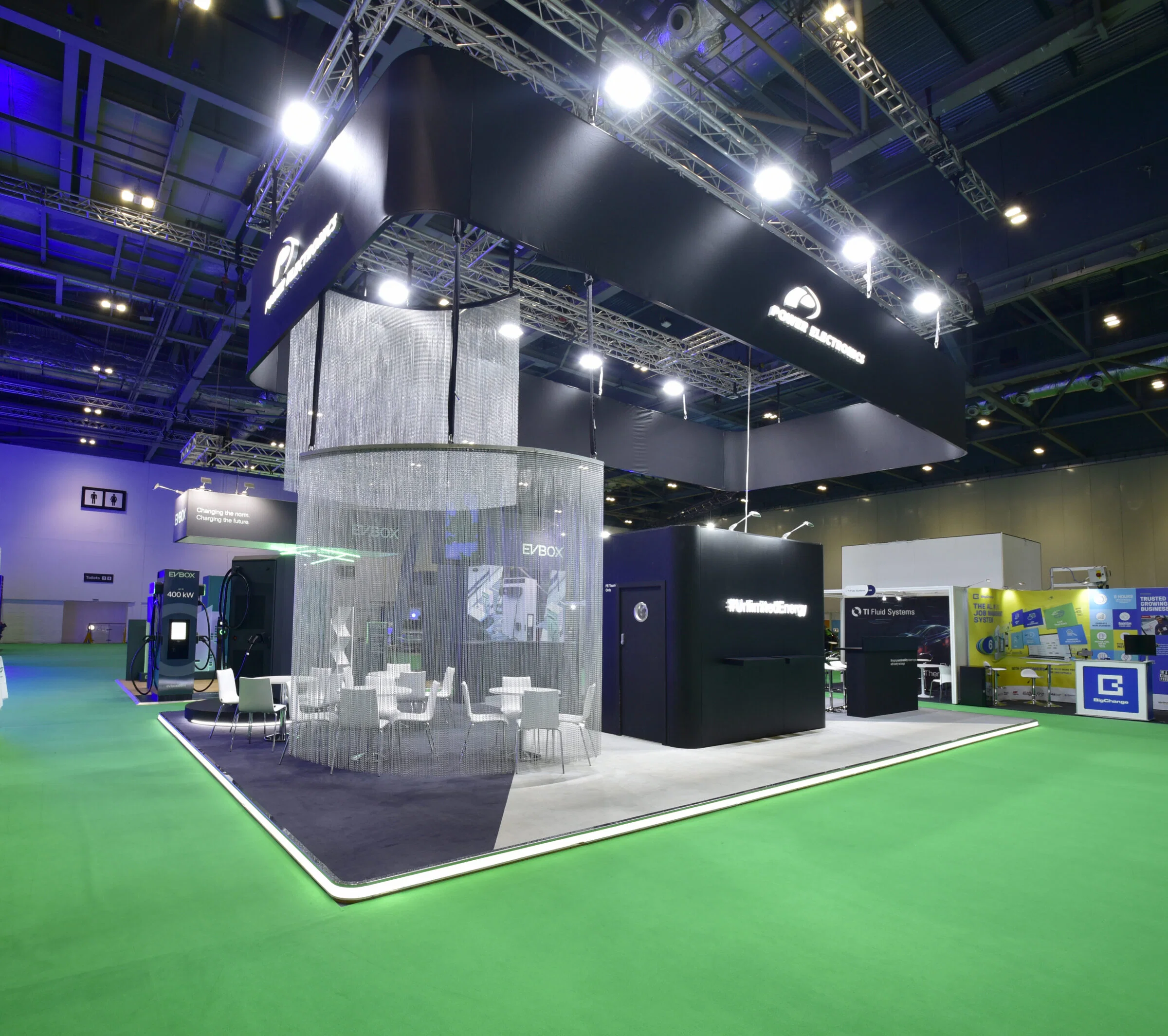
Show site supervision covers the full event timeline from load-in through strike. A supervisor manages booth assembly, vendor coordination, live-show adjustments, and breakdown timing across single-booth exhibits and multi-booth programs.
The Phoenix Convention Center campus includes 635,000 square feet of exhibit space across 11 halls and 20 climate-controlled loading docks. Supervision must account for house services schedules, official show contractor deadlines, and exhibitor-appointed contractor coordination across the North Building exhibit halls.
Supervision extends beyond the convention center. WestWorld of Scottsdale hosts consumer shows and equestrian events requiring outdoor coordination. Hotel ballroom programs at the Omni Tempe Hotel at ASU, Talking Stick Resort, and JW Marriott Phoenix Desert Ridge Resort & Spa require different timelines, access protocols, and vendor handoffs than convention halls.
Show Site Supervision Focus Areas
- Load-in and installation oversight from first truck arrival through final booth sign-off at Phoenix Convention Center's twenty climate-controlled loading docks
- Live-show coordination that manages exhibitor requests, vendor arrivals, AV adjustments, and compliance questions across multi-day convention programs
- Strike management that synchronizes booth breakdown, freight staging, and dock departure timing to meet venue cutoff deadlines
- Multi-venue programs requiring supervision across Phoenix Convention Center exhibits, WestWorld of Scottsdale outdoor event spaces, and hotel ballroom meetings
- Vendor and contractor coordination that tracks official show contractor schedules, exhibitor-appointed contractor deliveries, and house services labor across overlapping workflows
Load-In and Installation Oversight
Load-in supervision starts when the first truck arrives at the dock. The Phoenix Convention Center North Building operates 20 climate-controlled loading docks that serve 11 exhibit halls across 635,000 square feet. Supervision tracks dock assignments, marshaling yard timing, and freight delivery sequences to avoid staging conflicts. Advanced warehouse coordination sends freight on the official show contractor's schedule. Delays at the dock ripple through installation labor budgets and booth completion deadlines. A late freight arrival can compress installation windows from eight hours to four, forcing overtime labor to meet show opening deadlines.
Installation oversight confirms that booth components arrive complete, assembly follows the approved floor plan, and electrical, plumbing, or rigging work meets venue and fire marshal requirements. The Phoenix Convention Center requires permits for structures exceeding certain heights or weights. Supervision verifies that permits are posted, inspections are scheduled, and final approvals are documented before the show opens. A missed inspection can prevent booth opening even if assembly is otherwise complete.
Hotel ballroom programs at the Omni Tempe Hotel at ASU or The Westin Tempe operate under tighter loading windows than convention halls. A 36,000-square-foot hotel ballroom program may share a single loading area with banquet service, guest deliveries, and housekeeping. Supervision coordinates elevator holds, hallway protection, and freight staging to meet the venue's move-in cutoff time. The Omni Tempe Hotel at ASU offers 36,000 square feet of meeting space across seven meeting rooms. A ballroom program competing with concurrent guest arrivals requires precise timing to avoid conflicts with hotel operations.
- Dock assignment confirmation and marshaling yard timing at Phoenix Convention Center's North Building loading docks across 11 exhibit halls
- Booth assembly verification against approved floor plans, structural permit documentation, and fire marshal inspection requirements
- Hotel ballroom move-in coordination with elevator holds and freight staging at Omni Tempe Hotel at ASU's 36,000 square feet of meeting space and The Westin Tempe
- Fire marshal inspection scheduling and compliance sign-off before show opening to prevent booth closure
Live-Show Coordination
Live-show supervision manages the booth during event hours. Exhibitors request graphics changes, AV adjustments, furniture rearrangements, or emergency repairs. A supervisor coordinates with the official show contractor's labor desk, house services, and exhibitor-appointed contractors to fulfill requests within venue rules and union jurisdiction. A semiconductor expo at Phoenix Convention Center might generate dozens of requests across a 200,000-square-foot exhibit hall. Supervision prioritizes critical fixes over cosmetic adjustments to keep the booth operational during peak attendee traffic.
The Phoenix Convention Center operates under union labor agreements for certain tasks. Electrical work, rigging adjustments, and structural modifications typically require union labor during show hours. Supervision knows which requests can be handled by the exhibitor's own team and which require a union work order. Mistakes here delay fixes and create unexpected costs. An exhibitor replacing a burned-out LED panel without verifying jurisdiction may trigger a work stoppage if the task requires union electrical labor. Supervision prevents these conflicts by clarifying scope before work begins.
Multi-day shows require daily booth maintenance. Carpet cleaning, display restocking, and lighting adjustments happen before doors open. Supervision schedules overnight or early-morning work orders and confirms completion before attendee arrival. A missed overnight repair becomes a live-show problem visible to attendees and exhibitor management. A three-day aerospace trade show at Phoenix Convention Center requires nightly carpet vacuuming, demo station resets, and kiosk screen cleaning. Supervision coordinates these tasks between 10 PM strike and 7 AM doors-open the next morning.
- Real-time exhibitor request coordination with official show contractor labor desks, house services teams, and exhibitor-appointed contractors across multi-hall convention programs
- Union jurisdiction verification for electrical, rigging, and structural work at Phoenix Convention Center to prevent work stoppages and unexpected labor fees
- Daily booth maintenance scheduling before doors open across multi-day convention programs including carpet cleaning, demo resets, and display restocking
- Emergency repair coordination with vendor and contractor teams during live show hours to maintain booth operations during peak attendee traffic
Strike Management
Strike supervision begins when the show closes. The Phoenix Convention Center posts a venue cutoff deadline. All booths must be dismantled, freight staged, and docks cleared by that time or the exhibitor incurs overtime labor fees and extended dock rental charges. Supervision sequences breakdown tasks to meet the deadline without rushing critical packing or inventory steps. A 20x30 island booth may require four hours to dismantle, pack, and stage. Supervision allocates strike labor to complete disassembly, protect fragile components, and inventory all assets before the dock closes. A venue cutoff violation at Phoenix Convention Center can add thousands of dollars in penalties for a single booth.
Strike timing at WestWorld of Scottsdale differs from enclosed convention halls. Outdoor event spaces require weather-aware breakdown schedules. Wind, rain, or extreme heat affect safe disassembly of tents, structures, and graphics. Supervision monitors forecasts and adjusts breakdown sequences to protect assets and crew safety. A consumer show at WestWorld of Scottsdale scheduled for weekend strike in July faces afternoon temperatures exceeding 110 degrees. Supervision shifts breakdown to early morning hours or overnight to protect crew and prevent heat damage to vinyl graphics and fabric structures.
Hotel ballroom programs often face earlier cutoff deadlines than convention centers. A ballroom hosting a Sunday conference may require full breakdown and departure by Monday morning because another event is scheduled that afternoon. Supervision coordinates overnight strike labor, freight elevator timing, and final walk-throughs to meet the venue's next-event setup schedule. A ballroom program at Embassy Suites by Hilton Phoenix Tempe may require complete strike and loading between midnight Sunday and 6 AM Monday to clear the space for a corporate meeting starting at noon. Supervision sequences breakdown, freight elevator holds, and final venue inspection to avoid conflicts with the next event's setup crew.
- Venue cutoff deadline sequencing to avoid overtime fees and dock rental charges at Phoenix Convention Center's North Building across 11 exhibit halls
- Weather-aware breakdown scheduling for outdoor programs at WestWorld of Scottsdale during extreme heat and monsoon season
- Hotel ballroom overnight strike coordination with freight elevator timing, early-morning departure deadlines, and next-event setup conflicts at Omni Tempe Hotel at ASU and Embassy Suites by Hilton Phoenix Tempe
- Final walk-through documentation, asset inventory verification, and venue sign-off before freight departure to prevent damage claims
Multi-Venue Program Coordination
Multi-venue programs require supervision across convention exhibits, hotel meetings, and off-site activations. A semiconductor industry conference might host a trade show at Phoenix Convention Center, executive sessions at Talking Stick Resort, and a customer reception at Desert Botanical Garden. Supervision tracks installation schedules, vendor assignments, and asset movements across three separate venues and timelines.
Drive-time planning matters. Phoenix Convention Center sits in downtown Phoenix. Talking Stick Resort is approximately 20 miles northeast in Scottsdale. Desert Botanical Garden is about 10 miles east in central Phoenix. A supervisor moving between venues during peak traffic hours loses productive oversight time. Schedules must account for freeway congestion, parking logistics, and venue access protocols at each site.
Each venue operates under different rules. Phoenix Convention Center has house electrical services, union labor requirements, and fire marshal inspections. Talking Stick Resort coordinates through its in-house event services team. Desert Botanical Garden requires event permits, outdoor setup approvals, and environmental protection protocols. Supervision adapts workflows to each venue's jurisdictional structure without creating compliance gaps.
- Installation schedule tracking across Phoenix Convention Center exhibits, Talking Stick Resort meetings, and off-site activations
- Drive-time planning between downtown Phoenix, Scottsdale, and central Phoenix venues during peak traffic periods
- Venue-specific compliance coordination for house services, event permits, and labor jurisdiction at each location
Vendor and Contractor Coordination
Supervision coordinates official show contractors, exhibitor-appointed contractors, and house services teams. The official show contractor manages drayage, labor, and utilities at most Phoenix Convention Center shows. Exhibitor-appointed contractors deliver custom booth builds, AV production, or specialty fabrication. House services provide electrical power, water, compressed air, and internet connectivity. Each team operates on separate schedules and billing structures.
Coordination failures create visible problems. An exhibitor-appointed contractor arrives to install AV equipment but the official show contractor has not yet delivered the booth structure. The AV crew waits on the clock or reschedules, adding cost and compressing installation time. Supervision sequences deliveries and labor arrivals to avoid idle time and overlapping work that violates safety or jurisdictional rules.
Payment and documentation workflows run parallel to physical coordination. Supervision confirms that work orders match executed tasks, final invoices reflect actual labor hours, and damage or dispute documentation is filed before the venue clears. Mesa Convention Center programs and Arizona State Fairgrounds shows operate under different contractor rosters than Phoenix Convention Center. Supervision adapts to each venue's vendor network and billing procedures.
- Official show contractor, exhibitor-appointed contractor, and house services schedule sequencing to avoid idle labor time
- Delivery and labor arrival coordination to prevent overlapping work and jurisdictional conflicts
- Work order verification and final invoice documentation before venue clearance across Phoenix Convention Center, Mesa Convention Center, and Arizona State Fairgrounds programs
Show Site Supervision FAQs
What does a show site supervisor do during load-in at Phoenix Convention Center?
The supervisor tracks dock assignments, confirms freight deliveries, verifies booth assembly against floor plans, coordinates permit inspections, and sequences installation labor across official show contractor and exhibitor-appointed contractor teams. Supervision ensures that the booth is fully assembled, inspected, and signed off before the show opens.
How does supervision differ between Phoenix Convention Center and hotel ballroom programs?
Phoenix Convention Center offers 20 climate-controlled loading docks and extended move-in windows. Hotel ballrooms like those at Omni Tempe Hotel at ASU or The Westin Tempe share loading areas with banquet and guest services, operate shorter move-in windows, and require elevator holds and hallway protection. Supervision adapts dock timing, freight staging, and breakdown sequences to match each venue's access rules and next-event schedules.
What happens if a booth is not dismantled by the venue cutoff deadline?
The exhibitor incurs overtime labor fees from the official show contractor and extended dock rental charges from the venue. Supervision sequences breakdown tasks to meet the Phoenix Convention Center cutoff deadline, coordinates overnight strike labor for hotel ballroom programs, and schedules weather-aware breakdown at outdoor venues like WestWorld of Scottsdale to avoid penalties.
Who is responsible for electrical and rigging work during a show at Phoenix Convention Center?
Phoenix Convention Center operates under union labor agreements for electrical, rigging, and structural modifications during show hours. House services provide electrical power connections. Exhibitor-appointed contractors may handle certain pre-approved tasks. Supervision verifies jurisdiction for each request and coordinates with the official show contractor's labor desk to fulfill work orders within venue rules.
How does supervision coordinate multi-venue programs across downtown Phoenix and Scottsdale?
Supervision tracks installation schedules, vendor assignments, and asset movements across separate venues like Phoenix Convention Center, Talking Stick Resort, and Desert Botanical Garden. Each venue operates under different access protocols, labor rules, and permit requirements. Supervision accounts for drive-time planning between locations during peak traffic, adapts workflows to each venue's jurisdictional structure, and sequences deliveries to prevent coordination failures.