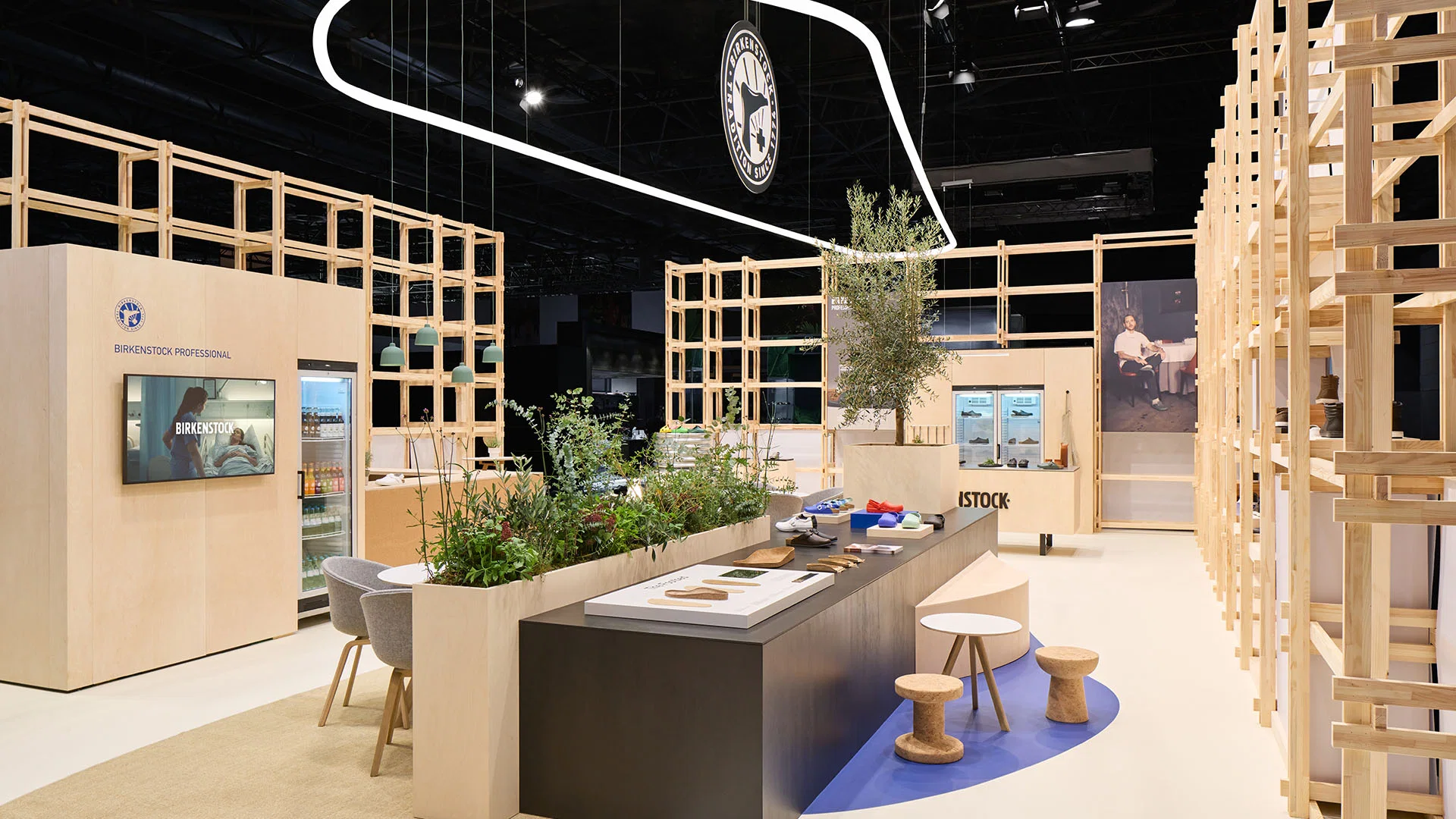
Lighting design for trade shows and exhibits in the Phoenix metro determines how a booth reads from the aisle, how products appear under controlled illumination, and how attendees navigate the space during peak traffic. Planning starts with the venue's electrical infrastructure, ambient light levels, and rigging capacity. Phoenix Convention Center offers 20-foot ceiling clearance in most exhibit halls with standardized electrical drops. WestWorld of Scottsdale presents variable ambient conditions depending on whether the event uses the Equidome or open-air Monterra spaces. Mesa Convention Center's 19,000-square-foot exhibit floor has lower ceilings and tighter electrical spacing, which constrains overhead rigging and requires more strategic fixture placement.
Strong planning covers lighting-design planning for Tempe-area exhibitors working Phoenix, Scottsdale, and Mesa venues. It addresses fixture selection, electrical coordination with official show contractors, dimming and control systems, ambient-light mitigation, and strike logistics. The project plan should turn venue rules, freight deadlines, labor windows, and exhibitor goals into a workable show schedule. The content draws on venue specifications, official contractor workflows, and documented show-floor practices across the metro market.
Lighting plans must account for booth footprint, product-display requirements, brand guidelines, and the electrical infrastructure defined in the venue manual and show-services kit. An inline 10x10 booth at Omni Tempe Hotel at ASU relies on portable LED fixtures and 110-volt house power. A 30x30 island at Phoenix Convention Center may require overhead truss, DMX-controlled LED wash fixtures, and dedicated 208-volt circuits ordered through the official contractor. Every plan begins with the venue, the booth type, the show schedule, and the electrical deadline.
Planning Focus for Exhibit Lighting Design in the Phoenix Metro Market
- Phoenix Convention Center electrical infrastructure: 20-foot ceilings, standardized drops, 208-volt and 480-volt service availability, and official-contractor coordination deadlines for advance power orders
- WestWorld of Scottsdale ambient-light variability: Equidome enclosed-hall conditions versus Monterra outdoor-pavilion exposure, daylight management, and portable generator requirements for certain event configurations
- Mesa Convention Center ceiling and electrical constraints: 19,000 square feet of exhibit space, lower ceiling heights, tighter electrical grid spacing, and how those factors affect overhead truss and fixture placement
- Fixture selection across booth types: portable LED uplights for inline 10x10 configurations, truss-mounted LED wash and spot fixtures for island booths, and DMX control integration for multi-zone brand activations
- Strike and transportation logistics: fixture weight and case count for drayage coordination, electrical disconnection sequencing during strike, and return-freight timing to Sky Harbor Airport or interstate-freight terminals along I-10
Venue Electrical Infrastructure and Lighting Constraints
Phoenix Convention Center provides 635,000 square feet of exhibit space across 11 exhibit halls with standardized electrical service delivered through floor pockets and overhead rigging points. The venue manual specifies 20-foot ceiling clearance in most halls, 208-volt and 480-volt service availability, and advance-order deadlines tied to the official show contractor's labor schedule. Exhibitors planning overhead truss lighting must submit rigging drawings and load calculations at least 14 days before move-in. Late orders trigger expedite fees and labor surcharges that can double the base electrical cost.
WestWorld of Scottsdale operates two primary exhibit configurations: the Equidome, an enclosed 32,000-square-foot hall with controlled ambient light, and Monterra, an outdoor pavilion where daylight creates variable lighting conditions depending on time of day and cloud cover. The Equidome supports overhead rigging with standard 208-volt service. Monterra events often require portable generators and daylight-mitigation strategies such as high-lumen LED fixtures and directional spotlights to maintain product visibility during midday hours. The official services guide provided by the event organizer specifies which electrical infrastructure is available for each show.
Mesa Convention Center offers 19,000 square feet of exhibit area with lower ceiling heights and a tighter electrical grid. The spacing between floor pockets limits where exhibitors can position large island booths without running extension cords across aisles, which fire marshals prohibit. The venue's official contractor coordinates all electrical orders, and the advance-order deadline is typically 10 days before move-in. Exhibitors planning lighting rigs at Mesa Convention Center should verify ceiling-height restrictions and electrical-drop locations before finalizing booth drawings.
- Phoenix Convention Center: 20-foot ceilings, 208-volt and 480-volt drops, advance rigging drawings due 14 days before move-in, late orders incur expedite fees
- WestWorld Equidome: enclosed 32,000-square-foot hall, controlled ambient light, overhead rigging support, 208-volt service through official contractor
- WestWorld Monterra: outdoor pavilion, variable daylight, portable generator requirements for certain configurations, high-lumen fixtures recommended for midday visibility
- Mesa Convention Center: 19,000 square feet, lower ceilings, tighter electrical grid, 10-day advance-order deadline, fire-code restrictions on cross-aisle extension cords
Fixture Selection and Booth-Type Planning
Inline booths at Tempe hotel ballrooms and smaller convention-center shows rely on portable LED fixtures that plug into 110-volt house power. A 10x10 inline booth typically uses four to six LED uplights positioned at booth corners and product-display zones. These fixtures draw minimal amperage, require no special electrical orders, and pack into two standard road cases for drayage. The limitation is output: portable LEDs cannot compete with strong ambient light or create dramatic overhead wash effects. For shows at Omni Tempe Hotel at ASU or Tempe Mission Palms, portable LEDs work well because ballroom ambient light is controllable and ceiling heights are lower.
Island booths at Phoenix Convention Center and larger WestWorld events require overhead truss to support LED wash fixtures, spotlights, and brand signage. A 20x20 island might use 10-foot box truss with six LED wash fixtures and two LED spotlights controlled via DMX. The truss adds structural weight, which increases drayage costs and requires riggers during installation and dismantle. The official contractor at Phoenix Convention Center charges labor for truss assembly, electrical connection, and strike. Exhibitors must submit truss drawings, fixture specifications, and electrical load calculations with the advance order. A missed deadline can delay installation or require costly on-site rewiring.
Multi-zone activations and larger exhibits at venues such as Talking Stick Resort or Arizona State Fairgrounds may integrate theatrical lighting consoles, DMX controllers, and synchronized lighting cues tied to presentations or product launches. These systems require advance programming, on-site testing during setup, and trained operators during the show. The complexity increases electrical load, case count, and labor hours. Planners must coordinate with the venue's house electrician and the official show contractor to ensure all circuits, controllers, and fixtures are compatible with the venue's power distribution.
- Inline 10x10 booths: portable LED uplights, 110-volt house power, minimal case count, suitable for hotel ballrooms and smaller shows with controlled ambient light
- Island 20x20 and 30x30 booths: overhead truss, LED wash and spot fixtures, 208-volt service, advance rigging drawings and electrical orders required 10 to 14 days before move-in
- Multi-zone activations: DMX control, theatrical consoles, synchronized cues, advance programming and on-site testing, trained operators during show hours, higher labor and electrical costs
Electrical Coordination and Advance-Order Workflow
Electrical orders for trade-show lighting follow a strict advance-order timeline set by the official show contractor. At Phoenix Convention Center, the advance-order deadline is typically 14 days before move-in. Orders submitted after that date incur expedite fees of 25 to 50 percent on top of base electrical costs. The order form requires circuit count, voltage, amperage, outlet type, and fixture-load calculations. An exhibitor planning six LED wash fixtures at 1.2 amps each on a single 20-amp circuit must verify that the total draw including DMX controllers and power supplies does not exceed the circuit rating.
The official contractor installs electrical drops at designated booth locations according to the floor plan submitted during space assignment. If the lighting plan requires outlets in different locations than the standard drops, the exhibitor must file a custom electrical order with a revised floor plan. Custom drops add labor charges and extend installation time. Planners should finalize booth layout and fixture placement before submitting the electrical order to avoid change-order fees during move-in.
On-site electrical testing happens during installation, typically the day before the show opens. Exhibitors or their EAC teams verify that all circuits are live, fixtures power on, and DMX controllers communicate with the lighting console. If a circuit is dead or a fixture malfunctions, the exhibitor must contact the official contractor's on-site service desk. Emergency electrical service during show hours costs significantly more than advance orders. A single emergency circuit installation at Phoenix Convention Center can run $400 to $600 depending on labor availability and the complexity of the run.
- Phoenix Convention Center advance-order deadline: 14 days before move-in, 25–50% expedite fees for late orders, circuit count and amperage calculations required on order form
- Custom electrical drops: revised floor plan submission, additional labor charges, change-order fees during move-in if layout changes after submission
- On-site electrical testing: verify live circuits and DMX communication during installation, emergency service during show hours costs $400–$600 per circuit at Phoenix Convention Center
Ambient-Light Mitigation and Booth Visibility Strategy
Ambient light in convention-center exhibit halls varies by venue, time of day, and whether the hall has exterior windows. Phoenix Convention Center's North Building has minimal exterior windows, so ambient light remains consistent throughout the day. WestWorld's Monterra pavilion has open sides, which allows daylight to flood the space during morning and midday hours. An exhibit relying on low-lumen fixtures or backlit graphics may appear washed out in midday sun. Planners working Monterra events should specify high-lumen LED wash fixtures rated at 3,000 lumens or higher and use directional spotlights to create contrast on featured products.
Hotel ballrooms at Omni Tempe Hotel at ASU and Tempe Mission Palms offer controllable ambient light through blackout curtains and adjustable house lighting. Exhibitors can request that ballroom lighting be dimmed during exhibit hours, though the final decision rests with the event organizer and the venue's banquet staff. A lighting plan for a hotel ballroom should include portable LEDs with adjustable output so the booth can adapt if house lighting remains brighter than expected.
Booth positioning on the show floor affects ambient-light exposure. Corner booths near exterior doors or loading docks receive more variable light than booths in the center of the hall. Exhibitors assigned corner positions at Phoenix Convention Center should anticipate higher fixture output requirements and consider adding side lighting to counteract directional daylight. The show organizer's floor plan indicates booth location, and smart planners review it before finalizing the design.
- Phoenix Convention Center North Building: minimal exterior windows, consistent ambient light throughout the day, standard LED fixtures sufficient for most booth configurations
- WestWorld Monterra: open-sided pavilion, midday daylight exposure, high-lumen LED fixtures (3,000+ lumens) and directional spotlights recommended for product visibility
- Hotel ballrooms: controllable ambient light via blackout curtains and house dimming, coordinate with event organizer and banquet staff, portable LEDs with adjustable output recommended
- Corner booth positioning: higher ambient-light variability near exterior doors and loading docks, plan for higher fixture output and side lighting to maintain consistent booth illumination
Strike Logistics and Freight Coordination
Strike begins after the show floor closes, and lighting is typically one of the last elements to come down. Overhead truss and large LED fixtures require riggers and electrical disconnection before disassembly. At Phoenix Convention Center, the official contractor's labor crew disconnects circuits and supervises truss strikes according to the show's strike schedule. Exhibitors or their EAC must coordinate with the labor desk to confirm crew availability. A delayed strike can push freight departure and increase drayage storage fees if cases miss the outbound truck.
Fixture cases and truss bundles are tagged, inventoried, and staged for drayage pickup. A typical 20x20 island lighting rig generates 8 to 12 cases depending on truss configuration, fixture count, and cable inventory. The exhibitor's freight forwarder coordinates with the official show contractor to schedule case pickup and delivery to the outbound terminal. Return freight to Sky Harbor Airport or a regional freight hub along I-10 follows the same drayage rules as inbound delivery. Late pickups incur storage fees at the venue's marshaling yard.
Portable LED fixtures used in smaller booths pack quickly and require minimal labor. A 10x10 inline booth with four LED uplights can be struck, packed, and staged in under 30 minutes by a two-person crew. These cases are small enough to qualify for small-package shipping if the exhibitor chooses to bypass drayage and ship directly via FedEx or UPS. The tradeoff is cost: small-package shipping is faster but more expensive per pound than consolidated drayage. Exhibitors must decide based on schedule, budget, and the next show's move-in date.
- Overhead truss strike: riggers required, electrical disconnection coordinated with official contractor labor desk, delayed strikes increase drayage storage fees at Phoenix Convention Center
- Case count and freight staging: 20x20 island rigs generate 8–12 cases, tagged and inventoried for drayage pickup, return freight to Sky Harbor or I-10 terminals follows inbound drayage rules
- Portable LED fixtures: 10x10 inline booths strike in under 30 minutes with two-person crew, cases qualify for small-package shipping, faster but more expensive than consolidated drayage
Lighting Design for Exhibits — Planning Questions
What is the electrical advance-order deadline for lighting at Phoenix Convention Center?
The advance-order deadline at Phoenix Convention Center is typically 14 days before move-in. Orders submitted after that date incur expedite fees of 25 to 50 percent on top of base electrical costs. The order form requires circuit count, voltage, amperage, outlet type, and fixture-load calculations.
Can I use portable LED fixtures for an island booth at WestWorld of Scottsdale?
Portable LED fixtures work for smaller island booths in enclosed spaces such as the Equidome, but they may lack the output needed for outdoor pavilions like Monterra, especially during midday hours. High-lumen LED wash fixtures rated at 3,000 lumens or higher are recommended for Monterra events to counteract variable daylight.
How does ceiling height at Mesa Convention Center affect lighting design?
Mesa Convention Center has lower ceiling heights and a tighter electrical grid than Phoenix Convention Center. This constrains overhead truss placement and requires more strategic fixture positioning to avoid running extension cords across aisles, which fire marshals prohibit. Exhibitors should verify ceiling-height restrictions and electrical-drop locations before finalizing booth drawings.
What happens if a circuit fails during the show at Phoenix Convention Center?
If a circuit fails or a fixture malfunctions during show hours, the exhibitor must contact the official contractor's on-site service desk. Emergency electrical service during show hours costs significantly more than advance orders, with a single emergency circuit installation running $400 to $600 depending on labor availability and the complexity of the run.
How does booth positioning affect ambient-light planning for exhibits?
Corner booths near exterior doors or loading docks at Phoenix Convention Center receive more variable ambient light than booths in the center of the hall. Exhibitors assigned corner positions should anticipate higher fixture output requirements and consider adding side lighting to counteract directional daylight. The show organizer's floor plan indicates booth location and should be reviewed before finalizing the design.