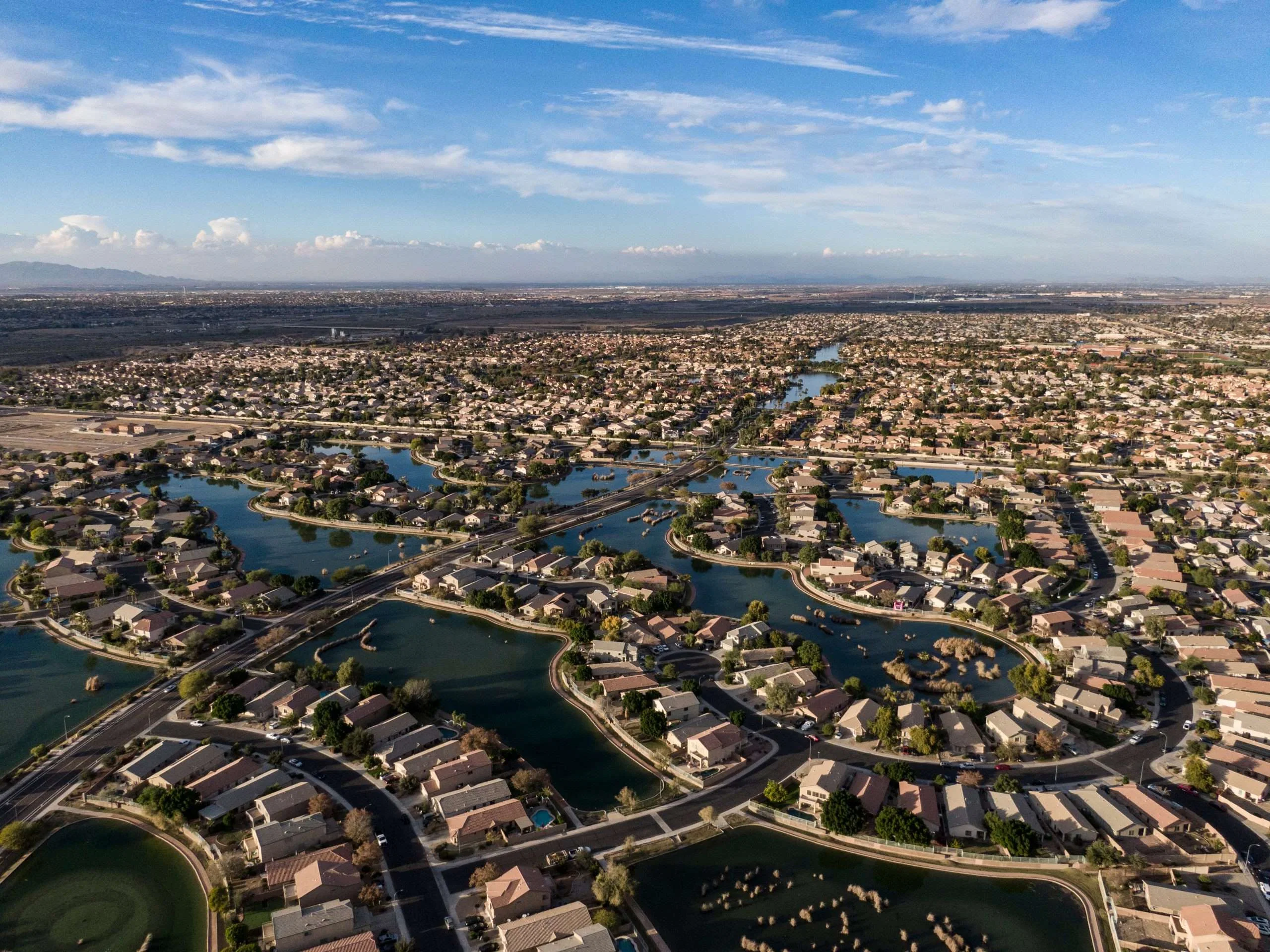
Strong planning covers trade-show planning context for exhibitors, planners, and event teams based in Avondale or routing freight through the West Valley on the way to Phoenix, Tempe, Scottsdale, Mesa, or Glendale venues. The project plan should turn venue rules, freight deadlines, labor windows, and exhibitor goals into a workable show schedule.
Avondale functions as a sibling submarket and spillover geography within the Greater Phoenix event ecosystem. While Avondale itself does not host large convention centers or major trade-show campuses, teams originating from or warehousing in the West Valley use the city's Interstate 10 and Loop 101 access to reach Phoenix Convention Center (approximately twenty-three miles east), WestWorld of Scottsdale (approximately thirty-seven miles northeast), State Farm Stadium in Glendale (approximately fifteen miles northeast), and Mesa Convention Center (approximately thirty-seven miles east).
Labor jurisdiction, union requirements, and Exhibitor Appointed Contractor (EAC) eligibility are determined by the venue hosting the show, not by the city where the crew or freight originates. A team departing Avondale to install a booth at Phoenix Convention Center follows the Phoenix venue's contractor policies, advance deadlines, and house-services coordination rules regardless of where the truck started its route.
Planning considerations for Avondale-origin freight and West Valley coordination
- Interstate 10 eastbound freight timing from Avondale to downtown Phoenix typically runs twenty-five to thirty minutes off-peak, but can stretch past fifty minutes during 6:30–9:00 AM and 3:30–6:30 PM commute windows
- Loop 101 northbound access from Avondale connects to Glendale's entertainment district venues (State Farm Stadium, Desert Diamond Arena) and continues northeast to WestWorld of Scottsdale and Talking Stick Resort
- Phoenix Convention Center requires all freight to arrive via designated loading docks on Third Street with advance manifests submitted through the official show contractor, typically Freeman or the contracted general services provider
- WestWorld of Scottsdale offers multiple event spaces including the Equidome and Monterra outdoor areas, with load-in protocols varying by show producer and event footprint across the campus
- Hotel ballroom programs at properties like JW Marriott Phoenix Desert Ridge Resort & Spa or Arizona Grand Resort & Spa follow each hotel's house-services policies, which may restrict EAC access or require coordination through the property's in-house AV and catering teams
Freight routing from Avondale to metro venues
Avondale-origin freight destined for Phoenix Convention Center typically follows Interstate 10 eastbound for approximately twenty-three miles, exiting at Third Street or Seventh Street depending on the venue's designated loading-dock access and the specific hall assignment. The North Building at Phoenix Convention Center contains 635,000 square feet of meeting and exhibition space across eleven exhibit halls, with twenty climate-controlled loading docks serving the campus. Advance coordination with the official show contractor is required to secure dock appointments, especially during multi-show windows when the convention center hosts overlapping events.
Teams routing to WestWorld of Scottsdale from Avondale generally take Loop 101 northbound to Loop 202 eastbound, then north on Hayden Road or Scottsdale Road, covering approximately thirty-seven miles depending on final access points. WestWorld's campus includes indoor facilities like the Equidome and outdoor event spaces such as Monterra, with loading and setup protocols determined by each show's producer. Large consumer shows, equestrian events, and automotive exhibitions at WestWorld often require early load-in windows to accommodate multi-day installation schedules and complex booth configurations.
Glendale venues including State Farm Stadium and Desert Diamond Arena are accessible from Avondale via Loop 101 northbound, approximately fifteen miles depending on the specific venue entrance. State Farm Stadium seats approximately 63,400 for football games and expands to over 72,000 for special events, with event-space configurations available for expos, activations, and corporate programs. Load-in coordination at stadium venues typically involves security clearances, strict timeline adherence, and coordination with house event staff to navigate non-standard loading areas.
- Interstate 10 eastbound from Avondale to downtown Phoenix runs twenty-five to thirty minutes off-peak, fifty-plus minutes during AM and PM commute windows
- Loop 101 northbound to Loop 202 eastbound connects Avondale to WestWorld of Scottsdale in approximately fifty to sixty minutes off-peak
- Glendale entertainment district venues (State Farm Stadium, Desert Diamond Arena) sit approximately fifteen miles northeast of Avondale via Loop 101
- Phoenix Convention Center's twenty climate-controlled loading docks require advance manifest submission and dock-appointment coordination through the official show contractor
Venue-specific contractor policies and EAC access
Labor jurisdiction and Exhibitor Appointed Contractor eligibility are determined by the venue, not by the origin city of the crew or freight. An exhibitor team based in Avondale that installs a booth at Phoenix Convention Center must follow the venue's policies regarding union labor, official show contractors, and EAC qualification. Phoenix Convention Center typically designates Freeman or another contracted general services provider as the official show contractor, and EAC access is granted based on the show organizer's rules and the exhibitor's advance registration, not the geographic origin of the crew.
WestWorld of Scottsdale operates under Scottsdale city policies, with labor and contractor requirements varying by event producer. Some large consumer shows and automotive exhibitions at WestWorld require all installation labor to be coordinated through the official show contractor, while others permit EAC access for exhibitors who meet the show organizer's registration and insurance requirements. The campus's mix of indoor and outdoor spaces introduces additional coordination layers, as outdoor installations may face weather-related setup constraints and extended load-in timelines.
Hotel ballroom programs at properties such as JW Marriott Phoenix Desert Ridge Resort & Spa, Arizona Grand Resort & Spa, or Talking Stick Resort enforce house-services policies that restrict or prohibit EAC access for certain services. AV, electrical, internet, catering, and furniture rental are frequently exclusive to the hotel's in-house vendors, requiring exhibitors to coordinate with the property's event-services team rather than bringing independent contractors. Omni Tempe Hotel at ASU lists 36,000 total square feet of meeting space across seven meeting rooms, with similar house-services restrictions common across conference hotels in the metro.
- Phoenix Convention Center follows official show contractor policies, typically Freeman, with EAC access determined by show organizer rules and exhibitor advance registration
- WestWorld of Scottsdale's labor and contractor requirements vary by event producer, with some shows mandating coordination through the official contractor and others permitting qualified EAC access
- Hotel ballroom programs across the metro (JW Marriott Desert Ridge, Arizona Grand, Talking Stick Resort, Omni Tempe) enforce house-services exclusivity for AV, electrical, internet, catering, and furniture
Advance deadlines, manifests, and load-in coordination
Exhibitors shipping freight from Avondale or other West Valley origins to Phoenix Convention Center must submit advance manifests to the official show contractor, typically including shipment weights, case counts, booth numbers, and consignee contact information. The convention center's loading-dock schedule is managed in coordination with the show contractor, and late arrivals or missing manifest details can result in delayed unloading, additional handling fees, or storage charges. Multi-show windows at the Phoenix campus often compress available dock time, making early submission and accurate documentation critical to avoiding bottlenecks.
WestWorld of Scottsdale's load-in protocols depend on the event type and producer. Equestrian events, automotive shows, and large consumer expos each follow distinct timelines, with some events permitting overnight installations and others restricting access to specific daylight windows. Outdoor event spaces at WestWorld introduce weather considerations, as wind, heat, and sun exposure can affect booth assembly timelines and require tarps, shade structures, or modified installation sequences.
Mesa Convention Center, located approximately thirty-seven miles east of Avondale via Interstate 10 and US-60, offers 19,000 square feet of exhibit area and an additional 19,000 square feet of meeting space. The downtown Mesa facility serves regional conferences and smaller trade shows, with load-in coordination managed through the venue's event staff. Advance communication regarding freight timing, booth dimensions, and equipment requirements is essential to ensure smooth dock access and setup, particularly during events that overlap with downtown civic activities or street closures.
- Phoenix Convention Center requires advance manifests with shipment weights, case counts, booth numbers, and consignee details submitted to the official show contractor
- WestWorld of Scottsdale's load-in timelines vary by event type, with outdoor spaces requiring weather-contingency planning for wind, heat, and sun exposure
- Mesa Convention Center's 19,000 square feet of exhibit area and 19,000 square feet of meeting space serve regional conferences, with load-in coordination managed through venue event staff
Hotel inventory and lodging coordination for exhibitor teams
Exhibitor teams originating from Avondale typically secure lodging near the venue hosting the show rather than commuting daily from the West Valley. Phoenix Convention Center is surrounded by downtown hotel inventory including properties like Sheraton Phoenix Downtown, Hyatt Regency Phoenix, and Renaissance Phoenix Downtown, with room blocks often negotiated by the show organizer as part of the event contract. Booking within the official hotel block can simplify shuttle coordination, meal planning, and after-hours networking, though inventory fills quickly for large citywide conventions.
Scottsdale-area events often use hotel inventory in Old Town Scottsdale, North Scottsdale, or at resort properties like Talking Stick Resort, which lists dedicated meeting and event space alongside guest rooms. WestWorld of Scottsdale sits approximately eight miles northeast of Old Town Scottsdale, making nearby hotels a practical lodging choice for multi-day installations and show schedules. Tempe-area events, particularly those at ASU-adjacent venues or the Omni Tempe Hotel at ASU (330 rooms, 36,000 square feet of meeting space), benefit from Tempe's downtown hotel cluster, which includes Tempe Mission Palms, The Westin Tempe, and Canopy by Hilton Tempe Downtown.
Glendale's entertainment district near State Farm Stadium and Desert Diamond Arena offers hotel options including properties along Loop 101 and the Westgate entertainment corridor. Event-related lodging for Glendale venues often overlaps with sporting events, concerts, and consumer shows, compressing availability during peak event windows. Early booking through the show organizer's preferred hotel list or direct property contact is recommended to avoid last-minute rate increases and limited room availability.
- Phoenix Convention Center downtown hotel inventory includes Sheraton Phoenix Downtown, Hyatt Regency Phoenix, and Renaissance Phoenix Downtown, with room blocks negotiated by show organizers
- Scottsdale-area events use Old Town Scottsdale and resort properties like Talking Stick Resort, approximately eight miles from WestWorld of Scottsdale
- Tempe's downtown hotel cluster (Omni Tempe, Tempe Mission Palms, The Westin Tempe, Canopy by Hilton) supports ASU-adjacent conferences and events
- Glendale entertainment district hotels near State Farm Stadium and Westgate face compressed availability during overlapping sporting events, concerts, and consumer shows
Regional event calendar and industry-vertical demand drivers
Greater Phoenix Economic Council research identifies semiconductors, software, aerospace and defense, biosciences, healthcare innovation, advanced manufacturing, data centers, e-commerce and logistics, autonomous and electric vehicles, and climate technology as key demand drivers in the metro. These industries support trade shows, conferences, and corporate events at Phoenix Convention Center, WestWorld of Scottsdale, Mesa Convention Center, and hotel ballroom programs across the Valley. Exhibitors aligned with these verticals often face compressed calendars during Q1 and Q4, when annual conferences and product launches cluster.
Tempe Tourism reports that the city offers more than 7,100 hotel rooms, 140,000 square feet of meeting space, and over thirty unique venues, with CVENT naming Tempe a top-50 meetings destination in North America for 2025. Tempe's proximity to Phoenix Sky Harbor International Airport (approximately five miles) and access to twenty-eight-plus miles of rail and streetcar routes create logistical advantages for fly-in attendees and exhibitor teams coordinating multi-day programs. ASU-adjacent venues including ASU 365 Community Union at Mountain America Stadium, Tempe Center for the Arts, and Arizona Heritage Center add niche event capacity for academic conferences, sponsor activations, and community-focused programs.
Visit Mesa positions Mesa Convention Center and the broader East Valley as part of the metro meetings ecosystem, with downtown Mesa venues supporting regional conferences, training events, and smaller trade shows. Arizona State Fairgrounds in Phoenix offers additional event capacity for public shows, consumer expos, and seasonal festivals, with venue rental details available through the fairgrounds' official site. The fairgrounds' location near Interstate 17 and Interstate 10 provides West Valley access while serving Phoenix's central event market.
- Greater Phoenix Economic Council identifies semiconductors, aerospace and defense, biosciences, healthcare innovation, and advanced manufacturing as key metro demand drivers
- Tempe offers more than 7,100 hotel rooms, 140,000 square feet of meeting space, and proximity to Phoenix Sky Harbor International Airport (five miles)
- Mesa Convention Center and East Valley venues support regional conferences and smaller trade shows within the broader metro event calendar
- Arizona State Fairgrounds near Interstate 17 and Interstate 10 provides public-show and consumer-expo capacity with West Valley freeway access
Frequently asked questions about trade-show coordination from Avondale
Does freight originating in Avondale face different labor or union requirements at Phoenix Convention Center?
No. Labor jurisdiction and union requirements are determined by the venue hosting the show, not by the origin city of the crew or freight. Exhibitors installing booths at Phoenix Convention Center follow the venue's contractor policies, official show contractor coordination (typically Freeman), and any union labor requirements established by the show organizer, regardless of whether the team or freight originates in Avondale, Tempe, Scottsdale, or another Valley city.
How long does it take to drive from Avondale to Phoenix Convention Center during load-in hours?
Off-peak travel time from Avondale to downtown Phoenix via Interstate 10 eastbound is typically twenty-five to thirty minutes. During morning commute windows (6:30–9:00 AM) and evening commute windows (3:30–6:30 PM), the drive can stretch past fifty minutes due to freeway congestion. Load-in schedules at Phoenix Convention Center often begin early morning or extend into evening hours, so planning freight departure times around commute windows can help avoid delays and missed dock appointments.
Can exhibitors use their own contractors at WestWorld of Scottsdale, or is an official show contractor required?
It depends on the event producer. Some shows at WestWorld of Scottsdale require all installation labor to be coordinated through the official show contractor, while others permit Exhibitor Appointed Contractor (EAC) access for exhibitors who meet the show organizer's registration, insurance, and credential requirements. Exhibitors should confirm EAC eligibility with the show organizer during the advance-order window and submit all required documentation before the event's installation deadlines.
What hotel areas are most practical for exhibitor teams working Phoenix Convention Center or WestWorld of Scottsdale?
Exhibitor teams working Phoenix Convention Center typically stay in downtown Phoenix hotels (Sheraton Phoenix Downtown, Hyatt Regency Phoenix, Renaissance Phoenix Downtown) to minimize commute time and simplify shuttle coordination. Teams working WestWorld of Scottsdale often book hotels in Old Town Scottsdale or North Scottsdale, approximately eight to twelve miles from the WestWorld campus. Staying near the venue reduces daily drive time, supports after-hours networking, and aligns with official hotel blocks negotiated by show organizers.
What are the key planning differences between Phoenix Convention Center and Mesa Convention Center?
Phoenix Convention Center is a large citywide facility with 635,000 square feet of meeting and exhibition space across eleven exhibit halls and twenty climate-controlled loading docks, typically hosting major trade shows, conferences, and multi-day expos with official show contractors (often Freeman) coordinating freight, labor, and services. Mesa Convention Center is a smaller downtown facility with 19,000 square feet of exhibit area and 19,000 square feet of meeting space, serving regional conferences and smaller trade shows with load-in coordination managed directly through the venue's event staff. The scale, contractor requirements, and advance-order complexity differ significantly between the two venues.