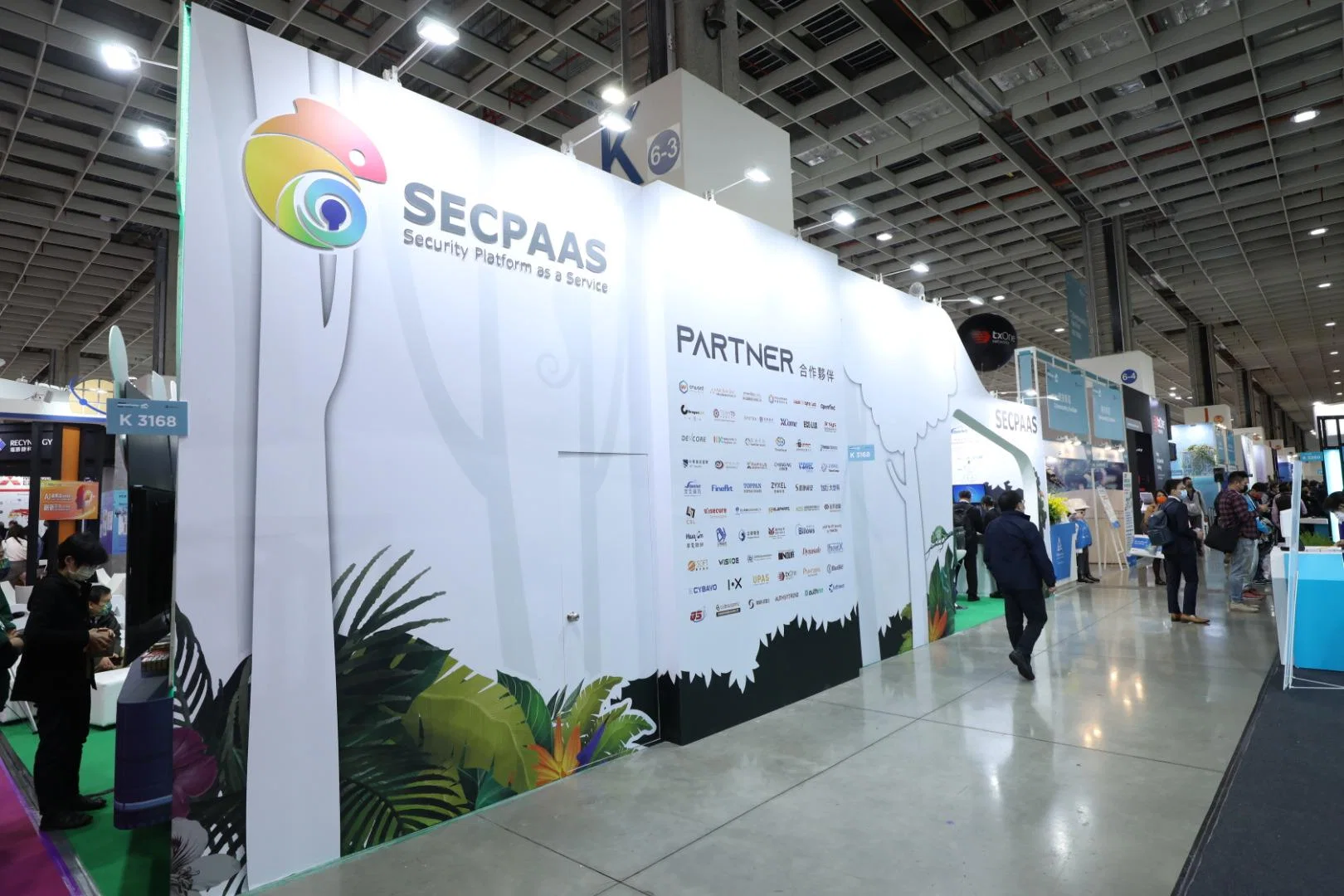
Strong planning covers semiconductor trade show services in the Tempe market. The project plan should turn venue rules, freight deadlines, labor windows, and exhibitor goals into a workable show schedule. The semiconductor vertical runs B2B expos for chip fabrication equipment, wafer processing technology, cleanroom supplies, test and measurement instruments, and packaging solutions. Shows typically occupy 50,000 to 150,000 square feet at Phoenix Convention Center or dedicated halls at WestWorld of Scottsdale, with exhibitor footprints ranging from 10×10 inline booths to 30×40 island displays for lithography tool vendors and process equipment suppliers.
Semiconductor shows require coordinated freight handling because equipment exhibits often include precision tooling, metrology instruments, and demonstration-grade machinery that arrives in climate-controlled containers. Load-in schedules at Phoenix Convention Center start forty-eight to seventy-two hours before show open, with rigging and electrical rough-in tied to the venue's advance-order deadlines. Exhibitor Appointed Contractors handle custom booth builds, AV installation, and specialty freight when the official show contractor's scope ends at standard carpentry and power drop points.
The planning sequence begins with venue selection, booth footprint confirmation, and advance service orders submitted sixty to ninety days before move-in. Hotel blocks for exhibitor staff concentrate around the Omni Tempe Hotel at ASU, Tempe Mission Palms, and The Westin Tempe when shows run in downtown Tempe or overflow from Phoenix Convention Center. Freight originates along I-10 from California fabrication hubs, I-17 from northern Arizona tech corridors, or Phoenix Sky Harbor International Airport when overseas suppliers ship demonstration units via air cargo. All timing depends on the show manual's drayage windows and the venue's loading dock assignments.
Semiconductor Trade Show Planning Focus
- Phoenix Convention Center North Building offers 635,000 square feet of meeting and exhibition space across eleven exhibit halls, with twenty climate-controlled loading docks that support precision equipment freight and multi-pallet shipments from overseas component suppliers
- WestWorld of Scottsdale provides outdoor and indoor event spaces including the Equidome, which hosts regional semiconductor equipment expos and specialized supplier showcases requiring drive-in access for large metrology tools and process chamber demonstrations
- Freight routing from Phoenix Sky Harbor International Airport to downtown Phoenix via I-10 or to Scottsdale via Loop 101 requires coordination with drayage contractors familiar with Arizona Department of Transportation regulations for oversize loads and time-restricted freight corridors
- Hotel inventory at Omni Tempe Hotel at ASU (330 rooms, 36,000 square feet of meeting space) and Tempe Mission Palms supports exhibitor staff lodging, pre-show vendor meetings, and overflow conference breakouts when semiconductor conferences pair with expo floors
- Advance service orders for electrical, rigging, and climate control must align with show contractor deadlines at Phoenix Convention Center, typically sixty to ninety days before move-in, because semiconductor exhibits often require dedicated circuits for demonstration equipment and cleanroom-grade environmental controls
Venue Infrastructure and Semiconductor Show Formats
Phoenix Convention Center serves as the primary venue for large-scale semiconductor expos in the Greater Phoenix market. The North Building's eleven exhibit halls span 635,000 square feet, with column-free configurations that accommodate equipment supplier islands and demonstration zones. The twenty climate-controlled loading docks accept freight on a scheduled basis, with dock assignments issued by the official show contractor based on advance orders. Semiconductor shows typically reserve six to ten docks for precision equipment that cannot tolerate temperature swings during unloading.
WestWorld of Scottsdale offers a secondary venue option for regional semiconductor supplier expos and component showcases. The Equidome and outdoor event spaces support drive-in exhibitor access, which simplifies freight handling for large metrology tools and process chambers arriving on flatbed trailers. Shows at WestWorld coordinate with Talking Stick Resort for exhibitor lodging, because the resort sits four miles from the venue campus and offers 36,000 square feet of meeting space for vendor briefings.
- Phoenix Convention Center North Building supports booth layouts from 10×10 inline exhibits to 40×60 island configurations, with floor load capacity verified through venue engineering when demonstration tools exceed standard weight limits
- WestWorld of Scottsdale allows drive-in freight access for metrology equipment arriving on flatbeds, eliminating dock scheduling and reducing unloading time for oversized components
- Conference breakouts at Phoenix Convention Center's Executive Conference Center require A/V coordination for wafer imaging and process diagrams, with advance room set orders submitted through venue conference services
Freight and Logistics for Semiconductor Exhibits
Freight handling for semiconductor exhibits begins with origin coordination, because precision equipment typically ships from California fabrication hubs via I-10, overseas suppliers via Phoenix Sky Harbor air cargo terminals, or regional warehouses along I-17 and Loop 101. Drayage contractors manage the transfer from origin to show site, with advance manifests submitted to the official show contractor to secure dock assignments. Exhibitors shipping metrology tools or cleanroom equipment coordinate climate-controlled transport to prevent contamination during transit.
Oversized freight requires coordination with Arizona Department of Transportation regulations when load dimensions exceed standard trailer widths. Exhibitors shipping lithography components or process chambers file permit requests through their drayage contractor, with routing plans that avoid peak commute hours on I-10 and Loop 101. Show manuals specify drayage windows opening forty-eight to seventy-two hours before show open, with freight arriving outside these windows accruing storage fees.
- Drayage contractors submit advance manifests to the official show contractor to secure dock assignments at Phoenix Convention Center, with climate-controlled transport required for metrology tools and cleanroom equipment sensitive to temperature or contamination
- Oversized freight for lithography components or process chambers requires Arizona DOT permits when load dimensions exceed standard limits, with routing plans that avoid peak commute windows on I-10 and Loop 101
- Exhibitor Appointed Contractors coordinate custom freight and on-site assembly for multi-component exhibits, with advance notice to the venue's event services team required for union jurisdiction and electrical permitting at Phoenix Convention Center
- Phoenix Sky Harbor air cargo terminals serve as the primary entry point for overseas semiconductor equipment shipments, with drayage transfer to Phoenix Convention Center or WestWorld coordinated through freight forwarders familiar with ATA carnet procedures for demonstration units
Booth Build and Technical Services Coordination
Booth builds for semiconductor exhibits range from modular rental systems for component suppliers to custom fabrication for equipment vendors showcasing full-scale process tools or wafer handling robots. Rental booth providers deliver pre-configured 10×10 or 10×20 inline packages that include graphic panels, counters, monitor mounts, and LED lighting. Custom builds require fabrication drawings submitted to the official show contractor for electrical load verification, rigging weight calculations, and structural review. Phoenix Convention Center's engineering team reviews custom exhibits that exceed standard floor loads, require suspended rigging points, or incorporate water, gas, or compressed air utilities beyond the venue's standard distribution grid.
Electrical service for semiconductor exhibits typically includes dedicated circuits for demonstration equipment, because lithography tools, metrology instruments, and process chambers draw sustained loads that exceed standard booth power allocations. Exhibitors submit electrical advance orders that specify voltage, amperage, phase, and outlet configuration, with costs calculated on a per-circuit or per-kilowatt-hour basis depending on the venue's rate structure. At Phoenix Convention Center, all electrical rough-in must be completed and inspected before show open, which requires exhibitors to finalize equipment lists and power requirements sixty to ninety days before move-in. Changes to electrical orders during load-in incur expedite fees and may require venue engineering approval if new circuits exceed the hall's panel capacity.
Rigging and suspension services support overhead signage, lighting trusses, and branded graphics for semiconductor booths, with weight limits and attachment points governed by the venue's rigging manual. Phoenix Convention Center allows point loads up to 500 pounds per rigging point in most halls, with engineering review required for heavier installations or multi-point truss systems. Rigging orders specify height, weight, and lateral dimensions, because the venue's rigging contractor calculates bridle angles and motor capacities based on final load data. Exhibitors who delay rigging orders until load-in face limited availability, because the venue's rigging crew prioritizes advance-order installations before handling last-minute requests.
- Rental booth providers deliver modular 10×10 or 10×20 packages with graphic panels, counters, and LED lighting, while custom builds require fabrication drawings submitted for electrical load verification and structural review by Phoenix Convention Center engineering
- Dedicated electrical circuits for demonstration equipment require advance orders specifying voltage, amperage, phase, and outlet configuration, with expedite fees applied for changes during load-in and engineering approval required if new circuits exceed hall panel capacity
- Rigging orders for overhead signage or lighting trusses specify height, weight, and lateral dimensions, with Phoenix Convention Center's rigging contractor calculating bridle angles and motor capacities based on final load data submitted in advance-order deadlines
Compliance and Industry-Specific Considerations
Semiconductor exhibits often include demonstration units that operate under controlled conditions to replicate cleanroom environments or wafer processing workflows. Exhibitors coordinate climate control and air filtration with the venue's environmental services group, because standard HVAC settings do not provide the particulate control required for cleanroom mock-ups or precision metrology displays. Phoenix Convention Center allows exhibitors to install portable filtration units or enclosure systems that maintain ISO Class 5 or Class 7 conditions within booth footprints, provided the equipment does not obstruct fire egress paths or interfere with neighboring exhibits. All environmental modifications require advance approval through the official show contractor and the venue's safety compliance team.
Export-controlled semiconductor equipment displayed at U.S. Trade shows requires compliance with International Traffic in Arms Regulations (ITAR) or Export Administration Regulations (EAR), depending on the technology classification and end-use restrictions. Exhibitors shipping demonstration units from overseas coordinate with customs brokers to prepare ATA carnets, which allow temporary importation without paying duties on equipment that will return to the country of origin after the show. Carnets require detailed equipment manifests, serial numbers, and declared valuations, with all paperwork submitted before freight clears Phoenix Sky Harbor air cargo terminals or crosses land borders. Exhibitors who fail to coordinate carnet documentation face delays, storage fees, or impoundment of equipment until compliance issues resolve.
Insurance and liability coverage for semiconductor exhibits must account for high-value demonstration units, precision tooling, and proprietary process technology displayed on the show floor. Exhibitors verify that their commercial general liability policies include coverage for trade show activity, transport, and on-site demonstration risks. The official show contractor and the venue typically require certificate of insurance naming both parties as additional insureds, with minimum coverage limits specified in the exhibitor manual. Exhibitors displaying equipment valued above standard coverage thresholds coordinate inland marine or equipment floater policies to cover theft, damage, or calibration loss during transport and show operations.
- Portable filtration units or cleanroom enclosures within booth footprints require advance approval through the official show contractor and Phoenix Convention Center's safety compliance team, because environmental modifications must not obstruct fire egress or interfere with neighboring exhibits
- ATA carnets for temporary importation of overseas semiconductor equipment require detailed manifests, serial numbers, and declared valuations submitted before freight clears Phoenix Sky Harbor air cargo terminals or land border crossings
- Exhibitor insurance policies must include trade show activity coverage with certificates naming the official show contractor and the venue as additional insureds, and high-value equipment displays require inland marine or equipment floater policies for theft, damage, or calibration loss
Hotel and Attendee Logistics
Hotel blocks for semiconductor shows concentrate around downtown Tempe properties when exhibitor staff and conference attendees prioritize proximity to Phoenix Convention Center or overflow venues in the ASU District. Omni Tempe Hotel at ASU offers 330 rooms and 36,000 square feet of meeting space, which supports pre-show vendor meetings, technical breakouts, and evening hospitality programs. Tempe Mission Palms and The Westin Tempe provide additional inventory for exhibitor lodging, with shuttle coordination to Phoenix Convention Center or WestWorld arranged through the show organizer or contracted transportation providers. Hotel rates and room block minimums vary by event dates, with peak spring and fall conference seasons commanding higher per-night rates than summer months when Tempe's heat reduces leisure travel demand.
Attendee transportation between hotels and show venues follows several patterns depending on event scale and venue location. Phoenix Convention Center sits nine miles northwest of downtown Tempe via I-10, which means exhibitor staff staying in Tempe coordinate rental cars or rideshare services for daily commutes to the show floor. WestWorld of Scottsdale sits eighteen miles northeast of downtown Tempe via Loop 101, with drive times ranging from twenty-five to forty-five minutes depending on departure time and freeway congestion. Show organizers sometimes arrange dedicated shuttle loops between hotel clusters and the venue, with pickup schedules aligned to exhibitor load-in windows and conference session start times.
Evening hospitality programs for semiconductor shows often include supplier dinners, technical society receptions, or executive networking events held at hotel ballrooms or off-site venues. Planners coordinate catering, A/V, and room set requirements with hotel event services teams, because semiconductor attendees expect presentation-quality projection for product roadmaps, market updates, or technical deep dives. Off-site venues in downtown Tempe, Old Town Scottsdale, or the Biltmore District offer alternatives when show organizers want to separate evening programs from daytime expo activity. All off-site events require transportation coordination, liability coverage, and timeline alignment with show floor hours to avoid conflicts with booth coverage or exhibitor staff availability.
- Omni Tempe Hotel at ASU provides 330 rooms and 36,000 square feet of meeting space for pre-show vendor meetings and technical breakouts, with shuttle coordination to Phoenix Convention Center or WestWorld arranged through show organizers
- Exhibitor staff staying in downtown Tempe coordinate rental cars or rideshare services for daily commutes to Phoenix Convention Center (nine miles via I-10) or WestWorld of Scottsdale (eighteen miles via Loop 101), with drive times varying by departure time and freeway congestion
- Evening hospitality programs require coordination with hotel event services for catering, A/V, and room sets, or off-site venues in downtown Tempe or Old Town Scottsdale with transportation, liability coverage, and timeline alignment to avoid conflicts with booth coverage requirements
Semiconductor Trade Show Services FAQ
What are the primary venues for semiconductor trade shows in the Greater Phoenix market?
Phoenix Convention Center hosts the majority of large-scale semiconductor expos, with the North Building offering 635,000 square feet across eleven exhibit halls and twenty climate-controlled loading docks. WestWorld of Scottsdale serves regional supplier expos and specialized component showcases that benefit from drive-in freight access for metrology tools and process chamber displays. Hotel ballroom programs at Omni Tempe Hotel at ASU and Talking Stick Resort support smaller technical conferences and vendor meetings tied to semiconductor industry activity.
How do I coordinate freight for precision semiconductor equipment arriving at Phoenix Convention Center?
Submit advance manifests to the official show contractor to secure dock assignments and time slots within the drayage window, which typically opens forty-eight to seventy-two hours before show open. Coordinate climate-controlled transport with your drayage contractor to prevent temperature swings or contamination during transit. Oversized freight exceeding standard trailer dimensions requires Arizona DOT permits and routing plans that avoid peak commute windows on I-10 and Loop 101. Freight arriving outside the show manual's drayage window incurs storage fees or requires special handling arrangements.
What electrical and environmental services do semiconductor exhibits typically require?
Semiconductor exhibits often require dedicated electrical circuits for demonstration equipment, with advance orders specifying voltage, amperage, phase, and outlet configuration submitted sixty to ninety days before move-in. Phoenix Convention Center reviews custom electrical installations that exceed standard booth allocations and may require engineering approval if new circuits exceed hall panel capacity. Exhibitors needing cleanroom-grade environmental control coordinate portable filtration units or enclosure systems with the venue's safety compliance team, provided equipment does not obstruct fire egress or interfere with neighboring exhibits.
How do I handle ATA carnets and export-controlled equipment for overseas demonstration units?
Coordinate with a customs broker to prepare ATA carnets that allow temporary importation of demonstration units without paying duties, provided equipment returns to the country of origin after the show. Carnet paperwork requires detailed equipment manifests, serial numbers, and declared valuations submitted before freight clears Phoenix Sky Harbor air cargo terminals. Export-controlled semiconductor equipment must comply with ITAR or EAR regulations depending on technology classification, with compliance documentation prepared before shipment and reviewed by legal counsel familiar with trade show display restrictions.
What hotel and transportation logistics should I plan for exhibitor staff and conference attendees?
Reserve hotel blocks at downtown Tempe properties like Omni Tempe Hotel at ASU, Tempe Mission Palms, or The Westin Tempe when exhibitor staff prioritize proximity to overflow venues or prefer shorter commutes. Phoenix Convention Center sits nine miles northwest of downtown Tempe via I-10, while WestWorld of Scottsdale sits eighteen miles northeast via Loop 101, with drive times ranging from twenty-five to forty-five minutes depending on departure time. Coordinate rental cars, rideshare services, or dedicated shuttle loops between hotel clusters and the venue, with pickup schedules aligned to exhibitor load-in windows and conference session start times.