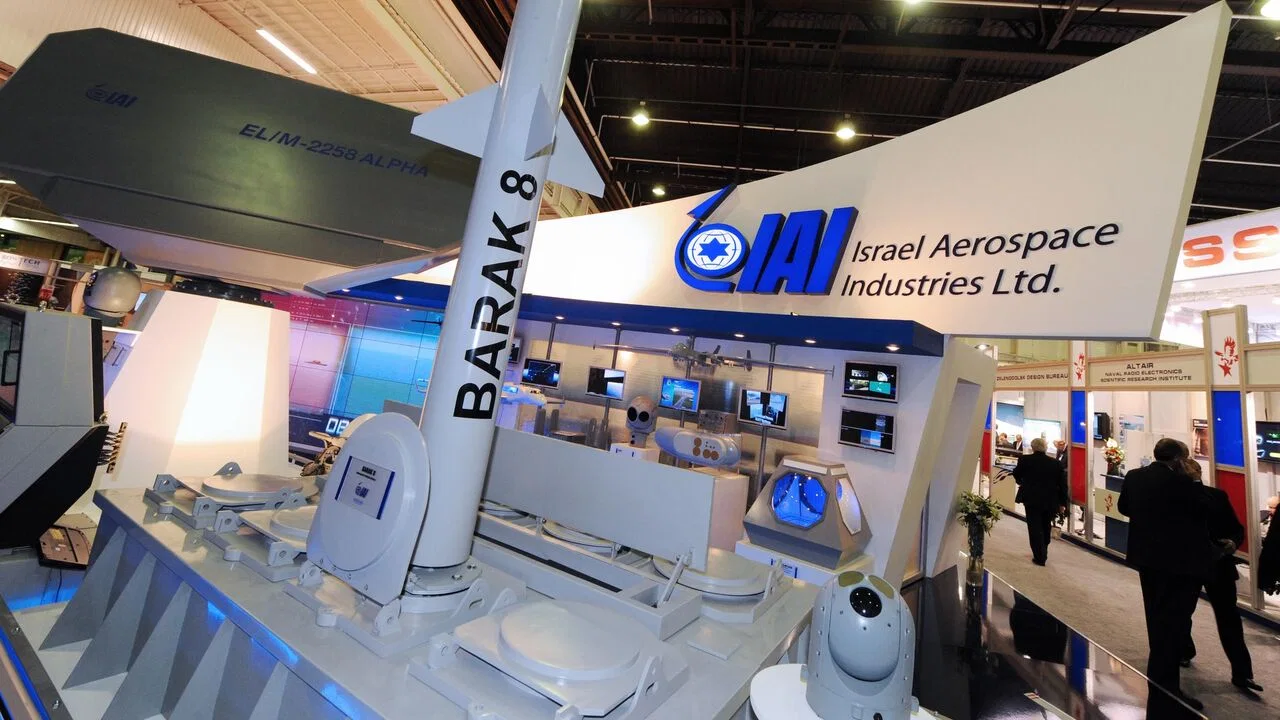
Strong planning covers aerospace and defense expo services for events running at Greater Phoenix venues. The project plan should turn venue rules, freight deadlines, labor windows, and exhibitor goals into a workable show schedule. The aerospace and defense vertical brings specific compliance requirements, security protocols, freight weight limits, and installation supervision expectations that differ from consumer or technology shows.
Phoenix Convention Center offers 635,000 square feet of exhibit space across 11 halls with 20 climate-controlled loading docks. WestWorld of Scottsdale provides outdoor-compatible spaces and the Equidome for hardware demonstrations. Mesa Convention Center delivers 19,000 square feet of exhibit area plus 19,000 square feet of meeting space. Each venue enforces different security clearance protocols, rigging load limits, and advance shipping deadlines.
Planning for aerospace and defense expos in the Greater Phoenix area requires coordination across venue security teams, Exhibitor Appointed Contractors, official show services, and sometimes federal compliance officers. Freight arrival windows, background check timelines for installation crews, and ITAR documentation add layers that generic expo planning does not address. A reliable plan starts with the planning sequence, venue-specific constraints, and the compliance checkpoints that aerospace and defense exhibitors encounter at Tempe-area shows.
Aerospace and Defense Expo Planning Considerations
- Phoenix Convention Center freight docks require advance manifests and security screening before hardware enters the building, which pushes effective load-in start times later than posted dock hours
- WestWorld of Scottsdale outdoor event spaces permit static display hardware that exceeds indoor rigging weight limits, but weather protection and overnight security must be arranged separately
- Mesa Convention Center enforces stricter vehicle-access restrictions than Phoenix Convention Center, requiring exhibitors to coordinate freight handoff outside the loading zone
- Aerospace exhibits often include controlled materials or dual-use components requiring ITAR compliance documentation before freight leaves the origin warehouse
- Installation crews working on aerospace booths may need background checks or facility access badges, and the lead time for those clearances varies by venue and show organizer
Venue Selection and Capacity Planning
Phoenix Convention Center anchors the metro's aerospace and defense expo calendar. The North Building provides 635,000 square feet of exhibit space across 11 halls, 56 meeting rooms, and 20 climate-controlled loading docks. Visit Phoenix describes the interconnected campus as including three ballrooms, 99 meeting and breakout rooms, a 2,300-seat performance hall, and an Executive Conference Center. Aerospace expos requiring secure meeting rooms for classified briefings or export-control discussions benefit from the dedicated Executive Conference Center, which sits on the same campus and simplifies attendee movement.
WestWorld of Scottsdale offers a different venue profile. The City of Scottsdale describes WestWorld as the premier venue for equestrian events, car shows, festivals, and exhibitions. The campus includes the Equidome and Monterra event spaces, with versatile indoor and outdoor configurations. Aerospace exhibitors displaying unmanned systems, ground vehicles, or full-scale mockups use the outdoor areas when indoor rigging limits or floor-load ratings make Phoenix Convention Center impractical. Weather protection and overnight security become exhibitor responsibilities at outdoor WestWorld events, and those costs must appear in the advance budget.
Mesa Convention Center delivers 19,000 square feet of exhibit area and an additional 19,000 square feet of meeting space. Visit Mesa positions the center as a full-service downtown facility. Smaller aerospace and defense conferences and supplier expos fit comfortably at Mesa Convention Center, particularly when attendee counts stay below 500 and booth footprints remain under 20×20. The venue enforces stricter vehicle-access restrictions than Phoenix Convention Center, so freight handoff happens outside the loading zone and exhibitors coordinate internal cart-and-dolly transfers with the official show contractor.
- Phoenix Convention Center North Building provides 11 exhibit halls with 635,000 square feet total, 20 climate-controlled docks, and an Executive Conference Center for classified or export-controlled sessions
- WestWorld of Scottsdale outdoor spaces accommodate hardware that exceeds indoor rigging or floor-load limits, but exhibitors must arrange separate weather protection and overnight security
- Mesa Convention Center offers 19,000 square feet of exhibit area and 19,000 square feet of meeting space, suitable for supplier expos and conferences under 500 attendees with smaller booth footprints
Freight and Security Protocols
Aerospace and defense exhibitors ship hardware, technical documentation, and sometimes controlled materials. Phoenix Convention Center requires advance freight manifests and security screening before hardware enters the building. Exhibitors submit packing lists, carrier names, and estimated arrival times to the official show contractor at least 72 hours before the first truck arrives. Security screening adds 30 to 90 minutes to the dock-to-floor timeline, which pushes effective load-in start times later than posted dock hours.
WestWorld of Scottsdale enforces less stringent manifest requirements for outdoor displays, but exhibitors remain responsible for securing hardware overnight. The venue does not provide perimeter fencing or 24-hour security patrols for outdoor event areas. Exhibitors displaying aircraft components, UAV systems, or high-value electronics arrange third-party security or overnight supervision directly. Those arrangements must close before the first freight truck departs the origin warehouse, because returning hardware to the warehouse after discovering insufficient on-site security creates budget and schedule overruns.
Mesa Convention Center freight policies mirror Phoenix Convention Center in requiring advance manifests, but the loading dock configuration limits simultaneous truck access. Only one truck can occupy the loading zone at a time, and exhibitors coordinate arrival windows with the official show contractor to avoid dock congestion. Freight that arrives outside the assigned window waits at the curb or returns later, which delays booth installation and compresses the installation timeline.
- Phoenix Convention Center security screening adds 30 to 90 minutes between dock arrival and floor delivery, requiring exhibitors to submit advance manifests 72 hours before the first truck arrives
- WestWorld of Scottsdale outdoor event areas do not include perimeter fencing or 24-hour security patrols, so exhibitors arrange third-party overnight supervision for high-value or controlled hardware
- Mesa Convention Center loading dock permits one truck at a time, and freight arriving outside the assigned window waits at the curb or returns later
- Controlled materials and ITAR-restricted components require export-control documentation before freight leaves the origin warehouse, and some show organizers request copies during advance manifest submission
Installation Crews and Background Checks
Aerospace and defense exhibitors sometimes require installation crews with active security clearances or background checks. Show organizers enforce those requirements when classified materials appear on the show floor or when the event takes place on a government-restricted campus. Phoenix Convention Center does not mandate background checks for general commercial expos, but individual show organizers add those requirements through exhibitor manuals. Exhibitors confirm crew clearance requirements at least 60 days before load-in to allow time for background checks or facility access badge applications.
WestWorld of Scottsdale and Mesa Convention Center follow the same pattern. The venue does not enforce background checks, but the show organizer may require them. Exhibitors working with Exhibitor Appointed Contractors confirm that the EAC can staff the installation with cleared personnel. Some EACs maintain rosters of cleared installers for aerospace and defense shows, while others must initiate background checks after the contract is signed. The latter scenario adds two to four weeks to the planning timeline and delays final crew confirmation.
Crew access badges, parking credentials, and vehicle-inspection requirements vary by show. Phoenix Convention Center events hosted by aerospace and defense trade associations sometimes require vehicle inspections before installation trucks enter the loading dock area. Exhibitors notify the EAC of those requirements during the initial project brief so that the EAC can schedule inspections and avoid dock delays.
- Background check requirements appear in exhibitor manuals for classified or government-restricted shows, and exhibitors confirm crew clearance needs at least 60 days before load-in
- Exhibitor Appointed Contractors with cleared-installer rosters reduce timeline risk, while EACs that must initiate checks after contract signature add two to four weeks to the planning sequence
- Vehicle inspections before dock entry occur at some Phoenix Convention Center aerospace events, and exhibitors notify the EAC during the initial brief to schedule inspections and prevent dock delays
Compliance and Export-Control Documentation
ITAR and export-control regulations govern certain aerospace and defense exhibits. Exhibitors shipping controlled components confirm that all hardware complies with current export regulations and that technical data shared on the show floor does not violate ITAR disclosure restrictions. Some show organizers request copies of export-control documentation during advance manifest submission, while others rely on exhibitor self-certification. Exhibitors work with internal compliance teams or legal counsel to prepare documentation before freight departs the origin facility.
Phoenix Convention Center and WestWorld of Scottsdale do not enforce ITAR compliance directly, but show organizers and federal agencies attending the event may audit exhibitor booths. Exhibitors displaying controlled materials post signage indicating export-restricted areas and brief booth staff on disclosure limitations. Those briefings happen during pre-show training sessions, and exhibitors document attendance to demonstrate compliance if an audit occurs.
Mesa Convention Center aerospace events operate under the same compliance framework. Exhibitors maintain compliance logs, export-control signage, and staff training records throughout the show. Post-show, those records support internal audits and demonstrate that the exhibitor followed regulatory requirements during the event.
- ITAR and export-control regulations require exhibitors to confirm hardware compliance and prepare documentation before freight departs the origin warehouse
- Show organizers or federal agencies may audit exhibitor booths, so exhibitors post export-restricted signage and brief booth staff on disclosure limitations during pre-show training
- Compliance logs, signage, and training records support internal audits and demonstrate regulatory adherence throughout the event
Hotel Blocks and Attendee Logistics
Aerospace and defense expos attract government buyers, contractors, and industry professionals who require hotel blocks near the venue. Phoenix Convention Center benefits from downtown Phoenix hotel inventory including the Sheraton Phoenix Downtown and additional properties within walking distance. Tempe Tourism lists Omni Tempe Hotel at ASU with 330 rooms, seven meeting rooms, and 36,000 total square feet of meeting space. That inventory supports exhibitor teams and VIP attendees who prefer proximity to Arizona State University or Tempe Town Lake hospitality options.
WestWorld of Scottsdale sits in North Scottsdale, and exhibitors block rooms at Talking Stick Resort or other Scottsdale properties. Talking Stick Resort offers conference hospitality and meeting space, making it a natural choice for exhibitor suites and evening sponsor events. Attendees driving from Phoenix Sky Harbor International Airport follow Loop 101 north to reach WestWorld, and the drive takes 30 to 45 minutes depending on traffic. Exhibitors communicate airport-to-venue drive times during pre-show registration emails to manage attendee expectations.
Mesa Convention Center attendees use hotel inventory in downtown Mesa or overflow to Tempe properties. Tempe sits five miles from Phoenix Sky Harbor International Airport according to Tempe Tourism, and that proximity simplifies flight logistics for attendees arriving the morning of the show. Exhibitors coordinate shuttle service between hotel blocks and the Mesa Convention Center loading area when attendee volumes justify the cost, otherwise attendees use rideshare or rental cars.
- Phoenix Convention Center downtown hotel inventory includes Sheraton Phoenix Downtown, and Omni Tempe Hotel at ASU offers 330 rooms and 36,000 square feet of meeting space for exhibitor teams and VIP attendees
- WestWorld of Scottsdale exhibitors block rooms at Talking Stick Resort or other Scottsdale properties, and attendees driving from Phoenix Sky Harbor International Airport follow Loop 101 north for a 30- to 45-minute drive
- Mesa Convention Center attendees use downtown Mesa hotels or overflow to Tempe properties, and exhibitors coordinate shuttle service when attendee volumes justify the cost
Aerospace and Defense Expo Services FAQ
Does Phoenix Convention Center require background checks for installation crews?
The venue does not mandate background checks for general commercial expos, but individual show organizers add those requirements through exhibitor manuals when classified materials appear on the show floor or when the event takes place on a government-restricted campus. Exhibitors confirm crew clearance requirements at least 60 days before load-in to allow time for background checks or facility access badge applications.
How do freight security screenings affect load-in timelines at Phoenix Convention Center?
Security screening adds 30 to 90 minutes between dock arrival and floor delivery. Exhibitors submit advance freight manifests, packing lists, carrier names, and estimated arrival times to the official show contractor at least 72 hours before the first truck arrives. The screening delay pushes effective load-in start times later than posted dock hours, and exhibitors plan installation schedules accordingly.
Can WestWorld of Scottsdale accommodate aerospace hardware that exceeds indoor rigging limits?
Yes, WestWorld outdoor event spaces permit static display hardware that exceeds indoor rigging weight limits or floor-load ratings. Exhibitors remain responsible for weather protection and overnight security, and those arrangements must close before freight departs the origin warehouse. The venue does not provide perimeter fencing or 24-hour security patrols for outdoor areas.
What ITAR documentation do exhibitors need for aerospace and defense shows?
Exhibitors confirm that all hardware complies with current export regulations and that technical data shared on the show floor does not violate ITAR disclosure restrictions. Some show organizers request copies of export-control documentation during advance manifest submission, while others rely on exhibitor self-certification. Exhibitors work with internal compliance teams or legal counsel to prepare documentation before freight departs the origin facility.
How does Mesa Convention Center freight access differ from Phoenix Convention Center?
Mesa Convention Center enforces stricter vehicle-access restrictions and limits simultaneous truck access to one truck at a time. Freight handoff happens outside the loading zone, and exhibitors coordinate arrival windows with the official show contractor to avoid dock congestion. Freight that arrives outside the assigned window waits at the curb or returns later, which delays booth installation and compresses the installation timeline.